
Key Takeaways
-
Scores below 580 indicate a lower credit score meaning high lender risk
-
Low credit score range tiers directly impact interest rates and loan approvals
-
On-time payments and credit utilization drive major score recovery
-
Knowing how to improve lower credit score opens doors to better financial offers
Have you ever applied for a credit card or auto loan, only to get an email saying your application needs further review?
It happens to millions of people every single day.
So, what is lower credit?
Simply put, a lower credit score is a numerical rating typically falling below 580 on the standard 300-to-850 scale that signals to lenders you might carry higher risk as a borrower.
In most cases, having a score in this lower credit score range means banks see a history of missed payments, high debt balances, or a lack of credit history.
Here at Weird Wealth, we believe understanding these numbers shouldn’t feel like deciphering a secret code.
Let’s break down everything you need to know about lower credit score meaning, how scoring tiers actually work, and how to build your score back up without losing your mind.
AI Overview
What is lower credit? Lower credit refers to a credit score below 580 on a standard 300 to 850 scale. A lower credit score meaning generally points to a history of missed payments or high balance usage, making lenders view you as a higher risk. Knowing your low credit score range helps you see where you stand. Fortunately, learning how to improve lower credit score limits financial stress and unlocks better loans over time.
Understanding Credit Score Tiers
Credit scores don’t just jump from terrible to perfect.
They are organized into distinct tiers that lenders use to evaluate your application instantly.
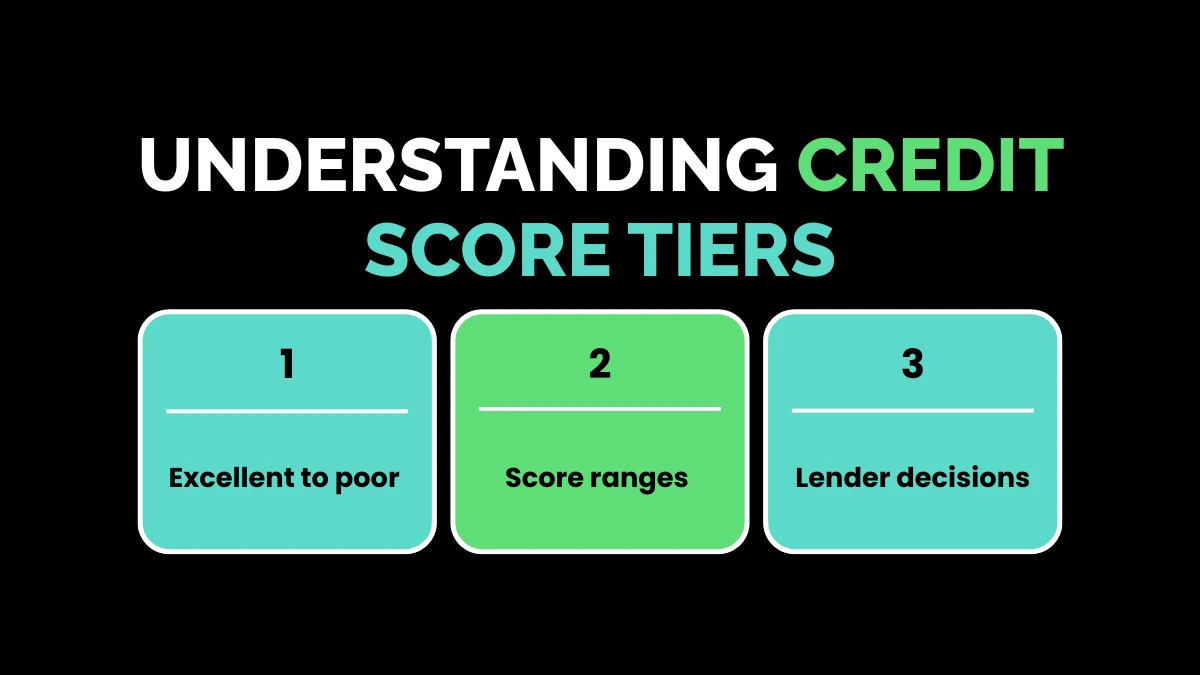
Both main credit scoring models, FICO and VantageScore, use slightly different brackets, but they generally reflect the same financial snapshot.
| Credit Tier | FICO Score Range | VantageScore Range | What Lenders Think |
| Exceptional / Excellent | 800 – 850 | 781 – 850 | Top-tier borrower; lowest interest rates available. |
| Very Good / Good | 670 – 799 | 661 – 780 | Reliable borrower; easy approvals and competitive rates. |
| Fair | 580 – 669 | 601 – 660 | Average risk; approved but with higher interest fees. |
| Poor / Lower Credit | 300 – 579 | 300 – 600 | High risk; frequent rejections or strict deposit rules. |
When you fall into that bottom row, you are dealing with a low credit score range.
Lenders treat this tier with caution because historical data suggests a higher likelihood of late or missed payments.
What Is Lower Credit Score Meaning in Daily Life?
Knowing what is lower credit in theory is one thing, but how does it actually touch your daily routine?
A lower credit score meaning extends far beyond simple credit card applications.
It shapes how much you pay for basic essentials every month.
1. Higher Interest Rates Across the Board
If you need to buy a car or finance an appliance, lenders won’t necessarily say no.
Instead, they charge you significantly higher annual percentage rates (APRs).
An estimated difference of 100 points can add thousands of extra dollars to an auto loan over five years.
2. Apartment Application Denials
Many property managers run credit checks during the rental application process.
If your score sits in the low credit score range, landlords may ask for two months of deposit upfront.
In competitive cities, they might simply pick an applicant with higher credit instead.
3. Utility and Phone Deposits
Setting up electricity, gas, or a postpaid phone plan usually involves a quick credit pull.
With lower credit, companies often require a refundable cash deposit before turning on services.
What Causes Your Score to Drop into the Low Credit Score Range?
Scores don’t drop out of nowhere.
Understanding what causes your score to drop is the first step when researching how to improve lower credit score profiles.
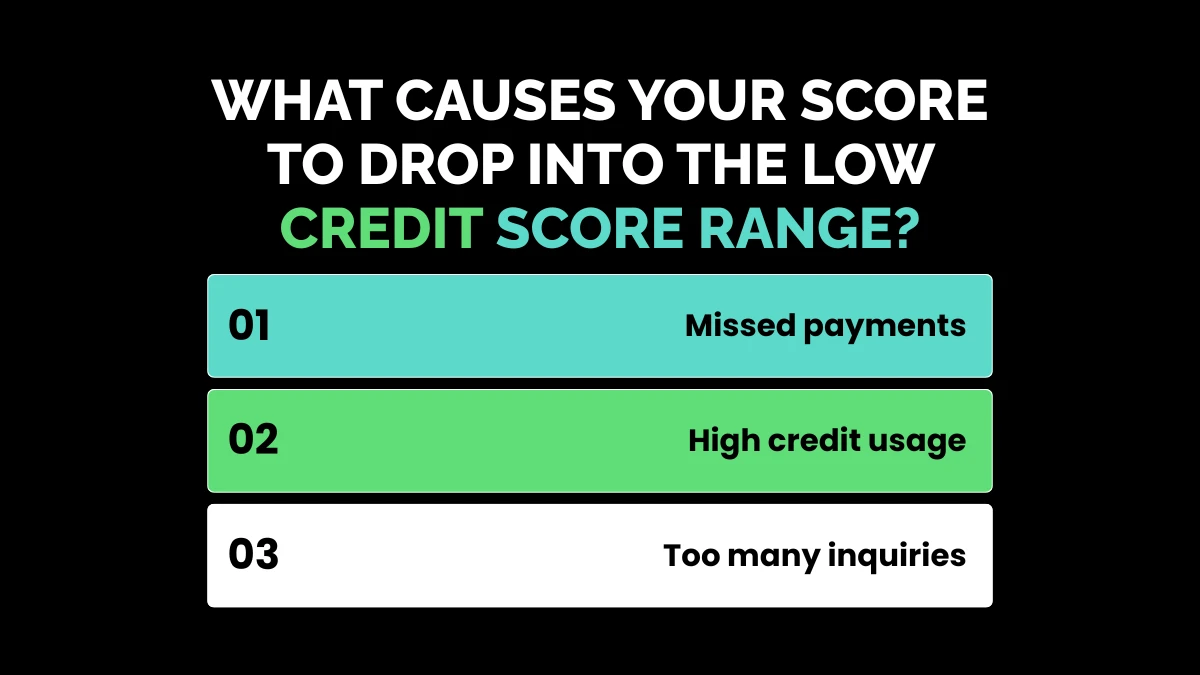
Here are the main primary drivers behind a lower credit score:
-
Late or Missed Payments: Payment history makes up roughly 35% of your standard credit score model.
-
High Credit Utilization: Using more than 30% of your total limit signals financial strain to banks.
-
Collections and Defaults: Unpaid bills sent to collections pull scores down rapidly.
-
Too Many Hard Inquiries: Applying for multiple loans in a short timeframe looks risky.
-
Short Credit History: Not having accounts open long enough makes it tough for scoring models to evaluate you.
How to Improve Lower Credit Score (Step-by-Step)
If your score currently resides in the low credit score range, don’t worry.
Credit scores are dynamic numbers, not permanent marks on your record.
Learning how to improve lower credit score metrics requires consistency rather than quick magic tricks.
Here is a simple, effective path forward:
Step 1: Check Your Credit Reports for Errors
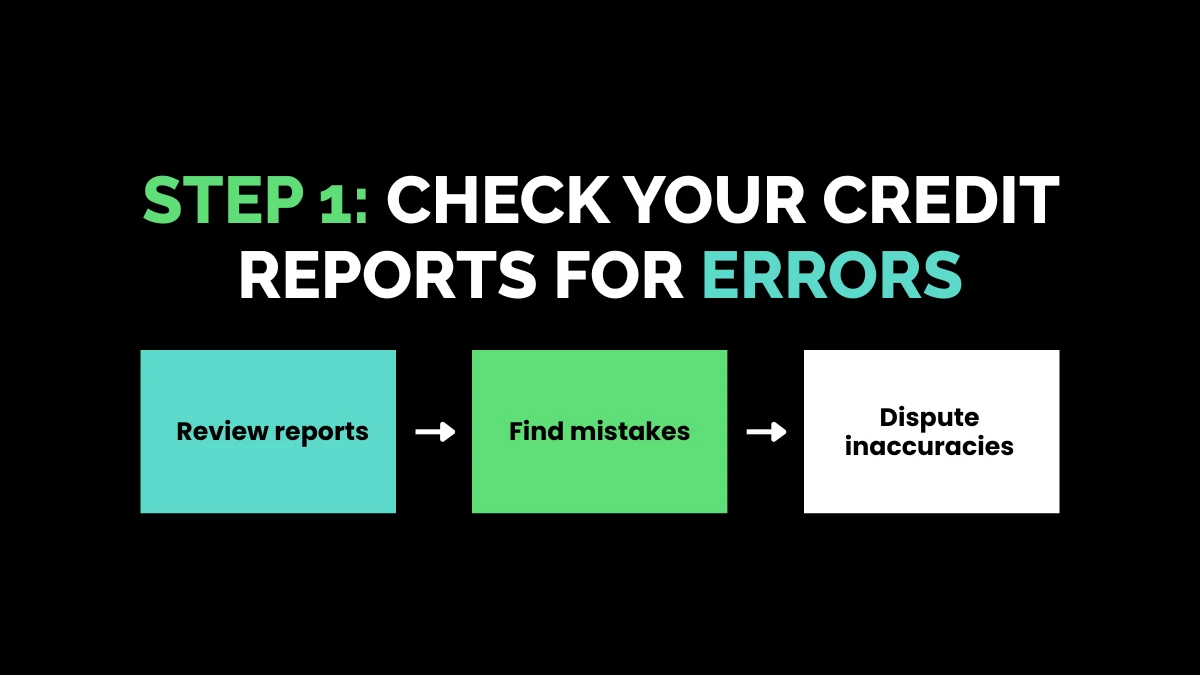
Start by pulling your official credit reports from the major bureaus (Equifax, Experian, TransUnion).
Look closely for accounts you don’t recognize or old debt listed incorrectly.
Disputing inaccurate negative items can boost your score quickly.
Step 2: Set Up Automatic Minimum Payments
Since payment history is the biggest factor, never let another payment slip past its due date.
Set up auto-pay for at least the minimum balance on every account.
Even one 30-day late payment can drag down an otherwise solid recovery effort.
Step 3: Lower Your Credit Utilization
Try to pay down revolving credit card balances below 30% of your maximum credit limit.
For even faster results, aim to bring that usage down below 10%.
If you carry a $1,000 limit, try keeping your reported balance under $100.
Step 4: Use a Secured Credit Card
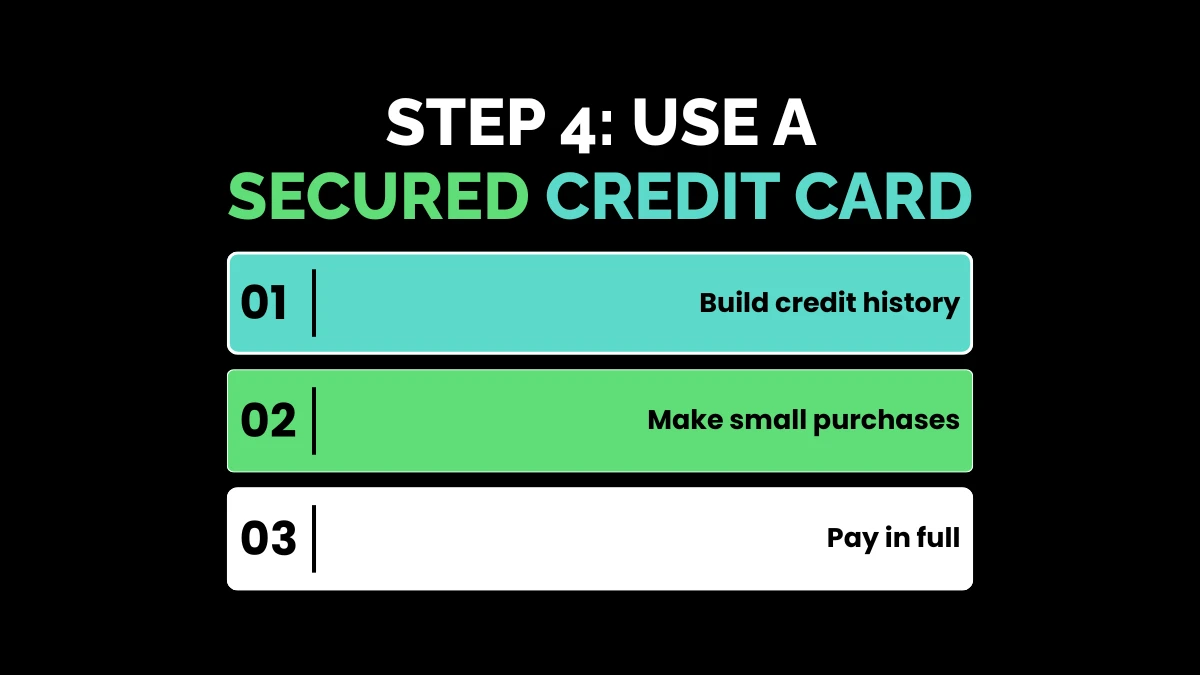
Secured cards require a cash deposit that serves as your line of credit.
They are specifically built for people asking how to improve lower credit score standing safely.
Use the card for tiny purchases like a monthly streaming subscription and pay it off immediately.
How Long Does It Take to Recover from Lower Credit?
People often ask us at Weird Wealth how fast they can fix their credit.
The truth depends entirely on what caused the drop in the first place.
| Event / Issue | Estimated Time to Recover | Impact Over Time |
| High Balance / Utilization | 30 to 60 days | Fades quickly once balances are paid down. |
| Single Late Payment (30 Days) | 6 to 12 months | Score begins rebounding as on-time streaks grow. |
| Account Sent to Collections | 2 to 4 years | Severe early hit; fades gradually over 7 years. |
| Bankruptcy | 3 to 5 years | Takes longer, but score can rebuild while active. |
Smart Habits to Maintain Better Credit Long Term
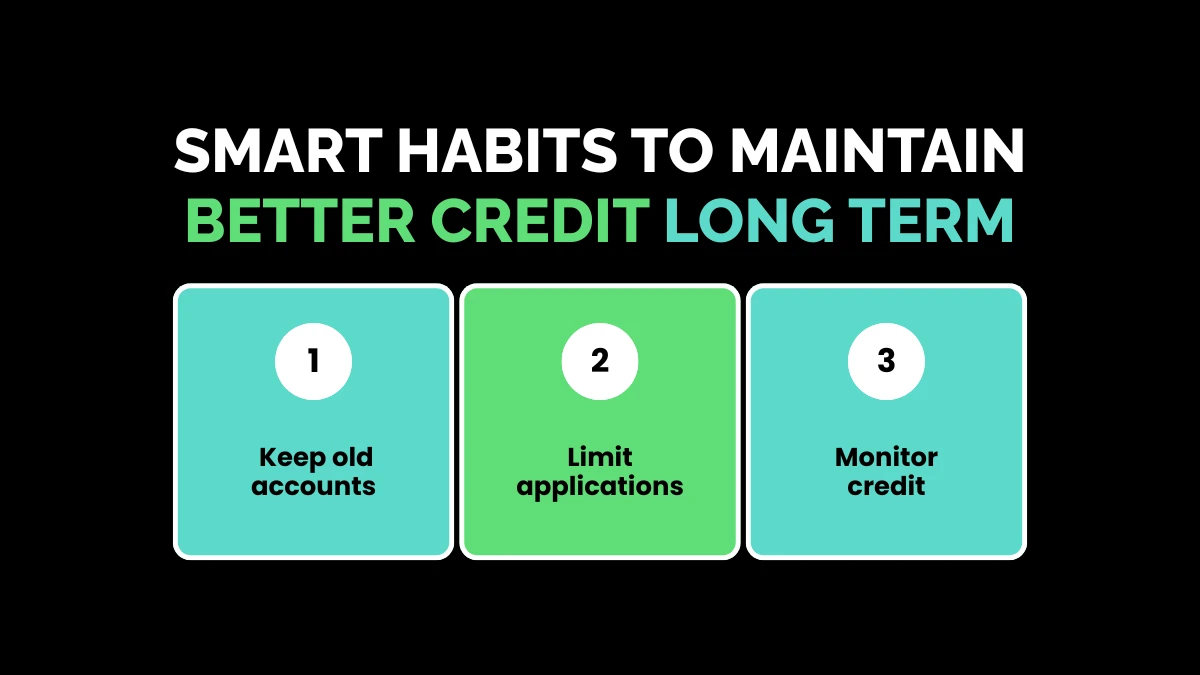
Rebuilding your score is only half the battle; keeping it in the fair or good range takes steady daily habits.
Here are practical actions to keep your credit moving in the right direction:
-
Keep Old Accounts Open: The length of your credit history helps boost your score over time.
-
Space Out Applications: Avoid applying for multiple cards at once to keep hard inquiries low.
-
Build an Emergency Savings Buffer: Having cash set aside keeps you from relying on credit cards for unexpected expenses.
-
Monitor Your Credit Monthly: Use free tracking tools so you catch fraudulent activity or unexpected score drops right away.
Conclusion
Understanding what is lower credit is the very first step toward taking total control of your money.
While falling into a low credit score range can feel frustrating, remember that your score is completely temporary.
By taking simple steps, like monitoring your utilization, removing errors, and making on-time payments, you now know how to improve lower credit score numbers effectively over time.
Keep exploring Weird Wealth for straightforward financial insights, stay consistent with your daily habits, and watch your credit possibilities open up month by month!
Frequently Asked Questions
What is lower credit in simple terms?
Lower credit generally means having a credit score under 580. It signals to lenders that lending money to you carries a higher financial risk based on past payment activity.
How to improve lower credit score quickly?
Pay down high credit card balances, dispute errors on your credit report, and ensure every upcoming bill is paid on time. Utilizing a secured card can also build positive history.
What is a low credit score range for buying a house?
A score below 620 makes getting a conventional mortgage difficult. However, government-backed loans like FHA loans may accept scores down to 580 or lower with larger down payments.