Key Takeaways
- Proven subject line examples that double open rates
- High-converting welcome email examples and automated sequences
- Smart promotional email examples and abandoned cart strategies
- Practical email campaign ideas to boost audience engagement
- Simple email copywriting tweaks for higher sales conversion
Ever opened your inbox, looked at a message, and thought, “Wow, I actually want to buy this”? We have all been there. Getting people to open, click, and buy from your messages isn’t black magic; it just takes the right email marketing examples to inspire your next move.
Email yields around $36 for every dollar spent. But how do you stand out when everyone is fighting for attention?
The answer is simple: study what works, steal the strategy, and adapt it for your own brand. In this guide, we will break down 15 real-world campaigns that drive actual revenue.
Whether you run an e-commerce shop, a service business, or a side hustle like us at Weird Wealth, these ideas will help you write better messages today.
AI Overview
Looking for high-converting email marketing examples? Great marketing emails combine snappy subject line examples, smart email automation, and persuasive email copywriting. From welcome email examples to targeted promotional email examples and abandoned cart emails, using proven email campaign ideas and drip campaigns helps businesses build trust, increase open rates, and drive consistent sales.
What Makes an Email Campaign Actually Work?
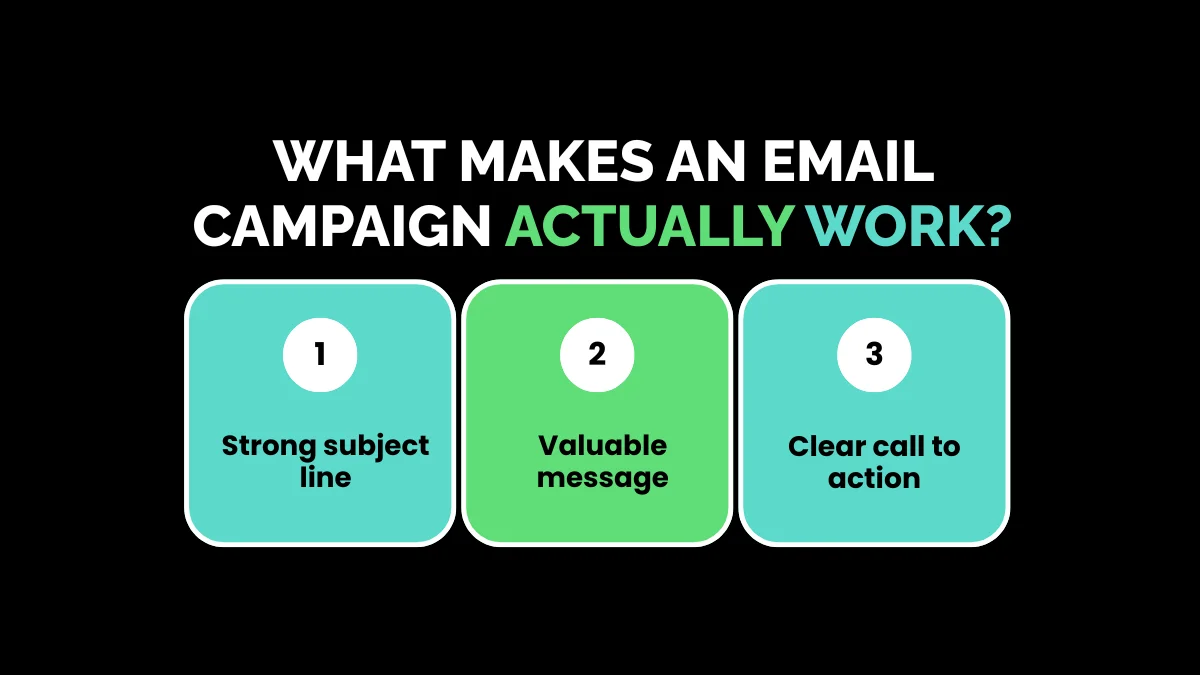
Before looking at specific examples, we need to understand why certain messages convert while others end up in the spam folder.
It usually comes down to three things: timing, relevance, and a strong call to action.
| Component | What It Does | Why It Matters |
| Subject Line | Gets the message opened | Primary driver of open rates |
| Hook & Copy | Keeps the reader engaged | Prevents high unsubscribe rates |
| Call to Action (CTA) | Drives the click | Direct link to your sales page |
| Timing & Automation | Delivers at the perfect moment | Boosts overall campaign ROI |
When you blend solid email copywriting with smart timing, your marketing emails stop feeling like spam and start feeling like helpful notes from a friend.
1. The Ultra-Welcoming Welcome Email
First impressions matter. A lot.
When someone signs up for your list, they are at their peak level of interest. Sending a bland “Thanks for subscribing” message wastes your best moment to make a sale.
Great welcome email examples greet new subscribers warmly, set expectations, and deliver immediate value.
For instance, top fashion brands often send a welcome message containing a unique discount code. They keep the text brief, showcase top-selling items, and give the reader a clear next step.
- Subject Line: Welcome to the family! Here is your 15% off coupon code…
If you operate a blog or brand like Weird Wealth, your welcome message might introduce your mission while linking to your top three articles.
Setting up a solid welcome sequence using email automation guarantees every new subscriber gets a warm greeting without extra daily effort.
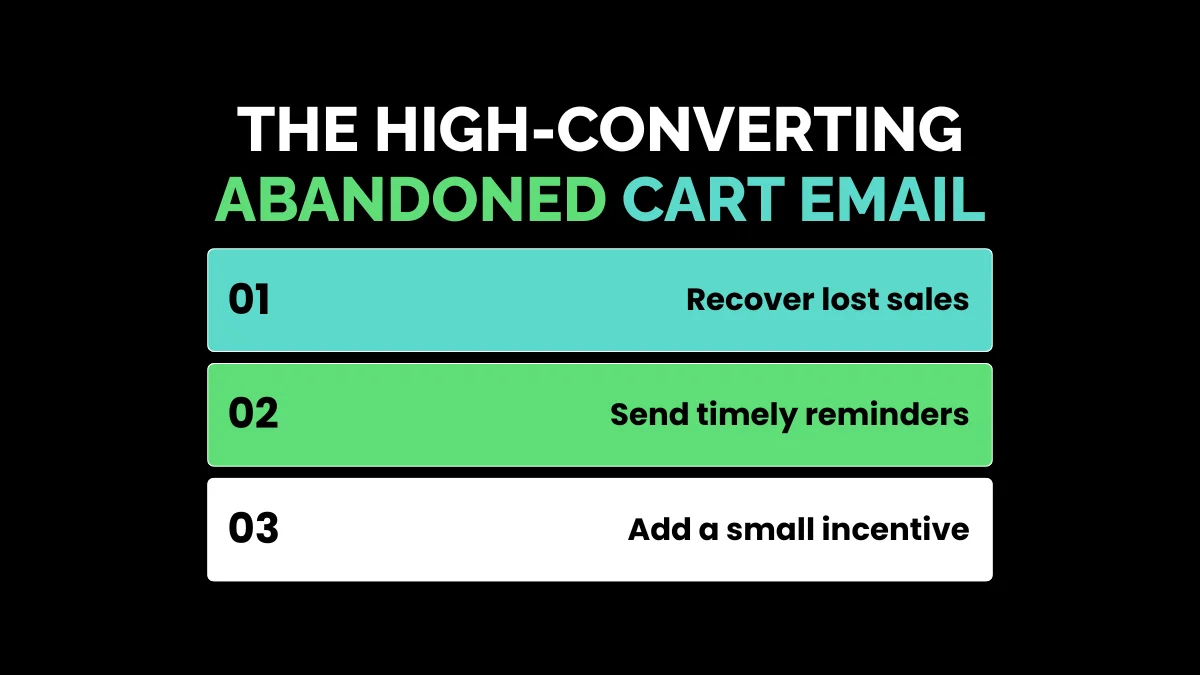
2. The High-Converting Abandoned Cart Email
Did you know nearly 70% of online shopping carts are left behind?
People get distracted. A dog barks, a phone rings, or they simply want to think about it.
That is where abandoned cart emails save the day.
Instead of demanding a purchase right away, effective abandoned cart emails gently remind the customer what they left behind.
A great example comes from online shoe retailer Rothy’s. They send a clean, minimal message showing the exact product left in the cart alongside dynamic customer reviews.
- Subject Line: Still thinking it over? Your cart is waiting for you!
This strategy relies on natural drip campaigns that trigger a few hours after a user leaves your site.
Adding a small incentive like free shipping or a limited-time 10% discount can double your recovery rates in most cases.
3. The Interactive Email Newsletter Example
Nobody likes reading long walls of dry text in their inbox every morning.
Modern email newsletter examples rely on short snippets, eye-catching visual hierarchy, and interactive elements like polls or quick surveys.
Take The Hustle or Morning Brew as classic email newsletter examples. They use humor, bullet points, and brief news summaries to keep readers coming back daily.
- Subject Line: Quick question for you + today’s top market insights
By mixing education with lightweight entertainment, these email newsletter examples build deep audience trust over time.
When you consistently provide great value in your newsletter, launching sales campaigns later becomes much easier.
4. The Limited-Time Flash Sale Email
Urgency moves people to action faster than almost anything else.
If customers know an offer lasts forever, they put off buying until tomorrow. And tomorrow usually means never.
That is why promotional email examples built around short flash sales generate rapid bursts of revenue.
Consider how tech companies run 48-hour promotional deals:
- Subject Line: Flash Sale: 40% off for the next 24 hours only!
They place a bold countdown timer near the top, highlight the reduced price in bright colors, and keep the text super brief.
Using promotional email examples like this during holidays or slow business months can quickly clear inventory and spike cash flow.
5. The Personalized Recommendation Email
Generic blast messages are slowly dying out.
Today, readers expect personalized marketing emails based on their browsing history or previous purchases.
Streaming services like Netflix and retail giants like Amazon excel at personalized drip campaigns.
- Subject Line: Handpicked recommendations based on your recent activity
When a user views a specific product category without buying, automated systems can trigger tailored marketing emails showing related products.
Personalized email automation workflows feel helpful rather than pushy because they match what the customer already wants.
6. The “We Miss You” Re-Engagement Email
Over time, parts of your subscriber list will stop opening your messages.
Sending messages to inactive subscribers hurts your deliverability rates and causes email providers to flag your domain as spam.
A re-engagement sequence gives inactive readers one final chance to stay connected.
- Subject Line: Are we breaking up? (Or do you still want 20% off?)
Brands like Duolingo use clever, emotional subject line examples paired with friendly visual graphics to draw inactive users back into the app.
If the user still doesn’t open the message after two attempts, automated drip campaigns can automatically remove them from your active mailing list.
This keeps your sender reputation clean and lowers your monthly email software bills.
7. The Social Proof & Review Spotlight Email
People trust other customers far more than they trust brand advertising.
Showcasing real customer reviews and user-generated content inside your marketing emails instantly lowers buying hesitation.
Beauty brands often send promotional email examples focused entirely on customer photo reviews and before-and-after stories.
- Subject Line: See why 5,000+ customers left a 5-star review…
Instead of talking endlessly about how great your product is, let your happy customers do the heavy lifting for you.
Pairing user reviews with strong email copywriting creates an authentic sales pitch that feels completely genuine.
8. The Product Launch Teaser Email
Launching a new service, physical product, or digital course?
Don’t just send one email on launch day and hope for the best.
Build anticipation beforehand using a series of teaser drip campaigns.
- Subject Line: Something big is coming this Thursday… (Sneak Peek inside)
A great launch sequence follows a clear timeline:
- Email 1 (Teaser): Hint at a common problem and announce that a solution is coming soon.
- Email 2 (Behind-the-Scenes): Show how you built the product and why it matters.
- Email 3 (Launch Day): Open the doors for purchase with a strong call to action.
- Email 4 (Last Call): Remind subscribers before the launch pricing or bonus expires.
This multi-step approach gives your community time to get excited, resulting in significantly higher day-one sales.
9. The Curated Resource Roundup Email
You don’t always need to create brand-new content to send valuable marketing emails.
Curated roundups bring together your best blog posts, podcast episodes, or industry news into one convenient package.
At Weird Wealth, we often look for creative email campaign ideas that save our readers time while delivering maximum strategic value.
- Subject Line: The 5 marketing strategies you missed this week
Curated emails position your brand as an expert guide who filters out the noisy Internet chatter to deliver only what matters.
They are easy to put together, highly clickable, and perform well as recurring email newsletter examples.
10. The Seasonal Holiday Promotion Email
Holidays provide a natural excuse to reach out to your list with special offers.
Black Friday, Cyber Monday, New Year’s, and even niche industry holidays are goldmines for promotional email examples.
- Subject Line: Our biggest sale of the year starts right now!
During busy holiday periods, inbox competition is fierce.
Standing out requires bold subject line examples and simple email copywriting that gets straight to the point.
Avoid cluttering your holiday design; state the offer clearly, display the discount code, and add a bright button leading straight to your shop.
11. The Customer Story & Case Study Email
Stories capture human attention far better than cold statistics ever will.
Sharing how a real client solved a painful problem using your product builds massive credibility for your business.
B2B software companies rely heavily on case-study drip campaigns to convert hesitant leads into long-term subscribers.
- Subject Line: How Sarah doubled her website leads in just 30 days…
Focus the story on the client’s journey rather than your brand:
- The Problem: Describe the frustration the customer faced.
- The Discovery: Explain how they found your product or service.
- The Result: Share specific numbers and tangible outcomes.
This structure allows prospects to see themselves in the story, making them much more likely to buy.
12. The Educational “How-To” Email
Teaching your audience something valuable for free builds long-term authority and goodwill.
When you regularly help people solve small problems, they naturally turn to you when they are ready to buy a complete solution.
- Subject Line: 3 simple steps to fix your email deliverability today
Keep your educational lessons simple and easy to implement in under five minutes.
Break complex processes into clear, numbered steps using short paragraphs that are effortless to scan.
Educational content works exceptionally well inside recurring welcome email examples to establish expertise early on.
13. The Milestone & Anniversary Email
People love celebrating milestones and thanking your customers for their ongoing support builds deep emotional connections.
Whether it is a customer’s one-year signup anniversary or their tenth completed order, automated celebration messages make readers feel truly valued.
- Subject Line: Happy Anniversary! Here is a special gift just for you…
Fitness apps like Nike Run Club send monthly summary emails celebrating the total miles a user logged.
Adding a small reward, like a free digital guide or a personal discount code, turns a simple milestone message into a sales opportunity.
14. The Exclusive VIP Preview Email
Everyone likes feeling like an insider.
Offering exclusive early access to new products or special sales creates a strong sense of community among your subscribers.
- Subject Line: VIP Access: Shop our new collection 24 hours before anyone else
Send these promotional email examples exclusively to your most active buyers or long-term subscribers.
This rewards brand loyalty while giving you early feedback on new inventory before launching to the public.
15. The “Plain Text” Personal Letter Email
Sometimes, polished graphic templates look too much like corporate advertisements.
Simple plain-text messages that look like they were typed directly from a personal inbox can outperform fancy HTML templates.
- Subject Line: Can I ask you a quick question?
Plain-text marketing emails feel personal, informal, and direct.
They work well for founder stories, soft product pitches, or gathering direct customer feedback.
Mixing plain-text messages into your regular drip campaigns keeps your inbox presence fresh and authentic.
Comparison of Key Email Campaign Types
Choosing the right campaign format depends on your current business goals and audience needs.
| Campaign Type | Primary Objective | Best Time to Send | Expected Open Rate |
| Welcome Series | Onboarding & Trust | Immediately upon signup | 50% – 60% |
| Abandoned Cart | Immediate Revenue Recovery | 1–4 hours after cart exit | 40% – 45% |
| Weekly Newsletter | Audience Engagement | Consistent weekly day | 20% – 30% |
| Flash Sale | Fast Sales Injections | Holidays or quarterly | 25% – 35% |
| Re-Engagement | Email List Hygiene | After 60-90 days inactive | 10% – 15% |
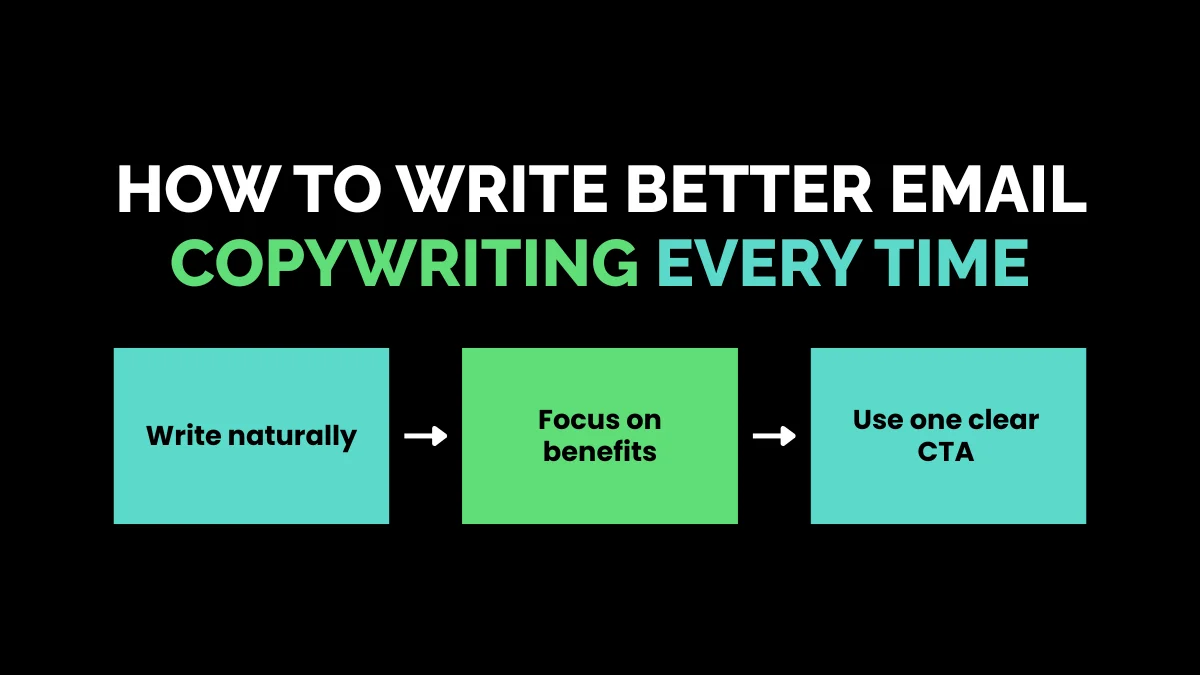
How to Write Better Email Copywriting Every Time
Great visual design helps, but solid email copywriting is what actually closes sales.
You don’t need to be a professional author to craft effective copy; you just need to keep things clear, simple, and customer-focused.
When writing your next campaign, keep these timeless copywriting tips in mind:
- Write like you speak in daily life, skip corporate jargon and overly formal phrases.
- Focus heavily on subscriber benefits rather than raw product features.
- Use short sentences and brief paragraphs to ensure easy mobile reading.
- Test different subject line examples to discover what clicks with your audience.
- Always include one clear, obvious call to action per message.
If you are ever stuck on what to write, think about what brand like Weird Wealth would say: keep it direct, honest, and focused on helping the reader succeed.
Essential Email Automation Workflows
Setting up proper email automation saves time while delivering perfectly timed messages to every subscriber automatically.
Here are three core workflows every business should set up:
Welcome Workflow:
First, a new subscriber joins your list. Next, they receive an automated welcome email. After that, they go through an educational sequence. Finally, you present them with a soft offer.
Abandoned Cart Workflow:
First, a customer leaves items in their cart without buying. Next, a reminder email goes out within one hour. After that, you send a 24-hour discount offer. Finally, you follow up with one last call to buy.
Post-Purchase Workflow:
First, a customer completes a purchase. Next, an instant thank you email is sent. After that, they receive a shipping update. Finally, you follow up with a request for a review.
Building these sequences ensures your revenue pipeline runs on autopilot 24/7.
Final Thoughts
Building a profitable email list isn’t about blasting your audience with daily sales pitches.
It is about sending the right message to the right person at the right moment.
By studying these 15 email marketing examples, testing fresh email campaign ideas, and applying solid email copywriting, you can build an automated strategy that generates consistent opens, clicks, and sales for years to come.
Frequently Asked Questions
What is the best time to send marketing emails?
The best time generally depends on your audience, but mid-week mornings around 10:00 AM usually perform best for open rates.
How often should I send marketing emails to my list?
Most businesses see great results sending 1 to 3 valuable emails per week without overwhelming their subscribers.
How do I stop my emails from going to spam folders?
Avoid spammy trigger words in subject lines, keep your subscriber list clean, and always collect permission before adding new contacts.
What is a good open rate for email marketing campaigns?
An open rate between 20% and 30% is generally considered strong across most major industries today.