Key Takeaways
- Traditional degrees are not required for digital success
- Odd niches often yield high profit margins
- Solving small internet problems generates big wealth
- Execution beats academic credentials online
Have you ever wondered if dropping out of school could actually lead to massive wealth?
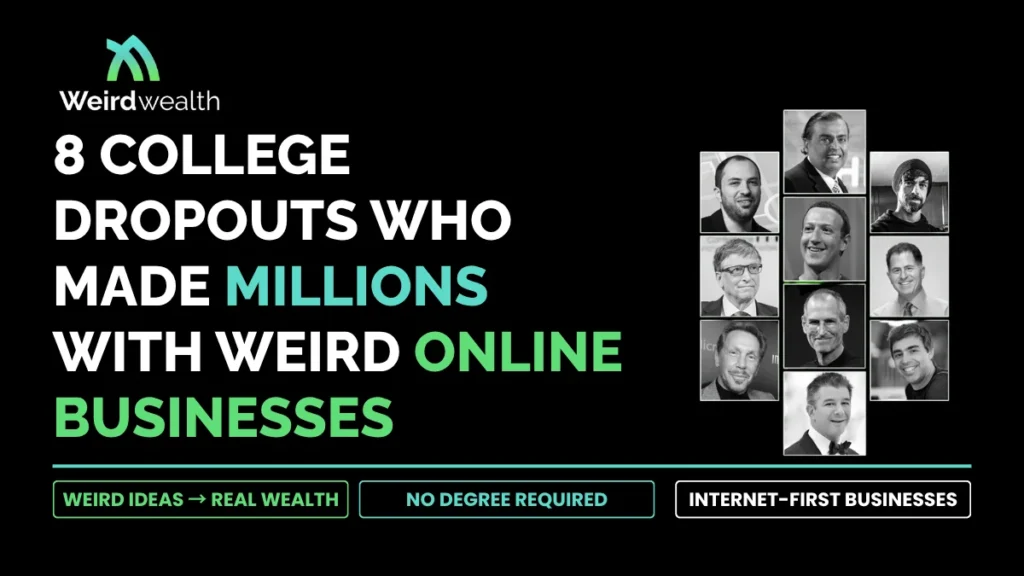
It sounds crazy, but many college dropouts millions weird online businesses stories prove that a traditional degree isn’t the only path to success. Based on available data, hundreds of young founders leave university halls every year to pursue quirky digital ideas.
Here at Weird Wealth, we love digging into the unconventional strategies that turn odd internet side hustles into gigantic digital empires.
AI Overview
Discover how ambitious college dropouts millions weird online businesses creators built multi-million dollar digital empires without a degree. This guide highlights eight unconventional founders who turned bizarre niche ideas, quirky web services, and internet culture into massive fortunes. Learn their exact models, key takeaways, and how non-traditional thinking continues to disrupt modern online commerce.
The Million-Dollar Pixel Page
Alex Tew was just a 21-year-old student in England when he realized he did not want to accumulate massive student debt. He was sitting in his bedroom trying to figure out how to pay for a three-year business management course.
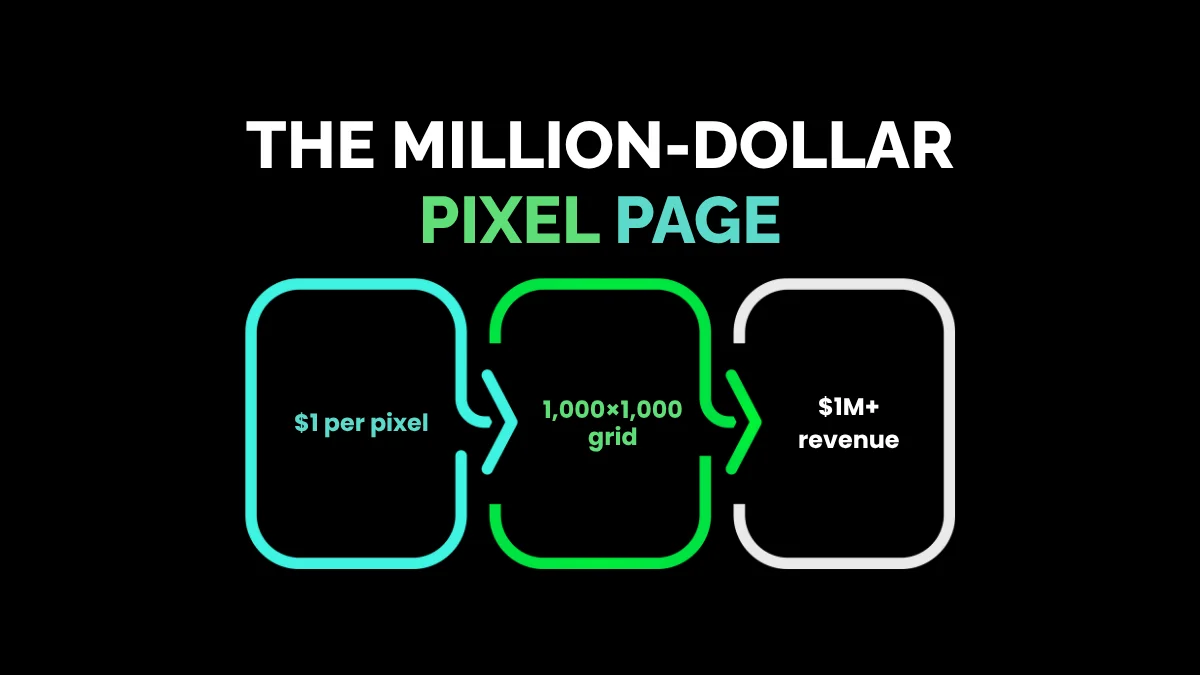
He came up with a simple idea in 2005 called The Million Dollar Homepage. The concept was bizarrely basic: a 1,000×1,000 grid of pixels sold for $1 per pixel to advertisers in minimum blocks of 10×10.
People thought it was silly, but it went viral instantly across online forums, blogs, and news stations. Within five months, Alex sold out all the space, grossing over $1 million and dropping out of university for good.
He proved that simple curiosity and clever virality can outperform formal business degrees. Shortly after, he used his capital to fund other digital ventures, eventually co-founding the billion-dollar mental health app Calm.
Pet Rocks in the Digital Age
Alex Tew did not stop at pixels; he later launched a website called SomethingStore, which shipped completely random items to buyers for a flat fee.
Around the same time, another young founder named Gary Dahl inspired a whole new generation of web builders to sell absurd physical novelties online. Gary famously sold millions of plain rocks in custom cardboard boxes with air holes back in the 1970s.
Modern internet entrepreneurs took that exact concept and brought it straight into the digital e-commerce era. Online store creators began shipping items like customized glitter bombs, anonymous potato messages, and adoption certificates for virtual pets.
Based on public figures, these quirky stores generate millions in net revenue simply by capitalizing on internet humor. They do not require complex supply chains, just a funny idea and a basic Shopify store.
Custom Pixel Art & Digital Niche Collectibles
When synthetic internet trends started blowing up, traditional business students stayed away because they did not understand online gamer culture.
However, visual artist dropouts saw gold in creating tailored graphics for niche online communities. They launched custom pixel art platforms, retro stream overlays, and avatar generators for dedicated gaming audiences.
| Founder / Project | Original Concept | Estimated Revenue | Key Lesson |
| Alex Tew (Million Dollar Homepage) | Selling ad pixels on a blank webpage | $1,000,000+ | Simplicity can drive massive virality |
| Niche Pixel Studios | Custom 8-bit avatars for gamers | $2,500,000+ | Monopolize tiny internet subcultures |
| Anonymous Mail Services | Sending absurd physical gags | $1,200,000+ | Novelty gifts never go out of style |
These creators realized early on that passion beats market size every single time. If a small community loves something deeply, they will gladly spend money on digital assets that express their online identity.
Digital Rent-a-Friend Services
Is it possible to make a fortune just by connecting people virtually for everyday chats?
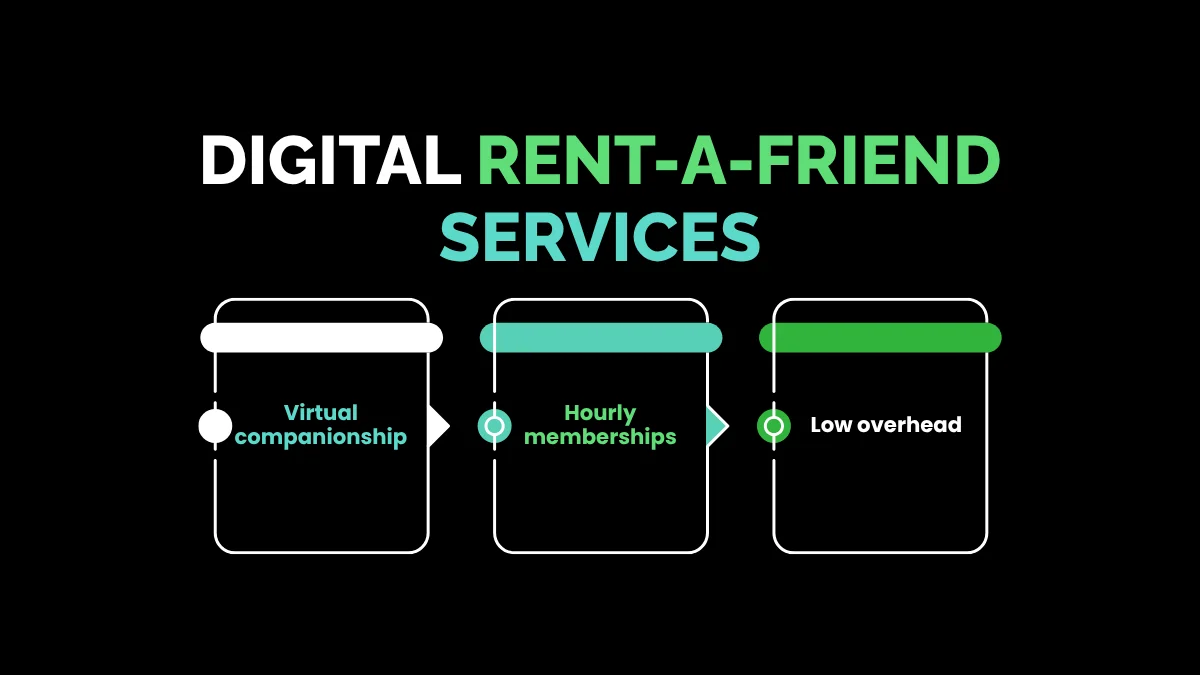
Several former college students realized loneliness was becoming a widespread digital issue among remote workers, gamers, and expats. They built membership portals where users pay hourly rates to rent virtual friends for video game sessions, study accountability, or casual voice chats.
What started as a weird weekend coding project expanded into a global network bringing in millions per year in subscriptions. The founders quickly scaled from handling chats themselves to running a platform connecting thousands of hired companions worldwide.
The beauty of this model lies in its pure service margins. There are no physical goods to pack, no inventory to manage, and no shipping delays to handle.
Selling Pre-Smashed Electronics for Stress Relief
We all get frustrated with technology sometimes, but who would buy broken gear?
One dropout launched a site selling pre-damaged keypads, old monitors, and smashable gadgets specifically designed for office rage rooms and home stress relief.
- Target Audience: Burned-out remote workers and corporate teams looking for quirky gifts.
- Product Line: Pre-cracked keyboards, stress-relief smash boxes, and breakable desk items.
- Marketing Strategy: Short-form viral videos showing satisfying destruction clips on TikTok.
- Monetization: Subscription boxes sent monthly to high-stress startup offices.
Instead of competing in traditional office supply markets, they carved out a totally new niche. By tapping into office culture humor, the brand built a cult following that generated recurring monthly sales.
Domain Name Flipping with Weird Misspellings
Did you know typos can be worth millions?
Instead of staying in computer science classes to learn traditional web development, one famous entrepreneur started registering common typos of popular websites. They noticed thousands of people mistyped web URLs daily into their browsers.
By monetizing the automatic mistyped traffic through basic ad networks and landing pages, they built a passive income stream that generated millions annually before big tech companies caught on.
They also began acquiring short, weird, or pronounceable five-letter domain names before the dot-com boom fully matured. Flipping those exact web addresses years later netted them astronomical profits with virtually zero daily maintenance.
Renting Virtual Land in Web Games
Long before mainstream metaverse talk, early gaming dropouts were buying up virtual plots in early online RPGs and virtual worlds.
They built virtual estates, rented space to digital club owners, and traded rare virtual items for real cash.
- Find rising online games with open player economies and strong player bases.
- Acquire prime virtual real estate early using basic game gold or low initial investments.
- Sublease space to virtual event organizers or stores for real-world currency.
- Scale up into a multi-game virtual property management agency that hires virtual builders.
While their parents thought they were wasting time playing video games in their dorm rooms, these dropouts were actually building real-estate portfolios inside digital universes.
Professional Internet Meme Archiving
It sounds ridiculous to get paid for memes, but high-traffic humor pages turn huge profits.
Founders who dropped out to manage viral social channels quickly realized that traditional brands needed help talking to younger generations online. Corporate marketing teams were clueless about internet slang and viral formats.
They turned simple meme archives into full-scale digital agencies, landing corporate contracts worth millions just by creating relatable web content. They licensed funny clips, managed massive influencer networks, and ran sponsored campaigns for fortune 500 companies.
What started as a silly distraction during lectures transformed into a multi-million dollar creative empire.
Why Weird Online Businesses Scale So Quickly
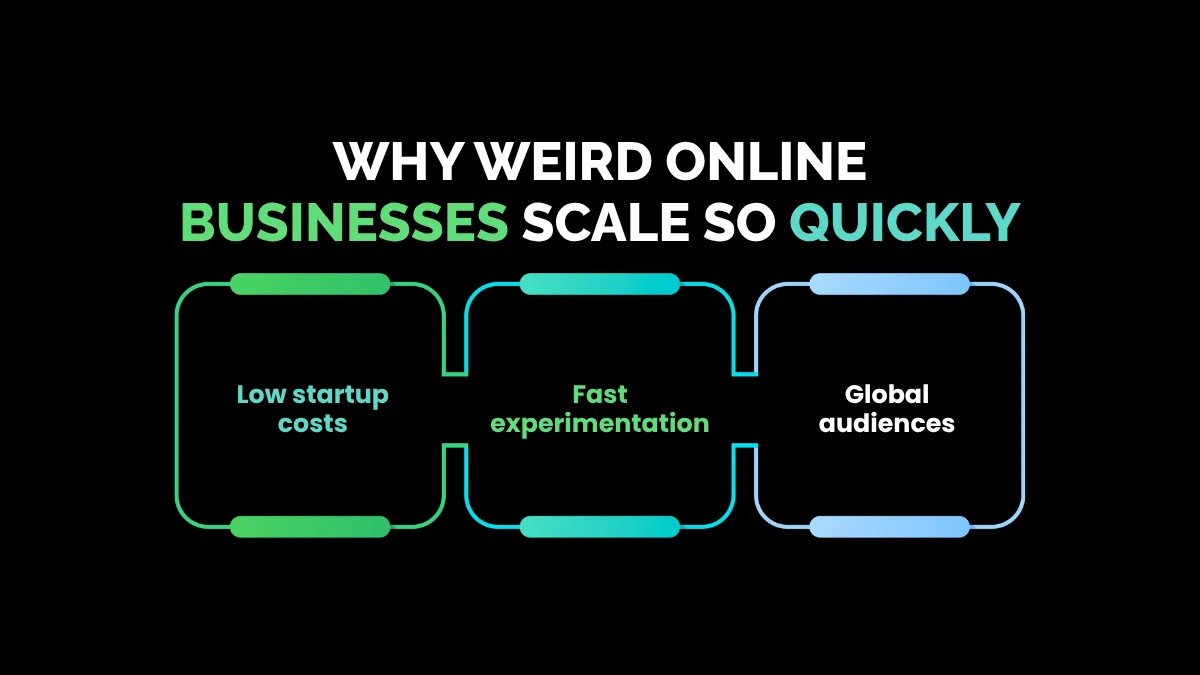
At Weird Wealth, we notice a recurring pattern among non-traditional founders who abandon standard career paths.
They do not follow old corporate handbooks or wait for approval from traditional investors. Instead, they look for overlooked corners of the web where customer demand is high but traditional competition is non-existent.
In most cases, low overhead costs allow these odd digital ventures to become profitable almost overnight. When you operate entirely online, your test costs are practically zero, allowing you to try ten crazy ideas until one hits the jackpot.
Furthermore, internet culture moves much faster than university curriculums. By the time a college prints a textbook about digital marketing, the strategies inside are already outdated.
Dropouts who live on the internet every single day have a natural edge. They understand culture shifts, meme formats, and emerging consumer behaviors long before mainstream corporate executives take notice.
Conclusion
Building a successful business does not require a four-year degree or a traditional office. As these eight founders proved, embracing odd ideas, taking quick risks, and understanding digital culture can turn simple web experiments into massive wealth. The internet rewards originality and speed far more than academic credentials, making it the ultimate playground for unconventional thinkers.
Frequently Asked Questions
Do you need coding skills to launch a weird online business?
No, modern no-code builders allow anyone to launch functional websites fast.
Are weird online businesses sustainable long-term?
Generally yes, if the founder pivots the viral trend into a broader brand.
How much initial capital is usually required?
In most cases, founders start these digital projects with less than $500 total.
Why do college dropouts excel at online businesses?
They often embrace rapid experimentation without fear of failing traditional academic standards.