

Key Takeaways
- Unconventional skills pay real money in remote game development.
- Niche gaming careers span culture, economy, lore, and sound design.
- Flexible work-from-home options exist outside coding and art.
- Real-world expertise often matters more than traditional degrees.
Ever thought about earning a living by designing virtual clothes for 3D avatars?
Or maybe testing how audio echoes off a pixelated cave wall from your bedroom studio?
If you want unconventional career paths, finding weird remote roles gaming industry studios hire for can completely change how you view work.
The video game sector has grown into a massive global powerhouse.
Because games are getting bigger and more complex, companies need very specific talent.
In this guide, we dive deep into ten strange, fascinating, and fully remote positions that pay real money.
At Weird Wealth, we love highlighting these unusual career paths because making a living does not have to mean sitting in a boring cubicle all day.
AI Overview
The gaming sector offers unexpected work-from-home opportunities beyond standard programming or concept art. Unconventional positions include virtual economy balancing, video game lore archivism, video game Foley recording, and metaverse architecture. Studios hire specialized freelancers and remote employees worldwide to enhance game realism, story consistency, and player engagement. Anyone with niche creative skills can secure weird remote roles gaming industry companies post on job boards.
What Makes Gaming Industry Jobs So Unique?
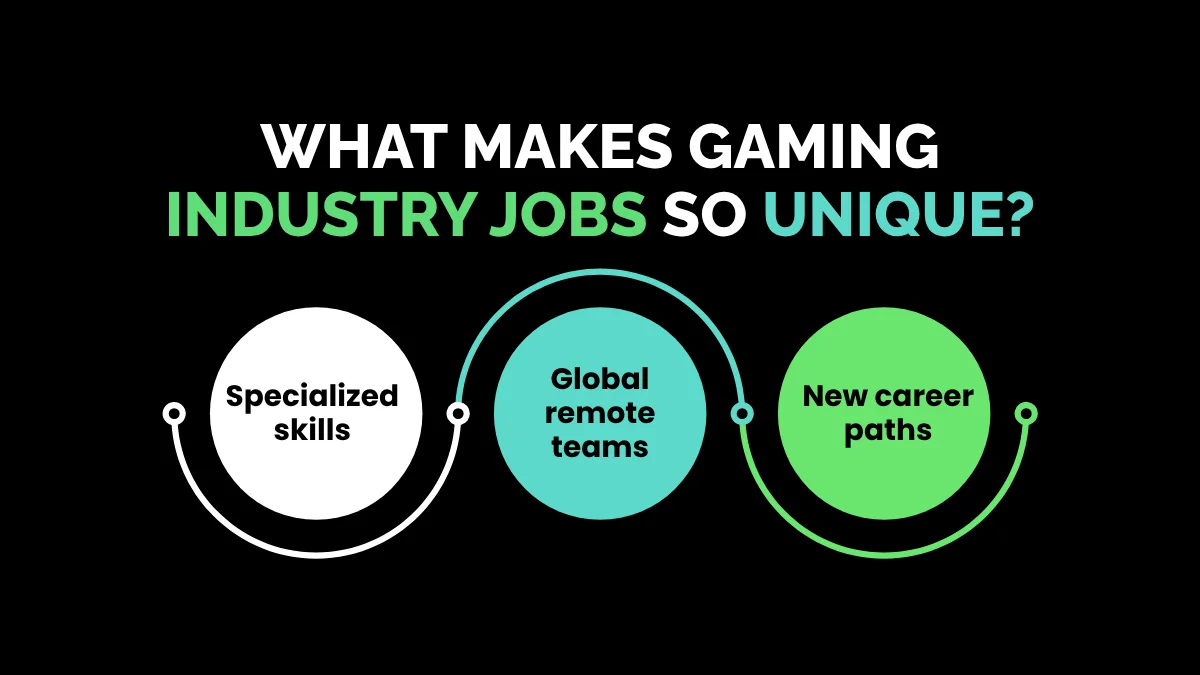
Did you know the video game world generates hundreds of billions of dollars every single year?
Because modern games are basically living, breathing digital ecosystems, studios need hyper-specialized talent to keep things running.
They do not just hire programmers and 3D animators anymore.
They need people who understand human psychology, virtual market inflation, and bizarre real-world sound creation.
Working from home in games used to be rare, but now it is standard practice across major studios and indie teams alike.
You do not need to move to California or Tokyo to build a career in this space anymore.
All you really need is a solid internet connection, a quiet workspace, and a very specific set of skills that most traditional job seekers never think to build.
Let us explore why these roles exist and how you can position yourself to land one.
Top 10 Unconventional Remote Jobs in Video Games
Let us look at the ten most interesting positions you can do straight from your couch or home office.
1. In-Game Economy Designer
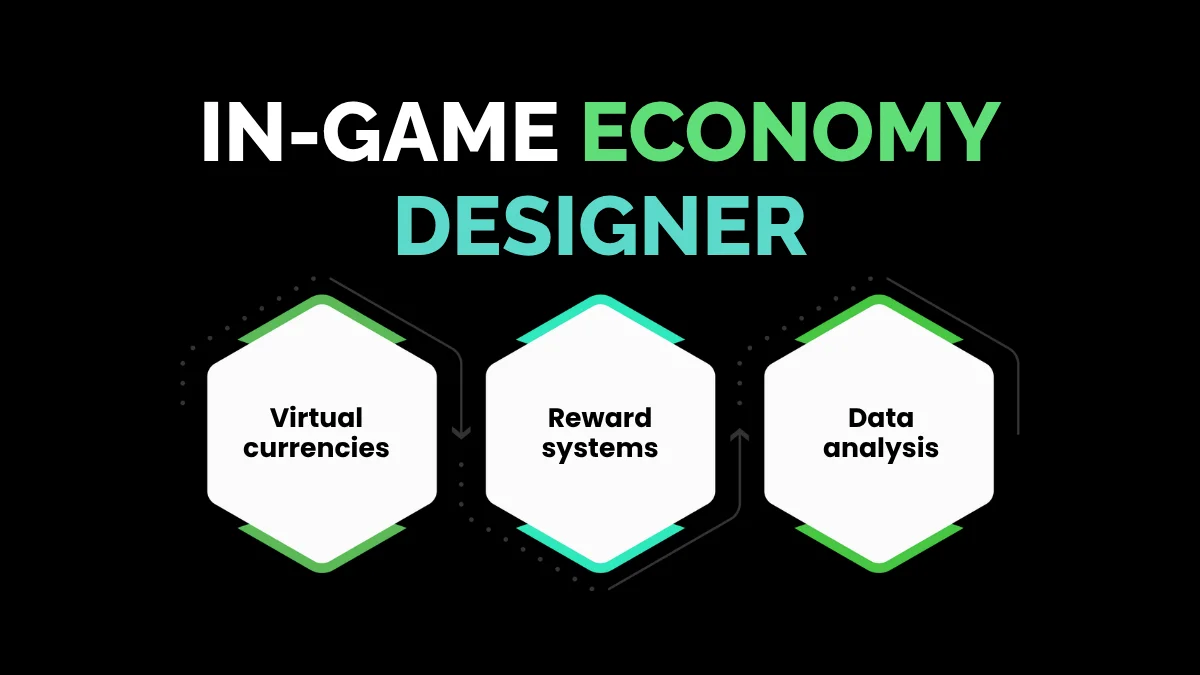
Ever wonder who sets the price for virtual swords, gold coins, or monthly battle passes in massive multiplayer games?
In-game economy designers manage virtual inflation, resource drops, and reward systems inside video games.
They use mathematical models and spreadsheet analysis to make sure players feel rewarded without ruining the game’s virtual stock market.
If a gold sword drops too frequently, the currency loses value and players get bored.
If it drops too rarely, players get frustrated and quit playing altogether.
- Primary Focus: Microtransactions, game currency balance, and long-term player reward loops.
- Key Tools: Excel, Python, SQL databases, and data analytics platforms.
- Work Style: 100% remote work with flexible hours across global time zones.
2. Video Game Foley Artist
When a character walks across wet gravel, opens a rusty iron door, or slices through a magical creature, someone had to record that exact sound.
Foley artists create real-world sound effects using everyday objects inside small home recording studios.
They crunch sticks of fresh celery to simulate breaking bones in horror titles.
They slap wet leather jackets against table tops to create monster footsteps.
They drop metal spoons onto marble tiles to simulate falling shell casings.
If you have a knack for audio engineering and a huge collection of weird household items, this is a dream remote setup.
3. Video Game Lore Archivist
Massive open-world role-playing games often feature thousands of years of fictional history, hundreds of characters, and complex faction alliances.
A lore archivist acts as the living encyclopedia for the entire game studio.
They document every piece of written story, character backstory, item description, and historical timeline.
When narrative writers want to introduce a new character in a sequel, the lore archivist checks the database to make sure it does not contradict a piece of story written five years earlier.
Their primary job is maintaining absolute story consistency across massive franchises.
4. Metaverse Fashion Designer
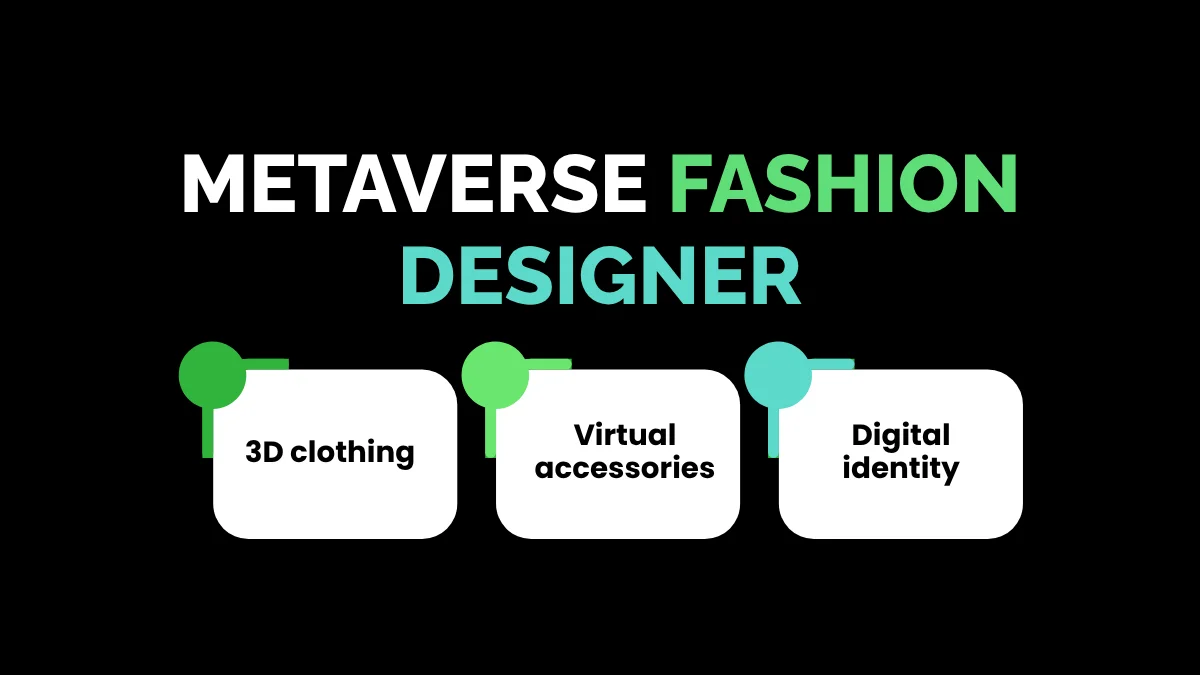
Virtual avatars need cool outfits, custom shoes, and high-fashion accessories.
Digital fashion designers create 3D clothing items sold as cosmetic upgrades inside virtual worlds and online social hubs.
Many designers operate as independent freelancers working from home, selling custom clothing skins directly to major game publishers.
They use tools like Marvelous Designer and Blender to craft cloth physics that look photorealistic when avatars move.
As digital identity becomes more important to younger generations, this niche field keeps growing rapidly.
5. Game Localization QA Specialist
Translating a video game for international markets is not just about translating words directly from one language to another.
Localization specialists play early builds of games to verify cultural references, regional humor, and text formatting options.
They make sure non-English players get an authentic, natural narrative experience without offensive oversights or strange grammatical errors on screen.
For example, a joke that works great in North America might make zero sense in Japan or Germany.
Localization specialists fix those cultural mismatches before the game launches worldwide.
High-Paying Niche Game Development Careers
| Job Title | Average Annual Salary Range | Required Skill Set | Primary Focus Area |
| In-Game Economy Designer | $75,000 – $120,000 | Data analysis, economics, math | Virtual currency balance |
| Lore Archivist | $50,000 – $85,000 | Worldbuilding, documentation | Story consistency |
| Video Game Foley Artist | $45,000 – $90,000 | Sound engineering, creative recording | Custom audio creation |
| Accessibility Consultant | $60,000 – $110,000 | UX design, disability advocacy | Inclusive gameplay systems |
| AI Prompt Engineer for Games | $70,000 – $130,000 | Natural language processing, logic | Dynamic NPC dialogues |
6. Video Game Accessibility Consultant
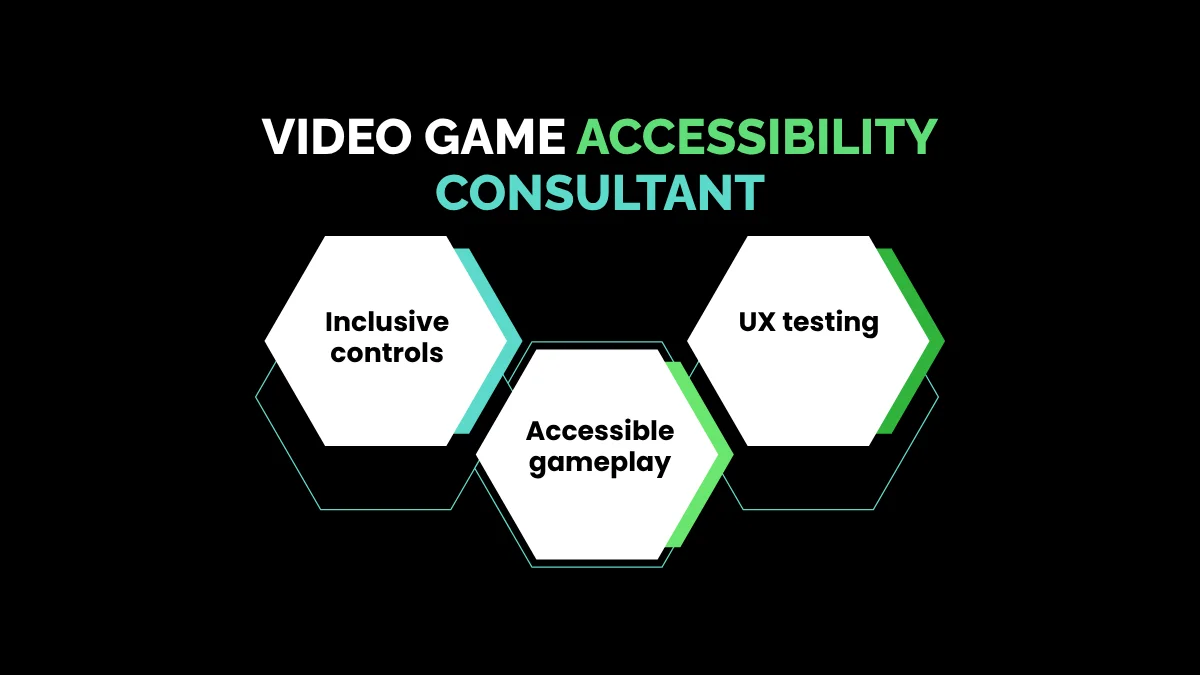
How do gamers with physical or visual impairments play fast-paced action titles?
Accessibility consultants advise game studios on remappable controller schemes, high-contrast visual modes, screen readers, and customizable subtitles.
This critical role ensures that people with varying physical abilities can enjoy games comfortably and competitively.
Consultants test early game builds, write accessibility reviews, and work directly with user experience teams.
It is a deeply rewarding career path that blends empathy, design logic, and gaming advocacy.
7. Virtual World Real Estate Agent
In massive multiplayer games and virtual platforms, digital land parcels can sell for thousands of dollars.
Virtual real estate agents help players, collectors, and corporate brands buy, sell, and rent digital properties.
They assess traffic patterns inside virtual towns, evaluate land placement, and negotiate contracts for virtual spaces.
At Weird Wealth, we keep a very close eye on digital asset markets because they represent an exciting, unconventional frontier of online income.
While it sounds strange to older generations, virtual real estate transactions generate millions in volume every single year.
8. Playtest Recruiter & Moderator
Game studios constantly need fresh groups of real people to test unreleased games and offer candid feedback.
Playtest moderators schedule testers, organize focus groups, gather survey responses, and monitor player behavior over webcam sessions.
They watch where players get stuck, note when players look frustrated, and compile reports for the level designers.
It is an ideal entry-level remote role that requires strong communication skills, organization, and patience rather than coding knowledge.
9. Esport Behavioral Coach
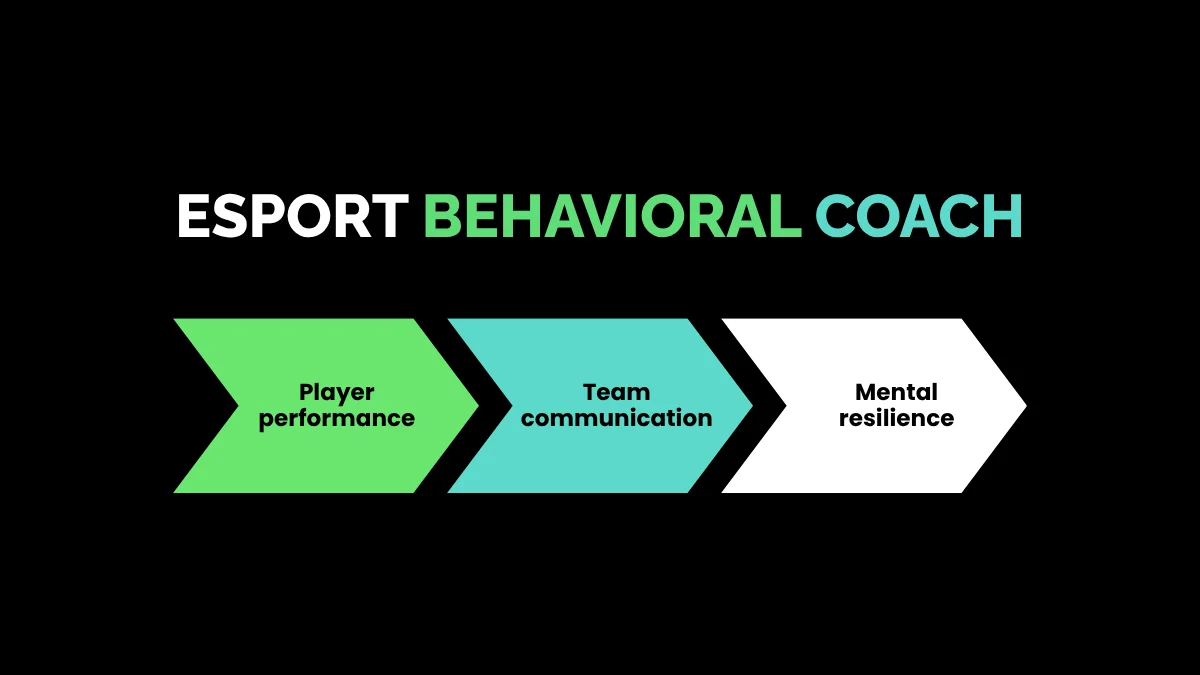
Professional competitive esports players face intense mental pressure during high-stakes tournaments.
Behavioral coaches help professional players manage performance anxiety, build team communication habits, and avoid mental burnout.
They hold regular one-on-one video calls with team members to keep team dynamics strong and focus sharp.
Many of these coaches come from backgrounds in sports psychology, counseling, or performance management.
They help young pro gamers handle long practice hours and high-pressure tournament finals.
10. AI NPC Dialogue Designer
Modern non-player characters (NPCs) are moving away from rigid, pre-written script trees.
Instead, studios are using advanced language models to let characters hold open-ended conversations with players in real time.
Dialogue designers write specific prompts, safety boundaries, and personality traits so NPCs stay in character without breaking the immersion.
They test thousands of potential player inputs to make sure the AI character responds naturally and stays true to the game’s lore.
- Primary Focus: Dynamic story generation, prompt tuning, and conversation boundaries.
- Key Tools: AI generation platforms, script writing software, branching narrative tools.
- Work Style: Fully remote freelance contracts or full-time remote studio positions.
How to Land Unconventional Remote Gaming Jobs
Getting these unique remote positions requires a slightly different approach than submitting a traditional resume to standard job boards.
Build a Niche Portfolio
The absolute best way to stand out is to show prospective employers what you can actually do before they even interview you.
If you want to be a video game Foley artist, record a 30-second video of custom sound effects layered over a silent gameplay clip.
If you want to design virtual clothes, upload high-quality 3D renders of your outfits to platforms like ArtStation or Sketchfab.
If you want to be a lore archivist, create a comprehensive sample wiki for a fictional world you created.
A tangible portfolio proves your real-world capability far better than bullet points on a resume ever could.
Network in Online Developer Communities
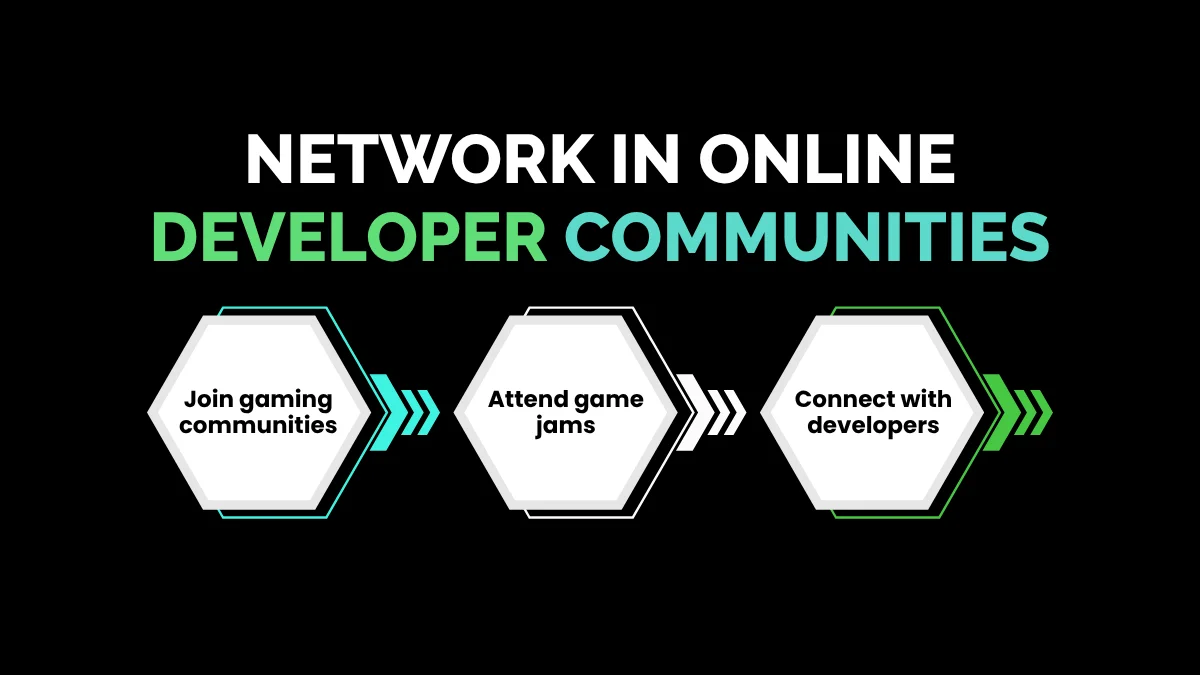
Most unconventional gaming roles are never advertised on giant, corporate job sites.
Instead, indie developers and studio leads hire people directly from niche Discord servers, specialized subreddits, and virtual game jams.
Participating in events like Ludum Dare or joining developer forums lets you meet project leads who need specialized help right away.
Building organic relationships in these communities is often the fastest way to land your first remote contract.
Conclusion
Finding weird remote roles gaming industry companies offer is one of the best ways to blend your creative passions with work-from-home flexibility. Whether you are balancing virtual gold economies or recording strange audio effects in your home studio, the opportunities in this sector are wide open. Explore your options, build a focused portfolio, and start building your own path to financial independence today.
Frequently Asked Questions
Do you need a degree for weird remote roles gaming industry studios hire for?
In most cases, studios care far more about your portfolio, practical skills, and passion for games than formal university degrees.
How do I find work-from-home gaming jobs without coding experience?
You can explore roles in sound design, lore documentation, community management, accessibility consulting, or playtest moderation that do not require programming skills.
Are remote gaming jobs stable long-term options?
Yes, estimated industry growth shows high demand for specialized skills as games expand into complex online worlds needing ongoing support.