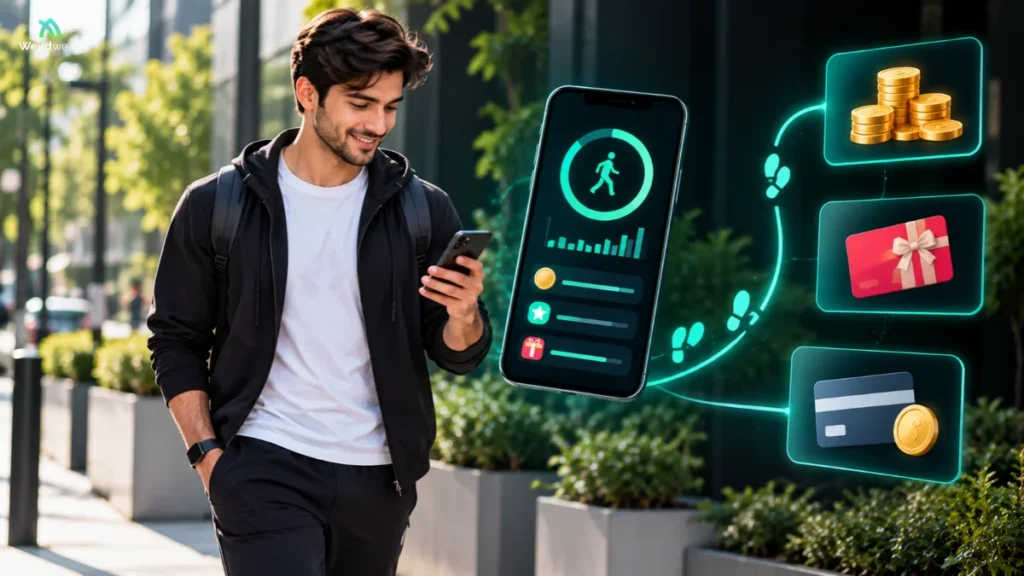
If you already walk every day, it makes sense to wonder whether those steps can earn something back. Short answer? Yeah, you can. The catch is, don’t expect a paycheck out of it. Here’s how most walking apps actually work: you rack up steps, and they pay you back in small stuff. Points. Gift cards. A discount here and there. Sometimes real cash, if you’re lucky. But none of it shows up until your steps get verified first.
Key Takeaways
- Yeah, you can genuinely get paid to walk. Just don’t expect it to be much.
- Payment usually shows up as gift cards, points, marketplace rewards, or straight cash, depends entirely on the app you’re using.
- Before you get too invested, check the payout threshold and daily step limit. Some apps cap what counts, so know that going in.
- Also worth checking the privacy policy. These apps are tracking your activity data, that’s literally how they work, so know what you’re agreeing to.
- Don’t count on this as any kind of real income replacement. It’s not a job, it’s pocket change at best.
- And when picking rewards, go with stuff that’s actually available where you live and that you’d genuinely use, not just whatever looks appealing on the screen.
What does get paid to walk actually mean?
“Get paid to walk” basically means using an app that counts your steps and rewards you once you hit certain activity goals. It usually pulls data from your phone’s built-in motion sensors, a fitness tracker you’ve connected, or a health app you’re already using, just to make sure you’re actually moving and not gaming the system.
Different apps use different reward systems. CashWalk, for example, says users earn coins from steps and can exchange them for gift cards. Sweatcoin uses its own in-app currency and also has a separate token called $SWEAT with its own rules. WeWard uses walking milestones alongside other ways to earn rewards.
How do walking apps pay you?

The basic process is pretty simple.
- Download a walking rewards app and create an account.
- Give it the permissions needed to count your activity.
- Walk normally during the day.
- Let the app verify or sync your steps.
- Collect points, coins, or another reward.
- Reach the app’s redemption threshold.
- Exchange the balance for the available reward.
For example, CashWalk currently says it awards one coin for every 100 steps, with daily limits and manual collection requirements. Sweatcoin also verifies movement rather than simply accepting every number reported by a device. Its help documentation says its system checks factors such as speed, direction, acceleration, consistency, and location.
Which apps can help you earn from walking?
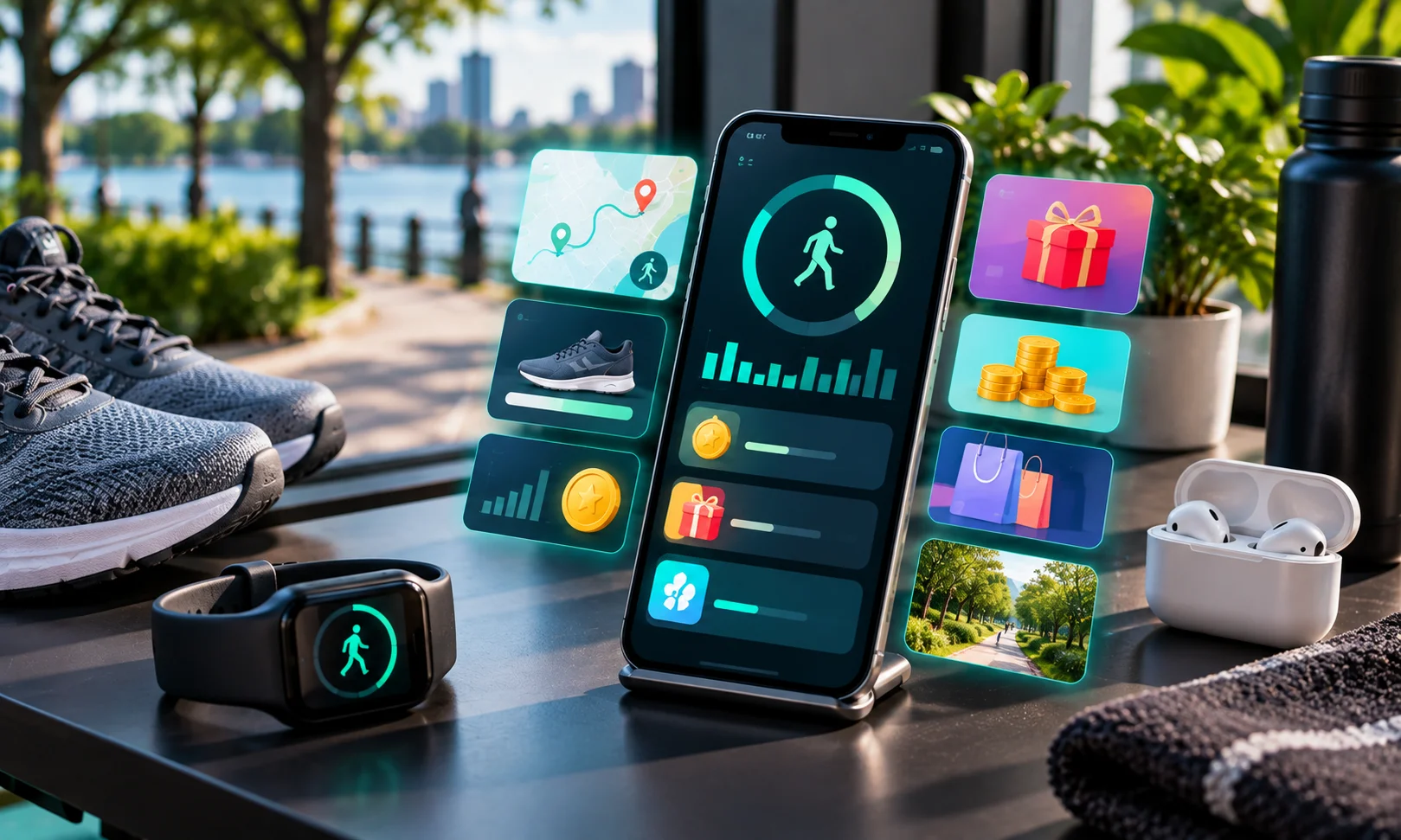
There are a few well-known names in this space, but honestly, their rewards and what’s actually available can shift around. So before you install anything, go check the app’s current listing, how payouts actually work, whether it’s even available in your country, and take a look at the privacy policy too. Don’t just trust the app store description.
CashWalk
CashWalk’s a pretty simple example of how these step-to-reward apps work. According to their official site, it tracks your steps without needing GPS turned on, and you rack up coins as you walk that you can later trade in for gift cards. Right now, they’re advertising rewards from places like Amazon and Walmart.
The important detail is the redemption system. You aren’t receiving a cash payment for each step. You’re building a balance and exchanging it when you reach the required amount.
Sweatcoin
Sweatcoin takes a slightly different route. The app converts verified movement into Sweatcoins that can be used inside its marketplace. Eligible users can also earn $SWEAT through the separate Sweat Wallet system.
The company says Free users can earn $SWEAT from validated steps between 3,000 and 10,000 per day, while Premium users have a higher daily range. That makes the fine print worth reading before you treat the balance as cash.
WeWard and similar apps
WeWard is another well-known name in the walking rewards space. Its current terms say users can receive Wards for verified movement and other activities, while available rewards can include vouchers, discounts, cash prizes, goods, or services.
Apps like this often throw in surveys, shopping tasks, games, or partner offers on top of the walking stuff, just to give you more ways to earn. Makes things feel a bit more interesting, sure, but it also means that big headline promise you saw might be hiding a way more complicated earning setup underneath. Worth actually checking how much of the reward is coming from the walking part itself, and how much is coming from everything else stacked on top.
How much money can you make by walking?
Okay, time for a little reality check here. There’s no magic number I can give you, because it really just depends on the app, your country, whatever promotions are running, how much activity you’re capped at, your redemption options, and whether you’re bothering with the extra tasks or not. Recent comparisons from 2026 basically all say the same thing: this is pocket money territory, not something you’re building a real income around.
That difference matters. If an app gives you a gift card after several weeks, it can still be useful. But calling that a reliable income stream would stretch the claim too far.
What should you check before choosing a walking app?
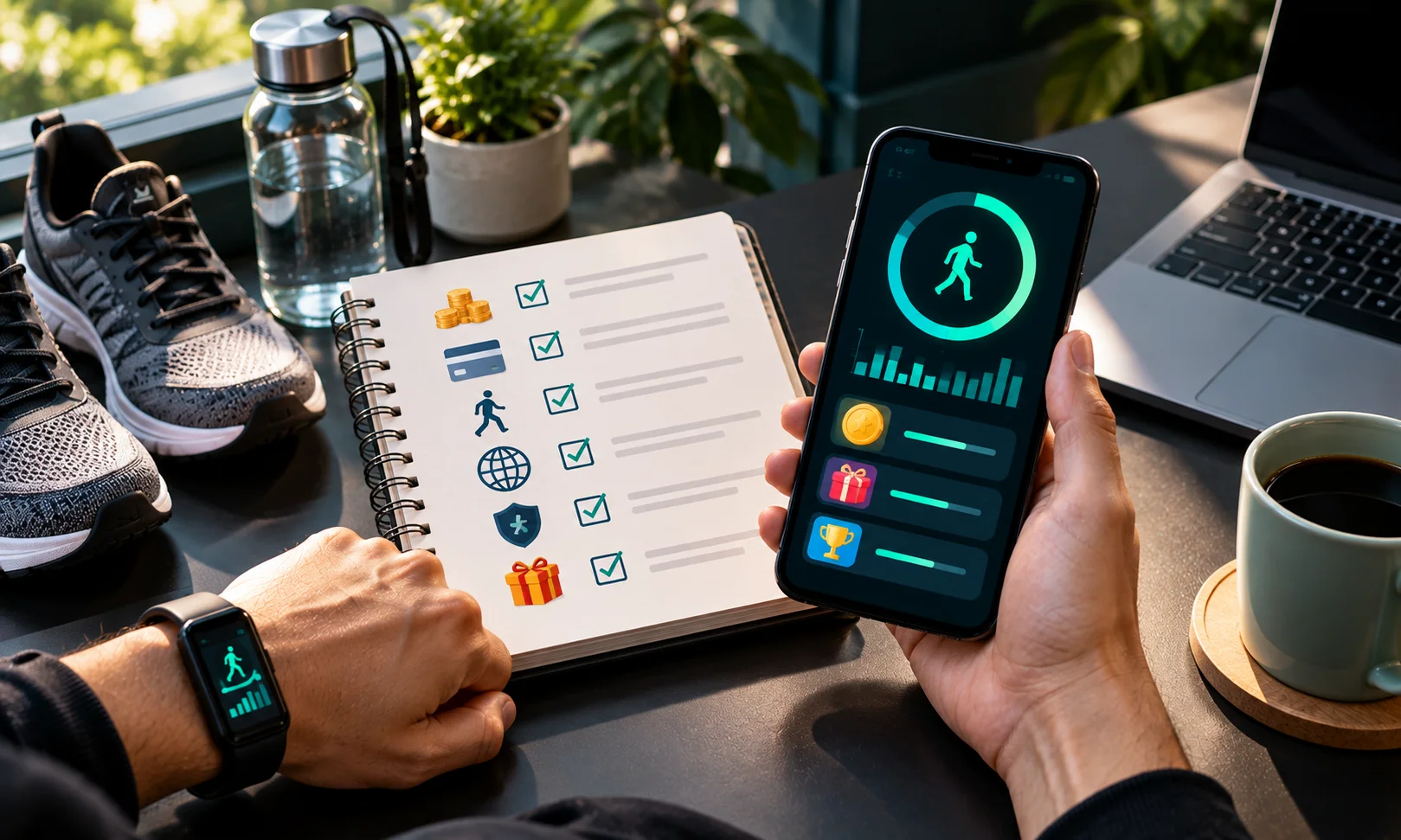
A little digging upfront saves you a lot of headache later.
How do they actually pay you?
Cash, PayPal, bank transfer, crypto, gift cards, whatever. Some apps make it sound like real money when really it’s just store credit you can’t do much with.
How much do you need before you can cash out?
Check the actual number of points or coins required. Sounds like a nice reward until you realize you’d need to walk for six months straight to hit it.
Is there a daily cap?
Some apps only count steps up to a certain point each day. So no, walking double doesn’t always mean earning double.
Does it even work where you live?
Some apps offer totally different rewards depending on your country, or don’t work there at all. Worth checking before you waste weeks building up a balance for nothing.
What are they doing with your data?
Actually read what info they’re collecting and why. Your step data says a lot about your daily routine, so don’t just tap “accept” without thinking about it.
Are the bonus tasks actually worth it?
Surveys, watching ads, that kind of thing can bump your rewards a bit, but it eats your time too. Worth asking yourself if the payout’s even worth the hassle.
Can you earn more from the same steps?
Sometimes, yeah, but don’t turn this into some obsessive numbers game. If two solid apps are tracking the same activity independently, some people just run both and collect rewards from each. Fair point. Just remember, compatibility, battery drain, app permissions, the actual rules- all of that varies a lot from one app to the next, more than you’d think.
Real talk though, the smart move is just picking apps whose rules you actually get and whose rewards you’d genuinely use anyway, not just points for the sake of points. Because the second you start chasing every reward out there, your easy little walking habit turns into unpaid admin work, basically a part-time job tracking spreadsheets. And that kind of defeats the whole point of doing this in the first place.
Are walking reward apps safe and legitimate?
Some are legitimate, but the category is mixed, so basic caution is sensible. Avoid apps that promise unusually large guaranteed earnings from ordinary walking. Watch out for apps that ask for way more personal info than they actually need, or that get vague and dodgy about how payouts actually work, or want money upfront for no real reason.
And don’t just trust some social media post or a friend’s referral link; go check the actual app store listing and the developer’s real website. Look for clear terms, support info that’s actually current, and a redemption process that makes sense without a manual.
Here’s the bigger takeaway for anyone using WeirdWealth to dig into side income ideas: small rewards can still be totally real, they just won’t make you rich. A legitimate app should be judged by what you can actually redeem at the end of the day, not by some flashy headline promising you’ll be swimming in cash.
What are the main benefits and drawbacks?
| Potential benefit | What it means |
|---|---|
| Extra rewards | You can turn routine activity into small bonuses |
| Motivation | Rewards may encourage you to keep a walking routine |
| Low effort | Many apps work while you follow your normal day |
| Flexible use | You can walk at home, outside, wherever, even while you’re just running errands. |
The downsides matter just as much here, honestly. The payout’s usually small, cashing out can come with annoying restrictions, and a lot of these apps lean hard on ads or extra tasks to squeeze more out of you. There’s a privacy side to it too, since the whole thing runs on tracking your activity data in the first place, that’s literally how it works.
So before you sign up for anything, actually compare the real reward, how much you need before you can withdraw, how much time it’ll actually eat up, and what the privacy terms say, not just whatever catchy headline got you to click in the first place.
Source Note
Here’s the honest version of what this guide actually does: it separates what these apps claim from what you can realistically expect, using current 2026 info that’s actually been checked against the real product documentation and Google’s own guidance. Reward rates, payout options, which countries even get access, app rules, all of this shifts over time, so it’s on you to double check the actual details before signing up for anything.
And for what it’s worth, Google’s own advice here is pretty simple too: write for people first, cite where your info actually comes from, add something genuinely useful, and be upfront about who’s writing it, instead of just cranking out pages designed to game the rankings.
FAQs
Can you really get paid to walk?
Yep, some apps actually do pay you for walking, once they’ve verified it’s real. You might get points, gift cards, marketplace credit, or something close to cash. Don’t expect much though, we’re talking modest amounts here, and what you actually get depends on which app you’re using and where you live.
What is the easiest way to get paid for walking?
Honestly, the easiest move for most people is to just grab one of those well-known, solid step-reward apps, one that actually works in your country and doesn’t make you jump through a ton of hoops to use it. Before you get too excited about it though, go check the redemption rules first. That way you actually know what you’re earning, instead of just guessing and hoping it adds up to something.
Do walking apps pay real money?
Some actually do, but plenty of others mostly just give you gift cards or in-app rewards instead. Don’t just assume an app pays real cash simply because the marketing throws around the phrase “earn money from walking.” Check that part yourself before you get your hopes up.
How many steps do I need to earn rewards?
There is no universal step requirement. Each service sets its own earning range, daily limit, and redemption threshold. Some also reward activity only after your steps are verified.
Are get paid to walk apps worth it?
They can be worth trying if you already walk and view the reward as a small bonus. They are less attractive if you expect substantial income or have to spend significant time completing extra tasks.
Can I use more than one walking app?
Sometimes, yes. If each service allows it and your phone or tracker supports the required permissions, multiple apps may track the same activity. Check their terms and watch your battery and privacy settings.
Disclaimer
Heads up, walking rewards aren’t a guaranteed paycheck; they’re pretty hit or miss, honestly. App features, how much you actually get paid, who qualifies, how they handle your privacy, and even whether the app’s available where you live- all of that can change depending on your country and just shifts over time in general. So before you actually start using any of these apps, go check the current terms and info straight from the source. Worth the five minutes.