
Teen entrepreneur success stories are about young people who started real businesses before they finished school. They didn’t wait for a perfect plan. They saw a small problem and tried to fix it.
At WeirdWealth we went through news reports and interviews to see what really happened. Here are ten young founders and how they actually got started. See what you can borrow from each story.
Key Takeaways
- Most young founders start with a problem they face themselves
- Parents or mentors helped in almost every story
- Big deals came after years of small sales
- Some money numbers are only reported and not confirmed
- You can start small with a skill or a simple product
What Are Teen Entrepreneur Success Stories?
They show teens who start and grow a business while still young. Most are between 13 and 19 but some began even earlier.
These stories matter because they show how early business life builds money skills. It’s not about luck. It’s mostly about trying again and again.
How Do Teens Turn Small Ideas Into Businesses?
Most of them follow the same simple path:
- Spot a small problem in daily life
- Make a basic first version
- Ask friends and online groups what they think
- Fix it and sell a little more
- Put the profit back into the business
Digital tools help a lot here. A teen can open an online shop or build an app with very little money. That’s why teen entrepreneur success stories feel more common today.
10 Teen Entrepreneur Success Stories
1. Mikaila Ulmer and Me & the Bees Lemonade

Two bee stings at age four made Mikaila scared of bees. Her parents asked her to read about them instead and she ended up loving them.
Mikaila took her great grandmother’s old lemonade recipe and added some honey to it. Then she just started selling it herself.
In 2015 she went on Shark Tank and walked away with a $60000 deal from Daymond John. Not bad for a kid with a lemonade stand. Business Insider later reported her drinks were in about 1500 stores.
2. Moziah Bridges and Mo’s Bows
Moziah couldn’t find bow ties he liked. At nine he learned sewing from his grandmother and used her fabric scraps. Forbes reported about $30000 in sales by August 2013.
On Shark Tank he said no to a $50000 offer that came with a royalty on every bow. Daymond John offered to mentor him instead. He later made bow ties for the 2015 NBA draft.
3. Ben Pasternak and Simulate
Ben was born in Sydney and made viral iPhone games like Impossible Rush while still at school. Investors noticed him and he moved to New York at 15.
Later he cofounded Simulate which makes plant based nuggets under the NUGGS brand. The company has raised millions in venture money.
4. Alina Morse and Zolli Candy
Alina was seven when a bank teller offered her a lollipop and her dad said no because of her teeth. She asked why candy couldn’t be good for teeth. In 2019 she became the youngest CEO on the Inc 5000 list. ABC30 reported her company grew 696% in three years.
5. Nick D’Aloisio and Summly
Nick was just 12 when he sat down and started teaching himself how to code. At 15 he built an app that shrinks long news stories into short summaries. It became Summly.
Yahoo bought it in March 2013 when he was 17. Reuters said the price wasn’t shared but AllThingsD reported about $30 million so treat that number as reported only.
6. Isabel and Caroline Bercaw and Da Bomb
Two sisters started making bath bombs as a weekend craft. They hid a small surprise inside each one and that made them stand out.
It started at craft fairs and grew into stores across the country. Sales numbers for this one aren’t clearly confirmed so we won’t guess.
7. Bella Tipping and Kidzkorner
Bella was 12 and tired of travel reviews that ignored kids. So Bella made her own website where kids could rate hotels and restaurants and theme parks.
Most travel sites only listened to parents so she filled that gap herself. Sometimes the person who sees the problem first is just the one who actually lives it. Sometimes your age is the advantage.
8. Cory Nieves and Mr. Cory’s Cookies
Cory started selling hot cocoa and cookies in New Jersey at age six. Cory was six when he set up a small stand in New Jersey and sold hot cocoa and cookies. All he wanted was to help his mom buy a car.
Folks loved the cookies though. So he kept going and today it’s a real brand known for using good ingredients. The quality is what kept people coming back.
9. Abbey Fleck and Makin’ Bacon
Abbey was just eight when she got annoyed with microwave bacon. It always ended up sitting in its own grease and she didn’t like that at all. So she came up with a simple tool that lets the fat drip down while the bacon cooks.
The idea was licensed and sold through TV and stores. Proof that a boring kitchen problem can turn into a real product.
10. Shubham Banerjee and Braigo
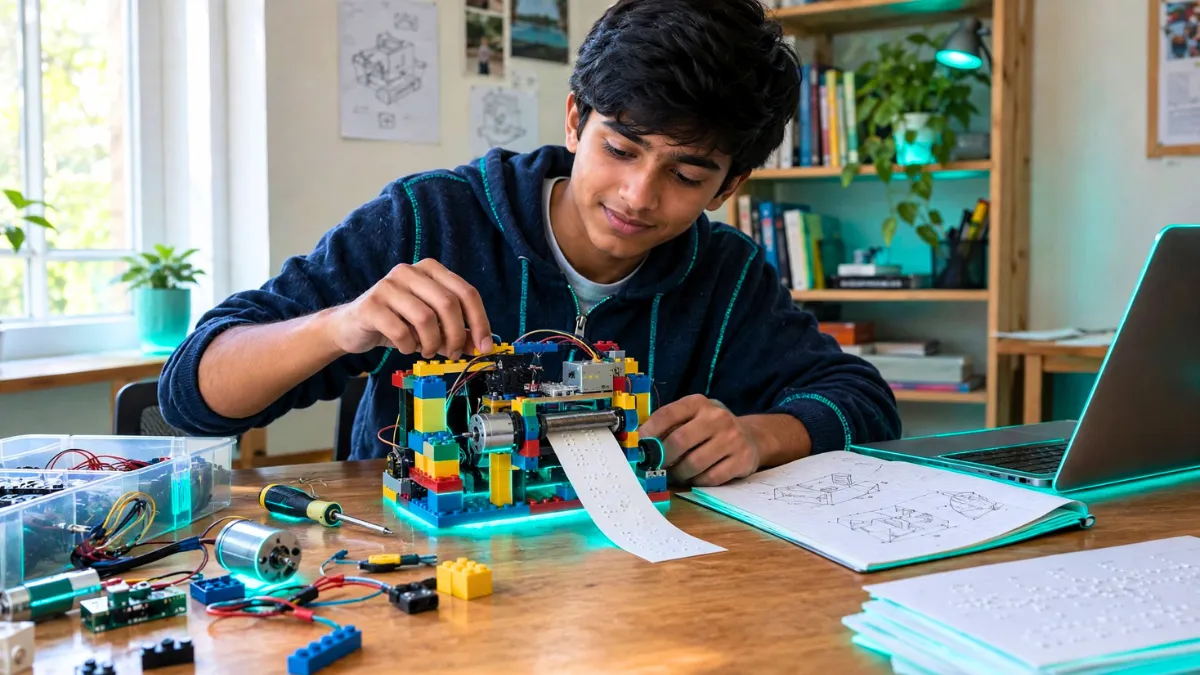
Shubham was only 12 when he found out that Braille printers cost thousands of dollars. That felt wrong to him because so many blind students couldn’t afford one. So he grabbed a Lego Mindstorms kit and built a cheaper printer himself.
His project got funding from Intel Capital. His goal was to help blind students who couldn’t afford the old machines.
What Do These Young Founders Have in Common?
- They solved a problem they really felt
- They started small and learned as they went
- Adults helped with money and legal work
- They kept going when things got boring
At WeirdWealth, we love these stories most. Many profitable side hustles start with a simple idea and grow into real income when someone takes the first step.
What Challenges Do Young Founders Face?
- School and business both need time so planning matters
- In many places under 18s can’t sign contracts or open bank accounts alone
- Some suppliers and partners don’t take teens seriously at first
Most founders beat this by showing results. Work speaks louder than age.
How Can You Start Today?
- Pick a problem you already deal with
- Sell to ten people before spending real money
- Ask a parent or trusted adult for help with the legal side
- Keep a small notebook or a phone note and jot down every rupee or dollar you earn or spend. It looks boring but it shows you what is really working
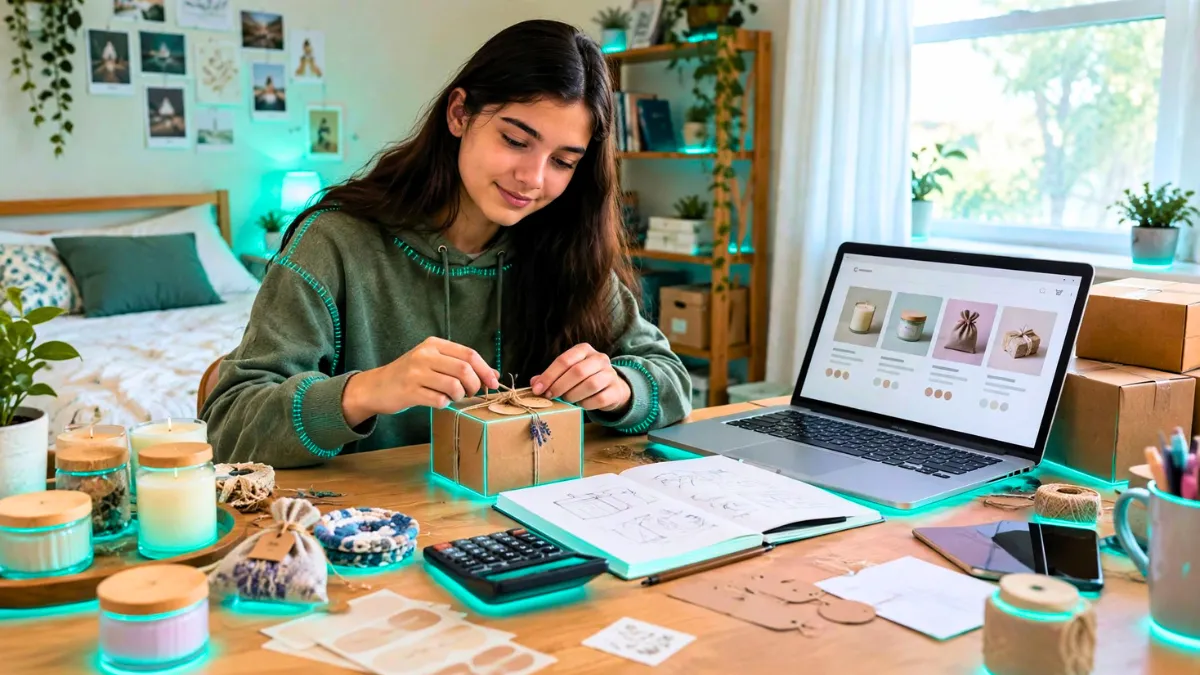
Not sure what to sell yet? Start with something you already know. Handmade stuff like bracelets or candles works fine. You can also try tutoring a younger kid or doing simple logos for friends. Even a small app is okay if you can code a little.
FAQs
How old do you need to be to start a business?
There’s usually no minimum age for selling small things. If you are under 18 you will most likely need a parent to sign things for you. That includes contracts and opening a bank account. Every country has its own rules so just check yours first.
What are good business ideas for teens?
Handmade products and tutoring and design work and reselling are all good places to begin. Simple apps work too if you can code.
How do teens balance school and business?
Make a daily schedule and keep your goals small. Nick D’Aloisio studied for his A levels while working with Yahoo according to City A.M.
Do you need venture funding to start?
No. Most of these founders began with savings or family help. Ben Pasternak and Shubham Banerjee are the exceptions who raised outside money.
Do all young businesses stay successful?
No. We mostly hear about the winners because they got press. Many small teen businesses close quietly and that’s normal.
Written by the WeirdWealth editorial team.
Disclaimer: This article is just for general learning. Business numbers change all the time and every country has its own rules. So before you start anything real please check the latest info and your local laws first.