Questions to Ask Before Switching Banks: Changing banks can feel like a small job until you remember how many things are connected to your account. Your salary comes in there. Bills go out from it. Subscriptions and transfers may also depend on those same account details.
So before moving your money it helps to slow down and ask a few useful questions. A bank may offer a better savings rate or fewer fees but that doesn’t automatically make it the right choice. You also need to think about access to your money and the services you actually use.
At WeirdWealth we believe choosing a bank should be about more than a welcome bonus. These ten questions can help you compare your options and avoid problems during the move.
Key Takeaways
- Check monthly fees and account requirements before switching.
- Compare interest rates and read the conditions behind advertised APYs.
- Make sure ATM access and mobile banking fit your routine.
- Confirm FDIC insurance and understand which bank holds your deposits.
- Review overdraft rules and transfer limits.
- Move automatic payments before closing your old account.
- Keep the old account open until all important transactions have moved successfully.
1. Will the New Bank Charge Monthly Account Fees?
Questions to Ask Before Switching Banks: Start with the fees. A bank account may look attractive at first but a monthly maintenance charge can slowly eat into your balance.
Some banks waive this fee if you keep a minimum balance or receive regular direct deposits. Others offer accounts with no monthly maintenance fee at all. Check the exact conditions before opening an account.
Also look beyond the monthly charge. Ask about:
- ATM withdrawal fees
- Overdraft and returned payment fees
- Wire transfer charges
- Foreign transaction fees
- Paper statement or replacement card fees
The Consumer Financial Protection Bureau explains that banks must disclose account fees and the conditions for avoiding them. Read the account fee schedule instead of relying only on the bank’s advertising.
2. Does the New Bank Offer a Better Interest Rate?
If you keep savings in your bank account then the interest rate matters. A higher annual percentage yield or APY can help your money earn more over time.
Questions to Ask Before Switching Banks: But don’t choose an account based on one attractive rate alone. Some banks offer a higher rate only when you meet certain conditions. You may need to maintain a minimum balance or receive qualifying deposits.
Ask whether the advertised APY applies to your full balance. Check whether the rate is introductory or variable. A variable rate can change over time.
You can also compare a checking account with a separate high yield savings account. Your everyday spending money and long term savings don’t always need to sit in the same place.
3. Can You Access ATMs and Branches Easily?
A bank can have a great app and still be inconvenient when you need cash. Think about how often you withdraw money and where you normally use an ATM.
If you travel often then a large fee free ATM network may be useful. If you prefer speaking to someone in person then nearby branches could matter more.
Ask the bank these questions:
- How many ATMs can I use without a fee?
- Does the bank reimburse fees charged by other ATM operators?
- Are branches available near my home or workplace?
- Can I deposit cash easily?
- What happens if I need help outside normal business hours?
An online bank may work perfectly well if you rarely visit branches. But if you regularly deposit cash then check the process before switching.
4. How Good Is the Mobile Banking App?
Most people check their money through a phone now. So the mobile banking app deserves more attention than a quick look at its design.
Questions to Ask Before Switching Banks: A useful app should make everyday tasks simple. You should be able to check balances and review transactions without searching through several menus.
Look for features such as:
- Instant transaction notifications
- Mobile check deposits
- Card locking and unlocking
- Easy bank transfers
- Bill payment options
- Biometric login and security alerts
Read recent app reviews too. Don’t focus only on the overall rating. Look for repeated complaints about login problems or delayed transfers.
5. Does the Bank Offer Early Direct Deposit?
If you receive your salary through direct deposit, then payment timing may matter to you. Some banks advertise early direct deposit and may make eligible payroll funds available before the scheduled payday.
However early access isn’t a guaranteed extra paycheck. It depends on when the bank receives the payment information from your employer or payroll provider.
Ask how the feature works and whether you need to meet any conditions. Check whether it applies to every qualifying deposit or only certain payment types.
You can explore our guide to banks with early direct deposit if getting paid sooner is one of your main reasons for changing banks.
6. Is Your Money Protected by FDIC Insurance?
This question should never be skipped. Before opening an account check whether the bank is insured by the Federal Deposit Insurance Corporation or FDIC.
For eligible deposits the standard FDIC insurance limit is $250,000 per depositor per insured bank for each account ownership category. This protection applies if an insured bank fails.
Remember that a banking app or financial technology company isn’t automatically a bank. Some apps provide services through partner banks. Find out which bank actually holds your deposits and how pass through insurance works if it applies.
You can verify coverage through the FDIC deposit insurance guide. Don’t assume that every product offered inside a financial app has the same protection.
7. What Are the Bank’s Overdraft Rules?
An overdraft happens when a payment is larger than the available money in your account and the bank covers it. Depending on the account terms this can lead to a fee.
Some banks offer linked savings transfers or other ways to cover a shortfall. These services may also have charges so ask for the full details.
For one time debit card purchases and ATM withdrawals a bank generally cannot charge an overdraft fee unless you have opted in to that coverage. Different rules can apply to checks and recurring electronic payments.
Before switching ask:
- Can I decline debit card overdraft coverage?
- Is there a fee for linking savings?
- Are returned payments charged separately?
- Can I receive low balance alerts?
The CFPB has a helpful guide to understanding overdraft options. Read it before choosing an account that relies on overdraft protection.
8. Can You Easily Transfer Money to Other Banks?
Your new bank should make it easy to move money when you need it. Check how transfers work before opening the account.
Ask whether external bank transfers are free and how long they usually take. Also check the limits for daily and monthly transfers. Some banks offer faster transfer options but charge an additional fee.
If you regularly send money to family or move funds between savings and checking accounts then these details matter. A bank that makes transfers difficult can become frustrating even if its other features look good.
WeirdWealth also explains how to transfer money between banks if you want to understand the available methods and possible delays.
9. Will Switching Banks Affect Your Automatic Payments?
This is one of the easiest details to overlook. Your rent or utility bills may be connected to your old account. The same could be true for subscriptions and loan payments.
Before closing anything make a list of every automatic deposit and withdrawal. Include your salary and government benefits as well as recurring bills.
Then update the payment details with each company. Don’t assume that moving your balance automatically moves your payment instructions.
The CFPB recommends opening the new account first and keeping enough money in the old account to cover pending payments. Wait until deposits and withdrawals are working correctly before closing the old account.
10. Is Customer Support Actually Helpful?
A bank may look perfect until something goes wrong. Your card could stop working or a transfer may be delayed. That’s when customer support becomes important.
Check how you can contact the bank. Does it offer phone support or only chat? Are support agents available at weekends? Can you visit a branch if an issue needs extra attention?
Look at recent customer reviews but read them carefully. One bad review doesn’t prove that a bank is unreliable. Repeated complaints about unresolved fraud cases or inaccessible accounts deserve more attention.
A good bank should make it clear how to report a problem and what happens next.
What Should You Do Before Closing Your Old Bank Account?
Questions to Ask Before Switching Banks: Once you’ve chosen a new bank don’t rush to close the old account. A careful switch can prevent missed payments and unnecessary fees.
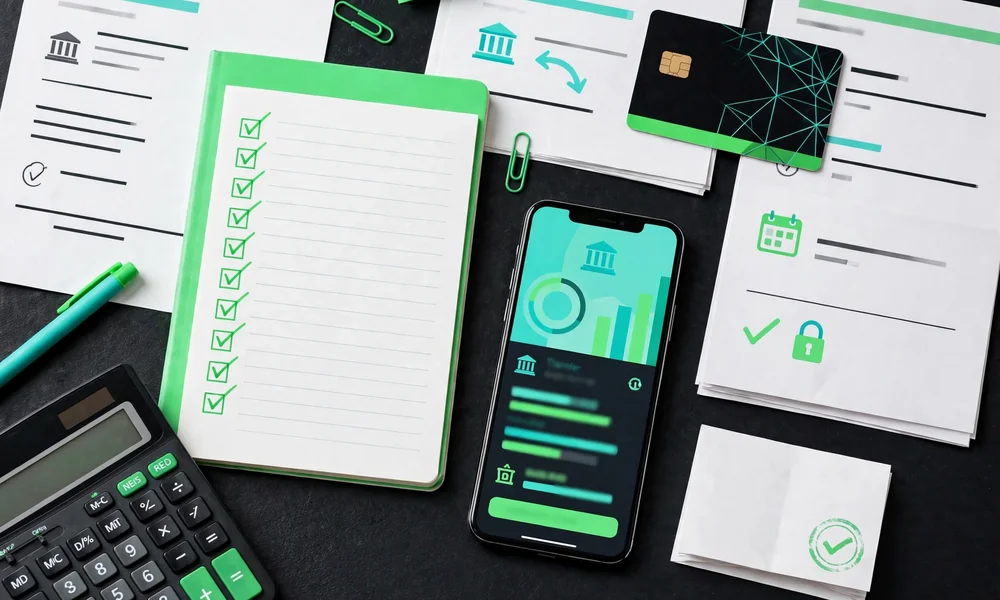
Use this simple checklist:
- Open and activate your new account.
- Update your salary and other direct deposits.
- Change automatic bill payments and subscriptions.
- Check pending checks and scheduled withdrawals.
- Keep enough money in the old account for outstanding payments.
- Confirm that deposits and payments work from the new account.
- Transfer the remaining balance.
- Request confirmation when the old account is closed.
Questions to Ask Before Switching Banks: The CFPB also recommends checking for early account closure fees. Some banks may charge one if you close an account soon after opening it.
Frequently Asked Questions
When is the best time to switch banks?
A quiet period with fewer upcoming bills can make the process easier. Avoid switching right before rent or loan payments are due unless you have enough money in both accounts to cover them.
Can I switch banks without changing my direct deposit?
You usually need to give your employer or payment provider the new account details. Your old direct deposit instructions won’t automatically move to the new bank.
Should I close my old bank account immediately?
No. Wait until your salary and automatic payments are successfully moving through the new account. Keep enough money in the old account to cover pending transactions.
Does switching banks affect your credit score?
Opening a regular checking or savings account generally doesn’t affect your credit score. However some banks may use other screening services to review your banking history. A credit application for an overdraft line or another loan can involve a credit check.
Are online banks safe to use?
Online banks can be safe when they use strong security measures and hold eligible deposits at an FDIC insured bank. Check the actual banking institution and its insurance status before depositing money.
Final Thoughts
Switching banks can be a smart move when your current account no longer fits your needs. Maybe the fees are too high or the app is difficult to use. You might simply want better savings options or easier access to your money.
Just don’t base your decision on a sign-up bonus alone. Ask these ten questions and read the account terms before moving your money. A little preparation now can save you from payment problems and surprise charges later.
At WeirdWealth our goal is to make everyday money decisions easier to understand. Choose a bank that fits your routine, not one that makes you change your routine to fit its rules.
Disclaimer: This article is for general educational purposes only and is not financial advice. Bank fees and account terms can change. Always review the latest disclosures and confirm deposit insurance directly with the relevant bank or the FDIC before opening an account.