Key Takeaways
- Focus on consistent on-chain activity over one-off transactions
- Capitalize on Layer-2 ecosystems to minimize gas fees
- Utilize testnets to qualify for major drops with zero initial capital
- Implement smart multi-wallet strategies to maximize distribution sizes
Imagine opening your digital wallet on a random Tuesday morning to find an extra $1,200 sitting inside. You didn’t buy it, you didn’t win a lottery, and you definitely didn’t mine it on a massive computer rig. It was dropped directly to you simply because you tried out a new piece of blockchain software a few weeks prior.
This isn’t a pipe dream; it is the exact reality of the Web3 economy. Learning the specific airdrop strategies free tokens protocols use to reward early users has become one of the fastest ways to build capital from scratch.
The dynamic has completely changed over the last couple of years. Gone are the days when clicking a simple signup link would land you a fat stack of coins.
Today, decentralized networks use advanced distribution frameworks to find and reward real, consistent users. If you know how to navigate these systems safely, you can routinely pick up distributions worth four figures.
At Weirdwealth, we love pulling back the curtain on these hidden digital income loops. Let’s break down twelve proven frameworks that actual users have successfully deployed to land major windfalls.
AI Overview
Want to master airdrop strategies free tokens systems look for? Modern blockchain distributions have moved away from random giveaways toward rewarding genuine protocol usage. This guide breaks down 12 advanced, non-technical tactics including strategic cross-chain bridging, testnet interaction, and prediction market volume building. Learn how to optimize your on-chain footprint safely from home to maximize your allocation size today.
The Modern Evolutionary Shift in Token Distributions
The entire concept of decentralized rewards has undergone a massive structural shift. Historically, projects distributed tokens to anyone who followed their social accounts. This led to massive networks of automated bot accounts draining pools, leaving real participants with pennies.
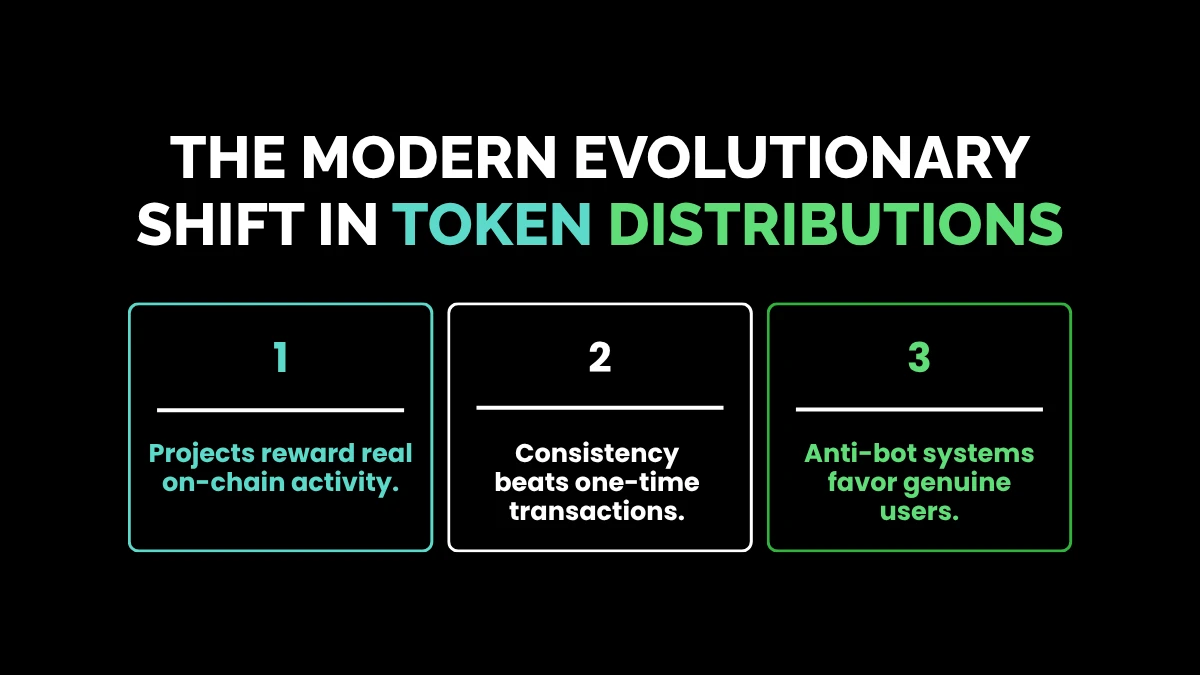
In the current Web3 landscape, development teams use advanced anti-sybil filters to identify and eliminate automated behavior. They actively prioritize wallet metrics like transaction history, continuous weekly engagement, and protocol interaction depth.
By behaving like an authentic explorer rather than a robotic farmer, you naturally position yourself at the front of the allocation line.
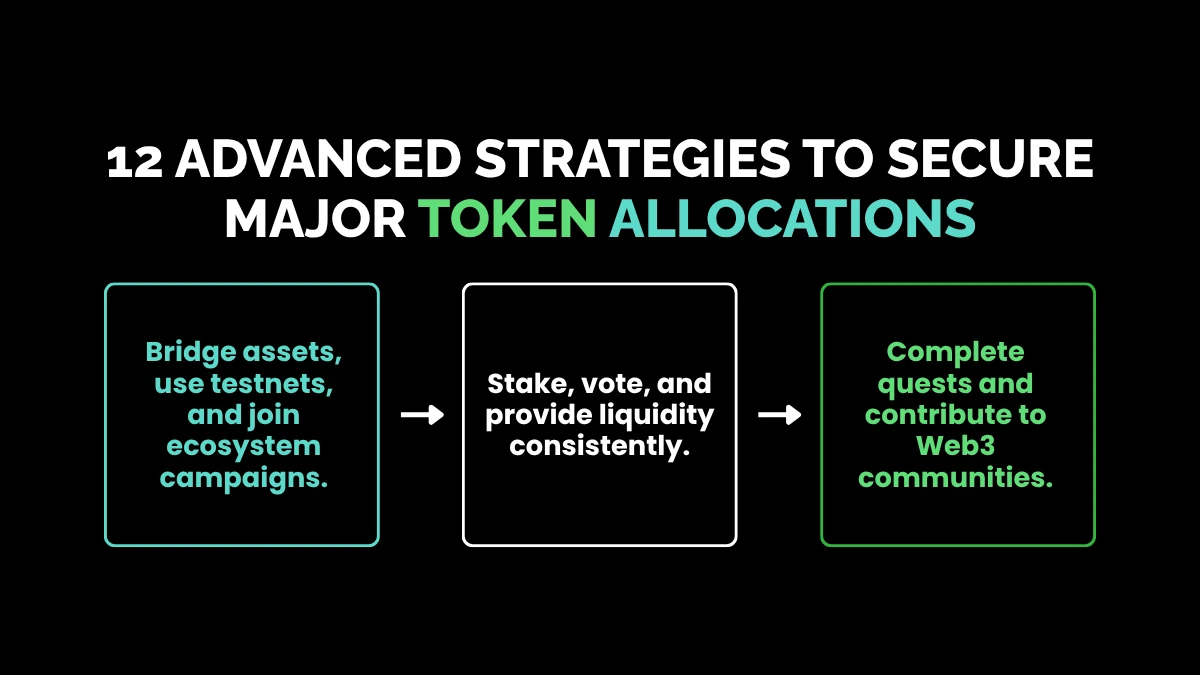
12 Advanced Strategies to Secure Major Token Allocations
1. High-Volume Cross-Chain Bridging
Connecting separate blockchain networks is one of the most critical infrastructure needs in DeFi. Protocols like LayerZero and seasonal bridging apps reward users who frequently move assets across different chains.
Instead of moving large lump sums once, successful hunters spread their transfers across multiple weeks. Moving stablecoins between cost-effective networks like Base, Arbitrum, or Optimism establishes an organic transaction footprint. This pattern signals to data scrapers that your wallet belongs to an active, real-world decentralized participant.
2. Multi-Season Point Optimization
The vast majority of modern token rollouts utilize a multi-season leaderboard approach. Platforms award non-transferable points for basic tasks, which eventually convert into tradeable crypto during a token generation event.
To break past the $1,000 mark, you cannot give up after the first phase ends. Projects routinely structure their largest distributions for users who stick around for consecutive seasons. Keeping a tiny amount of active capital inside a platform’s vault across multiple months is a primary qualification criteria.
3. Active Prediction Market Engagement
Decentralized prediction platforms have grown into absolute giants within the Web3 ecosystem. Platforms like Polymarket allow users to trade shares on real-world outcomes ranging from macroeconomics to pop culture.
Building regular volume on these prediction markets is a primary target for future allocation hunters. Because these platforms have clear product-market fit and massive institutional backing, their subsequent distributions carry massive value potential. Trading small amounts on highly stable outcomes allows you to generate massive volume history with minimal risk.
4. Continuous Zero-Cost Testnet Tracking
If you have absolutely zero initial capital to deploy, testnet tracking is your ultimate entry point. Before a new blockchain goes live to the public, developers launch a playground network using fake, zero-value test tokens.
By grabbing free tokens from an official faucet, you can test out early decentralized apps entirely for free. Chains like Berachain have heavily rewarded users who spent time executing test swaps and deploying mock liquidity. It costs nothing but your time and can yield massive real-world rewards upon official mainnet launch.
5. Automated Vault Liquidity Provisioning
Decentralized exchanges require deep pools of capital to allow smooth trading. Rather than standard token swapping, you can lock small assets into automated liquidity vaults.
| Campaign Track | Estimated Capital Required | Expected Time Horizon | Primary Risk Level |
| Testnet Faucets | $0 (Completely Free) | 2 – 6 Months | Very Low |
| L2 Ecosystems | $10 – $50 (Gas Fees) | 1 – 3 Months | Low |
| DeFi Liquidity | $100+ (Asset Lock) | 3 – 12 Months | Medium |
By providing liquidity to newer, backed platforms like Katana or Ambient, you fulfill an essential economic need. Protocols track the duration your assets stay locked, giving outsized token allocations to users who help stabilize their market depth.
6. Derivative Platform Trading Volume
Decentralized perpetual and derivatives trading exchanges are currently printing massive volume metrics. Platforms like Hyperliquid or Aster heavily incentivize early trading activity through structured rewards programs.
You don’t need to be a professional day trader to qualify here. Opening and instantly closing small, hedged positions allows you to rack up thousands of dollars in recorded trading volume while spending pennies on fees. Protocols weight their allocations heavily toward volume tiers, making this a direct path to higher payouts.
7. Governance Voting and Token Staking
When you hold specific native assets of major Layer-2 networks or governance protocols, do not let them sit idle. Staking those assets and actively voting on community proposals is an instant authority signal.
New projects launching on top of those networks frequently take “snapshots” of active voters to distribute their own tokens. By participating in governance, you essentially turn your existing crypto assets into a passive magnet for brand-new ecosystem tokens.
8. Web3 Smart Wallet Feature Exploration
The interface where you hold your crypto is itself a goldmine for future drops. Leading non-custodial software platforms like MetaMask or Bitget Wallet frequently introduce built-in cross-chain swaps and portfolio tools.
By executing your regular crypto swaps directly inside your wallet’s built-in feature tab rather than navigating to third-party sites, you build an internal user score. Wallet drops are incredibly rare, but when they do happen, their massive user bases ensure the distribution values are historic.
9. Privacy Infrastructure Node Running
Decentralized networks rely on global computers to keep their data secure and private. Privacy-centric protocols like the Nillion Network require users to assist in decentralized computation tasks.
Many projects offer simplified, non-technical desktop apps that allow you to contribute a small fraction of your idle internet bandwidth to the network. Running these lightweight test nodes requires zero coding knowledge and places you in the absolute highest tier of early ecosystem contributors.
10. AI-Driven Knowledge Platform Quests
The intersection of Artificial Intelligence and blockchain infrastructure has created a brand-new niche for data gathering. Platforms like Kaito AI reward users for helping organize, tag, and verify web data streams.
By participating in weekly modules, completing community verification quests, and holding early reputation badges, you help train decentralized models. These platforms routinely distribute native tokens to reward users for their cognitive input, providing a high-yield track that avoids standard capital requirements.
11. Ecosystem Voyage Campaigns
When a new blockchain ecosystem goes live, the foundation behind it will often sponsor an official “Voyage” or “Odyssey” campaign. These are structured, multi-week tracking events designed to introduce users to every app on their network.
Completing these official checklists yields custom cryptographic badges or points. Because these campaigns are directly managed by the core foundation, holding the completed proof-of-participation stamps is generally an absolute guarantee for the ultimate token rollout.
12. Local Community and Content Bounties
If you have a knack for writing, translation, or graphic design, you can bypass on-chain mechanics entirely. Young projects frequently run bounty campaigns where they reward users for building localized resources.
Translating a technical announcement into a different language, creating an educational video, or organizing local community meetups can earn you direct grants of project tokens. This strategy allows you to build a substantial Web3 portfolio while earning direct ownership stakes in developing networks.
The Golden Rules of Secure Asset Hunting
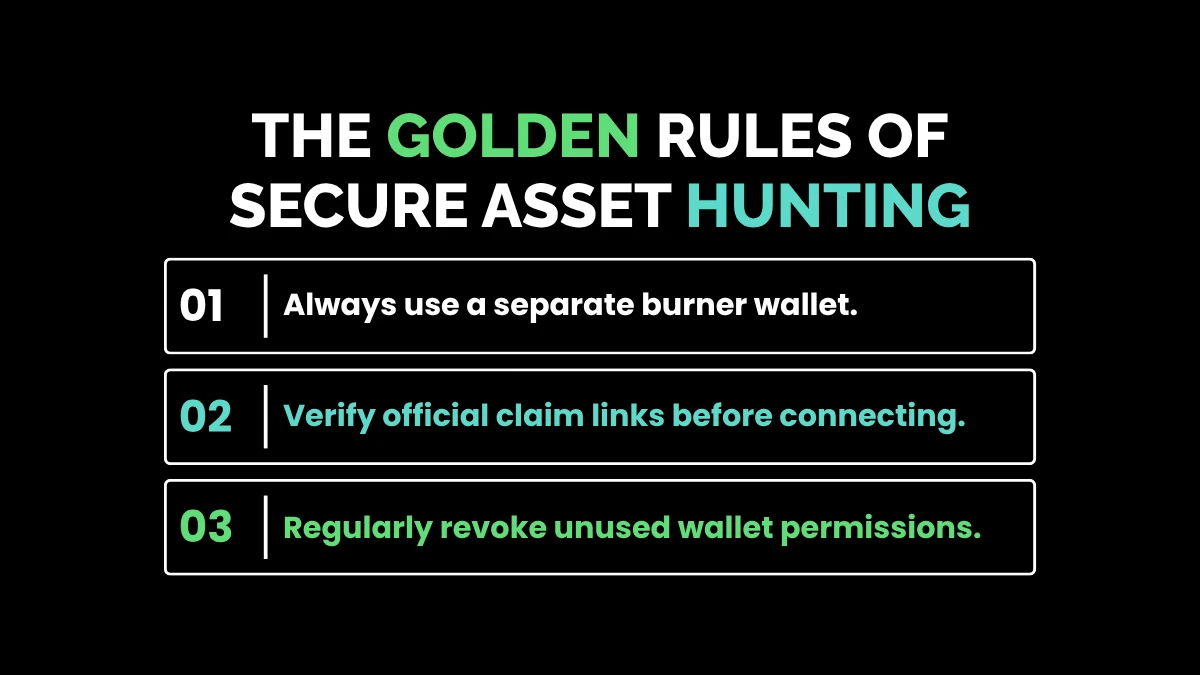
While hunting for digital rewards is incredibly lucrative, it is also a primary target area for global malicious actors. Protecting your existing digital capital must always take absolute precedence over chasing a potential payday.
Essential Security Protocols
- Always Deploy Burner Wallets: Never connect your primary savings or long-term investment wallet to new or unverified decentralized apps. Use a clean, separate wallet exclusively for experimental campaigns.
- Meticulously Verify Claim Portals: Scammers routinely create identical copies of official website claim pages. Always cross-verify links across official project documentation, verified social channels, and core Discord announcements.
- Audit Active Token Approvals: When interacting with new platforms, review the permissions you sign. Periodically use revocation tools to cancel unlimited token spending allowances you may have granted to older platforms.
A Note on Regulatory Compliance: Depending on your geographical location, digital asset distributions may be subject to local income tax rules based on their fair market value at the time of receipt. Based on available data, treating these windfalls with the same organizational care as traditional freelance income is highly recommended.
Maximizing Strategic Allocation Returns
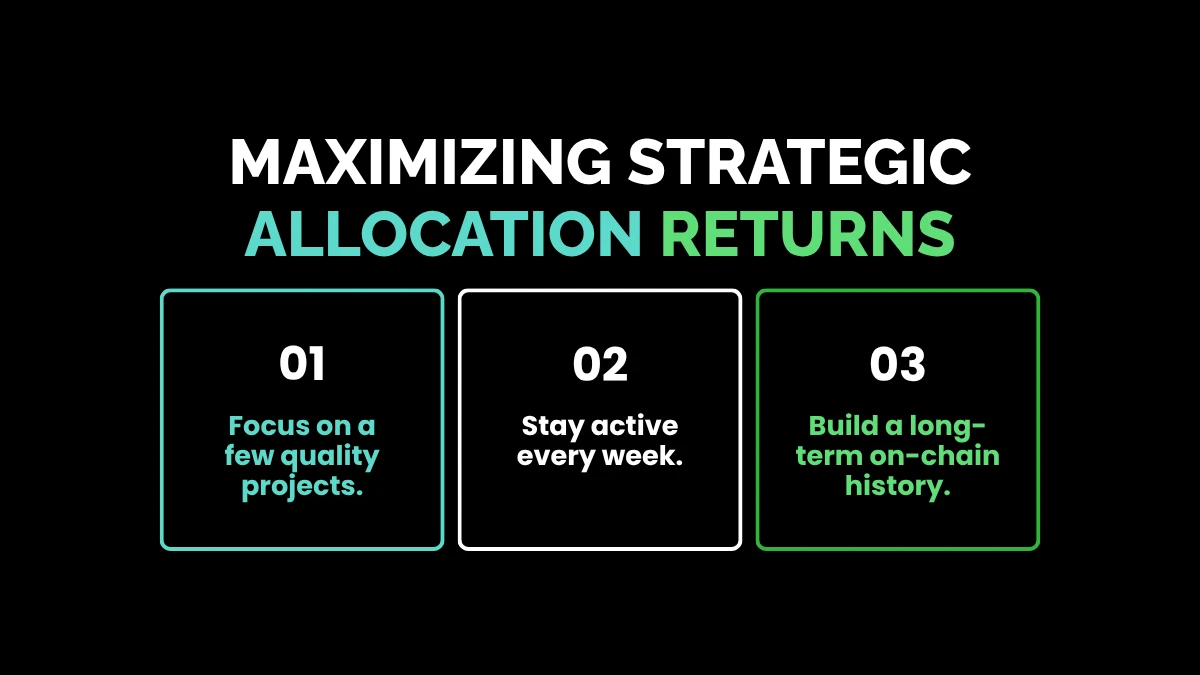
To reliably hit the $1,000 threshold across your Web3 campaigns, consistency must beat random interactions. The top earners treat their digital exploration exactly like a methodical part-time business.
Establish a Weekly Routine
Instead of interacting with fifty different protocols in a single afternoon and never returning, focus heavily on a select group of five to seven highly backed projects. Spend twenty minutes every week executing a simple swap, checking your leaderboard points, or casting a governance vote.
At Weirdwealth, we always remind our community that a sustained, multi-month on-chain history is the absolute secret weapon that triggers maximum multiplier bonuses.
Summary of Drop Strategies and Capital Profiles
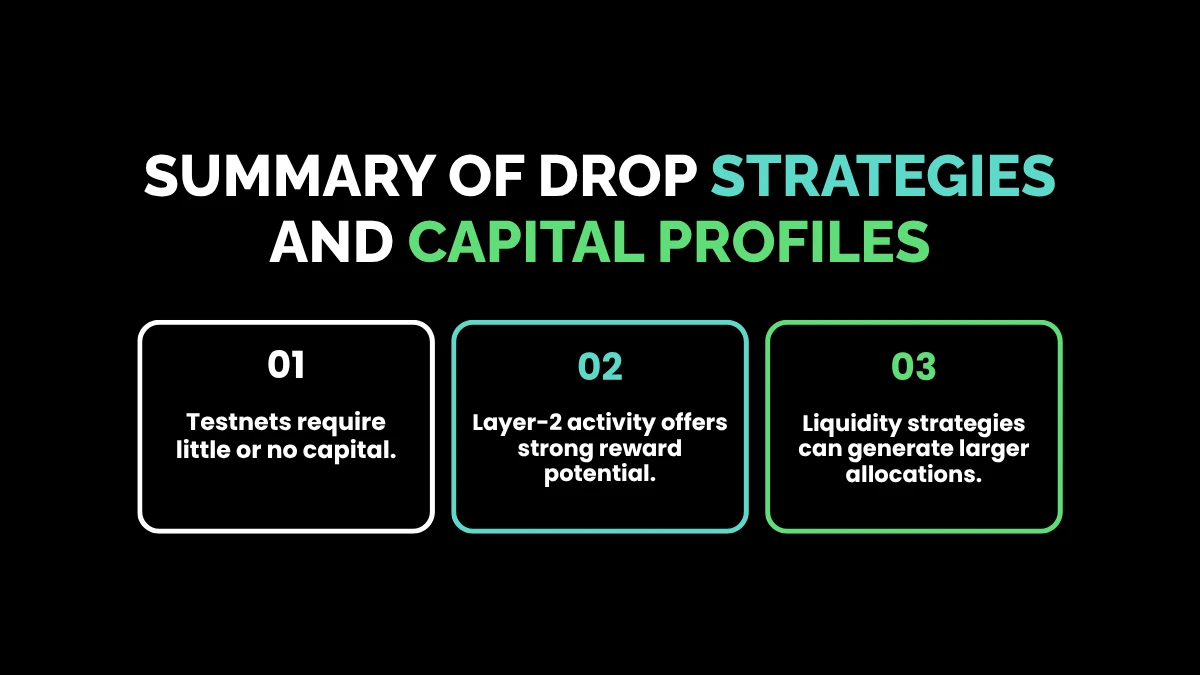
To help you plan your deployment strategy based on your current financial setup, let’s take a look at how these different tactical avenues compare regarding capital needs and general distribution size potential.
| Tactical Approach | Upfront Capital Needed | Technical Difficulty | Expected Yield Potential |
| Testnet Faucets | Non-Existent ($0) | Medium | Moderate ($200 – $800) |
| L2 Volume Generation | Low ($10 – $50) | Low | High ($500 – $2,000) |
| Liquidity Provisioning | Medium ($100+) | Medium | Very High ($1,500+) |
| Ecosystem Voyages | Low ($5 – $20) | Low | High ($400 – $1,200) |
Conclusion
The decentralized web continues to offer unparalleled wealth-generation loops for individuals willing to learn its operational layout. By mastering the exact airdrop strategies free tokens protocols use to evaluate human activity, you can systematically unlock highly valuable funding streams right from your home computer.
Whether you choose to optimize your cross-chain footprint, run lightweight privacy nodes, or provide liquidity to emerging trading vaults, your active participation has massive economic value to development teams.
Choose a strategy that fits your current capital profile, maintain meticulous wallet security habits, and start building your alternative Web3 capital base today. Visit Weird Wealth for more!
Frequently Asked Questions
Why do Web3 companies give out free tokens worth thousands of dollars?
It is a highly strategic marketing and decentralization mechanism. To operate as a decentralized network, a project needs its tokens distributed across thousands of independent global users rather than concentrated in a few hands. Giving tokens to early, active participants instantly bootstraps an active user base, rewards loyalty, generates massive organic social media buzz, and establishes a fair market structure for their platform.
How long does it typically take to see actual cash from an airdrop campaign?
The timeline varies completely depending on the project’s development stage. In most cases, a platform will run its points campaign or testnet tracking phase for anywhere from three to nine months before hosting an official token generation event. It requires significant patience; you are building up an analytical footprint over time, and the financial reward arrives as a lump sum once the core network architecture fully matures.
Can I participate in these strategy frameworks using only my mobile phone?
Generally, yes. The vast majority of modern Web3 smart wallets feature built-in Web3 browsers that allow you to seamlessly connect to decentralized apps, execute swaps, and track points leaderboards directly from your smartphone. However, for more complex infrastructure tasks like running test nodes or tracking intricate multi-chain data spreadsheets, using a desktop computer or laptop will provide a much smoother user experience.
What happens if I get flagged as a “Sybil” or bot account?
If a project’s anti-fraud algorithm flags your wallet address as a bot, you will be completely disqualified from receiving their token distribution. This usually happens if you copy the exact same transaction patterns across dozens of separate wallets at the exact same minute. To avoid this, focus on maintaining one or two high-quality, deeply integrated wallets that exhibit natural, varied human behavior across different times and applications.
How do I accurately track which upcoming distributions are legitimate?
The safest method is to cross-reference data using established directory trackers like CryptoJobsList, Web3.career, or major analytics portals. Avoid clicking on promotional reward links sent to you via random social media direct messages or comment threads. Always rely exclusively on the verified, pinned announcements within a project’s official Discord server or their main corporate website to check your true allocation status.