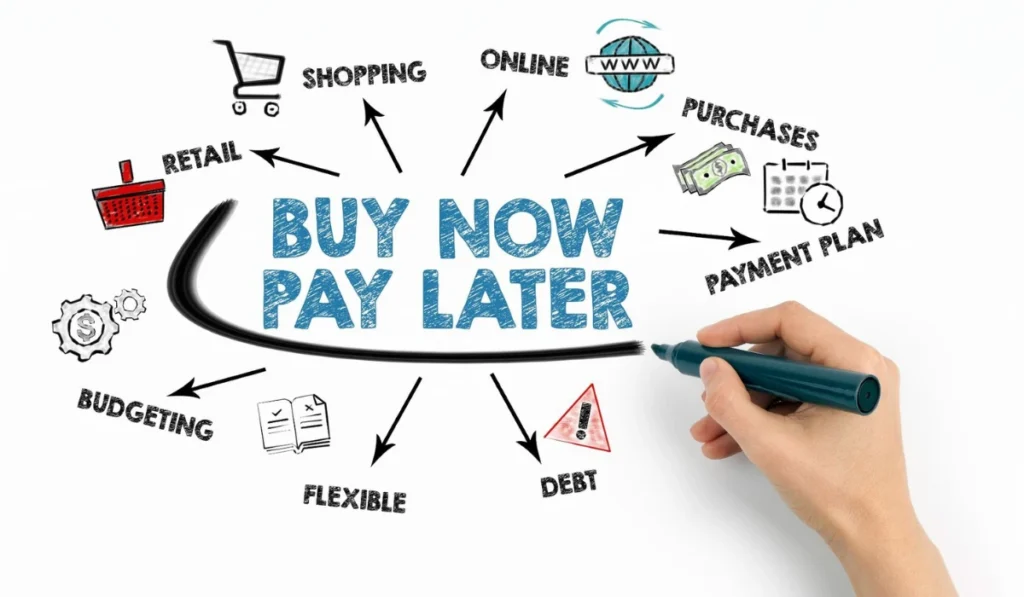
You grab your phone, add something to your cart, and right before you hit checkout, a little prompt appears. “Split this into 4 easy payments.” It feels painless. It feels smart. So you tap yes for Buy Now Pay Later
Three weeks later, that “easy” payment hits your account. Then another one. Then you forget you signed up for two other things the same week. Suddenly your checking account is bleeding out from purchases you barely remember making. Sound familiar? Welcome to the buy now pay later debt spiral. And if you think you’re the only one caught in it, you’re very wrong.
As of 2024, roughly 86.5 million Americans were using Buy Now Pay Later (BNPL) services. The total BNPL market hit an estimated $70 billion in transaction volume in 2025. And the growth is not slowing down. BNPL went from financing 2% of U.S. e-commerce in 2020 to 6% in 2024. That’s a big leap in a very short time.
But here’s the part nobody talks about at checkout: the real cost of this convenience.
What Is Buy Now Pay Later and Why Did It Explode?
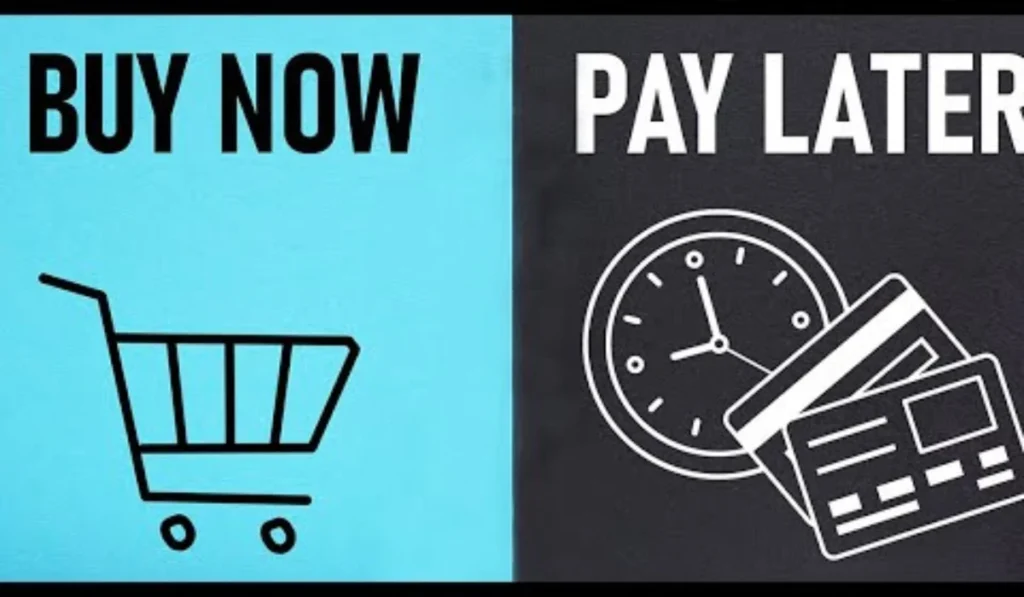
Buy Now Pay Later is a short-term financing option that lets you split a purchase into smaller installments, typically four equal payments spread over six weeks. No interest (usually), no credit check in many cases, and instant approval at checkout.
Companies like Klarna, Affirm, Afterpay, and PayPal’s Pay Later service built the model. They make their money from merchants, not from you, which is part of why the “no interest” pitch is real, at least at first.
The concept is not new. Layaway plans have existed for decades. But the digital version is far more dangerous because it is instant, invisible, and everywhere. You don’t walk into a store and set something aside. You tap a button at 1am while scrolling through Instagram and the thing is on its way to your door before your brain has time to process the decision.
The pandemic turbo-charged adoption. People stuck at home, shopping online more than ever, looking for ways to stretch tight budgets. BNPL stepped in perfectly. Then it never left.
Who Is Actually Using Buy Now Pay Later in America?
The data paints a picture that might surprise you. BNPL is not just a tool for people who can’t afford things. It’s spread into nearly every income bracket and age group, though younger consumers dominate.
Younger Americans Are Leading the Charge
- 64% of Gen Z Americans (ages 18 to 28) have used BNPL at least once, according to LendingTree’s 2025 survey.
- Nearly 1 in 5 Americans under 45 have used BNPL, compared with just 8% of those aged 60 and older.
- Millennials are the most likely to consider a new BNPL loan in any given month, with 55% indicating they would.
- Men are slightly more likely than women to have used BNPL (53% versus 46%).
It’s Not Just Low-Income Shoppers
Here’s the part that breaks the common narrative. A Morgan Stanley survey found that the highest BNPL adoption rate is actually among households earning between $100,000 and $150,000 per year, at 38%. Higher earners are using it for convenience and to preserve cash flow, not necessarily because they’re struggling.
That said, the consequences hit lower-income users much harder. When BNPL makes up 17% of your total unsecured debt portfolio (as the CFPB found is common among lower-credit consumers), a missed payment has real consequences.
The Buy Now Pay Later Debt Nobody Can Actually See
Wall Street analysts started calling it “phantom debt” for a reason. Most BNPL loans are not reported to credit bureaus. This creates a blind spot in the financial system that is growing bigger every year.
Think about what that means in practice. You apply for a car loan. The lender pulls your credit report. They see your credit card balance, your student loans, your mortgage. What they don’t see are the four active BNPL payment plans you’re currently juggling. You look better on paper than you actually are.
The Consumer Financial Protection Bureau (CFPB) has flagged this exact issue. In 2024, the CFPB formally classified BNPL lenders as credit card providers under the Truth in Lending Act, which was a major regulatory shift. But the reporting gap to credit bureaus remains a real problem for the broader financial ecosystem.
Meanwhile, 66% of BNPL users are taking out multiple BNPL loans at the same time, and 33% are borrowing from more than one BNPL lender at once, according to CFPB data. When none of those obligations show up on a credit report, lenders have no way to factor in the real debt load someone is carrying.
BNPL Trends USA: What the Numbers Are Really Telling Us
The BNPL trends USA is seeing right now go far beyond just tech or fashion purchases. The categories are getting uncomfortable.
Americans Are Using BNPL for Groceries and Basics
This is the shift that raised alarm bells among economists. Financing a new TV on installment feels different from financing a week’s worth of groceries. But that’s exactly what is happening. By mid-2025, more Americans were turning to BNPL services to buy food, a sign that the product has moved from convenience into something closer to a survival tool for many households.
The three most common BNPL purchase categories in America right now are clothing and footwear, electronics, and groceries. That last one shouldn’t be on that list if BNPL were just a luxury spending tool.’
Late Payments Are Getting Worse, Not Better
The numbers on payment behavior are trending in the wrong direction:
- 41% of BNPL users say they made at least one late payment in the past year, according to LendingTree’s 2026 tracker.
- 24% of BNPL users had made a late payment in 2024, up from 18% in 2023, per the Federal Reserve.
- Only 47% of BNPL users plan their payments ahead of time. The rest track loosely or lose track entirely.
- Gen Z is the least likely generation to plan ahead for BNPL payments, with only 38% budgeting before they buy.
The average BNPL transaction amount is $135. That sounds manageable. But 60% of users hold multiple BNPL loans at the same time, and 23% are juggling three or more simultaneously. At that point, the math starts to break down fast.
Credit Card Behavior vs. BNPL: A Tale of Two Debts
When people talk about consumer debt habits, credit cards have long been the villain. And with good reason. Americans are currently sitting on $1.2 trillion in credit card debt. The credit card delinquency rate hit 8.8% in the third quarter of 2024.
By comparison, BNPL looks cleaner. Charge-off rates for BNPL were around 1.4% in 2022, compared to 10.9% for credit card debt. Delinquency rates among BNPL lenders tracked by the Financial Technology Association are under 2%.
But these numbers can be misleading. Here is why:
- BNPL loans are short-term, which structurally reduces the time window for delinquency to occur.
- Because BNPL doesn’t report to credit bureaus, some defaults stay completely invisible to the wider financial system.
- Research shows BNPL users carry an average of $871 more in credit card debt and $453 more in personal loans compared to non-BNPL users. The debt isn’t replacing other debt. It’s stacking on top of it.
- Credit cards build your credit score. BNPL, in most cases, does not. You take on the risk without the reward.
Some BNPL providers are starting to report to FICO. Affirm already has a partnership in place, and FICO announced plans in June 2025 to incorporate BNPL loans into credit scores. That might sound like progress, but it cuts both ways: it could help responsible users build credit, but it will also expose late payers to formal credit damage they never anticipated.
The Psychological Trap Nobody Warned You About
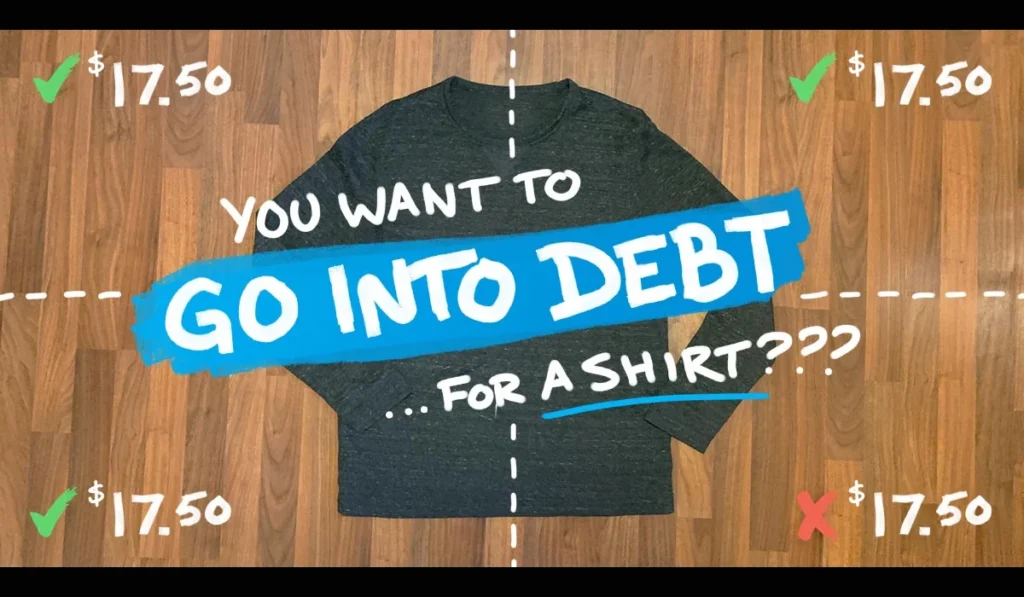
There’s a reason BNPL is designed the way it is. Behavioral economists have a name for it: present bias. Humans are wired to feel the pleasure of getting something now much more intensely than the pain of paying for it later. BNPL is basically a machine designed to exploit that bias at scale.
The four-payment model is not accidental. Splitting something into four small numbers makes the brain perceive the total cost as lower than it really is. A $200 jacket suddenly feels like a $50 jacket. Retailers love this because it increases average order values. BNPL platforms love it because they get paid by those same retailers.
The buyer’s remorse data tells the real story. More than half of BNPL users rely on the service to make purchases they otherwise could not afford. And 26% of users say they’ve regretted a BNPL purchase once the full cost hit home, according to Motley Fool’s 2025 survey. Among millennials, that regret number climbs to 57%.
Even more telling: 45% of BNPL users say they won’t change their BNPL habits even if they find out it’s hurting their credit score. That’s not a spending choice at that point. That’s a pattern.
What the BNPL Industry Does Not Want You to Think About
The Fee Structure Is Not as Clean as It Looks
The basic “Pay in 4” model is genuinely interest-free if you pay on time. But miss a payment, and fees start appearing. The CFPB reported that the average late fee assessed in 2023 was $9.99. That sounds small. But if you’re juggling three loans and miss one payment on each, that’s $30 in fees on purchases that were supposed to be free to finance. Some BNPL products, particularly longer-term installment loans from providers like Affirm, do carry interest rates. And those rates can be significant, sometimes reaching into the mid-to-high double digits depending on your credit profile and the loan term.
You Get Debt Without the Credit-Building Benefit
A credit card, used responsibly, builds your credit score, earns you rewards, and gives you buyer protections. BNPL gives you none of that in most cases. You take on the financial obligation without any of the structural benefits of traditional credit.
40% of BNPL users say one of the top benefits is that it doesn’t affect their credit score. But that same absence of reporting means years of responsible BNPL use don’t help you build a credit history either. It’s a financial tool that exists entirely off the record, for better and for worse.
Is Buy Now Pay Later a Systemic Risk to the U.S. Economy?
Economists and policymakers are asking this question more seriously now. The Richmond Federal Reserve published research in early 2026 noting that while BNPL’s current impact on financial stability appears limited, the trajectory warrants close monitoring.
Total U.S. household debt stood at $17.9 trillion in the third quarter of 2024. BNPL’s roughly $70 billion in annual transaction volume is a small fraction of that. But the concern isn’t the current size. It’s the growth rate, the invisibility to credit reporting systems, and the potential spillover effects onto consumers’ ability to service their other debts.
Morgan Stanley’s fintech research team put it plainly: they don’t yet believe BNPL poses a systemic risk, but they are wary of increased usage among younger consumers given the current lack of reporting transparency.
The industry itself is maturing. Klarna went public in 2025. Affirm is integrating with debit cards and banks directly. PayPal is the most used BNPL provider, cited by 56% of users according to a 2025 LendingTree survey. These are not fringe fintech startups anymore. They are becoming infrastructure.
How to Use Buy Now Pay Later Without Destroying Your Budget
BNPL is not inherently bad. Like most financial tools, the problem is in how it gets used when people don’t think before they tap. If you are going to use it, here is how to do it without creating a problem for yourself.
- Stick to one active loan at a time. Managing multiple BNPL payment schedules is how people lose track and start missing due dates.
- Never use BNPL for groceries or other recurring essentials. If you need installment financing for food, the problem is the budget, not the payment method.
- Calculate the full cost before you click. The four-payment display is designed to make things feel cheaper. Write down the total price and ask yourself if you would buy it at that number.
- Link BNPL to a dedicated account or set calendar reminders. Automatic payments tied to a primary checking account is how overdraft fees happen.
- Consider whether a 0% intro APR credit card would serve you better. You would build credit, earn rewards, and have consumer protections that BNPL doesn’t offer.
For more perspectives on money habits that actually work, check out the personal finance content at Weird Wealth, where unconventional financial thinking gets the attention it deserves.
Frequently Asked Questions
Does buy now pay later hurt your credit score?
In most cases, using BNPL does not directly affect your credit score because most BNPL providers do not report to the major credit bureaus. However, if you miss payments and the debt is sent to a collections agency, that can show up on your credit report and damage your score. Additionally, some BNPL providers like Affirm are beginning to report to FICO, meaning this could change in the near future. The flip side is that responsible BNPL use also does not help build your credit, unlike a credit card.
What happens if you don’t pay buy now pay later?
If you miss a BNPL payment, you will likely be charged a late fee (the CFPB found the average is $9.99, though many lenders will waive it if you ask). Your access to future BNPL purchases may also be suspended or reduced. If you continue to miss payments, the debt can be sold to a collections agency, which will then appear on your credit report. Some BNPL providers may also pursue civil action for larger outstanding balances.
Is buy now pay later considered debt?
Yes. Despite its friendly branding, BNPL is a form of consumer credit. You are borrowing money to make a purchase and agreeing to repay it on a schedule. The CFPB formally classified BNPL lenders as credit card providers under the Truth in Lending Act in 2024, which legally confirms that BNPL is regulated credit. The danger is that because it doesn’t show up on credit reports in most cases, people underestimate how much BNPL debt they are actually carrying.
Which age group uses buy now pay later the most?
Younger Americans dominate BNPL usage. Gen Z (ages 18 to 28) leads the pack, with 64% having used BNPL at least once. Millennials follow closely, with 55% saying they would consider applying for a BNPL loan in any given month. Baby boomers are the least likely to use BNPL, at around 25% considering it. The younger the demographic, the more likely they are to hold multiple BNPL loans simultaneously.
s buy now pay later better than a credit card?
It depends entirely on your situation. BNPL is better for people who want interest-free short-term financing and don’t qualify for a credit card. But for most people, a credit card used responsibly offers more advantages: it builds your credit history, provides purchase protections, and often comes with rewards. BNPL offers convenience and fast approval, but it doesn’t build your credit record and provides fewer protections when something goes wrong with a purchase.