
Key Takeaways
-
Yes, it is possible: Dealerships handle auto loan trade ins every day.
-
Equity determines costs: Positive equity gives you extra cash; negative equity gets added to your new loan.
-
Always get a payoff quote: Call your lender to get your exact 10-day payoff amount.
-
Shop around first: Get multiple offers before stepping onto a dealer lot.
So, you are sitting in your driveway looking at your current ride and thinking it is time for something fresh. But then you remember you are still making monthly payments on your current set of wheels.
Can you trade in a financed car before paying off the loan completely?
Short answer: yes, absolutely!
In fact, dealerships handle this kind of transaction every single day. They make it surprisingly easy by taking your old keys, contacting your lender, paying off your balance, and handing you the keys to your new car.
However, trading in a vehicle when you still have an active auto loan trade in process going on can quickly get complicated if you do not understand how equity works. Here at Weird Wealth, our goal is to make sure you walk onto the lot fully prepared so you do not leave any money on the table.
AI Overview
Yes, can you trade in a financed car? Absolutely! Dealerships clear your existing auto loan trade in balance directly with your lender. If your vehicle is worth more than what you owe (positive equity), the difference acts as a down payment. If you owe more than the market value (negative equity car trade), that balance rolls into your new loan. Get your 10-day payoff quote first to ensure a smooth transition.
Understanding Your Loan Equity Before Trading In
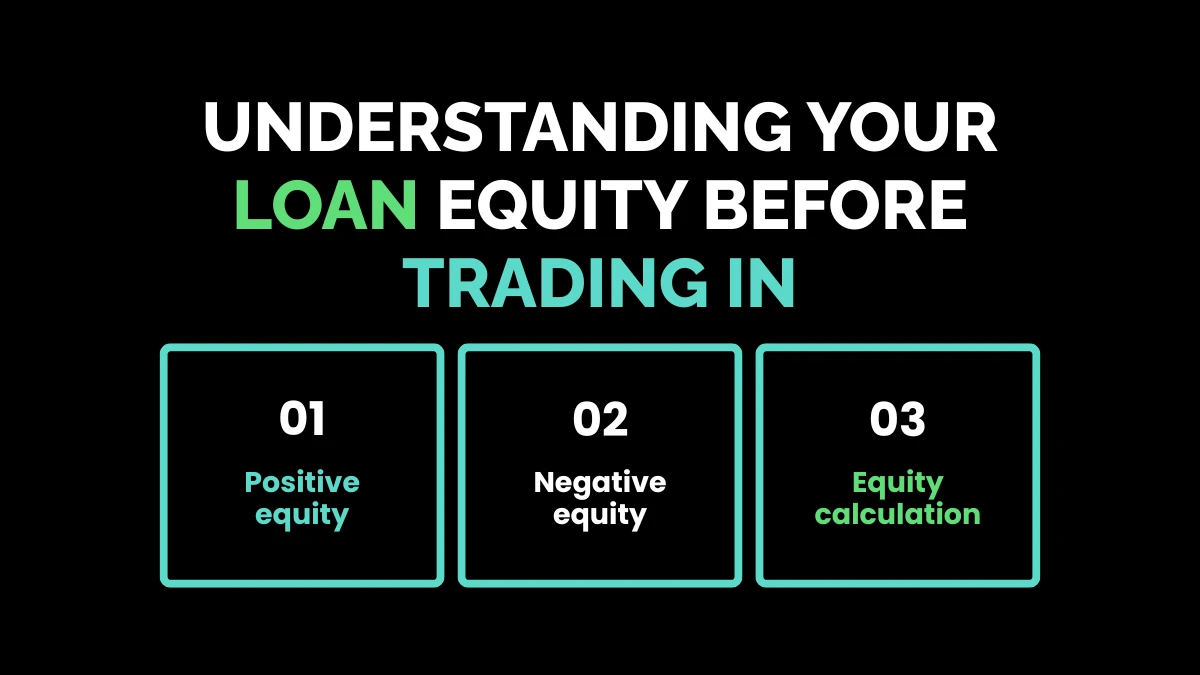
Before you ever step foot onto a sales lot or talk to a dealer, you need to understand where you stand financially with your current vehicle.
1. How Loan Equity Works in a Trade
Your vehicle’s equity is calculated with simple math:
If a dealership values your vehicle at $18,000 and your remaining loan payoff is $13,000, you have $5,000 in positive equity. You can apply that full $5,000 directly toward the down payment on your next purchase.
2. The Hidden Trap of a Negative Equity Car Trade
What happens if your loan balance is higher than what the dealer offers for the car? For example, if you owe $15,000 but the trade offer is only $12,000, you have $3,000 in negative equity. This is commonly referred to as being “underwater” or “upside down” on your loan.
When you are dealing with a negative equity car trade, dealers will often offer to “roll over” that remaining balance into your new vehicle’s loan.
While this sounds convenient because you do not have to pay cash upfront, it means you will be paying interest on your old car and your new car at the same time. This inflates your monthly payments and leaves you deeper in debt.
Essential Steps to Take Before You Visit the Dealer
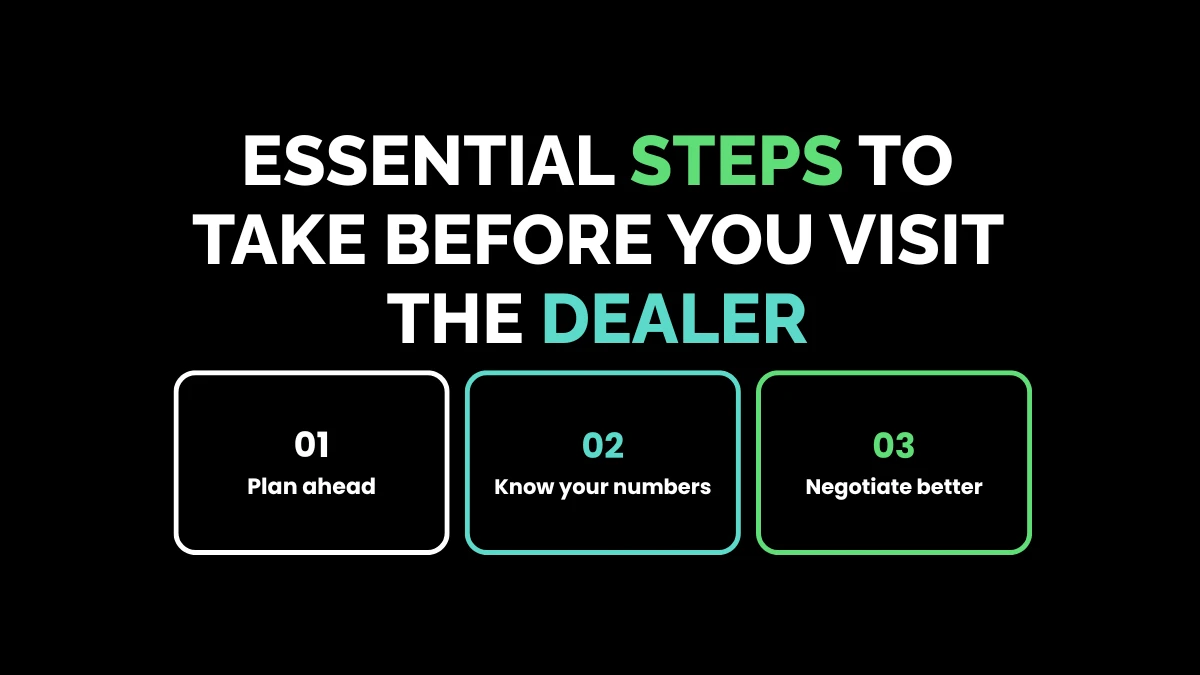
Doing a little bit of prep work at home will protect your wallet and give you serious negotiating power.
3. Get an Official 10-Day Payoff Amount
Do not rely on the account balance listed on your regular monthly statement or mobile banking app. Because loan interest accrues daily, your actual payoff total changes every 24 hours.
Call your bank or log into your portal to request an official “10-day payoff quote.” This document gives the dealership the exact dollar amount needed to clear your title cleanly.
4. Determine Your Vehicle’s True Market Value
Check trusted valuation platforms such as Kelley Blue Book, Edmunds, or NADA Guides to get a realistic sense of what your car is worth.
Print these estimates or save them on your phone. Having real numbers ready prevents salespeople from lowballing your trade in car with loan details during initial discussions.
5. Compare Your Trade Value Against Your Payoff Balance
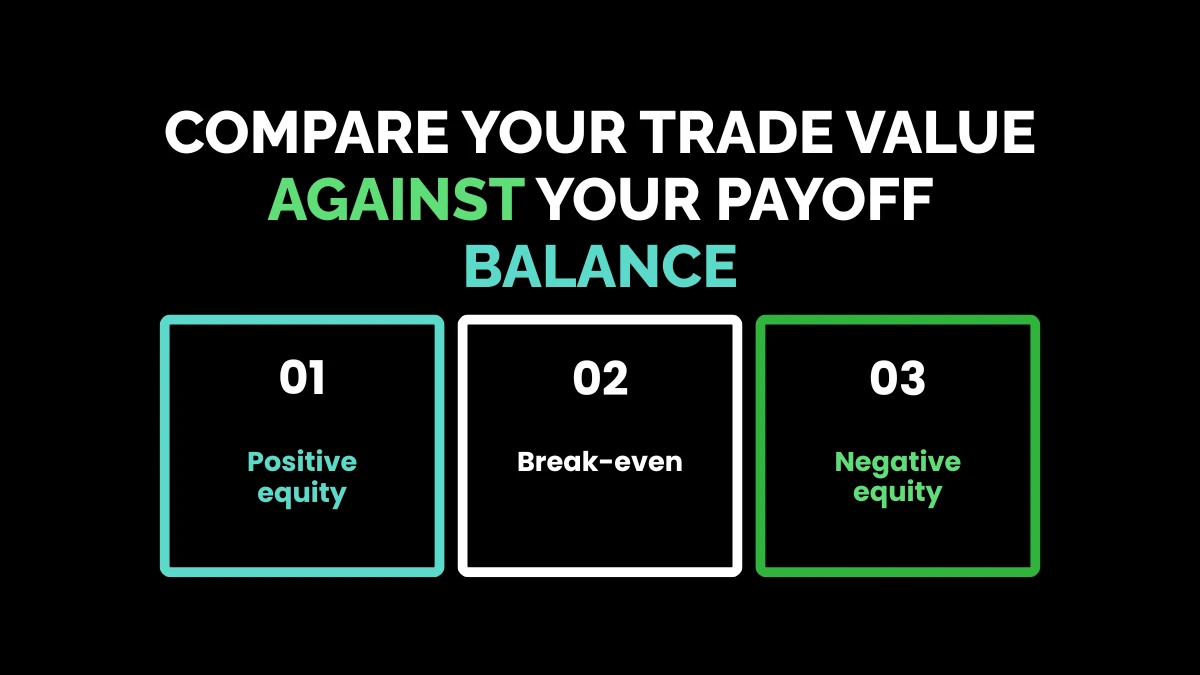
Here is a quick breakdown showing how different equity scenarios directly impact your next vehicle deal:
| Equity Status | Vehicle Value | Loan Payoff | Financial Impact |
| Positive Equity | $20,000 | $14,000 | +$6,000 applied directly as a down payment |
| Break-Even | $15,000 | $15,000 | $0 (Old loan fully cleared, no extra money down) |
| Negative Equity | $12,000 | $16,000 | -$4,000 (Must pay out-of-pocket or roll into new loan) |
How Dealerships Handle Your Trade-In Loan
Understanding what happens behind the scenes helps you spot mistakes or sneaky charges before signing final contracts.
6. The Dealer Pays Off Your Lender Directly
When you accept a trade offer, you will sign a document giving the dealership limited power of attorney for vehicle transfers. This allows them to talk to your bank directly.
The dealer then sends a check or electronic transfer to pay off your balance. Once the payment clears, your bank sends the legal title directly to the dealership.
7. Understanding Payoff Processing Delays
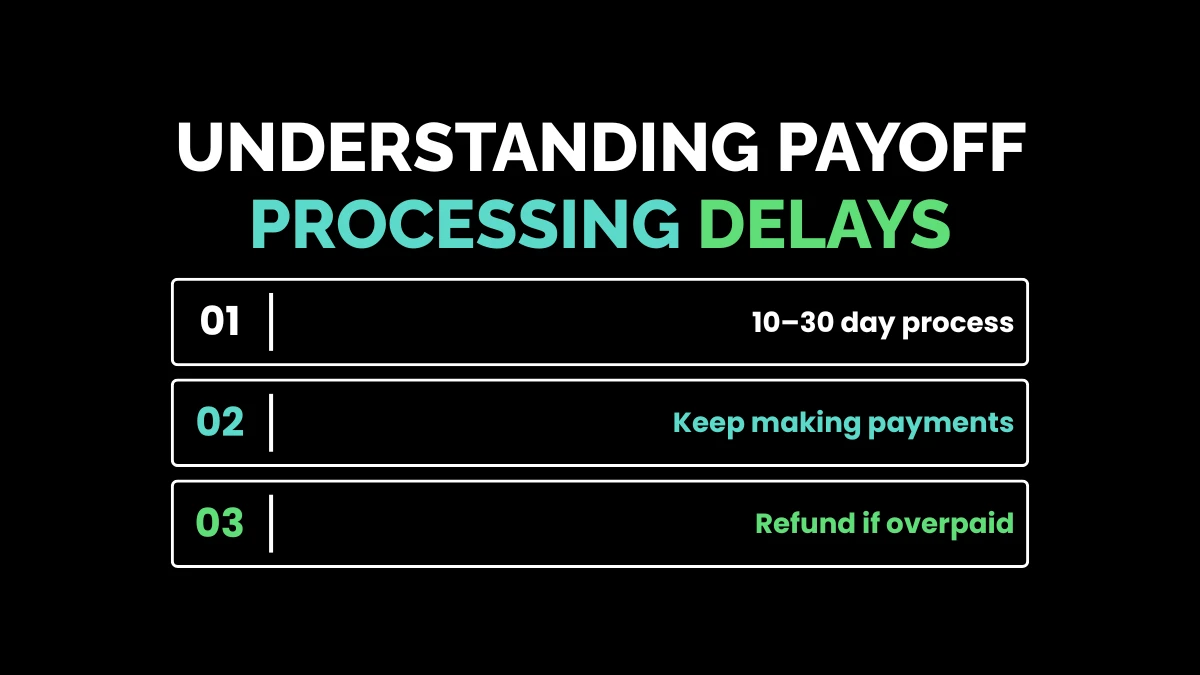
It usually takes between 10 and 30 days for your lender to process the dealer’s payoff check and officially close your account.
You should continue making your regular loan payments until you receive confirmation that your old balance is zero. If you end up making an extra payment during this window, your old bank will simply mail you a refund check for the overage.
8. Why Rolling Over Loans Can Be Risky
If you choose to complete a negative equity car trade by rolling over your balance, your new lender is taking on extra risk.
Because the new loan amount will exceed the actual value of the new car, the lender might charge a higher interest rate or require extra loan approval steps.
7 Smart Strategies to Get the Best Deal
If you want to get the absolute highest value for your vehicle and protect your wallet, use these tactical strategies.
9. Get Instant Cash Offers Online First
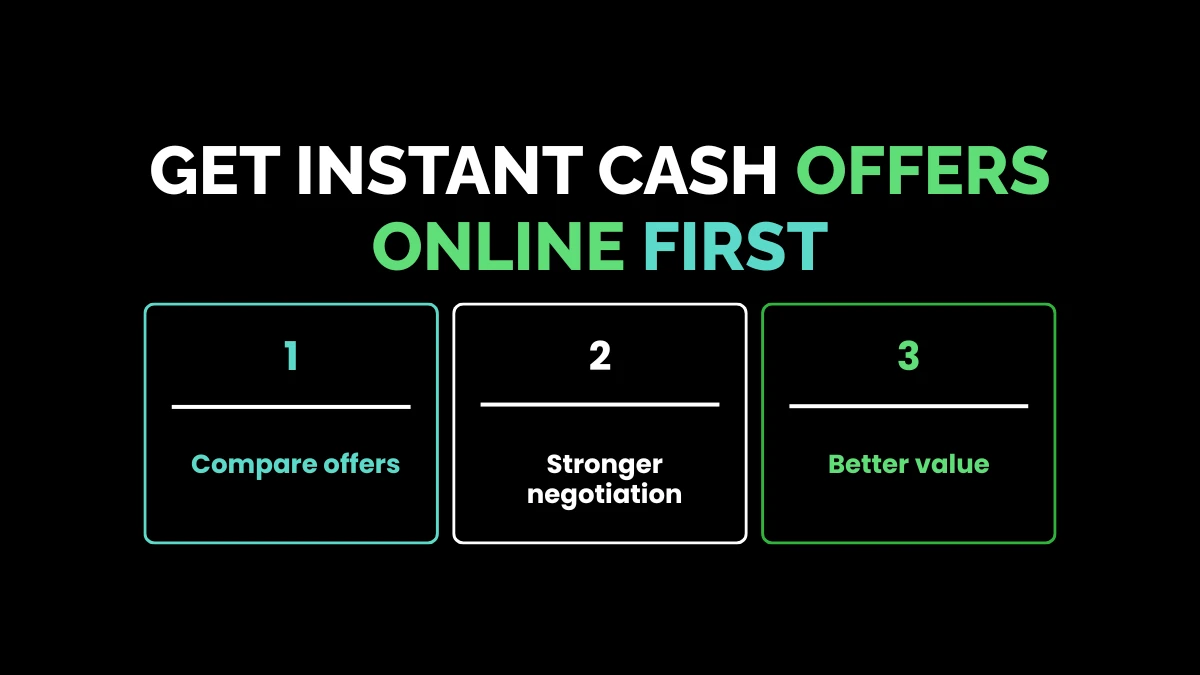
Before stepping onto a dealer lot, get written offers from online buyers and local used car lots.
Having competing offers in hand forces traditional dealerships to increase their auto loan trade in valuation if they want to earn your business.
10. Separate Your Purchase and Trade Negotiations
Always negotiate the price of the new vehicle before mentioning your current vehicle.
If you combine the trade-in and new car purchase right from the start, dealers can easily manipulate the math to make a bad deal look attractive.
11. Time Your Trade-In Strategically
Timing can play a major role in how much money you receive:
-
End of the month or quarter: Sales teams are trying to hit performance bonuses and are often willing to pay more for trades.
-
Before major maintenance is due: Trade in your car before you need expensive items like new tires, brake overhauls, or major service intervals.
-
Seasonal market swings: Convertibles sell for higher prices in late spring, while all-wheel-drive SUVs fetch top dollar right before winter.
12. Complete Low-Cost Fixes, Skip Major Repairs
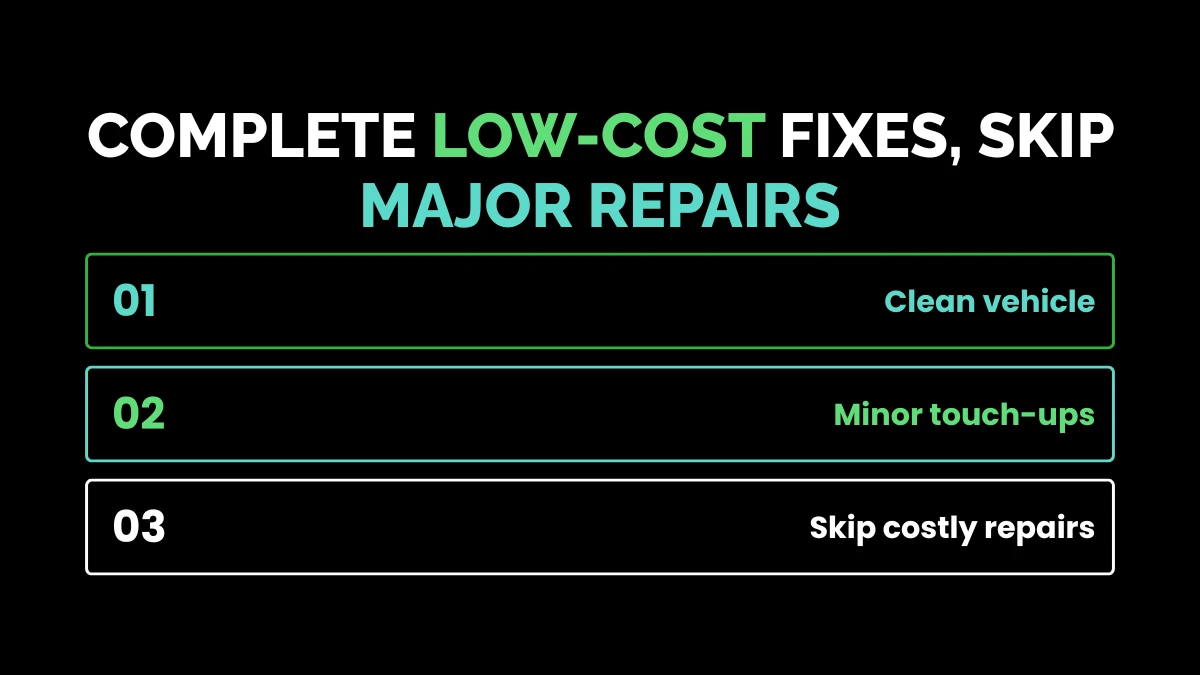
Spend a few dollars giving your car a deep cleaning, washing the exterior, and fixing minor cosmetic blemishes.
First impressions matter immensely to appraisers! However, do not spend big money fixing major mechanical repairs, as you will rarely recover those costs dollar-for-dollar during a trade evaluation.
13. Take Advantage of State Sales Tax Credits
In many states, you only pay sales tax on the net price difference between your new car and your trade-in.
For instance, if you purchase a $30,000 vehicle and trade in a trade in car with loan balance that has a trade value of $10,000, you only pay sales tax on $20,000. That tax savings gives your trade value an extra hidden boost!
14. Read Paperwork Carefully for Hidden Fees
Review your final sales contract line by line before signing anything.
Watch out for mysterious processing, documentation, or reconditioning fees that might be added to your transaction. At Weird Wealth, we always remind readers to ask dealers to explain or remove any line item that seems suspicious.
15. Consider Selling Privately for Maximum Value
Private buyers almost always pay significantly more than dealership wholesale offers.
If you are dealing with a severe negative equity car trade, selling your car privately can help you generate enough extra cash to eliminate your debt completely out-of-pocket rather than rolling it over.
Smart Alternatives to Trading In a Financed Vehicle
Trading in your car at a dealership is fast and easy, but it is not your only option if you are trying to cut costs.
Refinancing Your Existing Auto Loan
If high monthly car payments are the main reason you want to trade, refinancing your existing auto loan trade in balance might solve your problem. Securing a lower interest rate or extending your loan term can dramatically reduce your monthly payments without the hassle of buying another vehicle.
Holding the Vehicle Until You Build Positive Equity
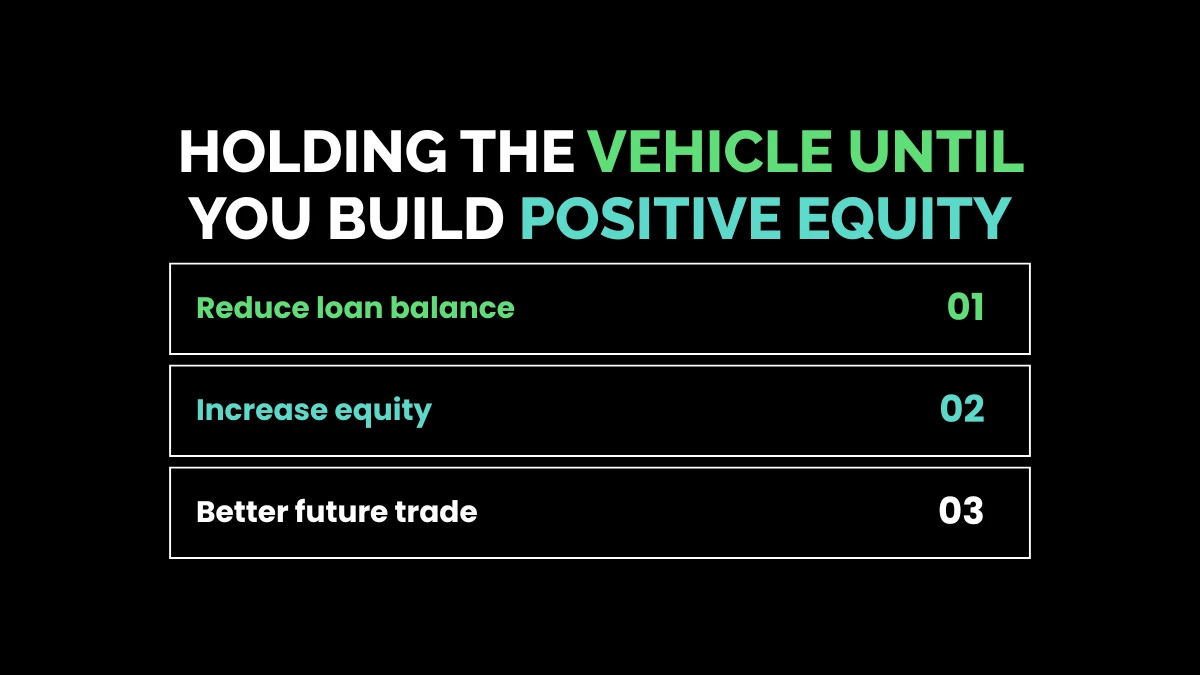
Sometimes the wisest financial move is simply waiting. By keeping your current vehicle and paying down the principal balance for another 6 to 12 months, you can completely eliminate negative equity and build up a solid down payment for your next vehicle purchase.
Summary
Trading in a vehicle with an active loan does not have to be stressful when you plan ahead.
Always check your equity balance, get a 10-day payoff quote from your bank, and negotiate your new car price separately from your trade value.
By keeping these principles in mind, you will navigate the dealership experience smoothly and protect your finances every step of the way.
Frequently Asked Questions
Can you trade in a financed car with bad credit?
Yes, but having bad credit alongside an existing loan balance makes approval trickier. Lenders may require a cash down payment to offset negative equity or charge higher interest rates on the new loan.
Does trading in a financed car hurt your credit score?
Initially, your score might drop slightly due to hard credit checks and closing an established account. However, making consistent on-time payments on your new car loan builds your score back up over time.
What documents do I need to trade in a financed car?
You will need your driver’s license, current vehicle registration, proof of insurance, and an official 10-day payoff letter from your current lender. Bring payment for any negative equity balance if applicable.
What happens if I pay off my car right before trading it in?
If you pay off your loan right before trading, bring the official lien release letter or clean title from your lender. Without that proof, the dealer cannot take ownership or complete the trade.