

Key Takeaways
- Boost credit score and clear existing debt first
- Save for a higher down payment early
- Keep job and bank accounts steady
- Organize financial documents before applying
- Compare multiple lender offers smartly
Getting a mortgage feels a bit like running an obstacle course, doesn’t it?
The paperwork, the endless waiting, and the worry about getting turned down can stress anyone out. But getting your dream house keys doesn’t have to take forever.
If you follow proven home loan tips, you can speed up the approval process and save yourself weeks of frustration.
AI Overview
Securing a mortgage quickly comes down to preparation, clear financial habits, and lender timing. By organizing tax forms, raising your credit score, minimizing active debt, and saving a stronger down payment, you make underwriters fast-track your file. Using smart home loan tips helps you avoid common application delays, lower interest costs, and secure approval smoothly without unnecessary stress.
Direct Answer: How Do You Get Approved for a Home Loan Faster?
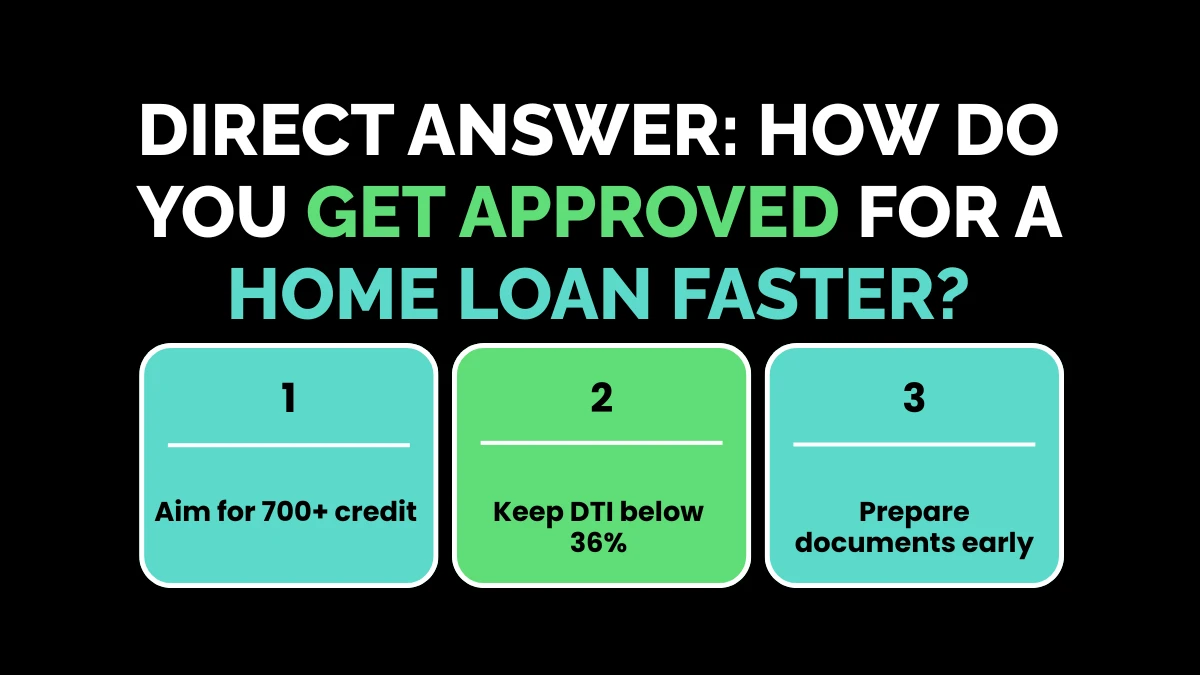
To get approved for a home loan quickly, boost your credit score above 700, keep your debt-to-income ratio under 36%, and gather two years of tax returns, pay stubs, and bank statements before you apply. Avoid changing jobs or taking on new credit cards during underwriting to prevent red flags that stall approval.
1. Check and Clean Up Your Credit Score
Your credit score is the absolute first thing lenders look at when you walk through the door.
A higher score shows banks you treat borrowed money responsibly and consistently pay on time.
Check your credit report early for mistakes, duplicate accounts, or outdated late payments.
Fixing even small reporting errors can lift your credit score by 20 to 30 points almost overnight.
Order free reports from major bureaus to ensure no hidden surprises derail your timeline.
| Credit Score Range | Approval Chance | Impact on Loan Process |
| 740+ | Excellent | Fast track, lowest interest rates |
| 670 – 739 | Good | Standard approval speed, competitive rates |
| 580 – 669 | Moderate | Requires extra review, higher down payment |
| Below 580 | Challenging | High risk of delays or denial |
2. Pay Down Existing Debt Early
Lenders want to see how much money you owe compared to what you earn each month.
This calculation is called your debt-to-income (DTI) ratio, and it heavily influences approval speed.
Try to keep your overall DTI below 36% whenever possible before submitting your file.
Paying off credit cards, auto loans, or personal debts frees up your monthly cash flow.
A lower DTI reassures financial underwriters that you can handle new monthly mortgage payments easily.
3. Save for a Bigger Down Payment
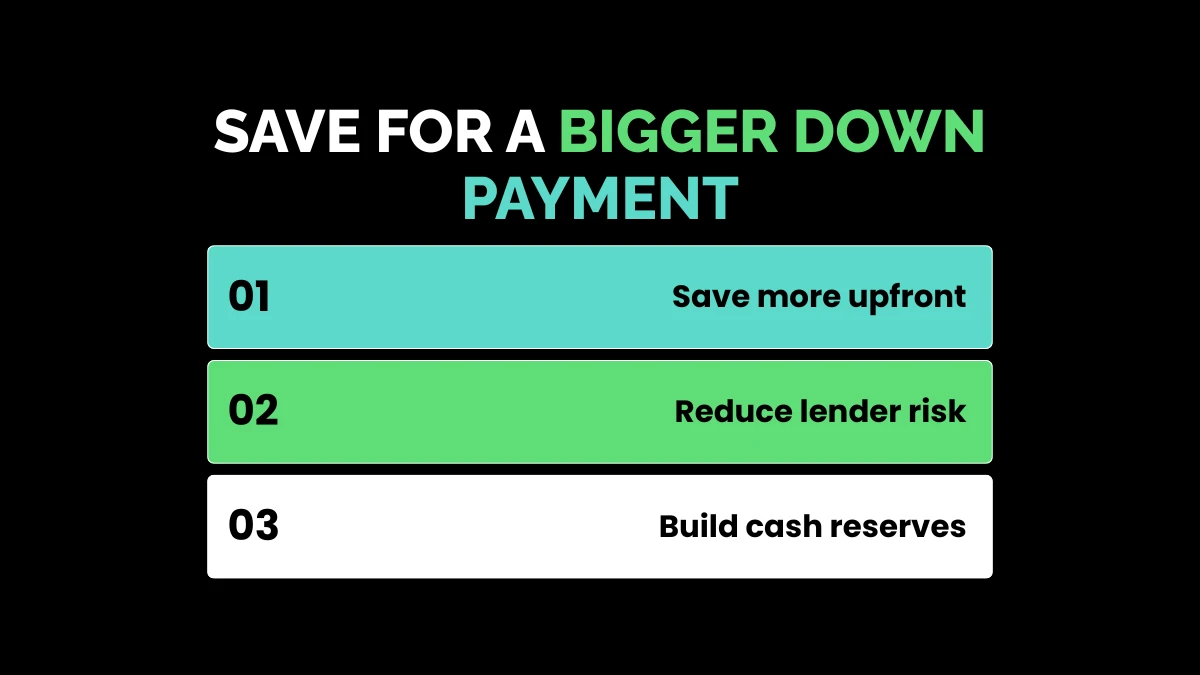
Putting down more money up front lowers the lender’s overall risk significantly from day one.
A 20% down payment also helps you avoid paying costly private mortgage insurance (PMI).
Even adding an extra 5% cash can move your file from manual underwriting to automated fast-track approval.
At Weird Wealth, we generally advise saving a dedicated cash cushion for closing costs too.
Having reserves left in your account after paying the down payment makes underwriters far more comfortable.
4. Gather Financial Documents Ahead of Time
Missing or incomplete documentation is the single biggest reason mortgage approvals get delayed for weeks.
Don’t wait for your loan officer to ask for paperwork piecemeal while processing your application.
Collect these essential items into a single digital folder on your computer before applying:
- W-2s, 1099s, and complete tax returns from the last two full tax years
- Recent pay stubs covering at least 30 consecutive days of income
- Complete bank statements for all checking and savings accounts from the last 60 days
- Government-issued photo ID, social security documentation, and proof of current residence
- Signed gift letters and paper trails if family members are helping with your down payment
5. Keep Your Employment Situation Stable
Underwriters love stability and predictability more than almost anything else on your financial profile.
Switching jobs right before or during your loan application creates extra work and unnecessary delays.
If you move to a commission-based or self-employed role, lenders usually require two full years of history.
Stay with your current employer in the same compensation structure until the loan officially closes.
Even a promotion inside the same company should be clearly documented with formal HR letters.
6. Avoid Opening New Credit Lines
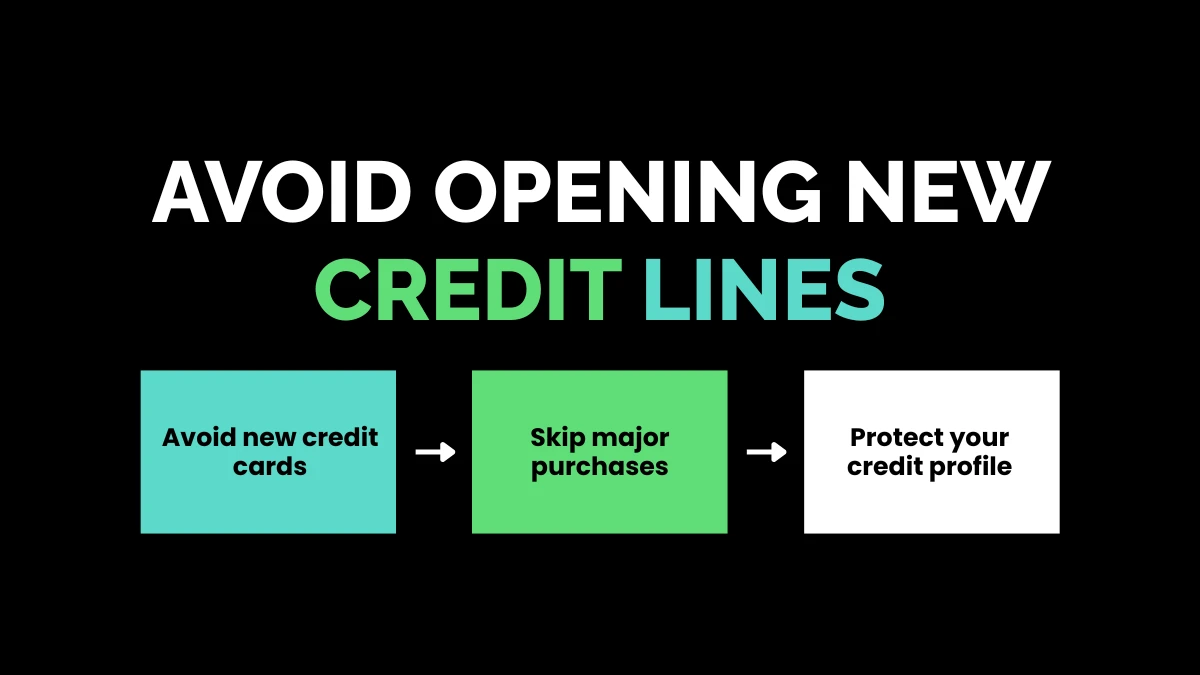
It is very tempting to shop for new furniture, appliances, or a car while house hunting.
However, opening new credit accounts lowers your average credit age and triggers hard credit inquiries.
Even small new monthly debt obligations lower your total home borrowing capacity right before closing.
Freeze all major credit purchases and store store-card applications until you hold the keys.
Keeping your credit profile frozen in place prevents sudden underwriting re-evaluations late in the game.
7. Compare Rates Across Multiple Lenders
Not every financial lender evaluates borrower risk or offers interest rates in the exact same way.
Local credit unions often offer faster turnaround times and more personal service than massive banks.
Online loan brokers might advertise lower fees, but local loan officers know regional housing nuances better.
Getting official Loan Estimates from three different sources gives you strong bargaining power and clarity.
Comparing lender fees, origination charges, and processing speeds ensures you choose the fastest path forward.
8. Get Pre-Approved, Not Just Pre-Qualified
Pre-qualification is just a quick informational estimate based on self-reported, unverified financial numbers.
Pre-approval means an actual human underwriter has reviewed and verified your income and credit history.
Having a verified pre-approval letter makes your property offers look far stronger to home sellers.
It also eliminates basic eligibility questions, cutting precious weeks off the final loan underwriting phase.
Sellers take pre-approved buyers much more seriously because funding is essentially pre-vetted and ready.
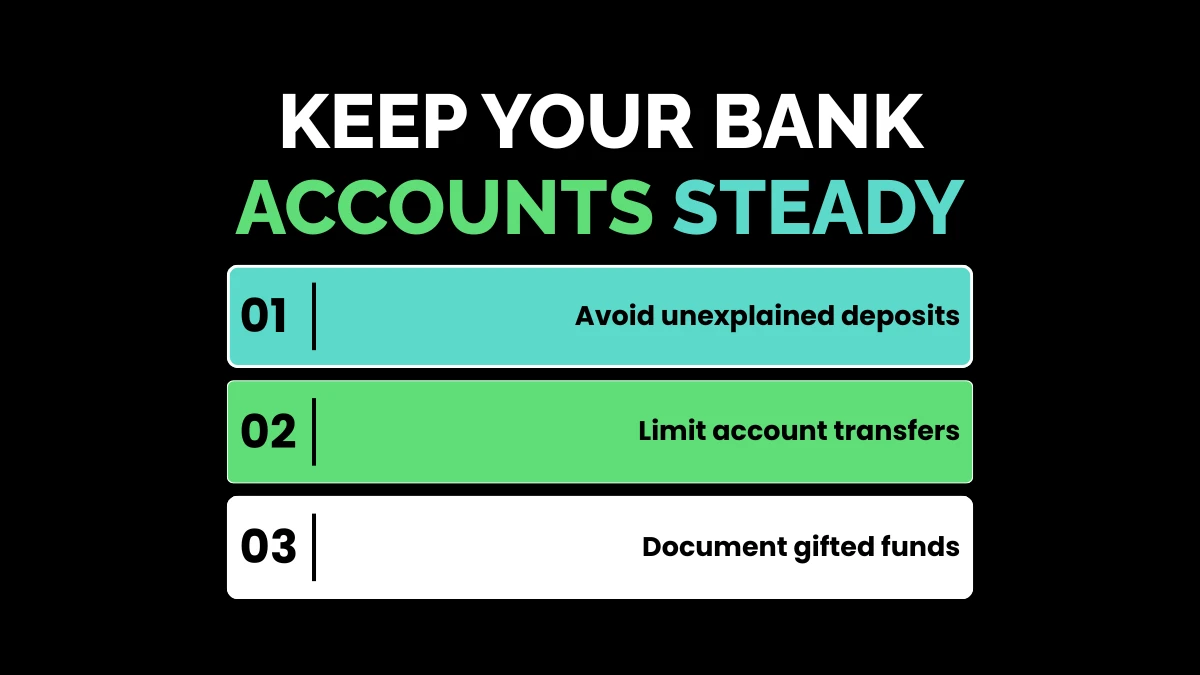
9. Keep Your Bank Accounts Steady
Lenders review two to three months of bank statements to verify where your closing cash originated.
Large, unexplained cash deposits raise immediate red flags regarding unrecorded debts or money laundering.
If a relative gives you financial assistance, document the transfer clearly with a signed gift letter.
Keep your money resting quietly in established checking or savings accounts without moving funds wildly.
Avoid shifting balances between multiple accounts unnecessarily during the 90 days before your mortgage application.
10. Choose the Right Loan Program for Your Needs
Picking the wrong mortgage product slows down processing times dramatically and risks outright application rejection.
Matching your current finances with the ideal program ensures a smoother, more efficient underwriting journey.
| Loan Type | Minimum Down Payment | Best Suited For |
| Conventional | 3% – 5% | Borrowers with strong credit scores and steady income |
| FHA Loan | 3.5% | First-time buyers with lower credit scores or higher DTI |
| VA Loan | 0% | Eligible military service members, veterans, and spouses |
| USDA Loan | 0% | Buyers purchasing homes in designated rural/suburban areas |
11. Be Honest on Your Application
Never overestimate your gross income or attempt to hide alimony, child support, or credit card debt.
Underwriters cross-reference your statements directly with tax transcripts requested straight from government databases.
Discrepancies stall applications instantly while forensic auditors perform detailed manual reviews on your background.
Complete financial transparency up front keeps your application moving straight down the processing pipeline without friction.
Disclosing minor financial bumps early allows your loan officer to structure the application correctly from day one.
12. Respond to Lender Requests Immediately
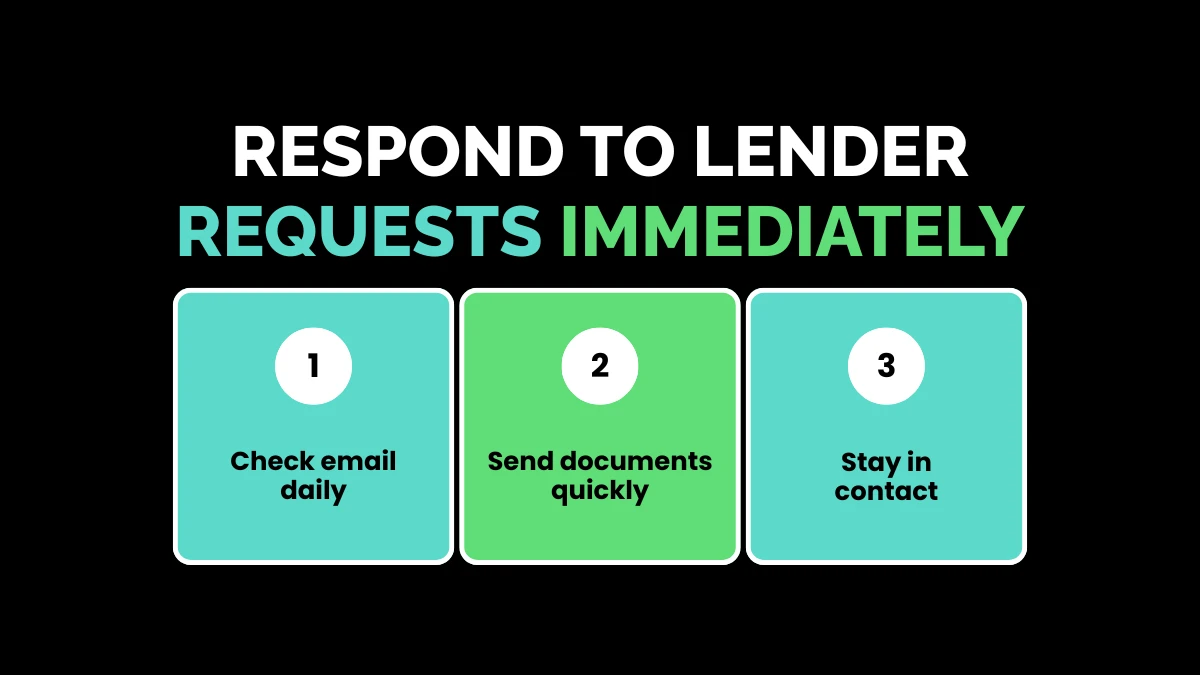
When your loan officer asks for an updated bank statement or pay stub, send it that same day.
A two-day delay on your end can add an entire week to processing turnaround times.
Check your email inbox and spam folder daily throughout the underwriting review period for notifications.
Being remarkably proactive keeps your paperwork active and sitting at the top of the processor’s stack.
Set up direct phone or text alerts with your loan officer so you never miss urgent requests.
13. Budget for Closing Costs Realistically
Closing costs usually run between 2% and 5% of the total purchase price of the home.
Running out of usable cash at the closing table halts transaction funding right at the finish line.
Set aside liquid funds for appraisal fees, title searches, lender fees, and prepaid taxes early.
Having healthy cash reserves left over after closing makes mortgage lenders feel significantly safer approving you.
Ask your lender for an early Closing Disclosure estimate so there are zero financial surprises later.
14. Work with an Experienced Local Real Estate Agent
A skilled local real estate agent keeps timeline expectations realistic for every party involved in buying.
They know which regional lenders close on schedule and which institutions drag their feet unnecessarily.
Experienced agents write purchase contracts with realistic contingency dates that allow proper appraisal and inspection time.
At Weird Wealth, we always suggest pairing up with real estate professionals who communicate promptly.
A proactive agent collaborates directly with your lender to solve transaction bottlenecks before they turn into delays.
15. Do Not Make Unexplained Bank Transfers
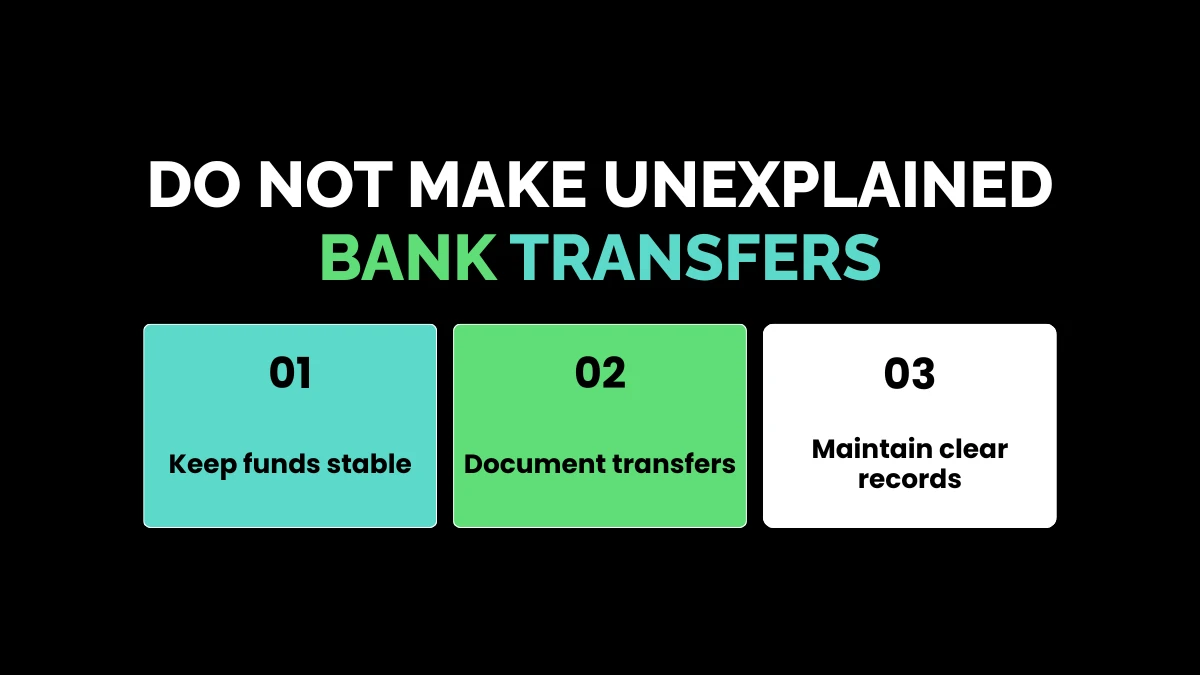
Moving money across four different bank accounts right before closing creates a complicated paper trail headache.
Underwriters are legally obligated to trace every single transfer over a few hundred dollars back to source.
Leave your funds sitting quietly in your primary checking or savings account throughout the buying window.
Simplicity makes verifying your liquid assets painless for the lender’s risk assessment and audit teams.
If transfers are necessary, keep detailed receipts, deposit slips, and electronic statements for every single movement.
Conclusion
Getting approved for a mortgage doesn’t have to feel like a mystery or an uphill battle.
By taking control of your credit score, lowering your debt, and keeping your financial paperwork organized ahead of time, you remove the bumps that slow down underwriters.
Following these practical strategies puts you in the driver’s seat, making the path to homeownership straightforward, stress-free, and much faster.
Frequently Asked Questions
How long does home loan approval usually take?
In most cases, full approval takes between 30 and 45 days. However, organized borrowers who submit complete documentation upfront can sometimes close in as few as 21 days.
What credit score is needed for fast approval?
Generally, a score of 720 or higher leads to the fastest processing times. Lower scores are accepted, but they often require additional manual reviews and documentation.
Can I get approved if I recently changed jobs?
Yes, as long as your new job is in the same field and offers equal or higher steady pay. Switching industries or moving to self-employment can delay approval.
Why is debt-to-income ratio so important to lenders?
Lenders use your DTI to confirm you have enough monthly income left over to pay your mortgage comfortably after covering all existing debts and living expenses.