

Key Takeaways
-
Ultimate life longevity guessing game
-
The rule of thumb starting point
-
Critical tools for custom math
-
Hidden costs that disrupt plans
-
Dynamic adjustments keep you safe
Hey there, friend! Pull up a chair, grab a warm mug of coffee, and let’s have a real, honest chat about something that has probably been keeping you up at night.
It is the big question we all eventually ask ourselves: how long will my retirement savings last once I finally stop trading my time for a paycheck?
If you are staring at your nest egg right now and wondering if it will see you through your golden years, you are definitely not alone in this boat.
In most cases, your money can last anywhere from 15 to 30+ years depending entirely on your personal lifestyle choice, your annual spending habits, and your specific investment mix.
It sounds simple on paper, but getting a clear, accurate picture requires looking at a few moving pieces that change as the world changes around us.
We are going to break down all these pieces together today, without any confusing Wall Street jargon or overwhelming mathematical formulas, so you can breathe easier.
At Weirdwealth, we love looking at money through a highly practical, down-to-earth lens because wealth is about freedom, not just numbers on a screen.
AI Overview: Wondering how long will my retirement savings last? Generally, your nest egg can last 25 to 30 years if you use a balanced strategy like the 4% rule retirement framework. However, market changes, high inflation, and healthcare costs mean you should check a retirement savings calculator regularly to track your unique retirement withdrawal rate and adjust your monthly spending dynamic.
The Core Framework: Understanding the Baseline
When you start planning, you need a reliable baseline strategy to see where you stand before diving into the small details.
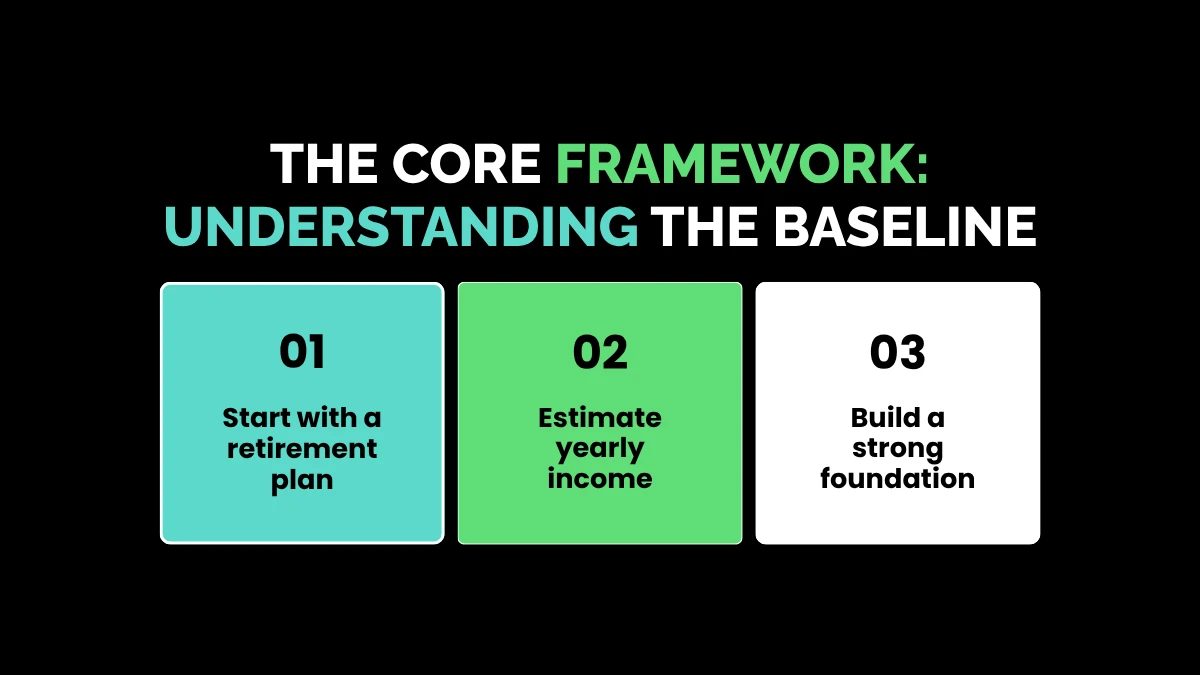
Think of this baseline as a map that gives you a general direction before you actually start driving your retirement vehicle.
The Classic Benchmark Strategy
You have likely heard people talk about standard formulas used by financial advisors to estimate how fast you should spend your cash safely.
The most famous guideline out there is the traditional 4% rule retirement strategy, which was designed to keep your portfolio healthy over three decades.
This rule suggests that you can safely withdraw 4% of your total nest egg during your very first year of full retirement.
After that first year, you simply adjust that exact dollar amount to keep up with the yearly rate of inflation in the economy.
Based on available data, this specific framework has helped millions of regular savers build a solid, dependable foundation for their distribution years.
It gives you a quick, estimated target so you can visualize how your accumulated wealth translates into actual, usable annual income.
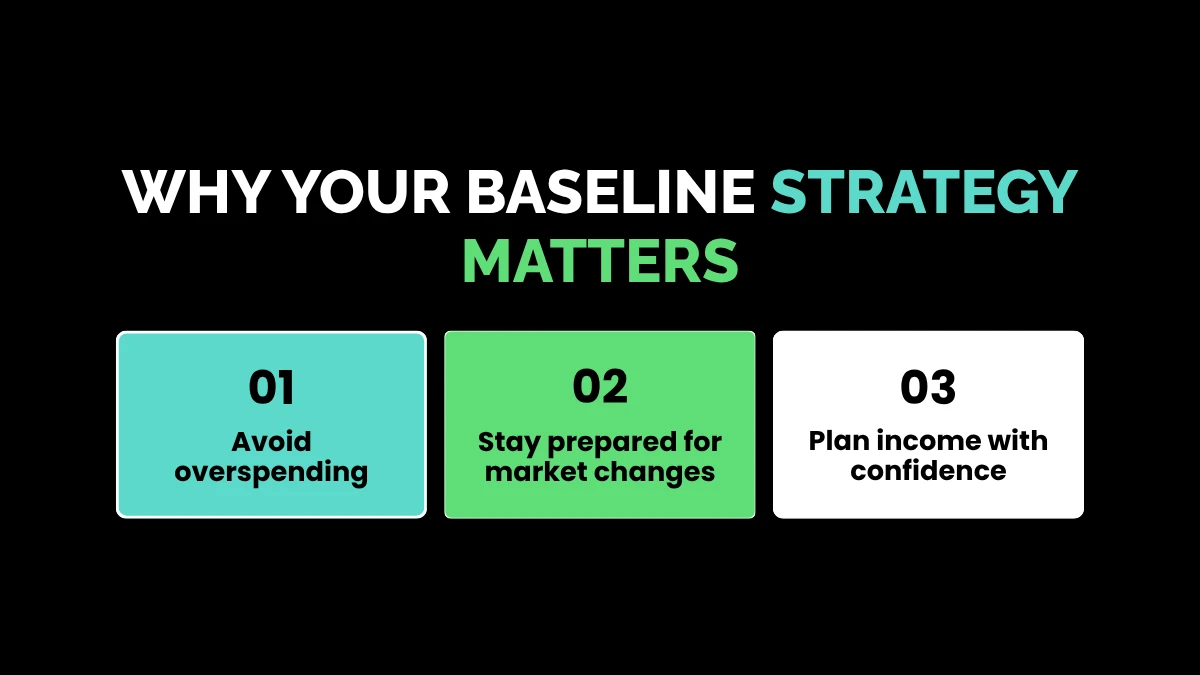
Why Your Baseline Strategy Matters
Having a steady baseline keeps you from panicking when the stock market goes through its natural, unpredictable ups and downs.
It allows you to calculate a steady, predictable pace so you do not accidentally spend too much too early in the game.
Let’s look at how a starting balance looks under this standard baseline approach to see the numbers in real life.
| Initial Nest Egg Balance | First Year Safe Withdrawal (4%) | Estimated Monthly Income | Expected Longevity Baseline |
| $300,000 | $12,000 | $1,000 | 30 Years |
| $500,000 | $20,000 | $1,666 | 30 Years |
| $1,000,000 | $40,000 | $3,333 | 30 Years |
| $1,500,000 | $60,000 | $5,000 | 30 Years |
The Variables That Change the Math
While standard rules are great for a rough estimate, your real life rarely follows a perfectly straight financial line.
Different forces will pull at your money, meaning you have to watch your personalized retirement withdrawal rate closely over time.
The Silent Dollar Destroyer
Inflation is the quiet force that makes your everyday groceries, gas, and utilities more expensive year after year after year.
If your investments do not grow fast enough to beat inflation, your purchasing power will shrink even if your balance stays the same.
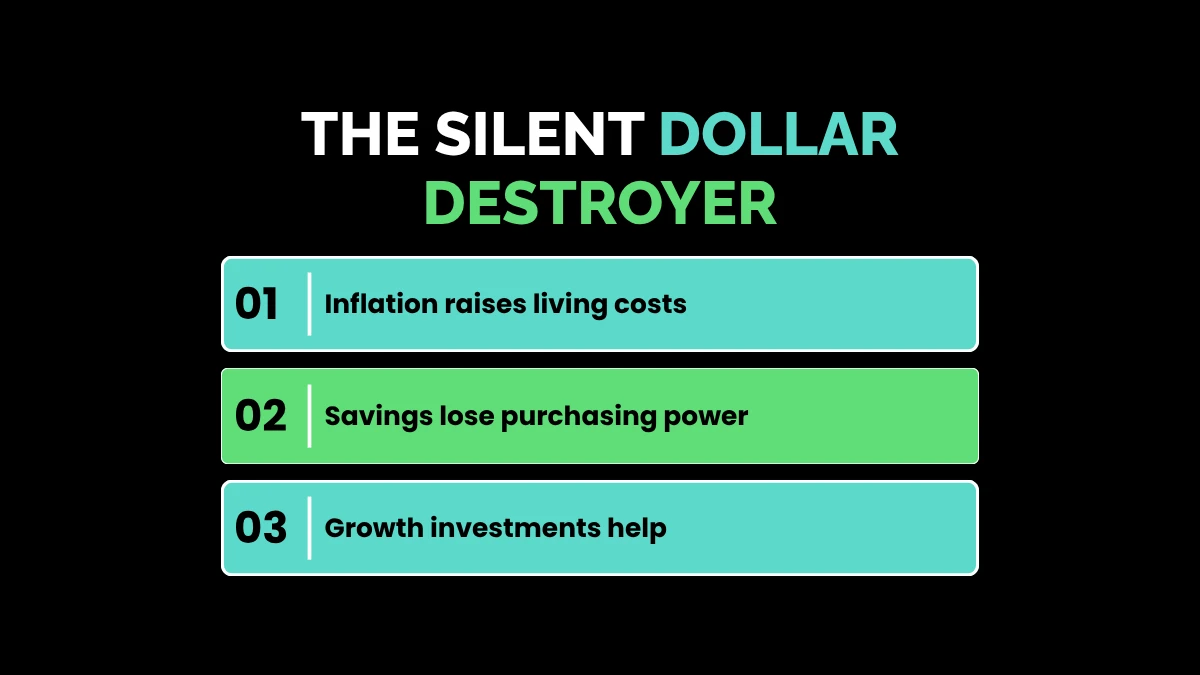
This means a static spending plan will fail because a dollar today won’t buy the same loaf of bread ten years from now.
To fight this, your portfolio needs a healthy mix of growth assets like stocks alongside safer, more stable bonds.
Market Timing Luck
The sequence of your returns matters immensely, especially during the first five years after you officially say goodbye to your boss.
If the stock market drops right when you begin taking withdrawals, you are forced to sell investments at a steep loss.
This unfortunate timing can shorten the life of your money, making it crucial to have a cash cushion for bad market years.
The Practical Tools You Need
You do not have to do all this heavy mathematical lifting by yourself using an old-fashioned paper notebook and pencil.
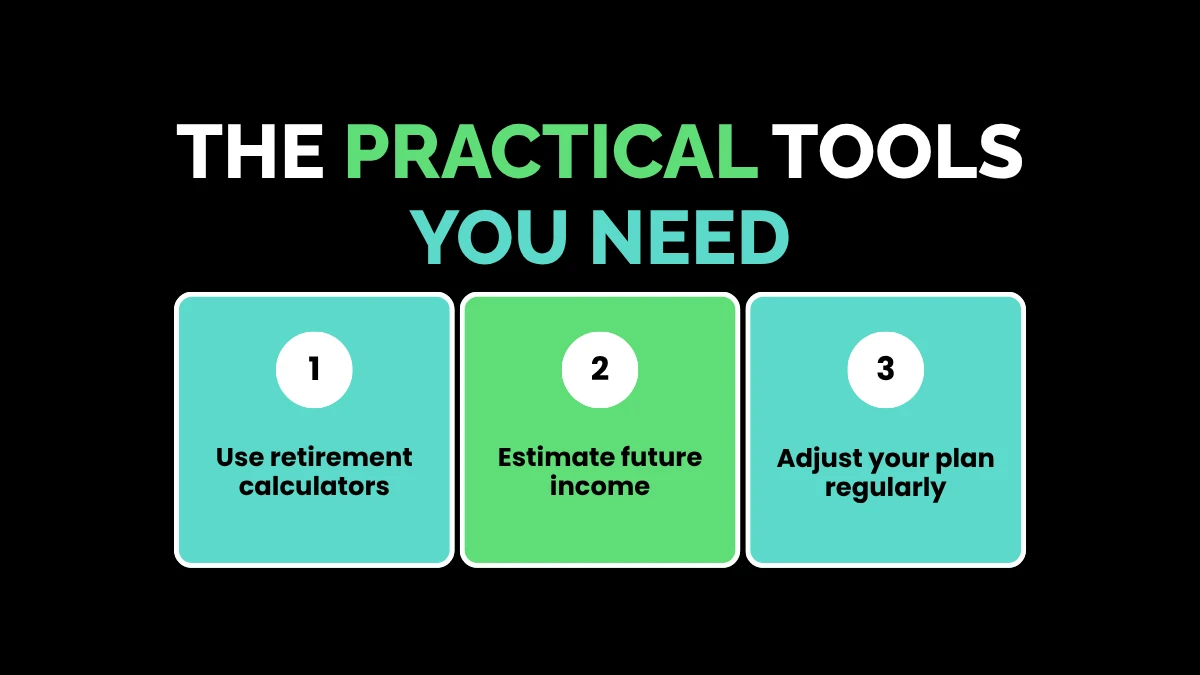
Using a modern, digital interactive tool can make the entire planning process incredibly clear and surprisingly stress-free.
Running Your Own Numbers
A high-quality retirement savings calculator is your best friend when it comes to customizing your financial roadmap.
You can plug in your current age, your total saved balance, and your expected monthly expenses to see instant results.
Here are the key inputs you should gather before you test out a calculator online:
-
Your current total liquid net worth and retirement account balances.
-
Your estimated annual spending needs, including fun travel and basic living costs.
-
Expected guaranteed income sources like Social Security benefits or monthly pensions.
-
A realistic estimate of your life expectancy based on your family health history.
We love playing with these inputs at Weirdwealth because changing a single small number can show you completely new possibilities.
It gives you the control to see exactly how long will my retirement savings last if you decide to work just one more year.
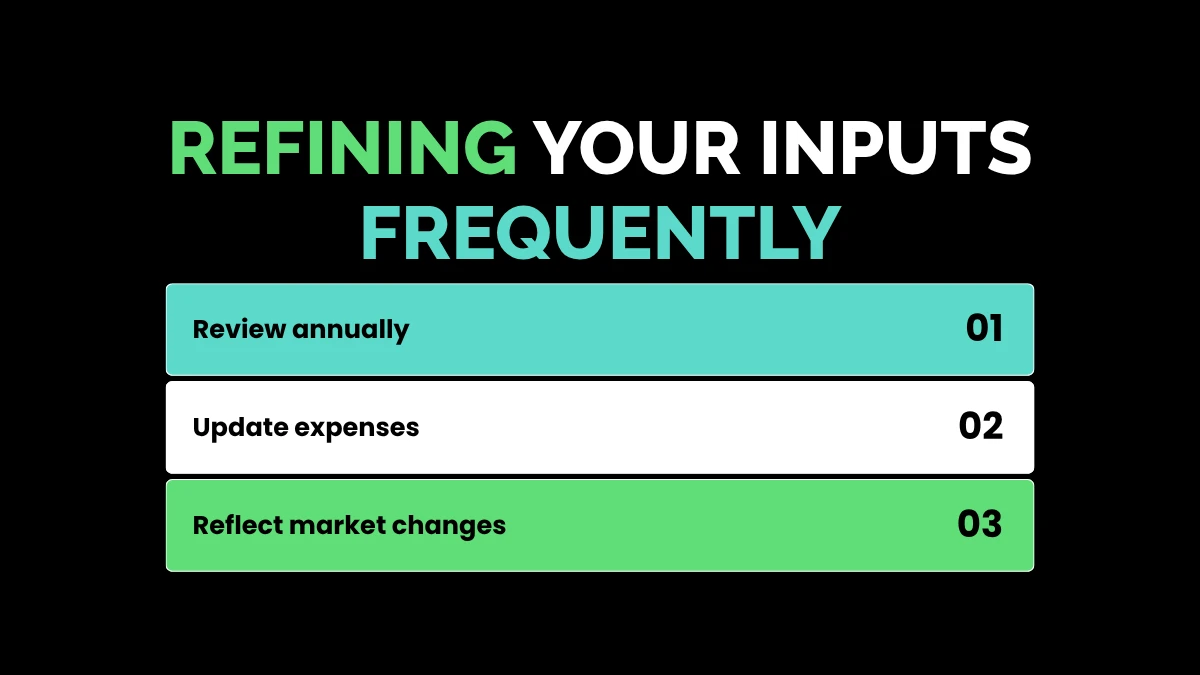
Refining Your Inputs Frequently
Do not just look at a calculator once and then forget about it for the next five years of your life.
Treat it as a living document that you update whenever your personal life circumstances or the broader economy shifts.
Managing Your Pull Rate Wisely
The speed at which you take money out of your accounts dictates your long-term success more than almost anything else.
Finding the perfect, balanced lifestyle pace ensures you enjoy your wealth without constantly worrying about running out of cash.
Finding Your Sweet Spot
Your chosen retirement withdrawal rate should never be set in stone like a permanent monument.
If the stock market has a fantastic year, you might feel comfortable spending a little extra on a big family vacation.
If the market takes a painful dive, trimming your discretionary spending slightly can save your portfolio from permanent, long-term damage.
This flexible approach keeps your nest egg safe and sound through all kinds of unpredictable economic weather patterns.
In most cases, staying dynamic is the ultimate secret weapon of happy, stress-free retirees who never run out of money.
The Guardrails Strategy
Setting upper and lower boundaries for your spending helps you make objective decisions rather than emotional ones during market scares.
If your total portfolio value drops below a certain threshold, you automatically trigger a pre-planned, temporary spending cut.
Let’s compare a rigid spending strategy against a flexible spending strategy to see which one fits your personality better.
| Strategy Type | Market Downturn Action | Portfolio Risk Level | Stress Level |
| Rigid Withdrawal | Keep spending identical amounts | High risk of early depletion | Very high during crashes |
| Flexible Guardrails | Reduce non-essential spending | Low risk of early depletion | Low, manageable control |
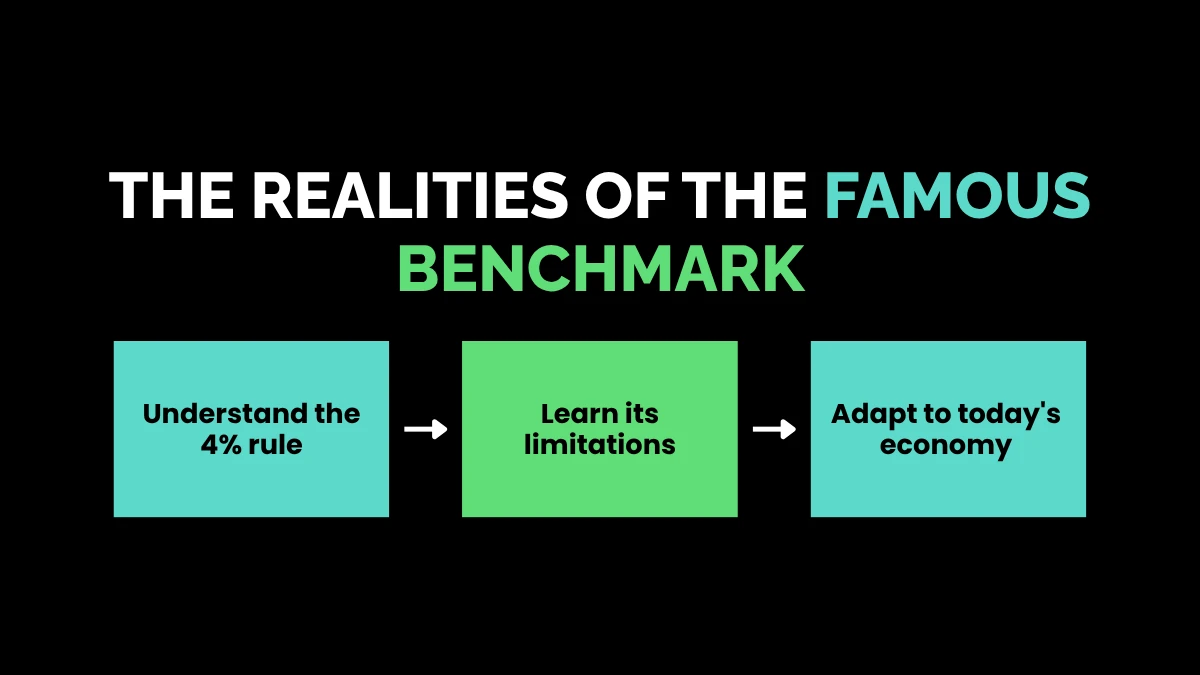
The Realities of the Famous Benchmark
It is important to look deeper into the rules we rely on so we understand their hidden flaws and strengths.
The famous guideline we talked about earlier has a rich history that helps explain its widespread modern adoption.
Where the Rule Comes From
The foundational research for the 4% rule retirement concept was based on historical market data tracking volatile US market cycles.
It looked at terrible economic times, like the Great Depression, to find a spending speed that survived the absolute worst conditions.
Generally, it assumes you maintain a steady, balanced portfolio split evenly between large stocks and reliable bonds.
While it is an amazing starting tool, remember that past historical performance cannot ever guarantee future real-world results perfectly.
Adapting the Benchmark for Modern Times
With interest rates shifting and life expectancies growing longer, some experts suggest starting with a slightly more conservative pull rate.
Dropping your initial rate to 3.5% can provide an extra layer of safety if you plan to retire exceptionally early.
Actionable Steps to Extend Your Nest Egg
If you run your numbers today and realize you might face a shortage down the road, do not panic at all.
There are several highly effective, practical adjustments you can make right now to extend the life of your hard-earned wealth.
By taking control of your plan early, you ensure you can answer the question of how long will my retirement savings last with complete confidence.
Consider implementing these simple shifts to keep your financial future incredibly bright and secure:
-
Delay your Social Security claims to maximize your guaranteed monthly payout amount later.
-
Downsize your primary home or move to an area with a significantly lower cost of living.
-
Pick up a fun, low-stress part-time job or consulting gig to cover your basic lifestyle habits.
-
Focus on reducing high-interest debt completely before you make your final exit from work.
Every small change you make today compounds over time, adding extra years of financial runway to your account balances.
We always tell our readers at Weirdwealth that small, intentional adjustments are always better than massive, sudden lifestyle sacrifices later.
The Final Check In
At the end of the day, understanding how long will my retirement savings last is an ongoing journey, not a one-off destination.
By combining a reliable retirement savings calculator with a flexible mindset, you take the guesswork completely out of the equation.
Keep your initial retirement withdrawal rate reasonable, respect the historical wisdom of the 4% rule retirement framework, and stay adaptable.
You have worked incredibly hard to save this money, and with a little bit of consistent care, it will take great care of you.
Frequently Asked Questions
What is a safe retirement withdrawal rate for a 30-year retirement window?
Generally, a rate between 3.5% and 4% is considered highly safe based on historical market data. This pacing balances your annual income needs while keeping your principal balance intact through normal market drops.
How does a retirement savings calculator help me plan my future spending?
It simulates various economic scenarios, inflation rates, and market returns instantly. This allows you to visualize exactly how different lifestyle choices and spending habits alter your total nest egg longevity over time.
Can I fully rely on the 4% rule retirement plan in modern times?
It is an excellent baseline starting point, but it requires regular adjustments for modern inflation and personal health shifts. Combining it with a dynamic, flexible spending plan offers the highest level of real security.