

I still remember laughing when a friend told me he had spent money buying internet domain names instead of stocks.
At the time, it sounded like one of the odd investments that made people rich before anyone else even realized their value.
That seemingly strange decision opened my eyes to a completely different side of building wealth.
Years later, those same domains were worth far more than either of us could have imagined. That conversation taught me an important lesson: the best investment opportunities often look ridiculous before they look brilliant.
That’s exactly what makes odd investments that made people rich so fascinating. Some of the biggest wealth-building opportunities didn’t begin on Wall Street or in luxury real estate. They started with assets that most people ignored, dismissed, or simply didn’t understand.
Of course, not every unusual investment becomes valuable. Many fail completely. The difference usually comes down to a combination of scarcity, timing, growing demand, and the patience to hold an asset long enough for the market to recognize its value.
Understanding those principles is far more important than chasing the latest trend.
In this guide, you’ll explore ten remarkable strange investments success stories, discover why these unconventional assets appreciated so dramatically, and learn the timeless lessons behind their success.
More importantly, you’ll understand how to separate smart investing from speculation, helping you spot genuine opportunities without getting caught up in hype.
AI Overview
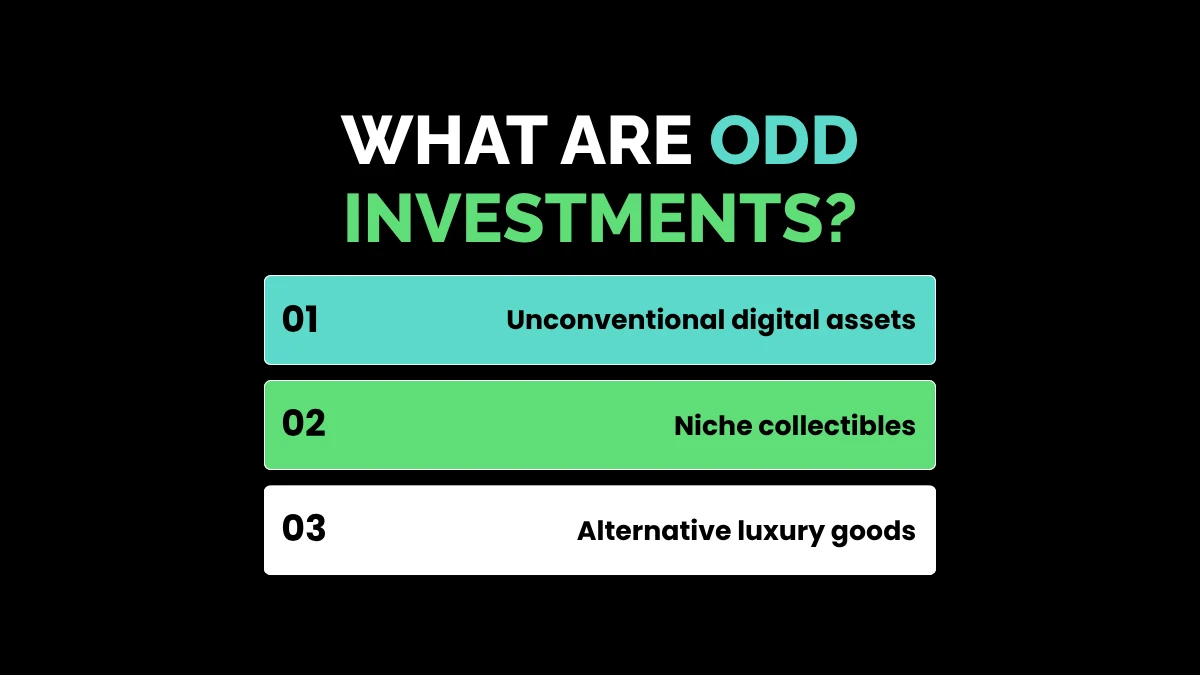
Odd investments are unconventional assets that fall outside traditional investments such as stocks, bonds, or real estate. They include collectibles, digital assets, luxury goods, intellectual property, and other niche markets that have appreciated significantly over time.
Many of these investments initially looked risky, or even ridiculous, but later generated extraordinary returns because demand increased while supply remained limited. Factors such as cultural popularity, technological change, historical significance, and scarcity often played a bigger role than the investment itself.
The stories in this article highlight ten real examples of unusual assets that created substantial wealth for early investors. More importantly, they explain why these investments succeeded, what risks they carried, and whether similar opportunities still exist today. By focusing on the lessons behind each success story instead of simply admiring the profits, you’ll be better equipped to evaluate future opportunities with a balanced, long-term perspective.
Key Takeaways
- Many extraordinary investments began as overlooked or underestimated assets.
- Scarcity and growing demand are often the biggest drivers of long-term value.
- Successful investors usually acted before the wider market noticed the opportunity.
- Every high-return investment also involved significant uncertainty and risk.
- Diversification remains essential when exploring alternative assets.
- Learning why an investment succeeded is more valuable than copying it after the fact.
The Economics Behind Odd Investments That Made People Rich
When people hear about someone becoming wealthy from comic books or sneakers, the first reaction is often disbelief. But these success stories usually aren’t random. There is a clear economic pattern behind the odd investments that made people rich over the last few decades.
But these success stories usually aren’t random.
Behind almost every profitable unconventional investment is a combination of economic principles that influence every market, whether it’s real estate, stocks, or collectible toys.
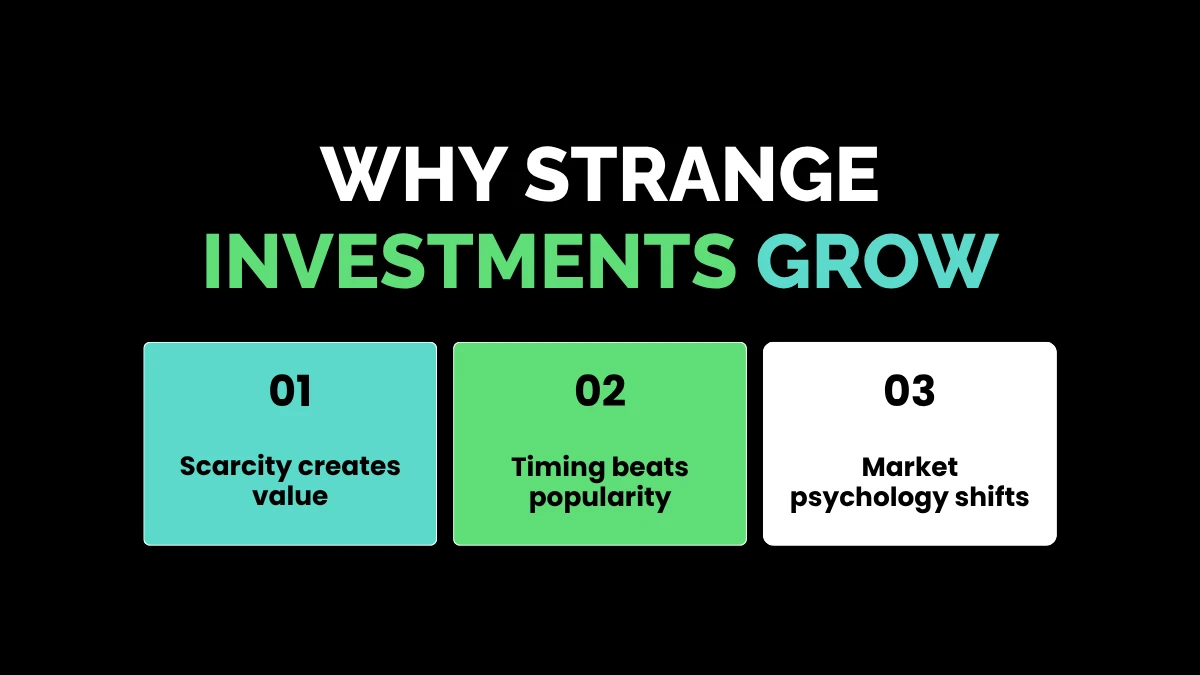
Scarcity Creates Value
One of the strongest drivers of long-term appreciation is scarcity.
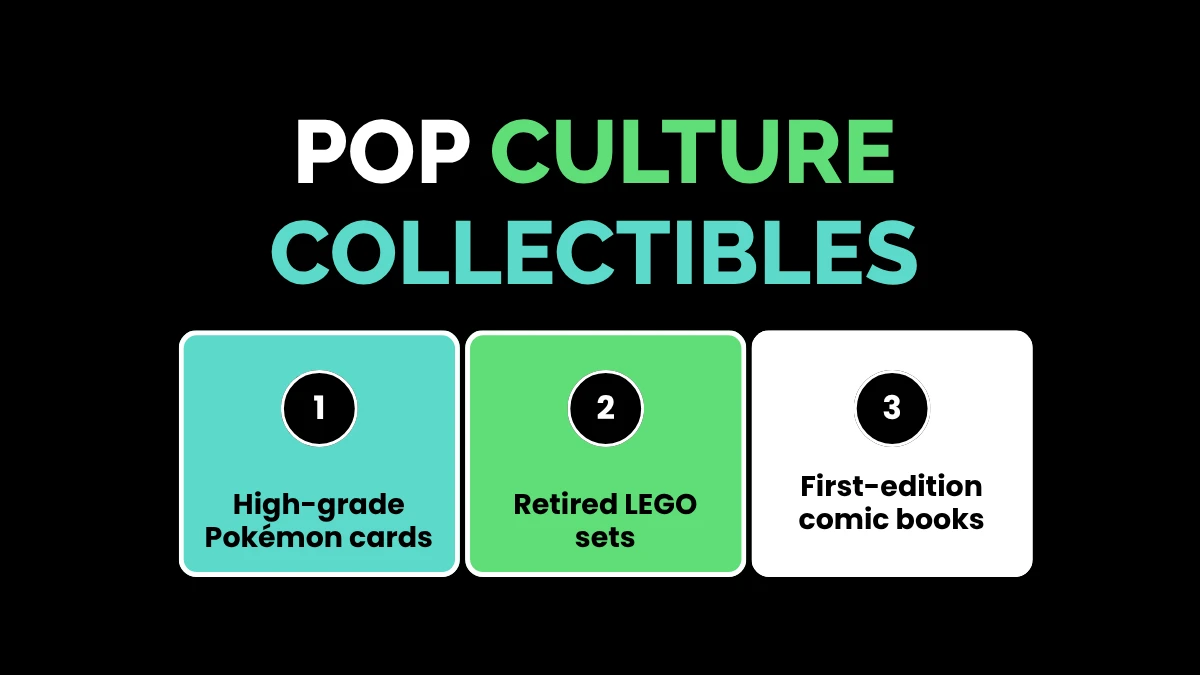
When an item has a limited supply and growing demand, prices naturally increase. This explains why first-edition comic books, rare Pokémon cards, vintage watches, and limited-production automobiles often become far more valuable over time.
Scarcity alone isn’t enough, but when paired with sustained demand, it can create exceptional returns.
Timing Beats Popularity
Many of today’s famous investment stories looked foolish when they began.
Buying internet domain names in the 1990s seemed unnecessary to many people. Purchasing Bitcoin in its early years appeared highly speculative. Even collecting unopened LEGO sets was once viewed as an unusual hobby rather than an investment strategy.
Early investors succeeded because they recognized potential before mainstream attention arrived.
Market Psychology Matters
Markets don’t always value assets rationally.
People often dismiss new ideas because they feel unfamiliar or risky. By the time public opinion changes, much of the biggest price growth has already occurred.
This pattern appears repeatedly across rare investment success stories, where early skepticism eventually gives way to widespread demand.
Analyzing the Odd Investments That Made People Rich
It’s important to distinguish between thoughtful investing and blind speculation.
Successful unconventional investors typically studied their markets, understood supply constraints, monitored demand, and remained patient for years.
Speculators, on the other hand, often buy assets simply because prices are rising.
The difference isn’t always the asset itself; it’s the research behind the decision.
When analyzing the most famous odd investments that made people rich, you will find that successful buyers typically studied their markets, understood supply constraints, and remained patient for years.
1. Domain Names
During the early days of the internet, domain names were inexpensive and widely available.
Many businesses failed to recognize their future importance, allowing forward-thinking investors to register memorable web addresses for only a small fee.
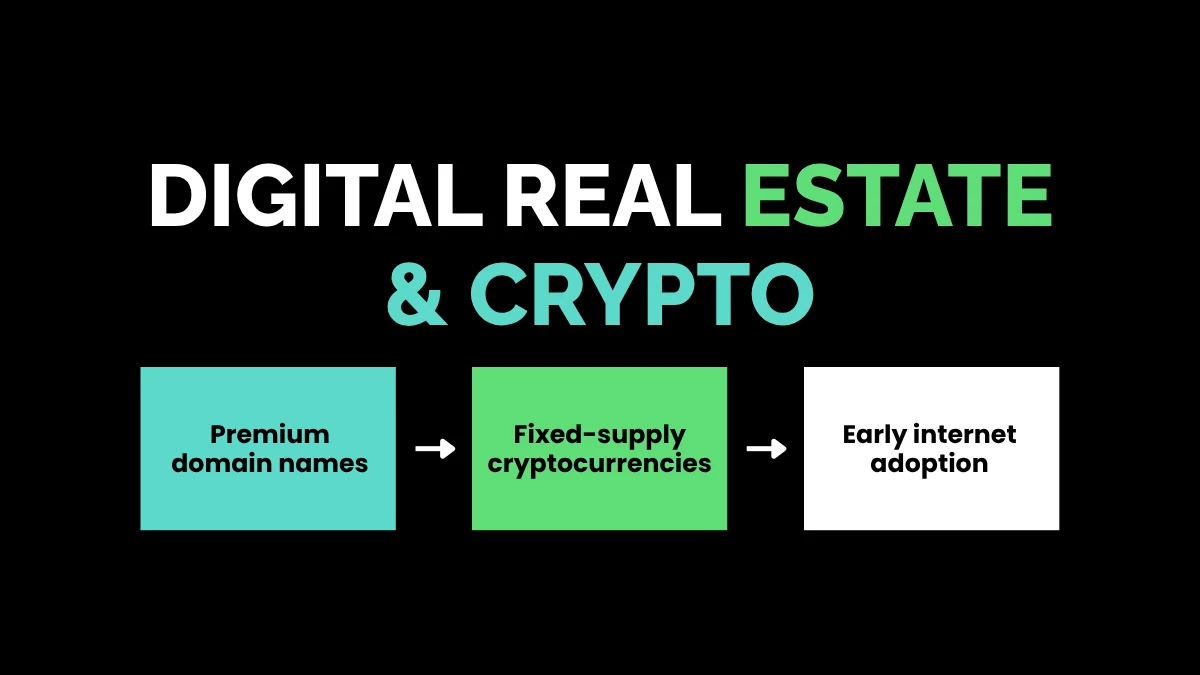
As online commerce exploded, premium domains became digital real estate.
Simple names describing industries, products, or common words began selling for hundreds of thousands, and sometimes millions, of dollars.
One of the most famous examples is Voice.com, which sold for approximately $30 million, while many shorter, keyword-rich domains have repeatedly sold for seven-figure amounts.
Why It Became Valuable
- Limited availability
- Growing internet adoption
- Strong branding value
- High business demand
Could It Still Work Today?
Premium one-word domains are now extremely competitive, but opportunities still exist in emerging technologies, niche industries, and country-specific domains.
Risk Level: Medium
2. Bitcoin
Few investments have sparked as much debate as Bitcoin.
When it launched in 2009, many people dismissed it as an experiment with little practical value. Early adopters could acquire Bitcoin for pennies, and some even received coins for free through online promotions.
As cryptocurrency gained global attention, institutional investment increased, and digital assets became more widely accepted, Bitcoin experienced one of the most remarkable price increases in financial history.
It stands as one of the most prominent digital examples of odd investments that made people rich.
Those who invested early and held through years of volatility often saw returns that traditional investments could rarely match.
Why It Became Valuable
- Fixed supply
- Increasing global adoption
- Institutional interest
- Recognition as a digital asset
Could It Still Work Today?
Bitcoin remains one of the most recognized cryptocurrencies, but its future returns are unlikely to mirror its earliest years. Investors should also expect significant price volatility.
Risk Level: Very High
3. Pokémon Cards
What began as a children’s trading card game eventually became a global collectibles market.
During the late 1990s, millions of Pokémon cards were treated as toys rather than investments. Many were played with, damaged, or discarded, leaving relatively few high-quality cards in circulation.
As the original generation of collectors grew older, and their purchasing power increased, rare cards became highly sought-after collectibles.
Certain first-edition holographic cards have sold for hundreds of thousands of dollars, with a handful reaching even higher prices through private sales and auctions.
Why It Became Valuable
- Limited high-grade supply
- Nostalgia
- Global collector community
- Professional grading systems
Could It Still Work Today?
The market remains active, but success now depends on rarity, condition, authenticity, and long-term collector demand rather than simply buying new card packs.
Risk Level: High
4. LEGO Sets
LEGO may be one of the last things people associate with investing.
Yet unopened, retired LEGO sets have quietly become one of the most surprising alternative investments that worked.
When LEGO permanently retires a set, production ends forever. Popular collections tied to well-known franchises often become increasingly difficult to find, especially in factory-sealed condition.
Collectors willing to store these sets carefully for years have occasionally achieved returns that rival traditional financial assets.
Limited-edition Star Wars, Creator Expert, and modular building sets are among the strongest historical performers.
Why It Became Valuable
- Permanent retirement of sets
- Limited supply
- Strong collector demand
- Global brand recognition
Could It Still Work Today?
Yes, but careful selection matters. Choosing highly anticipated themes with long-term collector appeal is generally more important than buying every new release.
Risk Level: Medium
5. Comic Books
Comic books were once inexpensive entertainment that children read, traded, and often threw away. Few people imagined they would become valuable investment assets decades later.
Today, the rarest first-edition comics are among the most expensive collectibles in the world.
Early issues featuring iconic superheroes such as Superman, Batman, and Spider-Man have achieved record-breaking auction prices because so few high-quality copies remain. This cultural shift transformed simple childhood entertainment into another classic example of odd investments that made people rich.
The combination of historical significance, cultural impact, and scarcity has transformed comic books into a respected alternative investment.
Why It Became Valuable
- Extremely limited surviving copies
- High demand from collectors
- Cultural and historical importance
- Professional grading increased buyer confidence
Could It Still Work Today?
Yes, but opportunities are more selective. Investors typically focus on first appearances of major characters, limited editions, and comics in exceptional condition.
Risk Level: Medium–High
6. Fine Wine
Unlike many luxury goods, certain wines become more valuable as they age.
Prestigious vineyards produce limited quantities each year, and once bottles are consumed, the remaining supply permanently decreases. That shrinking availability often drives prices higher, especially for wines with exceptional reputations.
Collectors and investors have long viewed premium wine as both a luxury asset and a portfolio diversifier.
Rare vintages from renowned producers have generated impressive long-term appreciation while attracting buyers from around the world.
Why It Became Valuable
- Limited annual production
- Decreasing supply over time
- Global demand
- Strong reputation of elite wineries
Could It Still Work Today?
Yes. However, investors need proper storage, authentication, and market knowledge. Wine investing is generally better suited to long-term investors than those seeking quick profits.
Risk Level: Medium
7. Classic Cars
Most vehicles lose value the moment they’re driven off the dealership lot.
Classic automobiles are one of the few exceptions.
Rare production models, historically significant vehicles, and iconic sports cars have appreciated dramatically over the past several decades. Collectors are often willing to pay premium prices for originality, low mileage, documented ownership history, and excellent restoration.
Some vintage Ferrari, Porsche, Mercedes-Benz, and Aston Martin models have sold for millions of dollars at international auctions.
Why It Became Valuable
- Limited production
- Historical significance
- Collector demand
- Exceptional craftsmanship
Could It Still Work Today?
Certain collectible vehicles continue to appreciate, but maintenance, insurance, storage, and restoration costs should always be considered before investing.
Risk Level: Medium
8. Sneakers
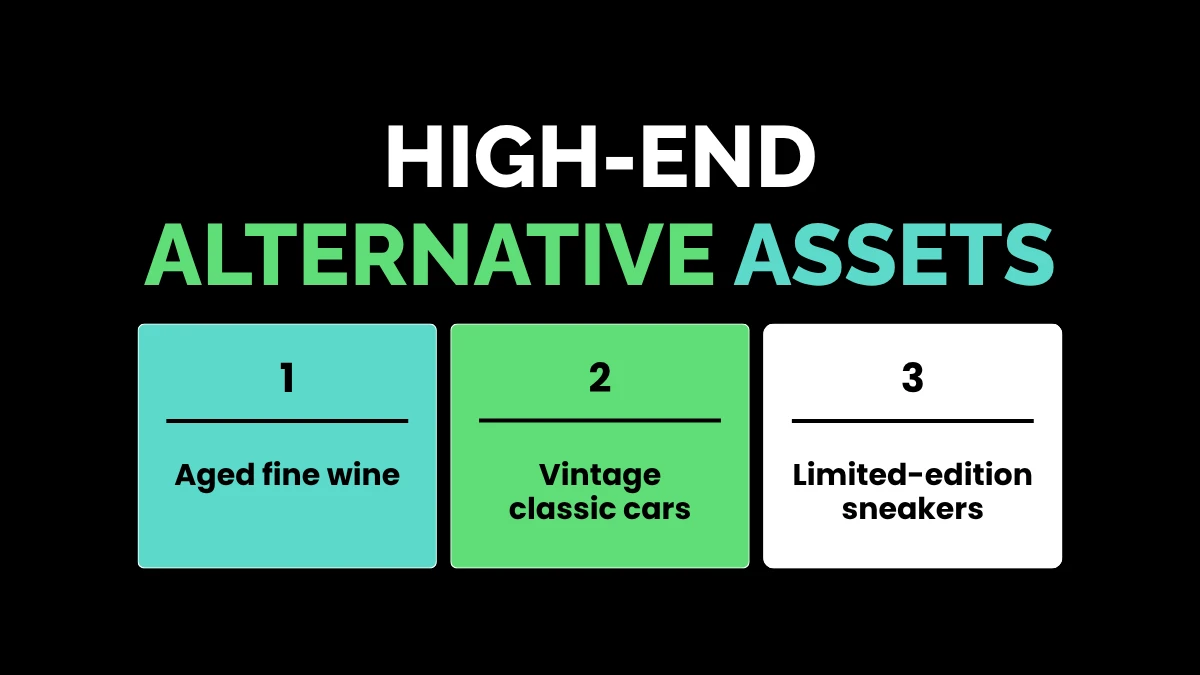
Sneakers have evolved far beyond athletic footwear.
Limited-edition collaborations between major brands, athletes, musicians, and designers have created an active resale market where some pairs sell for many times their original retail price.
Collectors often purchase exclusive releases knowing that limited supply and strong brand recognition may increase resale value over time.
Some of the rarest sneakers have sold for six and even seven figures through auctions and private collectors.
Why It Became Valuable
- Limited production runs
- Strong global collector community
- Celebrity influence
- Growing resale marketplaces
Could It Still Work Today?
Yes, although the market has matured. Success depends on purchasing genuinely limited releases rather than expecting every new sneaker launch to appreciate.
Risk Level: High
9. Rare Artwork
Art has been collected as both a passion and an investment for centuries.
While not every painting becomes valuable, works created by respected artists often appreciate significantly as demand increases and available pieces remain scarce.
Beyond financial returns, artwork offers historical, cultural, and aesthetic value that attracts collectors worldwide.
Auction houses regularly report multi-million-dollar sales for exceptional works, making art one of the oldest unconventional ways to get rich through alternative assets.
Why It Became Valuable
- Scarcity
- Artist reputation
- Historical significance
- International collector demand
Could It Still Work Today?
Yes, but successful art investing requires expertise, authentication, and patience. Beginners should approach the market carefully and seek professional guidance when appropriate.
Risk Level: Medium–High
10. Sports Memorabilia & Trading Cards
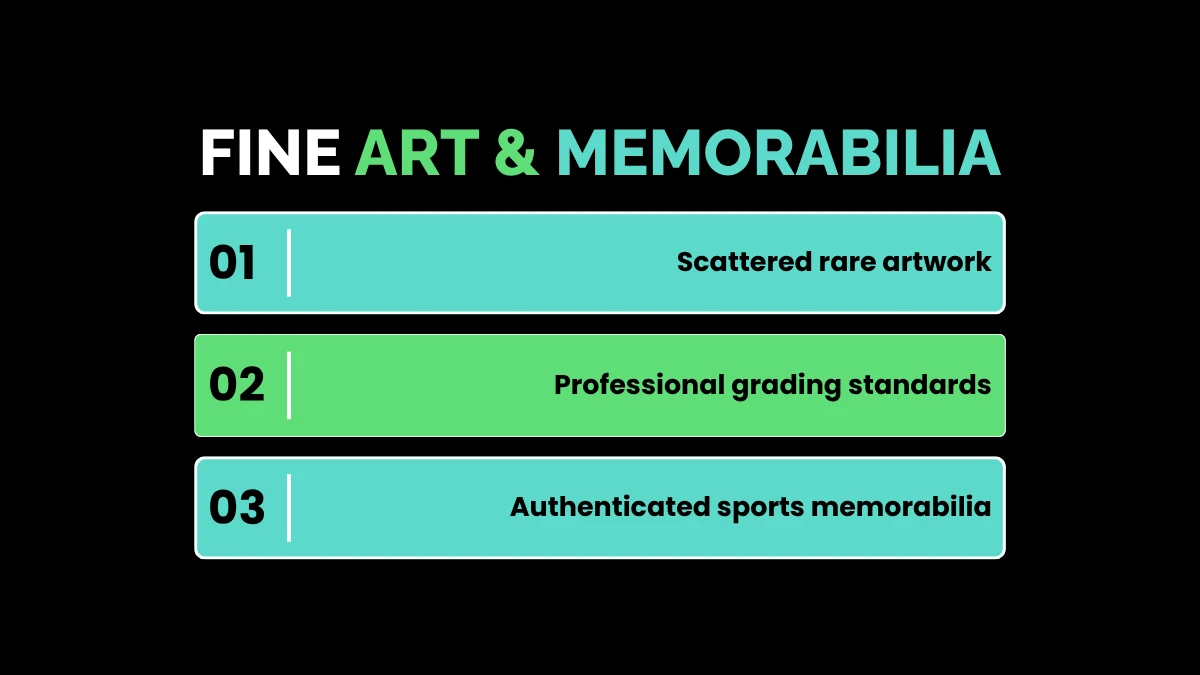
Signed jerseys, championship equipment, rookie cards, and game-used collectibles have become serious investment assets over the past two decades.
As professional grading standards improved and online marketplaces expanded, collectors gained greater confidence in authenticity and condition.
Rare rookie cards featuring legendary athletes have reached astonishing auction prices, particularly when preserved in near-perfect condition.
Why It Became Valuable
- Limited authentic supply
- Emotional connection with fans
- Professional grading
- Growing international collector market
Could It Still Work Today?
Yes. Investors should prioritize authenticity, rarity, condition, and long-term demand instead of chasing short-lived trends.
Risk Level: Medium–High
Risk vs. Reward Comparison
| Investment | Return Potential | Risk | Liquidity | Worth Considering Today? |
| Domain Names | High | Medium | Medium | Yes |
| Bitcoin | Very High | Very High | High | Yes |
| Pokémon Cards | High | High | Medium | Selectively |
| LEGO Sets | Medium–High | Medium | Medium | Yes |
| Comic Books | High | Medium–High | Medium | Yes |
| Fine Wine | Medium | Medium | Low | Yes |
| Classic Cars | High | Medium | Low | Selectively |
| Sneakers | High | High | Medium | Limited Opportunities |
| Rare Artwork | High | Medium–High | Low | Experienced Investors |
| Sports Memorabilia | Medium–High | Medium | Medium | Yes |
No investment is guaranteed to generate extraordinary returns.
The most successful investors focused on assets they understood, remained patient, and resisted the temptation to follow every market trend.
How to Find New Odd Investments That Made People Rich

Finding the next great opportunity is less about luck and more about observation.
Look for Scarcity
Assets with permanently limited supply generally have stronger long-term appreciation potential than products that can easily be reproduced.
Follow Emerging Trends
New technologies, hobbies, and cultural movements often create investment opportunities before mainstream adoption.
Recognizing these early shifts is usually the first step to discovering the kind of odd investments that made people rich in previous generations.
Evaluate Long-Term Demand
Ask yourself whether people are likely to care about the asset ten or twenty years from now, not just next month.
Understand Liquidity
A valuable asset isn’t always easy to sell.
Before investing, consider how easily buyers can be found and whether transaction costs will reduce potential profits.
Avoid Hype
Many speculative markets experience rapid price increases followed by equally dramatic declines.
Strong investments are supported by genuine demand rather than temporary excitement.
Common Mistakes Investors Make
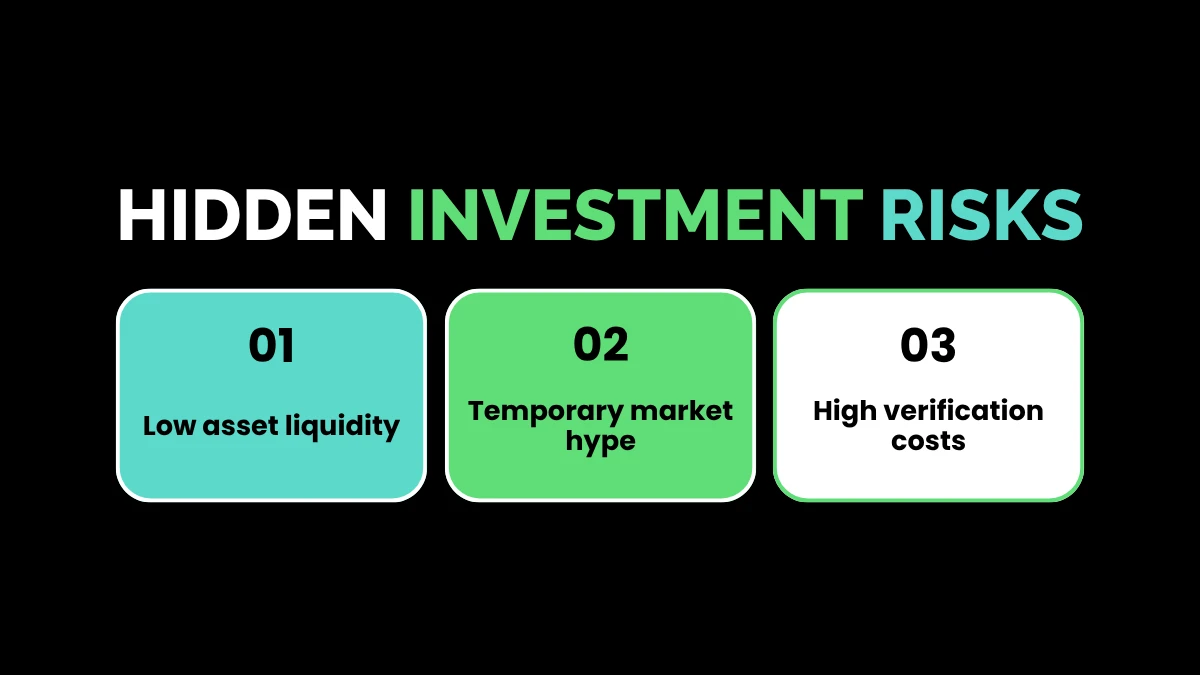
Alternative investments can be rewarding, but they also carry unique risks.
Avoid these common mistakes:
- Buying solely because prices are rising.
- Ignoring authenticity and condition.
- Investing money you can’t afford to leave untouched.
- Failing to diversify.
- Expecting every unusual asset to repeat past success.
Patience and research consistently outperform excitement and impulse.
Are Odd Investments Worth It Today?

The answer depends on your goals.
Alternative assets can add diversification and provide exposure to markets that behave differently from stocks or bonds. However, they should complement a well-balanced portfolio rather than replace traditional investments.
Most financial professionals recommend building a strong foundation with conventional investments before allocating a smaller portion of your portfolio to higher-risk opportunities.
The biggest lesson from these rare investment success stories isn’t that unusual assets always succeed.
It’s that exceptional opportunities often appear ordinary, or even ridiculous, before the rest of the world recognizes their value.
Conclusion
Looking back, it’s easy to believe that buying Bitcoin, collecting Pokémon cards, or registering domain names was an obvious decision.
At the time, it wasn’t.
The historical reality of odd investments that made people rich is that they were almost always dismissed as strange, risky, or unnecessary until changing markets proved otherwise.
That doesn’t mean every unconventional investment will create wealth. In fact, many won’t.
The real takeaway is that successful investors rarely chase headlines. They study markets, understand scarcity, recognize long-term demand, and stay patient while others overlook potential opportunities.
Whether you’re exploring collectibles, digital assets, or other alternative investments, let curiosity guide your research, but let discipline guide your decisions.
Frequently Asked Questions
1. What are odd investments?
Odd investments are unconventional assets such as collectibles, digital assets, luxury goods, or memorabilia that can appreciate significantly over time.
2. Can unusual investments really make people rich?
Yes, some have generated exceptional returns, but they also involve substantial risk and require careful research, patience, and diversification.
3. Are collectibles good long-term investments?
Certain collectibles have performed well historically, particularly those with limited supply, strong demand, and verified authenticity, although future returns are never guaranteed.
4. What’s the difference between investing and speculation?
Investing relies on research, long-term value, and disciplined decision-making, while speculation often depends on short-term price movements and market hype.
5. Should beginners invest in alternative assets?
Beginners should first build a diversified portfolio of traditional investments before allocating a small portion to carefully researched alternative assets.