

Key Takeaways
-
Know your numbers and budget before buying
-
Start small with house hacking or REITs
-
Research local markets for steady cash flow
-
Build a cushion for repairs and vacancies
Ever thought about building real wealth while you sleep?
Buying property can feel scary when you are starting from zero. But getting into property investment for beginners doesn’t require a fortune or a finance degree. The secret is taking simple, smart steps without rushing into high-risk deals.
Here at Weird Wealth, we believe anyone can master real estate investing tips for beginners by focusing on solid cash flow, local market research, and long-term value.
AI Overview
Looking for real estate investing tips for beginners? Start by analyzing your budget, setting clear cash flow goals, and choosing simple real estate investing strategies like REITs or house hacking. Focus on location, manage risks wisely, and build a financial safety net before buying your first deal.
1. Get Your Finances in Order First
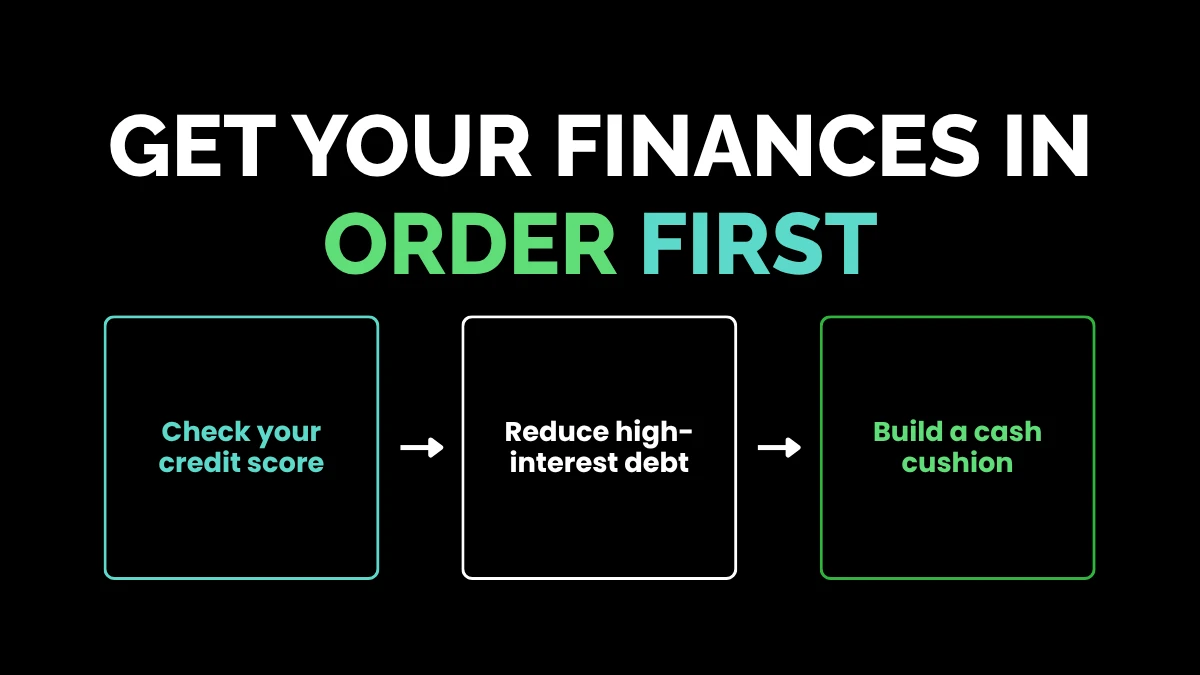
Before looking at houses, check your credit score and bank account. Lenders want to see stability before handing over money for beginner real estate investing.
Clear out high-interest credit card debt right away to improve your debt-to-income ratio. Save up a dedicated cash cushion for unexpected property repairs and closing costs.
Building a strong financial foundation ensures you secure the best mortgage rates possible. It also gives you peace of mind when unexpected expenses crop up later.
2. Set Clear Investment Goals
Why do you want to learn how to invest in real estate? Are you looking for monthly rental income or long-term price appreciation?
Knowing your exact goal helps you choose the right real estate investment tips to follow. Different strategies deliver completely different financial results over time.
| Goal Type | Focus Area | Expected Timeline |
| Cash Flow | Monthly rental profit | Immediate |
| Appreciation | Long-term property value | 5–10+ Years |
| Hybrid | Balanced rent and growth | Medium to Long Term |
3. Start Small with House Hacking
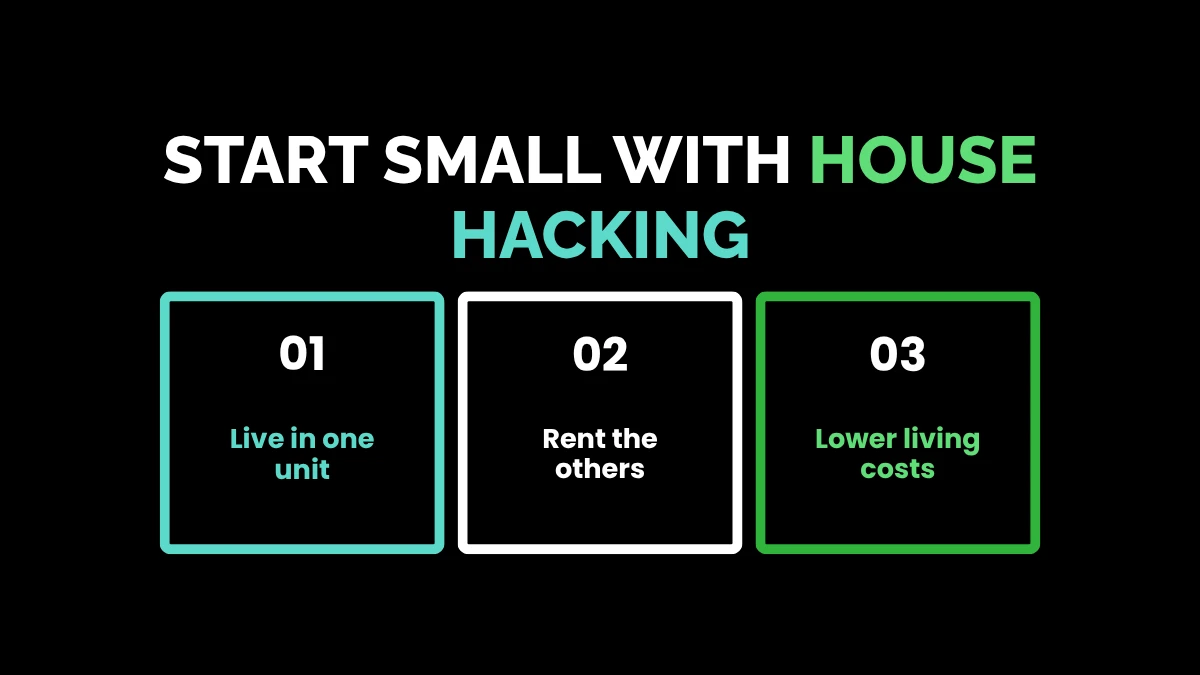
You don’t need to buy a 20-unit building on day one. House hacking is one of the easiest real estate investing strategies for total newcomers.
You simply buy a small multi-family property, live in one unit, and rent out the others. Your tenants basically pay your mortgage while you build equity for free.
This approach lowers your living expenses while teaching you the ropes of landlord life. It is widely considered the safest way to jump into physical property.
4. Explore Low-Cost Alternatives Like REITs
Not ready to manage tenants or fix leaking pipes at 2 AM? You can still use smart real estate investing tips for beginners without buying physical land.
Real Estate Investment Trusts (REITs) let you buy shares of real estate portfolios on the stock market. It is a great way to learn real estate investing strategies with total flexibility.
You earn passive dividend income without worrying about property upkeep or management. Plus, you can start investing with as little as fifty dollars.
5. Master Your Local Market Research

Location determines whether your property makes money or loses it. Look for neighborhoods with growing job markets, good schools, and low crime rates.
- Neighborhood population growth trends
- Local employment rates and job creation
- Average rental rates in the immediate area
- School district ratings and local amenities
- Future city infrastructure developments and zoning plans
6. Run the Numbers Realistically
Never buy a house based on how pretty the kitchen looks. Always base your choices on real property investment for beginners metrics.
Calculate expected rent, mortgage payments, property taxes, insurance, and maintenance costs. Be sure to account for potential vacancy months throughout the year.
If the numbers don’t show a positive return, walk away from the deal immediately. Emotionally detached math is your best protection against financial losses.
7. Understand the 1% Rule
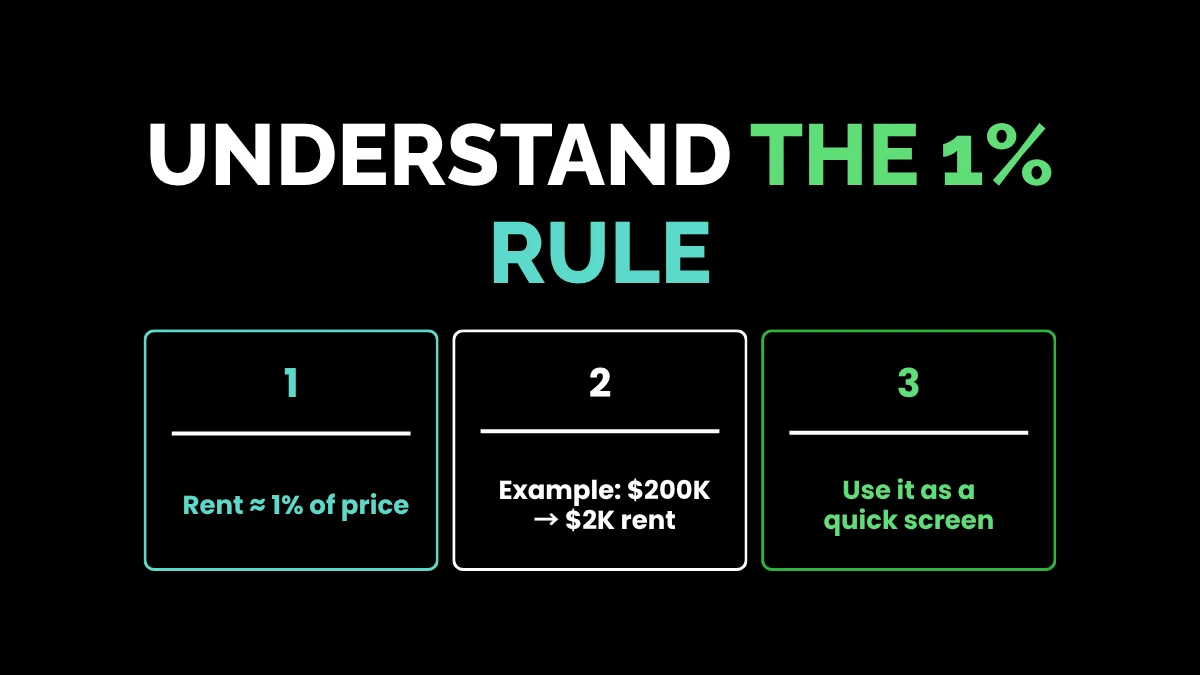
The 1% rule is a quick shortcut used in beginner real estate investing to screen deals fast. The monthly rent should ideally equal at least 1% of the total purchase price.
For example, a $200,000 home should rent for around $2,000 per month in most cases. This simple benchmark helps you filter out overvalued properties instantly.
While not a strict law, it helps you eliminate bad deals quickly without wasting time. Always do deeper calculations before signing any official offer.
8. Build a Solid Reserve Fund
Unexpected expenses happen to every single landlord eventually. A roof might leak, or a tenant might move out suddenly without warning.
Having 3 to 6 months of property expenses saved keeps you safe from severe cash crunches. It acts as a shock absorber when maintenance emergencies pop up.
At Weird Wealth, we always remind investors that liquid cash protects your physical assets. Never deplete your entire savings account just to close a real estate deal.
9. Choose the Right Financing Option
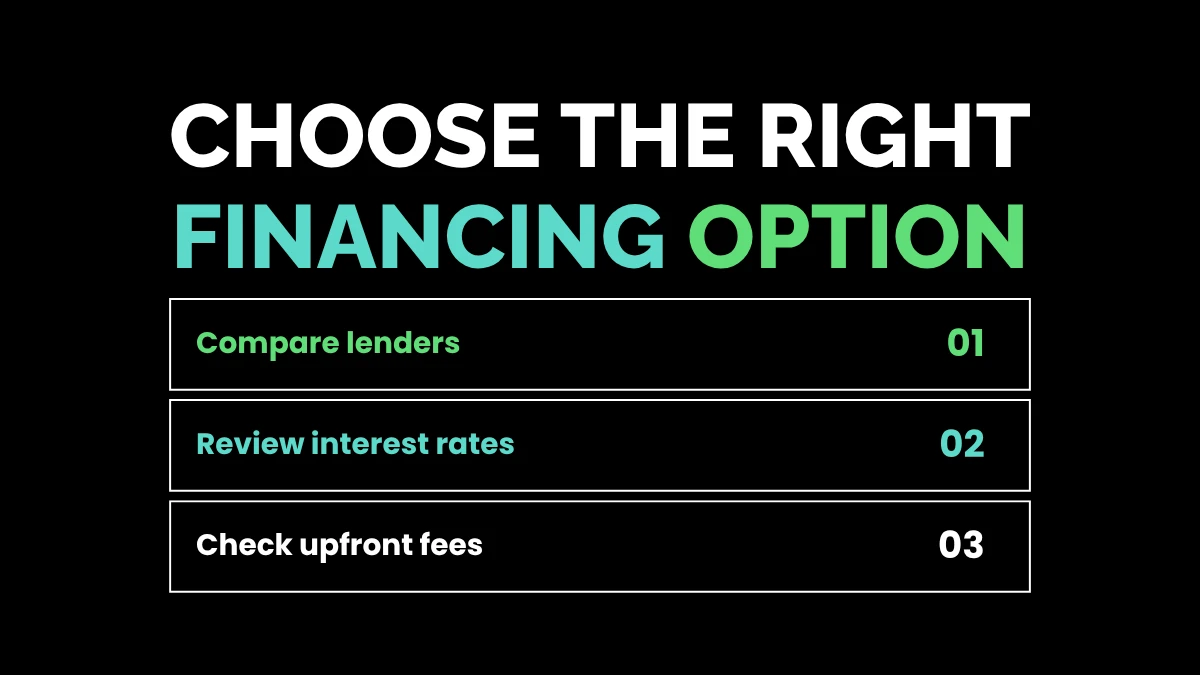
Don’t settle for the very first loan quote you receive from a lender. Shop around with local banks, mortgage brokers, and credit unions to find competitive terms.
Compare conventional loans, FHA options, and private lending terms carefully. Pay close attention to interest rates, loan duration, and upfront lender fees.
Finding a lower interest rate saves you tens of thousands over the life of your investment. Take time to negotiate terms that maximize your monthly cash flow.
10. Learn How to Value Properties
Understanding true market value keeps you from overpaying on purchase day. Look at recent sales of similar homes in the immediate neighborhood to establish baseline prices.
Compare price per square foot, property age, and overall condition across all local listings. Factor in needed repairs before deciding what a property is actually worth.
This core skill helps you find undervalued homes with instant equity potential. Buying below market value gives you immediate profit protection from day one.
11. Focus on Long-Term Cash Flow Over Quick Flips
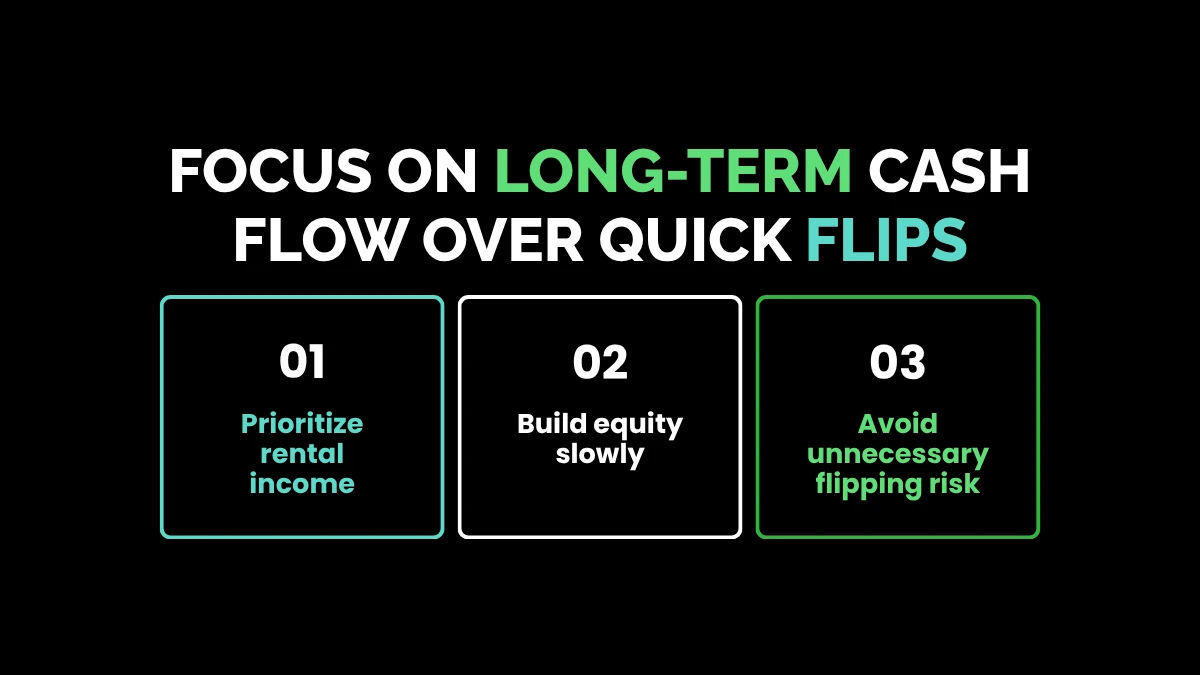
Flipping houses on television looks fast, fun, and extremely profitable. In reality, house flipping carries big risks and high costs for complete beginners.
Focusing on long-term rental cash flow provides steady, predictable wealth over time. Rental income pays down your debt while building long-term equity quietly.
It is generally much safer to buy and hold stable income assets for the long haul. Slow and steady portfolio growth creates lasting financial security.
12. Screen Your Tenants Thoroughly
A bad tenant can cost you thousands in unpaid rent and legal property damages. Always run full background checks, credit reports, and employment verification on every applicant.
Call previous landlords to ask about their actual payment history and cleanliness habits. Never skip screening steps just to fill a vacant unit quickly.
Taking extra time during screening saves you huge legal and financial headaches later on. Great tenants are the backbone of a successful real estate business.
13. Know the Legal Rules and Local Laws
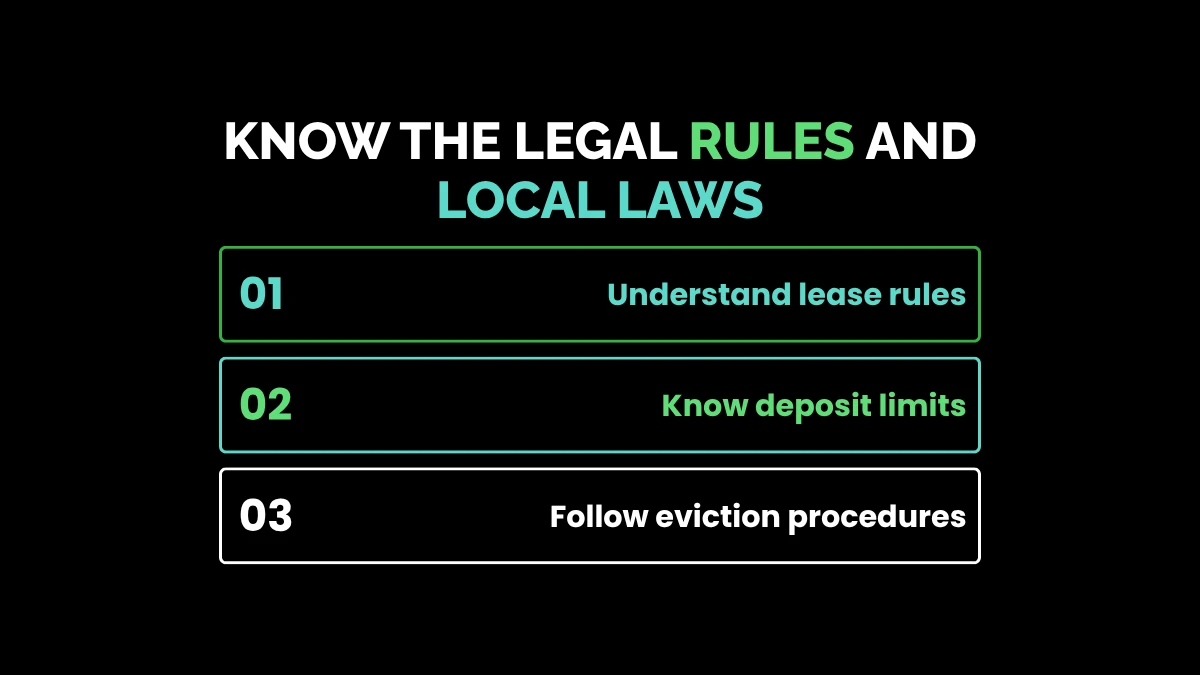
Landlord-tenant laws vary wildly depending on your city, state, and country. Learn about lease agreements, security deposit limits, and legal eviction procedures beforehand.
Following local housing rules keeps your investment business fully compliant and legally safe. Ignoring landlord regulations can result in heavy court fines and lost revenue.
Consider hiring a local real estate attorney to review your standard rental contracts. Having professional legal guidance protects your growing property assets over time.
14. Treat Your Investments Like a Real Business
Investing isn’t a casual weekend hobby; it is a serious business operation. Keep separate bank accounts for your property income and personal daily spending.
Track every single expense accurately and save receipts for tax season benefits. Using organized record-keeping systems makes financial management stress-free and simple.
- Open a dedicated business checking account
- Use specialized accounting software for rent collection
- Save every repair receipt for tax write-offs
- Track mileage when visiting your rental properties
15. Learn Continuously and Build Your Network
The real estate market changes, so your strategic knowledge needs to grow too. Connect with local real estate agent networks, contractors, and fellow local investors regularly.
Asking questions and learning from others speeds up your learning process massively. Surrounding yourself with experienced mentors gives you access to off-market deals.
Great advice from experienced peers prevents costly beginner mistakes along the way. Continual learning ensures your investment approach stays profitable in any market condition.
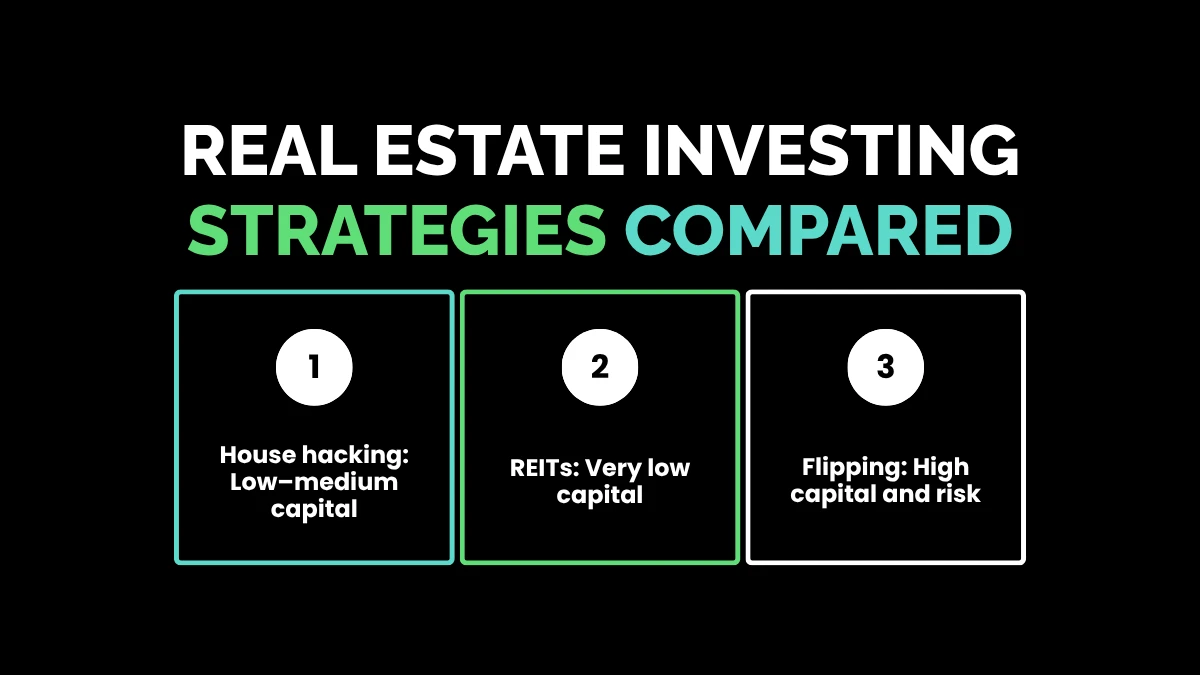
Real Estate Investing Strategies Compared
| Strategy | Upfront Capital | Effort Level | Risk Level |
| House Hacking | Low to Medium | Medium | Low |
| REITs | Very Low | Low (Passive) | Medium |
| Buy & Hold Rentals | Medium to High | Medium | Low to Medium |
| House Flipping | High | High | High |
Conclusion
Getting started in property investment for beginners doesn’t have to feel overwhelming or impossible.
By applying these basic real estate investing tips for beginners, you can confidently evaluate deals, reduce risk, and start growing your long-term wealth step by step.
Pick one strategy that fits your current budget today, build a solid safety cushion, and start exploring your local market opportunities with Weird Wealth.
Frequently Asked Questions
How much money do I need to start investing in real estate?
You can start with as little as $100 through REITs, or around 3.5% down payment for house hacking using an FHA loan.
Is real estate investing safe for complete beginners?
It is generally safe if you do thorough market research, run accurate numbers, start small, and maintain an emergency cash reserve fund.
How do I know if a rental property is a good deal?
A good deal generates positive monthly cash flow after paying all operating expenses, taxes, insurance, and emergency reserve savings.
Should I manage my rental property myself or hire a manager?
Managing it yourself saves money when starting out, but professional managers save time if you prefer passive income stream results.