
Key Takeaways
-
Know your vehicle equity first
-
Get multiple dealer quotes
-
Payoff auto loan options explained
-
Avoid rolling over negative equity
-
Save big on sales tax
Ever stared at your driveway and wondered if you can swap your current ride while you still owe the bank?
The short answer is yes, you can absolutely trade in a financed car.
In fact, dealerships do this every single day.
When you trade in a vehicle with an active loan, the dealer simply pays off your remaining balance and rolls any difference into your new deal.
Here at Weird Wealth, we want to make sure you do not lose money in the process.
Before signing anything, you need to know where your loan stands and how much your car is actually worth.
Quick Summary
Trading in a financed car is a straightforward process where a dealership pays off your outstanding balance and applies your remaining vehicle equity toward a new purchase. If you owe less than the car is worth, that positive equity reduces your new loan. If you owe more, you face negative equity, which you must pay out of pocket or roll into your new auto loan.
What Does It Mean to Trade In a Financed Car?
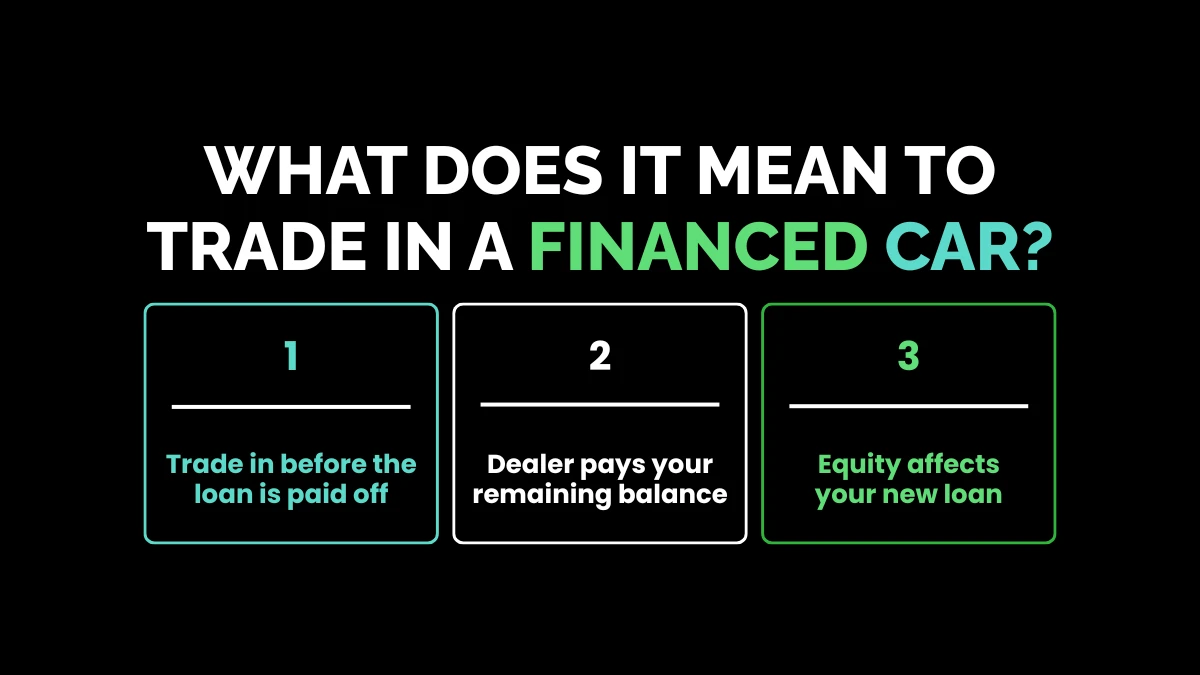
Trading in a car with an auto loan means transfering the vehicle’s ownership before you fully own it.
Since your lender holds the title, they must be paid off to release it.
If your car is worth $20,000 and you owe $15,000, you have $5,000 in vehicle equity.
That $5,000 acts just like cash for your down payment.
What if you owe $22,000 on that same car?
Then you have $2,000 in negative equity, often called being “underwater” on your loan.
15+ Essential Tips for Trading In a Financed Car
Handling a trading car with outstanding loan situation requires a bit of prep work.
Follow these steps to protect your wallet.
1. Check Your Current Payoff Amount
Do not rely on the balance listed on your monthly statement.
Call your lender directly or log into your portal to request an official payoff quote.
This number includes daily accruing interest and gives you the exact amount needed to fully payoff auto loan obligations.
2. Determine Your Car’s Current Value
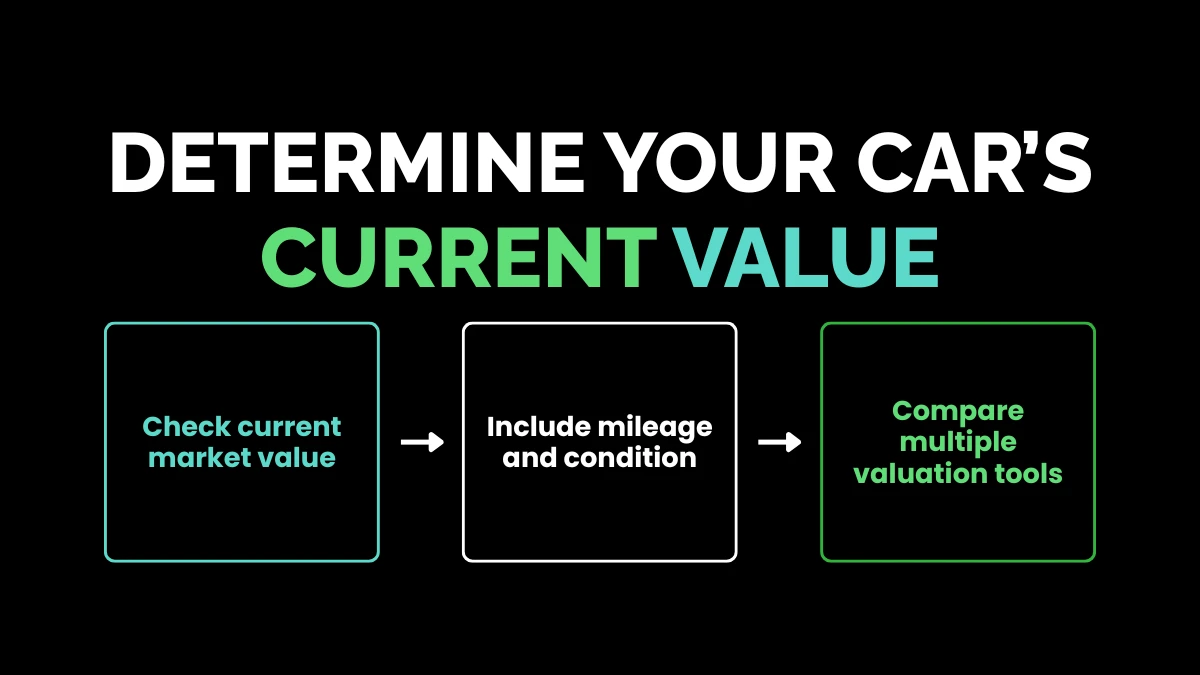
Use online valuation tools like Kelley Blue Book or Edmunds.
Enter your exact mileage, condition, and trim level to get a realistic estimate.
This gives you a baseline before stepping foot on a dealer lot.
3. Calculate Your Vehicle Equity
Subtract your loan payoff amount from your car’s market value.
-
Positive Equity: Value is higher than loan balance.
-
Negative Equity: Loan balance is higher than market value.
Knowing this number tells you whether you have extra cash to spend or a gap to cover.
4. Gather Essential Loan Documentation
Bring your account details, lender contact information, and current driver’s license.
Having these ready speeds up the deal and keeps the salesperson from making assumptions about your balance.
5. Get Multiple Trade-In Quotes
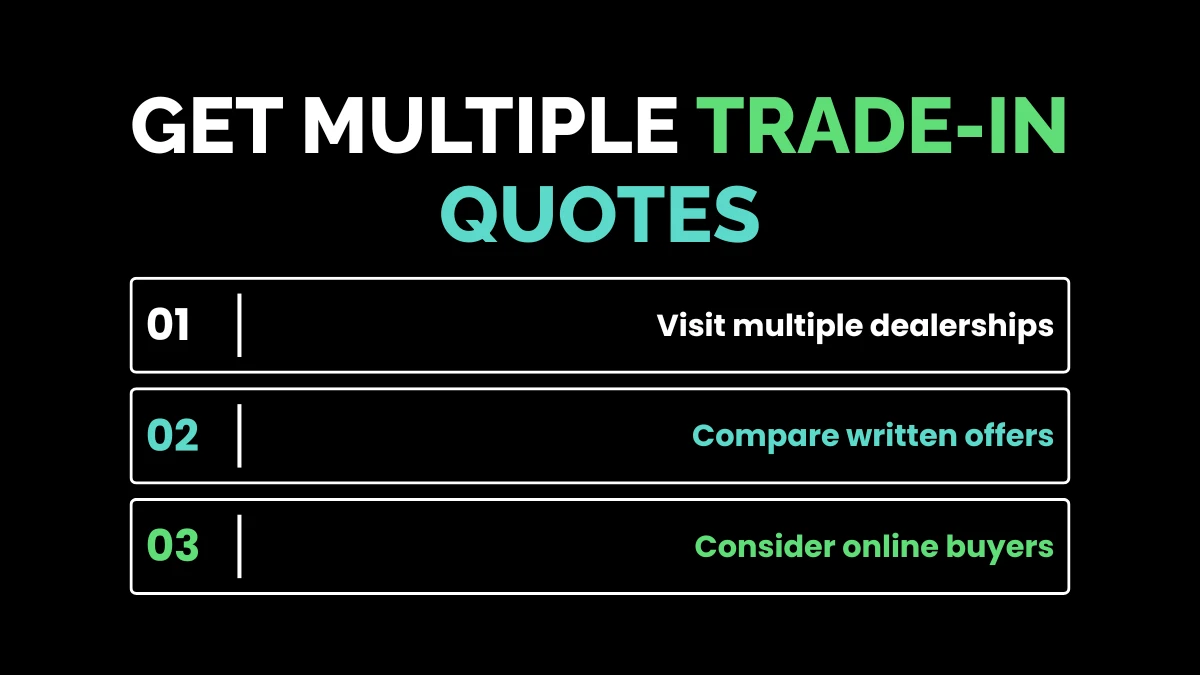
Never accept the first offer you receive.
Visit at least two local dealerships and get written quotes from online buyers like CarMax or Carvana.
At Weird Wealth, we always advise shopping around because trade-in offers can vary by thousands of dollars.
Understanding Positive vs. Negative Vehicle Equity
Your equity status determines your entire strategy when you trade in a financed car.
| Equity Type | What It Means | Your Next Move |
| Positive Equity | Car value is greater than loan balance | Use the profit as a down payment on your next vehicle |
| Negative Equity | Car value is less than loan balance | Pay the difference out of pocket or delay the trade-in |
6. What to Do with Positive Equity
If you have positive equity, you are in a great position.
The dealership writes a check to your lender to clear your balance.
The leftover cash goes directly toward lowering the price of your next car.
7. How to Handle Negative Equity
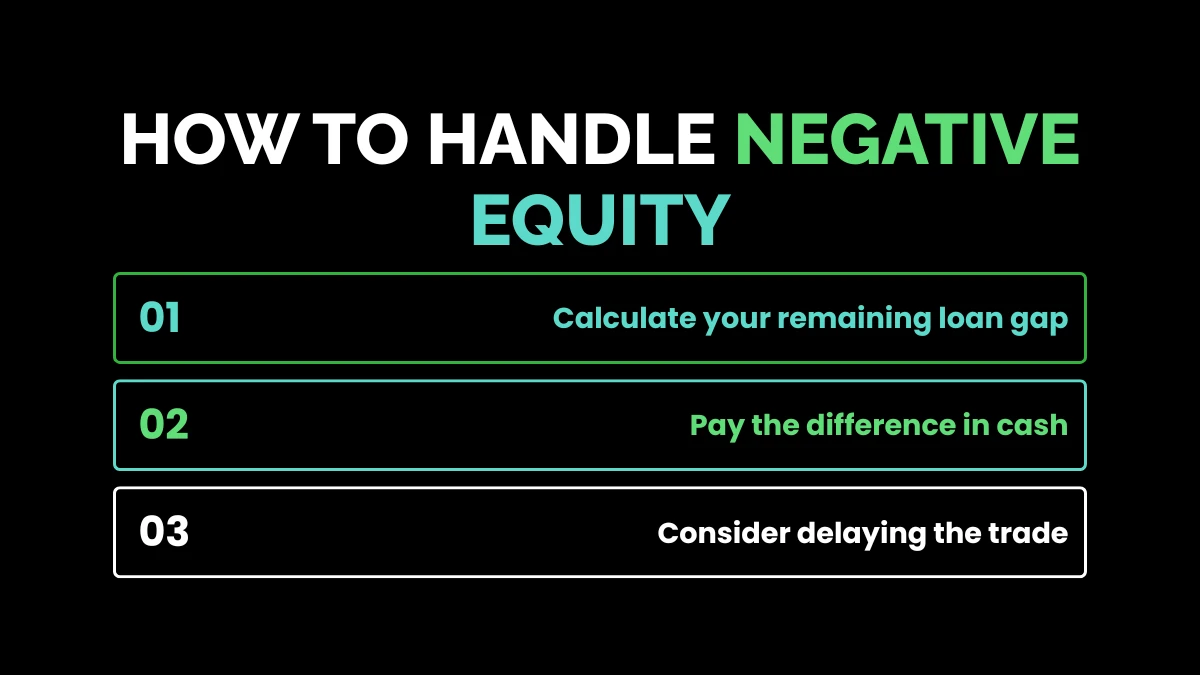
Having negative equity makes trading car with outstanding loan balances trickier.
If you owe $18,000 on a car worth $15,000, that $3,000 deficit does not magically vanish.
You either pay it in cash or roll it into your new auto loan.
8. Avoid Rolling Over Negative Equity
Rolling old debt into a new loan is a risky move.
It increases your new monthly payment and immediately puts you underwater on the new car.
If possible, delay your trade-in until you pay down the balance.
9. Pay the Difference Out of Pocket
If you must trade in right now, cover the negative gap with cash.
Paying that $2,000 or $3,000 upfront keeps your new loan clean and manageable.
10. Look for Dealer Rollover Incentives
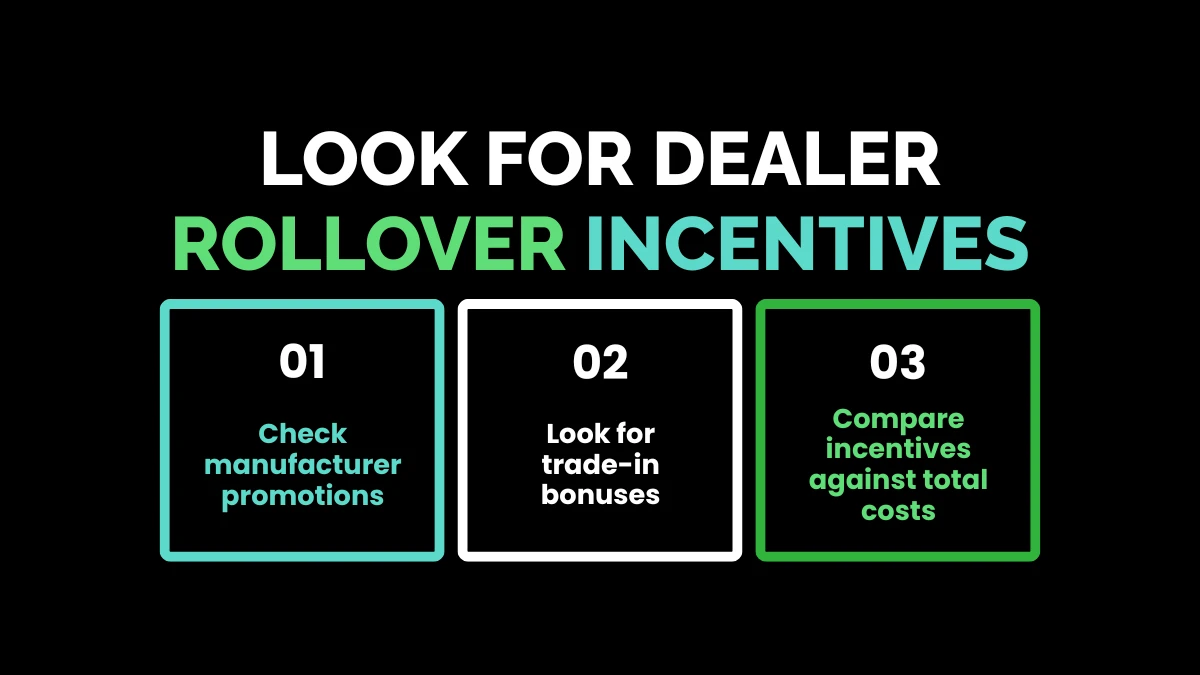
Some manufacturers offer special trade-in rebates or bonus cash.
These promotions can help wipe out your negative equity without extra money out of your pocket.
Managing the Payoff Process Smoothly
Once you agree on a deal, the logistics kick in.
Here is how to manage the transaction without surprise headaches.
11. Let the Dealer Handle the Payoff
In most cases, the dealership contacts your lender directly to send the payoff check.
Confirm they have the correct payoff address and account details to prevent payment delays.
12. Keep Making Monthly Payments Until Confirmed
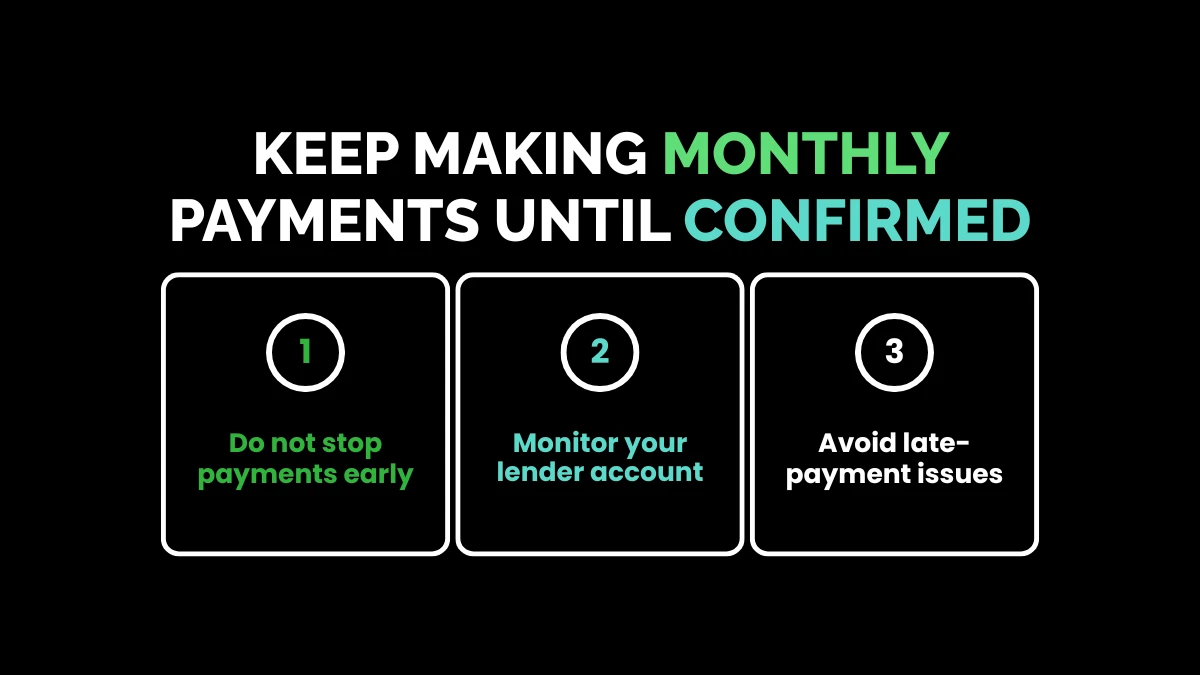
Do not skip a payment just because you handed over the keys.
It takes 10 to 21 days for a dealer’s check to clear with your bank.
If a payment due date lands in that window, pay it to protect your credit score.
Your lender will refund any overpayment once the loan is closed.
13. Leverage Sales Tax Advantages
In many states, you only pay sales tax on the price difference between your new car and your trade-in value.
If your new car costs $30,000 and your trade-in is worth $12,000, you only pay sales tax on $18,000.
This state incentive can save you hundreds of dollars instantly.
Finalizing the Deal and Protecting Your Wallet
Before driving off the lot, double-check your paperwork.
14. Separate the Trade-In from the Purchase
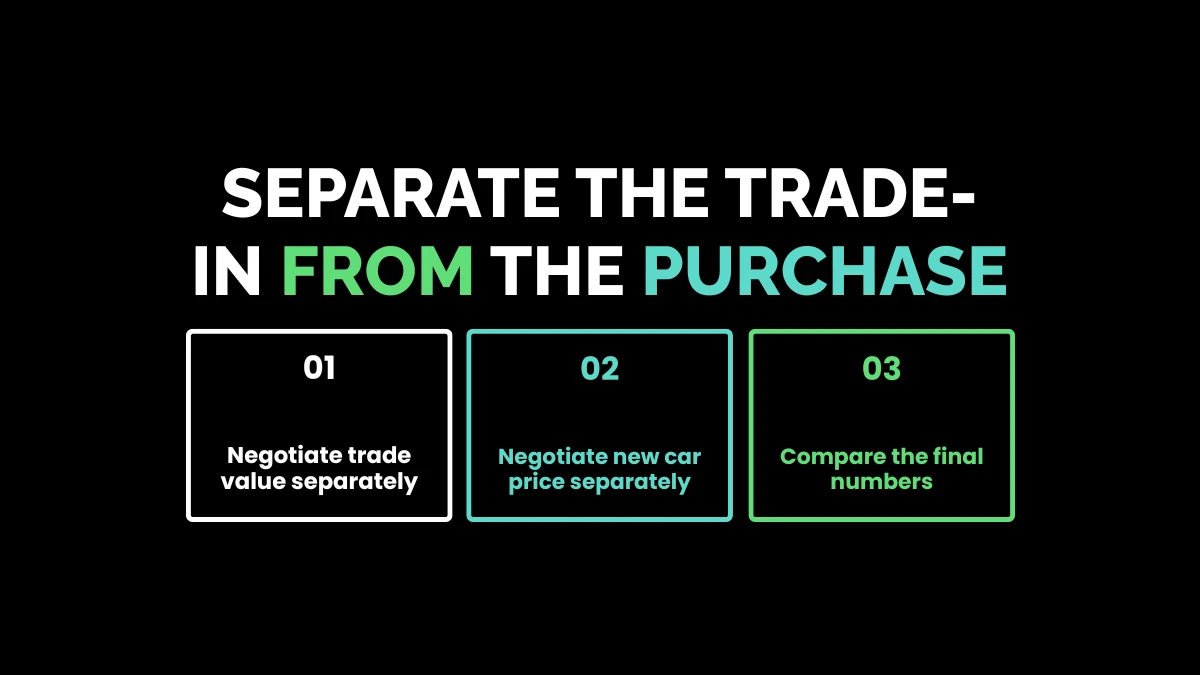
Negotiate your trade-in value and the price of the new car as two separate transactions.
Salespeople sometimes inflate a trade-in offer while secretly raising the price of the new car.
Keeping them separate ensures you get a fair deal on both sides.
15. Cancel Unused Service Contracts and GAP Insurance
Did you purchase extended warranties or GAP coverage on your old car?
You are entitled to a pro-rated refund for the unused portions once you payoff auto loan obligations.
Contact your old finance manager or insurance provider to file a cancellation request.
16. Monitor Your Old Account Until It Shows Zero Balance
Check your online account two weeks after trading in the car.
Verify that your old balance reflects zero dollars and that the account is officially closed.
Should You Trade In or Sell Privately?
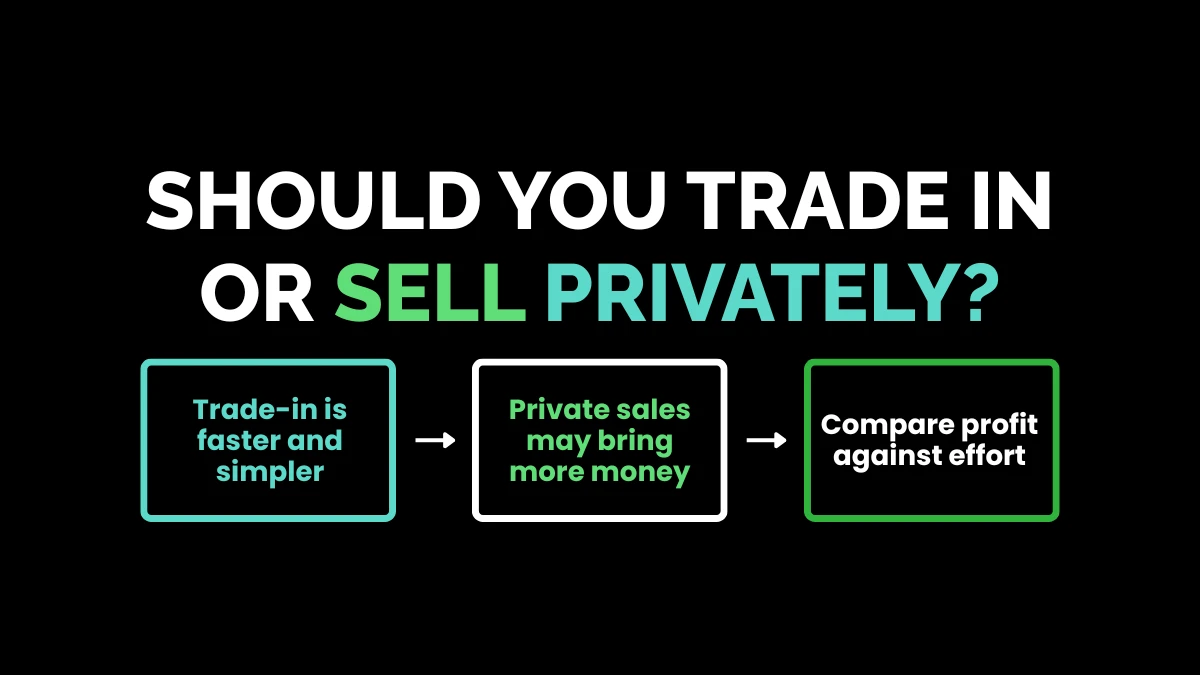
Selling your car to a private buyer usually fetches more money than trading it to a dealership.
However, selling a financed car privately requires extra steps because you do not have the title in hand.
-
Trading In: Fast, simple, offers sales tax credits, and the dealer handles all bank paperwork.
-
Private Sale: Earns 10% to 15% more money, but requires meeting buyers and coordinating title releases with your bank.
At Weird Wealth, we recommend weighing the extra cash from a private sale against the time and effort required to clear the title yourself.
Frequently Asked Questions
Can I trade in a financed car immediately?
Yes, generally you can trade it in anytime, provided you can pay off the balance.
What happens to my old auto loan when I trade in?
The dealership pays off your balance directly, closing your old loan account.
Is negative equity always bad when trading in?
Generally yes, because it increases your new loan balance and interest costs.
How long does a dealer take to payoff an auto loan?
In most cases, dealerships complete the payoff process within 10 to 21 days.
Do I need my physical title to trade in a financed car?
No, because your lender holds the title until the loan balance hits zero.
Trading in a car with an active loan does not have to feel overwhelming.
By calculating your vehicle equity, securing your payoff numbers, and shopping around for quotes, you keep control of the process.
Take your time, review the numbers carefully, and make sure your old loan is fully settled so you can enjoy your new ride with total peace of mind.