
Key Takeaways
- Unconventional index strategies
- High-intent audience targeting
- Natural engagement signals
- Future-proof search visibility
Ever feel like traditional search optimization advice is completely stuck on repeat?
Publish long articles, build backlinks, fix tech issues. We have all heard it a thousand times.
What if the strategies driving massive traffic today are completely unorthodox?
If you want real results, testing weird SEO tactics that rank can completely transform your growth trajectory.
AI Overview
Finding unconventional SEO tactics that rank in 2025 requires looking beyond standard advice. Modern search engines prioritize real user engagement, unique data signals, and fresh content patterns. By testing creative approaches, like intentional zero-search keywords or comment section optimization, you can capture untapped organic traffic and build authentic authority.
Why Traditional SEO Is Changing Fast
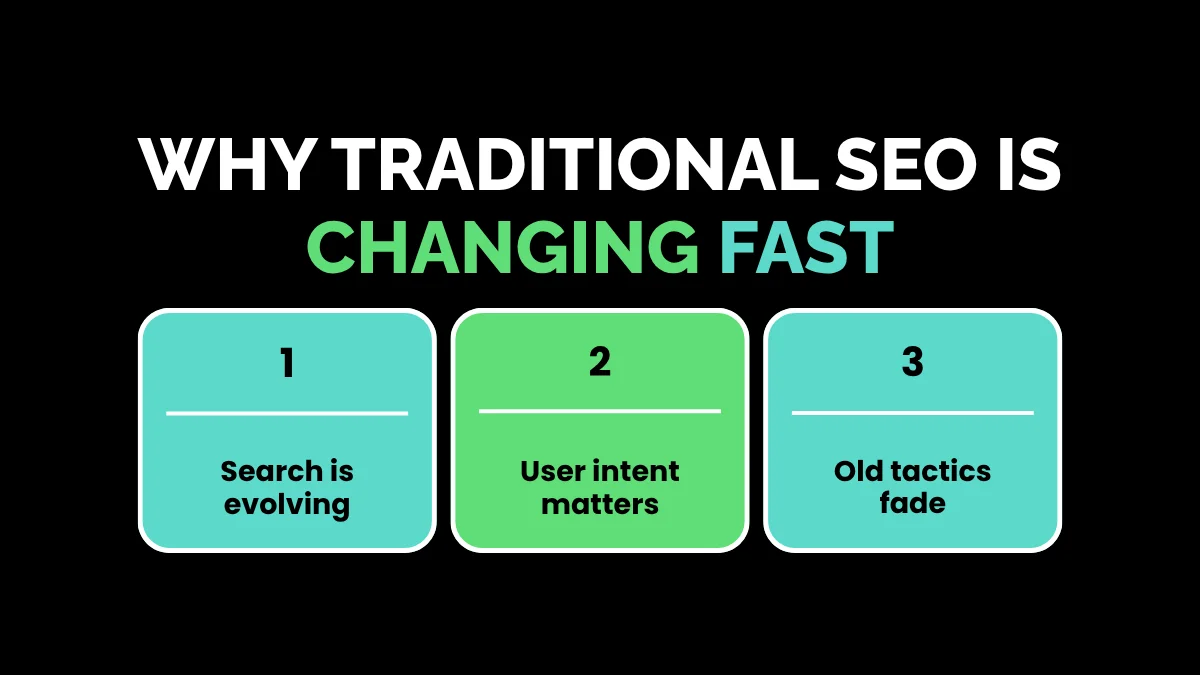
Search is evolving faster than ever before.
What worked two years ago often yields zero results today. The internet is flooded with identical, polished guides. Standard playbooks simply do not stand out in modern search feeds. To win today, you have to think differently.
The Shift Toward Real User Intent
Algorithms now evaluate how real people interact with your site.
Static keyword lists simply are not enough anymore.
Search engines want genuine engagement and unique value.
If visitors bounce quickly, your rankings drop fast.
Focusing on true human behavior beats basic keyword placement every time.
1. Targeting Zero-Search-Volume Keywords
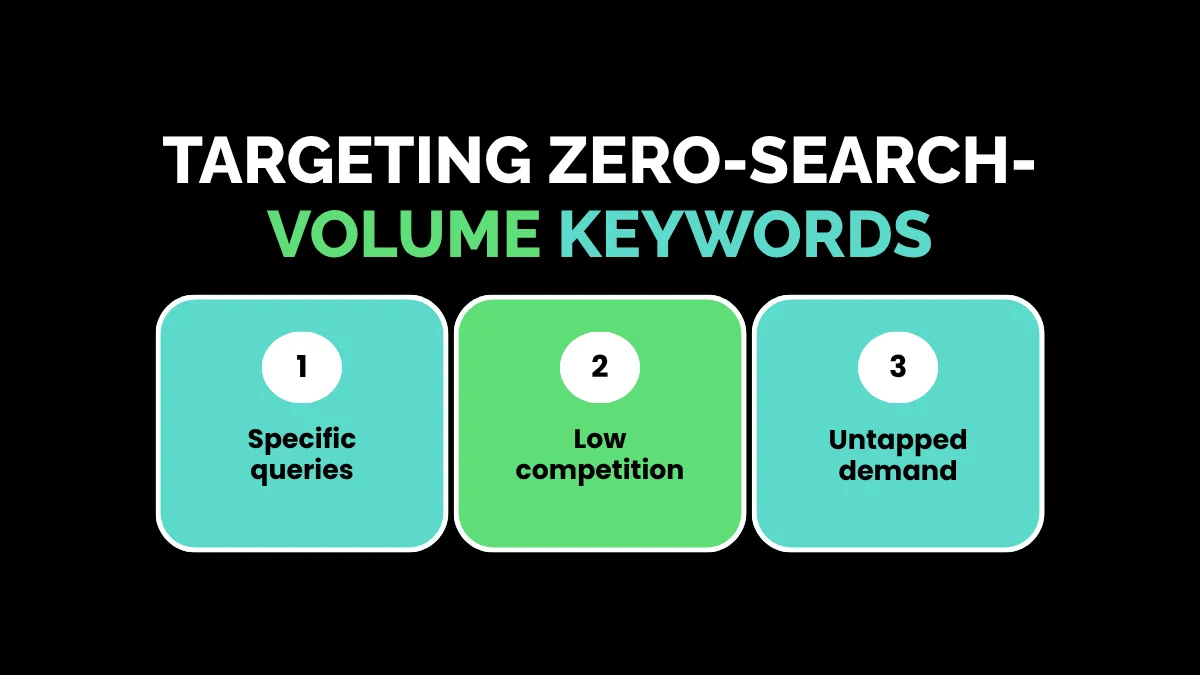
It sounds counterintuitive to target queries that tools claim nobody searches for.
Yet, keyword tools regularly miss emerging topics and long-tail human phrasing.
| Standard Keyword Strategy | Zero-Volume Strategy |
| Targets high-competition terms | Targets ultra-specific pain points |
| Relies heavily on tool metrics | Relies on real forum questions |
| Takes months to rank | Ranks almost instantly |
Targeting these queries builds fast authority with zero competition. When you address hyper-specific questions, conversion rates skyrocket. People searching for exact niche problems are ready to act. Third-party software data is often delayed by several months. Real conversations happen on social media and specialized forums first.
By capturing these topics early, you own the entire search landscape. Over time, these zero-volume terms compound into massive organic traffic. It is one of the easiest ways to bypass heavy competition.
2. Unpublishing Good Content to Gain Traffic
Deleting content feels terrifying when you worked hard to create it. However, pruning weak or redundant pages concentrates your total domain authority. At Weird Wealth, we often find that smaller, leaner websites outrank bloated digital juggernauts. Search engine crawlers have a limited crawl budget for every website.
When you waste that budget on dead weight, valuable pages suffer. Pruning cleans up site architecture and improves overall crawl efficiency.
In most cases, removing the bottom percentage of underperforming URL assets causes total traffic to rise. Quality always trumps sheer quantity in modern search algorithms. Think of your website like a digital garden. Trimming dead branches allows the healthy plant to flourish. Consolidating thin posts into master guides creates immense topical strength.
3. SEO Through Comment Section Hijacking
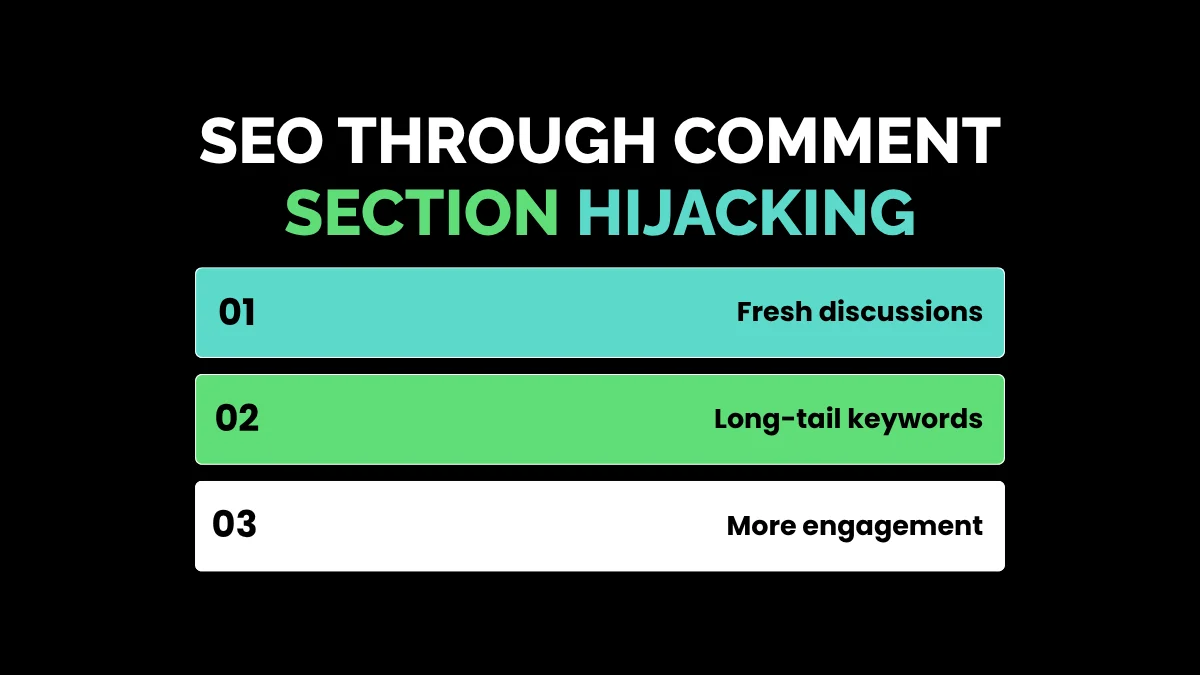
Active comment sections send massive signals of fresh, dynamic user interaction.
Encouraging user discussions keeps pages continuously updating without manual edits.
How Community Input Helps
- Users naturally add long-tail keyword variations.
- Dwell time increases as visitors read the discourse.
- Search bots re-crawl active pages far more frequently.
When readers debate, ask questions, and offer personal experiences, your page stays alive. Search crawlers view frequent text additions as a major freshness indicator. You do not have to write new copy every single week.
Your active audience does the heavy lifting for you entirely for free. Replying directly to comments also builds deep brand loyalty. It transforms passive readers into an active digital community.
4. Reverse Image Search Optimization
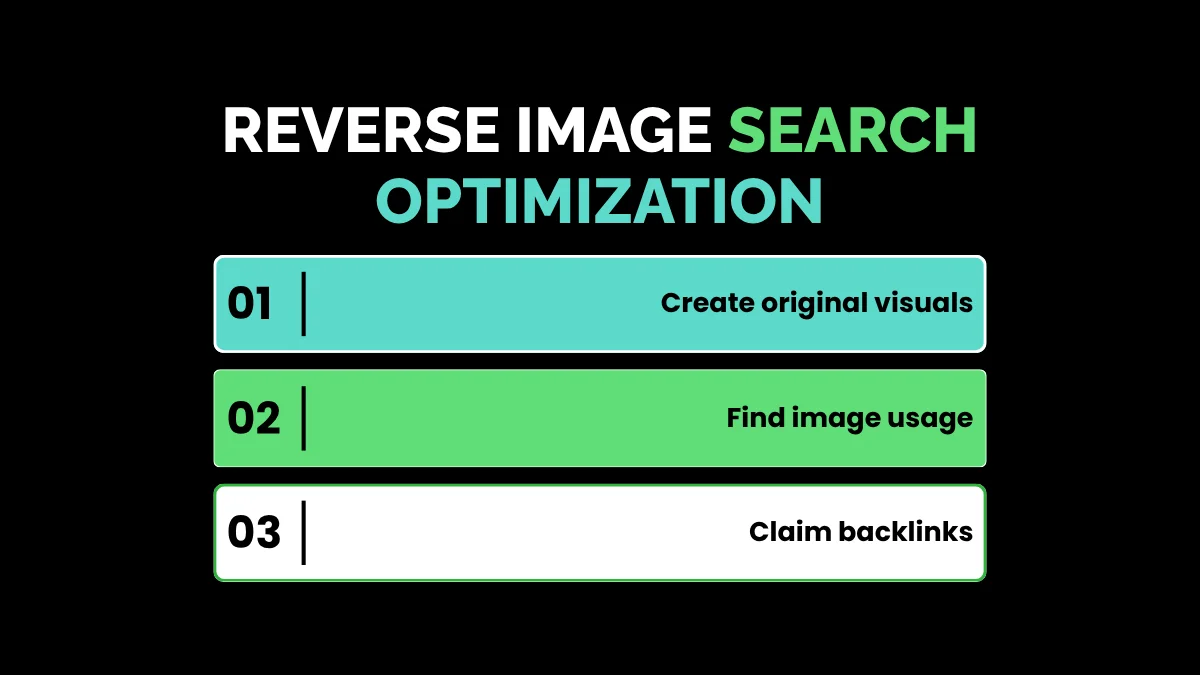
Most creators completely ignore image optimization beyond basic alt text tags. By publishing original custom charts, other sites continuously grab and embed your images.
A quick reverse image search lets you claim high-authority links effortlessly. When writers use your visual graphs, they frequently forget proper attribution. Running a regular image lookup reveals every site hosting your visual assets.
A simple, friendly outreach message asking for a source link works wonders. The conversion rate on these link requests is exceptionally high. They already like your content enough to steal your graphics. Giving them a polite reminder usually yields a premium backlink fast. It turns visual content creation into a passive link-building engine.
5. Optimizing for “Ugly” Unformatted Layouts
Ultra-polished websites sometimes look too much like corporate advertisements. Simple, text-heavy pages often convert better and load infinitely faster. Fast page loads directly improve your mobile search performance. Modern internet users are increasingly immune to standard polished marketing layouts. They instantly recognize generic stock photos and bloated page builders.
A stripped-back, plain-text aesthetic feels raw, honest, and personal. It mimics early web pages and personal blogs that readers trust. Fewer heavy scripts mean instant rendering on mobile devices. Speed directly feeds into better user retention and lower bounce rates.
Sometimes, removing complex design elements is the ultimate growth hack.
6. Updating Published Dates Without Changing Text
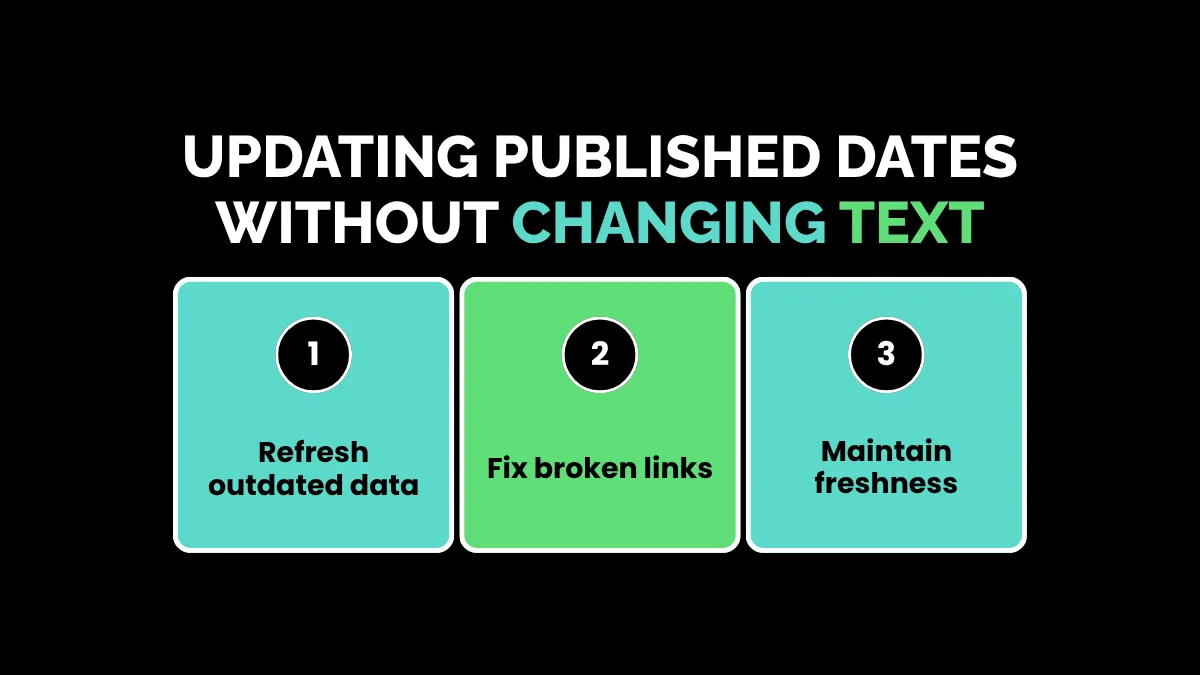
Is it cheeky to refresh timestamps on evergreen guides?
When done responsibly with minor edits, it signals content freshness to crawlers. Generally, search systems prioritize content that appears freshly maintained. Information naturally gets stale over time, even in static niches.
Adding a quick updated stat or fixing broken links justifies a date refresh. Search engines notice the modified date header during their next site pass. Users are significantly more likely to click search results marked with the current year.
Higher click-through rates directly boost your overall position in organic listings. It keeps vintage articles competing with brand-new competitor releases. A small maintenance pass can revive dropping organic visits in days.
7. Creating Dedicated “Mistake” Pages
People love reading about what went wrong rather than generic success stories.
Targeting queries around industry failures yields incredible conversion rates.
| Content Type | Typical Engagement | Search Intent |
| Standard Guide | Moderate | Educational |
| Failure Case Study | Extremely High | High Commercial |
At Weird Wealth, sharing honest breakdowns has consistently built deep reader trust. Readers are exhausted by fake online perfection and idealized success narratives.
Detailing genuine mistakes displays authentic transparency and deep domain expertise. These posts attract heavy social shares and organic industry discussions naturally.
People want to avoid costly traps before spending their own money. Positioning your content around prevention solves immediate, urgent searcher needs. It builds instant credibility that traditional promotional posts cannot match.
8. Ranking PDF Downloads Directly
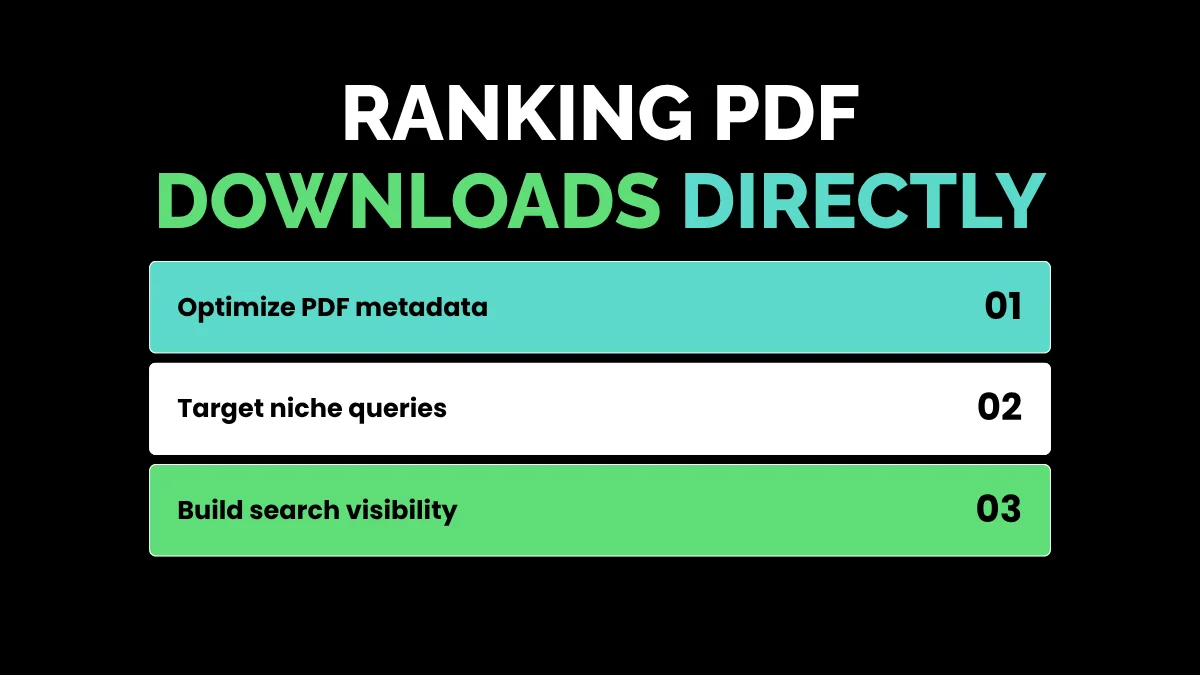
PDF files carry strong document authority in indexing systems. Optimizing metadata inside PDFs allows them to dominate specialized search queries.
Many competitors forget to optimize downloadable resources entirely. Search engine spiders read and index document text files with ease. Because few creators perform file optimization, keyword competition inside document indexes is low.
Adding target phrases to file properties gives you an immediate search advantage. Linking internal website pages inside the document passes solid authority back to your core domain. Users frequently download and save high-value reference documents locally. This creates repeated brand touchpoints outside standard browser sessions. It is a completely underutilized channel for capturing search real estate.
9. Leveraging “FAQ Schema” for Zero-Click Visibility
Answering questions directly on search pages builds instant brand recognition.
Even if users do not click immediately, you dominate search real estate.
Strategic Schema Benefits
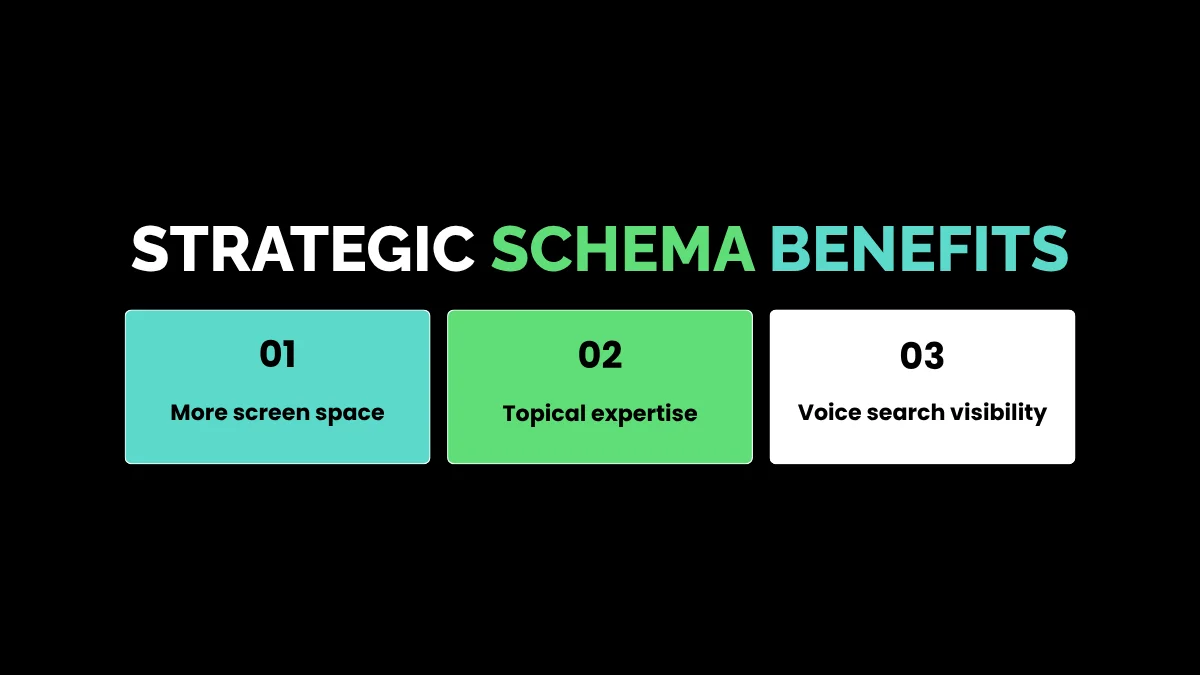
- Occupies more physical space on mobile screens.
- Establishes immediate topical expertise.
- Captures voice search snippets seamlessly.
Structured markup tells search algorithms exactly what your content answers.
When your listing expands with dropdown answer boxes, competitors get pushed down screen.
Dominating physical pixels on screen increases total brand authority significantly.
Searchers view expanded results as the definitive answer to their queries.
Even if they find what they need on the main search page, your brand earns trust.
When they eventually need deeper solutions, your site is their first stop.
It secures prime visibility without forcing users through complex navigation.
10. Turning Transcripts Into Indexable Powerhouses
Audio and video content often sit locked away behind media players. Publishing full, edited raw transcripts instantly creates huge indexable text banks. This approach brings massive long-tail traffic with minimal extra content creation.
Spoken conversations contain thousands of natural, conversational word combinations. These organic speech patterns match modern natural language voice searches perfectly.
Instead of guessing how people speak, transcripts capture natural language patterns effortlessly. Cleaning up audio transcripts creates massive, highly relevant long-form guides fast. You extract double the value from every podcast episode or recorded interview.
Strategies shared by Weird Wealth focus on working smarter rather than endlessly writing. It breathes new organic life into existing multimedia assets automatically.
Frequently Asked Questions
What are weird SEO tactics that rank?
They are unconventional, non-standard optimization methods that successfully attract organic traffic by leveraging real user behavior and overlooked search engine signals.
Do zero-search-volume keywords actually bring web traffic?
Yes, search volume tools often underestimate new or hyper-specific queries that real users frequently search for online.
Is content pruning safe for established blogs?
In most cases, carefully removing low-quality or outdated pages improves overall domain health and concentrates internal page authority.
How quickly do these unorthodox strategies show results?
Estimated timelines vary, but many low-competition tactics can yield visible ranking improvements within a few short weeks.
Testing creative, unexpected strategies is often the best way to outpace traditional competitors. By focusing on real human value, clean user signals, and overlooked opportunities, you can build a resilient digital presence that stands out.