
Key Takeaways
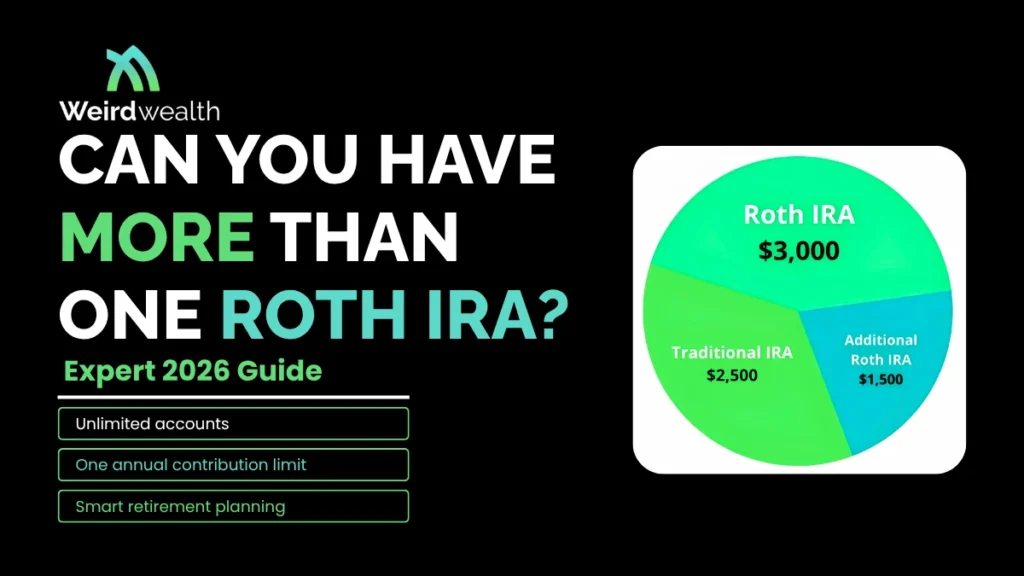
- No limit on account numbers
- Annual limits apply globally
- Strategy requires careful tracking
- Income caps still apply in 2026
Understanding Your Retirement Strategy
Ever found yourself looking at your retirement planning and wondering, “Can you have more than one Roth IRA?” You aren’t alone. It’s a common question for anyone trying to get their financial house in order.
The short answer is a resounding yes: you absolutely can have multiple Roth IRA accounts. In fact, many savvy investors open more than one for specific portfolio strategies.
Whether you want to diversify your assets or simplify your estate planning, the tax code doesn’t stop you from opening as many as you like.
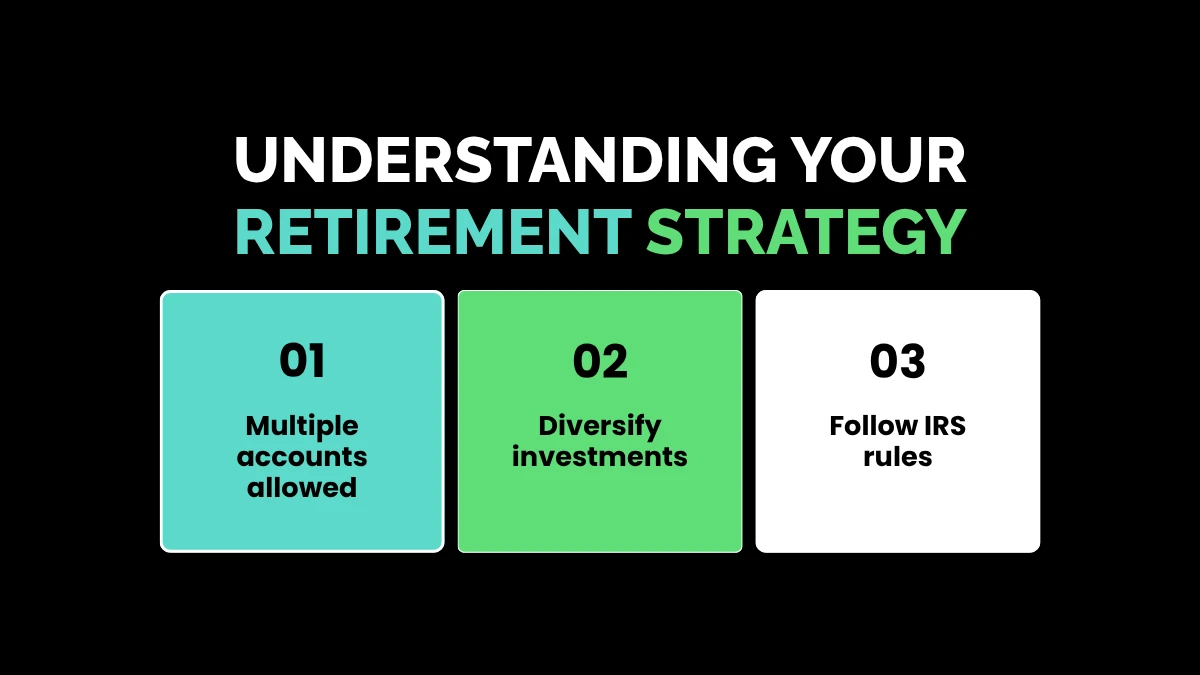
However, there is a catch. While the government doesn’t limit how many accounts you can hold, they are very strict about how much you put into them annually.
Understanding the Roth IRA rules 2026 is essential to avoid unnecessary penalties and stay on the right side of the IRS.
AI Overview
You are legally allowed to hold multiple Roth IRA accounts. While there is no limit to how many you can open, the annual contribution limit applies to the total of all your IRAs combined. You cannot exceed the 2026 limit of $7,500 ($8,600 if age 50+) across your accounts. Always track your total contributions carefully to stay compliant with IRS regulations and avoid tax penalties.
The Reality of Managing Multiple Accounts
Many people ask, “Is it really that simple?” It is, provided you stay organized. Just because multiple Roth IRA accounts allowed doesn’t mean it’s the right move for everyone.
Think of it like owning several bank accounts; it’s great for keeping your savings organized, but you still only have one “total” budget for the year.
Why Some People Choose Two Roth IRAs
People often wonder if they can have two Roth IRAs same year. You can, and some do it to separate their growth investments from their more conservative holdings. It’s a way to keep a “risky” bucket and a “safe” bucket without having to do complex math inside a single account.
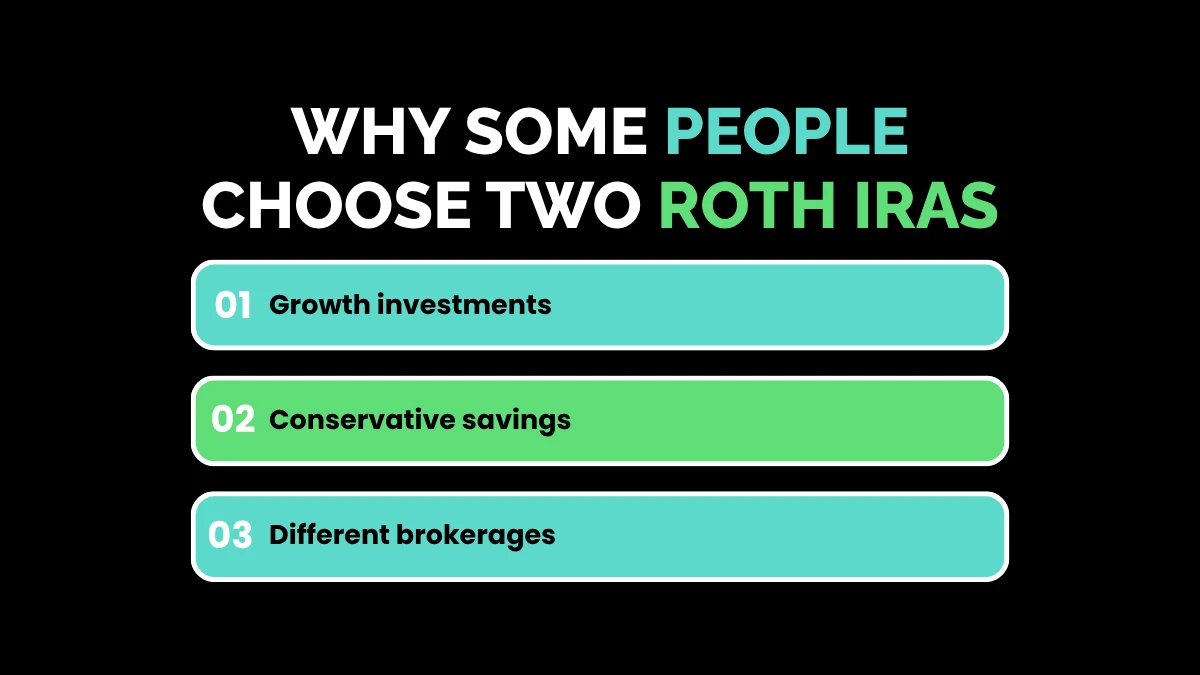
Another reason is brokerage benefits. You might love the interface of one app for its research tools but prefer another for its low-cost index funds.
With Weirdwealth, we always encourage our readers to look at the “why” before they open a new account. Is the extra complexity worth it for your specific goals?
The “Total Limit” Trap
This is where most people get tripped up. Even if you have three different accounts, the total amount you can contribute is $7,500 for the 2026 tax year (if you are under 50).
If you have two accounts, you don’t get a $15,000 limit. You simply split your $7,500 allowance however you choose between them.
| Scenario | Total Allowed (Under 50) | Logic |
| One Roth IRA | $7,500 | Max limit per person |
| Two Roth IRAs | $7,500 | Split between two accounts |
| Five Roth IRAs | $7,500 | Total across all five |
The Mechanics of Contributions
When you start juggling multiple accounts, the “contribution stacking” becomes your biggest focus. The IRS doesn’t care which brokerage gets the money or which specific account receives the deposit. They care that the aggregate total across your Social Security number doesn’t exceed the yearly cap.
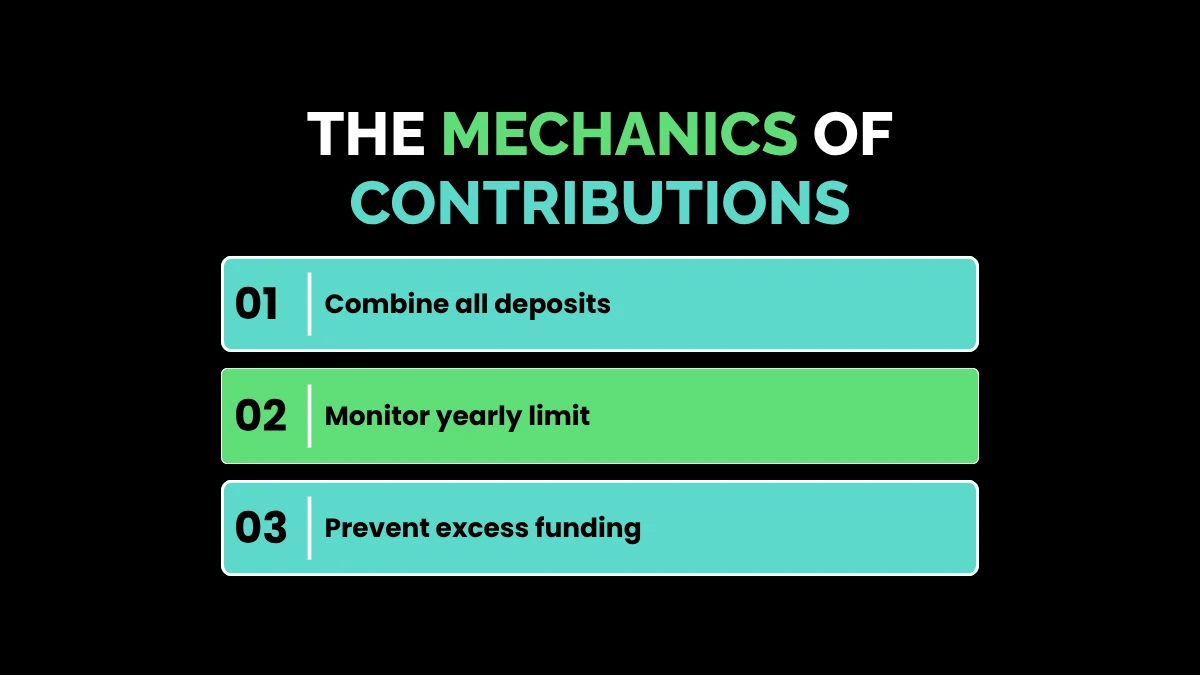
If you make a mistake and contribute $5,000 to Account A and $4,000 to Account B in 2026, you have effectively created an “excess contribution” of $1,500.
Correcting this requires filing paperwork with your brokers and potentially paying taxes on any gains that the excess money earned. It’s a headache that is easily avoided by keeping a centralized tracking sheet.
Strategic Benefits of Multiple IRAs
Beyond just organizational preferences, there are actual, logical reasons to consider this path. Based on available data, here are some of the most common advantages people find when they decide to open additional accounts:
- Estate Planning: It’s much easier to assign specific accounts to different beneficiaries, ensuring your legacy is handled exactly as you intended.
- Asset Allocation: You can dedicate one account to high-growth ETFs and another to income-producing dividend stocks, making rebalancing much cleaner.
- SIPC Protection: If you’re worried about exceeding the insurance limits of a single brokerage, splitting your holdings across firms provides an extra layer of peace of mind.
- Testing Brokerages: You can keep your primary retirement fund in a long-standing, stable institution while experimenting with a newer, tech-focused brokerage for a smaller portion of your savings.
However, keep in mind that these benefits should be balanced against the administrative burden. If you’re spending your weekends reconciling spreadsheets because you have accounts scattered everywhere, it might be time to consolidate.
Important Rules for 2026
As we navigate the current tax year, staying updated on Roth IRA rules 2026 is vital. The landscape of retirement planning shifts slightly with inflation adjustments, and you don’t want to be caught off guard.
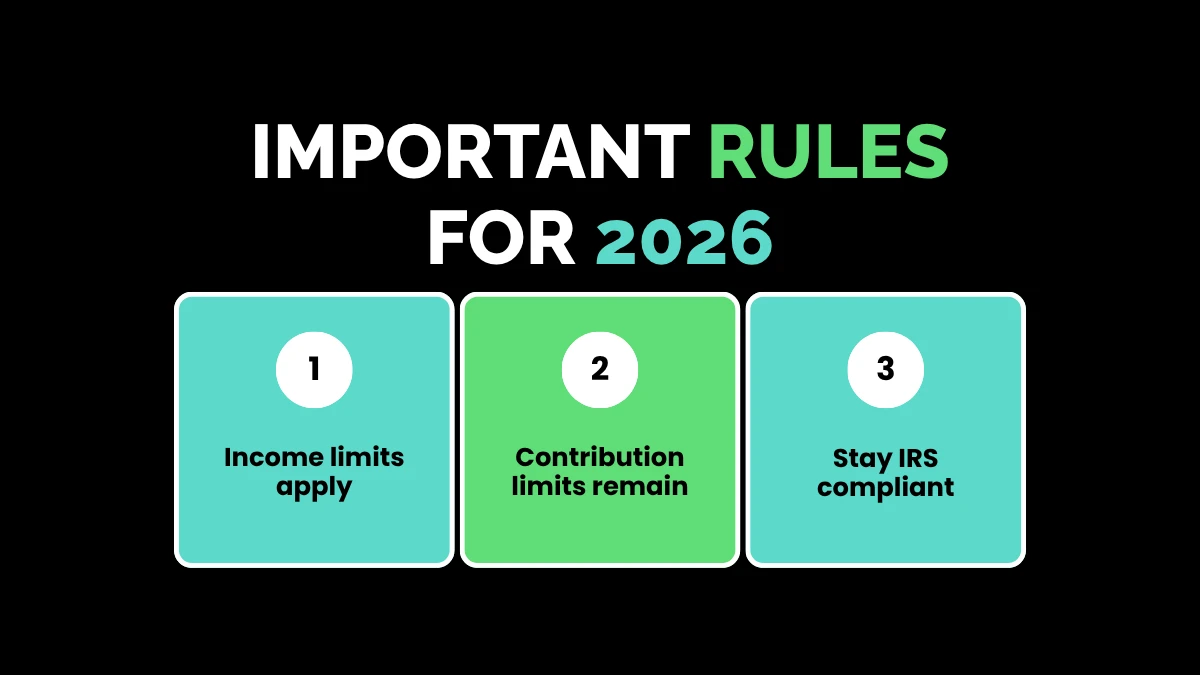
In most cases, the biggest hurdle isn’t the number of accounts, it’s your income. The IRS sets modified adjusted gross income (MAGI) limits on who can contribute directly to a Roth IRA.
If you earn over a certain threshold, you might be phased out. Having multiple accounts won’t change your eligibility.
Tracking Your Contributions
If you decide to open a second account, please be disciplined. Use a simple tracking document or a financial dashboard to record every deposit.
If you accidentally over-contribute because you lost track of what was sent to account “A” versus account “B,” the IRS will charge you a 6% excise tax on the excess amount every year until you fix it.
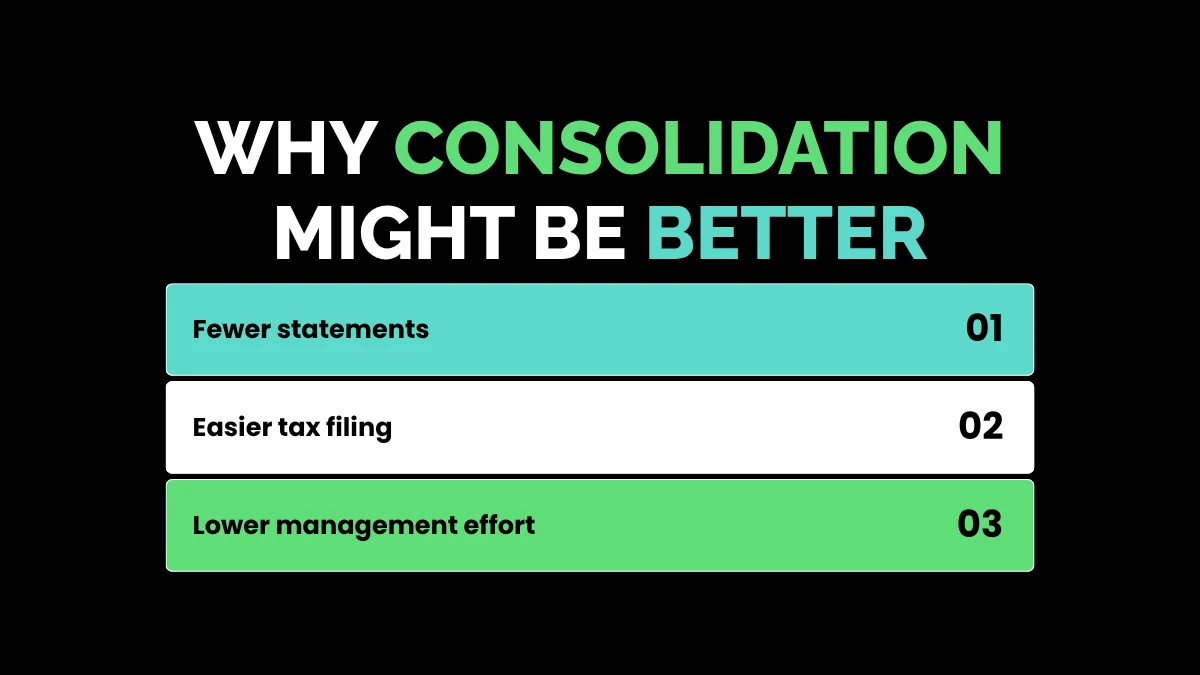
Why Consolidation Might Be Better
Sometimes, having too many accounts works against you. If you have accounts with different fees, those costs can eat into your compounding growth.
At Weirdwealth, we often suggest that if you don’t have a specific strategic reason for multiple accounts, keeping everything in one place usually makes tax season much less of a headache. Fewer 1099 forms mean fewer chances for human error when filing your taxes.
Navigating the “Backdoor” Route
If you’re a high earner, you might have heard about the “backdoor” strategy. This involves contributing to a traditional IRA and then converting it to a Roth.
Even if you use this strategy, the same rule applies: your accounts are viewed as a collective whole by the IRS. Whether you open a new account for this process or use an existing one, the reporting requirements remain the same.
Be aware that the “pro-rata” rule can make this tricky if you have a massive existing Traditional IRA balance. Having multiple accounts doesn’t help you bypass these tax rules; the IRS looks at your entire IRA footprint across all financial institutions.
Comparing Your Account Options
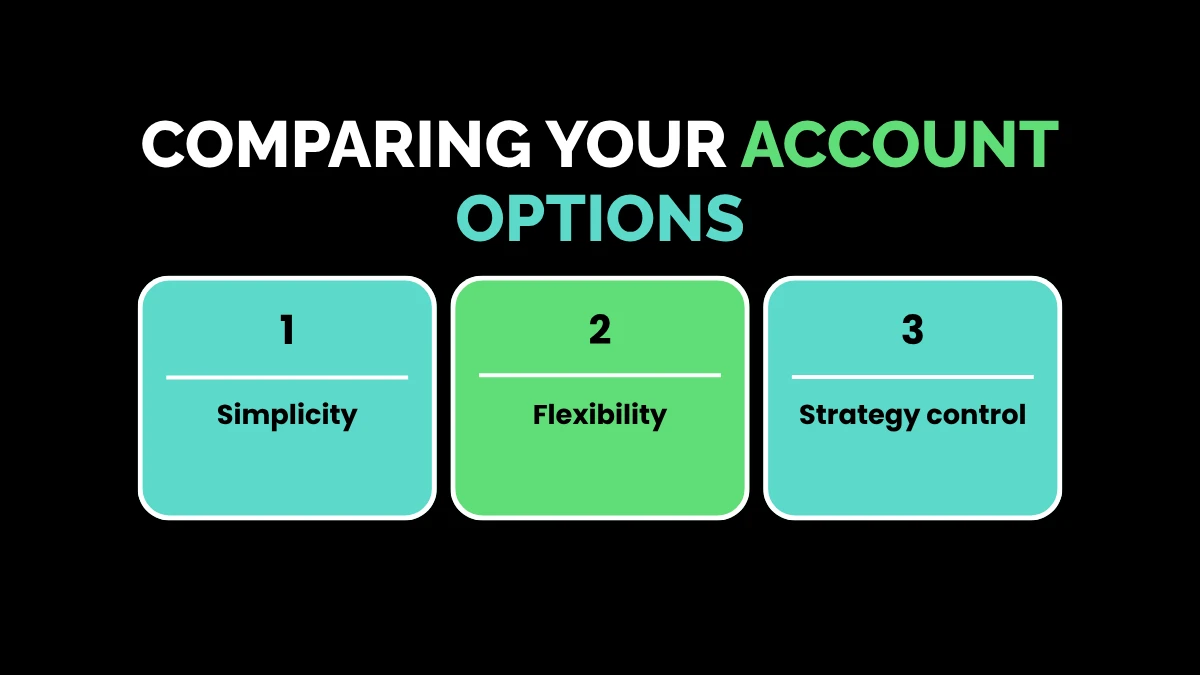
When you are deciding whether to stick with your current setup or branch out, it helps to look at the pros and cons of centralization versus diversification.
| Feature | Single Roth IRA | Multiple Roth IRAs |
| Complexity | Low | High |
| Tax Reporting | Simple (one form) | More complex |
| Strategy Control | Limited | High |
| Risk Mitigation | Standard | Higher (e.g., SIPC) |
For most people, simplicity is the ultimate goal. If you don’t have a very strong reason to maintain multiple Roth IRA accounts allowed by the government, sticking to one account is the path of least resistance. You spend less time worrying about balancing limits and more time letting your investments grow in the background.
When to Consider a Change
If you find yourself thinking, “Should I open a second account?” try asking yourself if your current brokerage is failing you. Are the fees too high? Is the mobile app lacking? Is the customer service unresponsive?
If the answer is yes, then opening a new account at a better firm is a great move. You can even consider transferring your old IRA assets to the new one to consolidate everything under a roof you actually trust.
The Long-Term View on Portfolio Management
As you progress through your career, your financial needs will change. At the age of 30, you might care about aggressive growth.
At 50, you might pivot toward wealth preservation. Holding multiple accounts gives you the flexibility to adapt your strategy without dismantling your entire financial history.
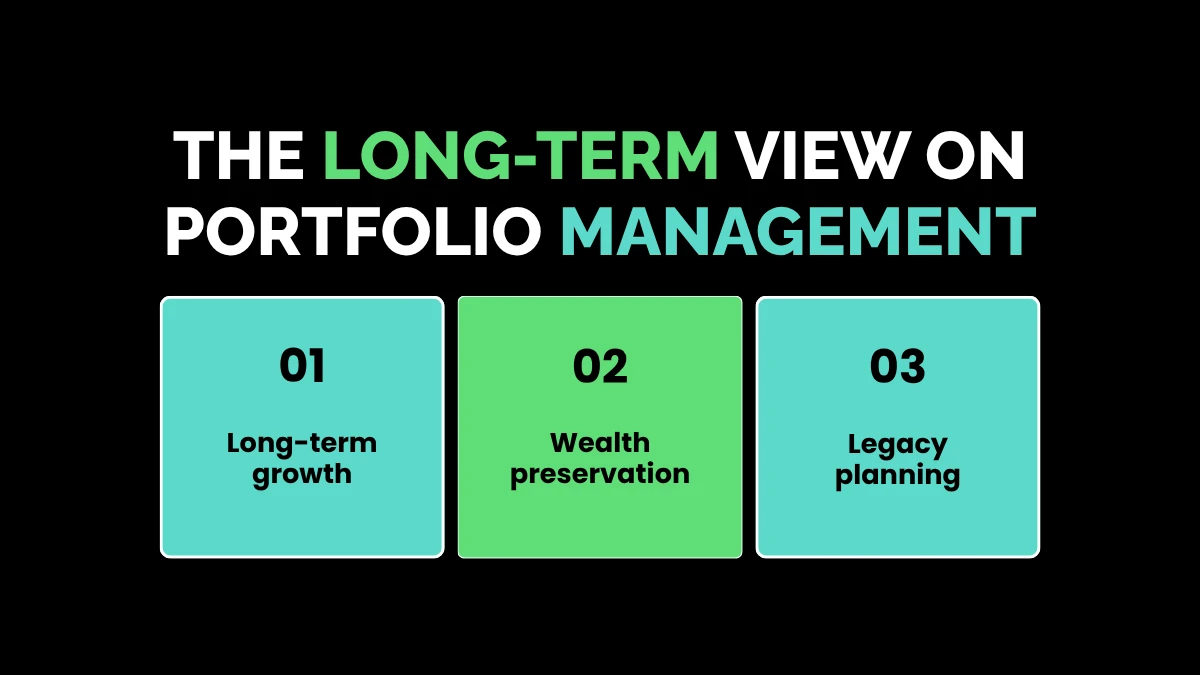
You can designate a “Legacy Account” intended for heirs and a “Personal Account” meant for your own retirement spending. This compartmentalization can make your financial planning feel much more intentional.
Just remember, no matter how you label your accounts, the IRS sees them as a singular pot for the purpose of contribution limits.
The Role of Tech in Managing Multiple Accounts
In 2026, we have better tools than ever to keep track of these assets. Many modern financial apps allow you to link all your external accounts.
This creates a “bird’s-eye view” of your progress. If you are going to maintain multiple Roth IRAs, we highly recommend utilizing these tools.
Being able to see your total annual contribution status in real-time is the best way to ensure you never accidentally trigger that dreaded 6% excise tax.
A Note on Professional Advice

While we love guiding you through these concepts, every person’s tax situation is unique. If you are dealing with high income, multiple types of retirement accounts, or complex beneficiary situations, don’t just rely on blog posts.
Speaking with a certified financial planner or a tax professional once a year can save you thousands in potential penalties or missed opportunities. They can help you structure your multiple accounts to align with your long-term goals while ensuring you stay fully compliant with all federal regulations.
Final Thoughts
The freedom to manage your retirement as you see fit is a great benefit, and it’s good to know that can you have more than one roth ira is a question with a “yes” answer. Just remember that the IRS looks at your total activity, not the number of accounts you’ve managed to open.
Whether you stick to one account or spread your investments across several, the most important thing is that you’re contributing consistently. Stay organized, keep an eye on those 2026 limits, and keep planning for your future.
At Weirdwealth, we’re always here to help you make sense of the noise so you can focus on growing your nest egg. Retirement isn’t just about saving, it’s about building a system that works for your life, not against it.
Frequently Asked Questions
Does opening a second Roth IRA increase my contribution limit?
No. Regardless of how many accounts you hold, the total annual contribution limit for 2026 remains $7,500 for those under 50, and $8,600 for those 50 or older. This applies to the sum of all your IRA contributions combined, not per account.
Is it better to have one or multiple Roth IRA accounts?
It depends on your goals. One account is generally simpler for record-keeping and tax filing. However, multiple accounts can be useful for specific estate planning goals, diversifying your investment strategies across different brokerage firms, or separating assets for different beneficiaries. Choose based on your personal organizational needs.
Can I have two Roth IRAs at the same brokerage?
Yes, you can hold multiple Roth IRA accounts at the same firm. Many brokerages allow you to label these accounts with nicknames to help you keep track of your different investment strategies, such as “Retirement Growth” or “Conservative Cash,” making it easier to manage your portfolio without opening accounts at different companies.
What happens if I accidentally over-contribute to my IRAs?
If you contribute more than the annual limit, you must withdraw the excess contributions and any related earnings before your tax filing deadline. If you fail to do so, the IRS generally imposes a 6% excise tax on the excess amount each year until the situation is corrected.