
Key Takeaways
-
Compare multiple lender types
-
Boost your credit before applying
-
Understand total cost of ownership
-
In-house options offer flexibility
-
Negotiate terms, not just monthly payments
So, you’ve got your eye on a new ride, but the price tag feels a bit daunting? You aren’t alone. Navigating the world of vehicle finance is often the most confusing part of buying a car.
It feels like a different language, doesn’t it? Between interest rates, down payments, and credit scores, it’s easy to get overwhelmed.
The good news is that there are more ways to finance a vehicle today than ever before. Whether you have perfect credit or are looking for bad credit vehicle finance, you have options.
At Weird Wealth, we believe in making these big financial decisions feel a whole lot smaller and much more manageable. Let’s break down everything you need to know.
Quick AI Overview
Vehicle finance covers the various ways you can pay for a car over time instead of upfront. It includes traditional bank loans, dealer financing, and private lenders. Choosing the right auto finance path depends on your credit history, budget, and lifestyle. This guide simplifies the process, helping you compare car finance options to secure the best deal and drive away with total confidence.
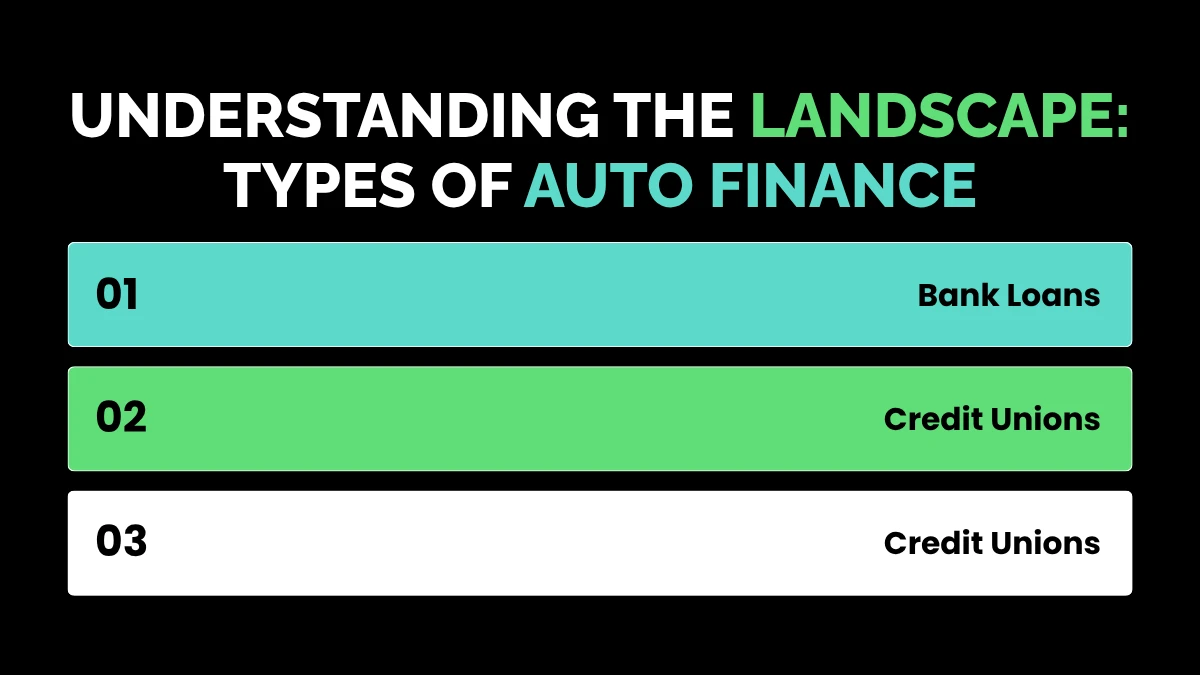
Understanding the Landscape: Types of Auto Finance
When people talk about vehicle financing, they usually mean borrowing money to cover the cost of the car. But where that money comes from changes your experience entirely.
Think of it as choosing between a custom-tailored suit or something off the rack. One fits your specific needs, while the other is just a standard solution.
Traditional Bank Loans
Banks are the foundation of lending. They usually offer the lowest interest rates if your credit score is in good shape.
Credit Unions
These member-owned institutions often treat you like a person rather than a number. They are fantastic for vehicle loan approvals if you have a relationship with them.
In-House Vehicle Finance
This is where the dealership acts as the bank. It is perfect if you have had some financial hiccups in the past.
Note: Always read the fine print with in house vehicle finance. While convenient, the interest rates can sometimes be higher to compensate for the added risk the dealer takes.
Comparing Your Financing Options
To help you decide, let’s look at how these common paths compare side by side.
| Option Type | Best For | Typical Speed |
| Bank Loan | High Credit Scores | Moderate |
| Credit Union | Existing Members | Fast |
| Dealer Finance | Convenience | Very Fast |
| In-House Finance | Bad Credit | Instant |
| Online Lenders | Rate Comparison | Fast |
Deep Dive: 15+ Ways to Finance Your Ride
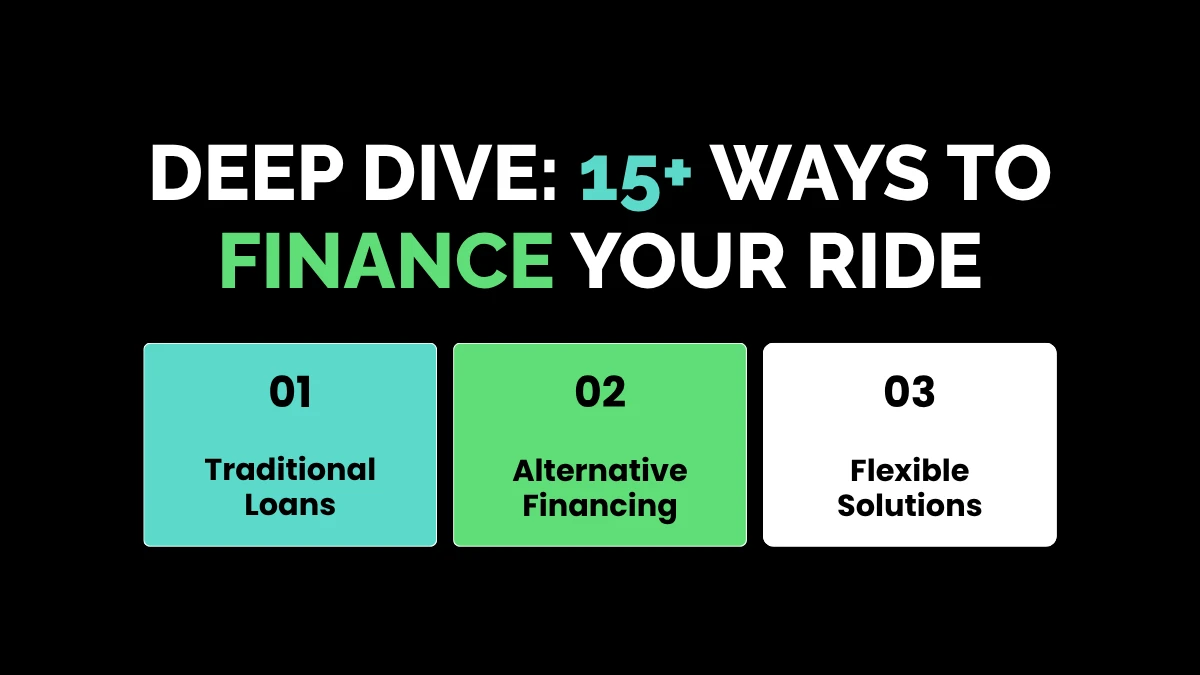
You don’t have to stick to the local bank. Here is a breakdown of the various ways to secure your funding.
Traditional & Institutional
-
Big Banks: Great for competitive rates if your credit is solid.
-
Local Credit Unions: Often offer member-only perks and lower fees.
-
Online Banks: Usually have lower overhead, leading to better rates.
-
Manufacturer Finance Arms: These are the lenders owned by brands like BMW or Tesla, often offering promotional rates.
Specialized Financing
-
In-House Dealer Loans: The “Buy Here, Pay Here” model for those with lower scores.
-
Peer-to-Peer Lending: Borrowing from individuals online via specific platforms.
-
Personal Loans: Unsecured loans that give you cash upfront, letting you buy the car as a “cash” buyer.
-
Home Equity Lines of Credit: Using your house to back the loan, though risky.
-
Lease Buyouts: Financing the remaining value of a car you currently lease to own it outright.
-
Refinancing: Replacing an existing high-interest loan with a better one later.
Alternative & Creative Paths
-
Salary Packaging: Some employers let you pay for cars pre-tax through your paycheck.
-
Family/Friend Loans: Private agreements (always write these down to avoid drama!).
-
Credit Card Financing: Only recommended for very short-term needs due to high interest.
-
Co-signed Loans: Using someone else’s credit to get approved when you are just starting.
-
Title Loans: Using a car you already own as collateral for quick cash.
Mastering Vehicle Financing Approval
Getting approved is the biggest hurdle. However, it isn’t magic. It is just about presenting a clear picture of your financial health.
When you are looking for vehicle financing approval, your lender wants to know one thing: Can you pay this back on time?
-
Check your credit reports: Know your score before the lender does.
-
Organize your paperwork: Keep pay stubs, bank statements, and tax returns ready.
-
Minimize debt-to-income ratio: Pay off small balances before applying.
-
Save for a down payment: A larger down payment reduces the risk for the lender.
At Weird Wealth, we always suggest aiming for a 20% down payment if possible. It makes getting auto finance much easier and cheaper in the long run.
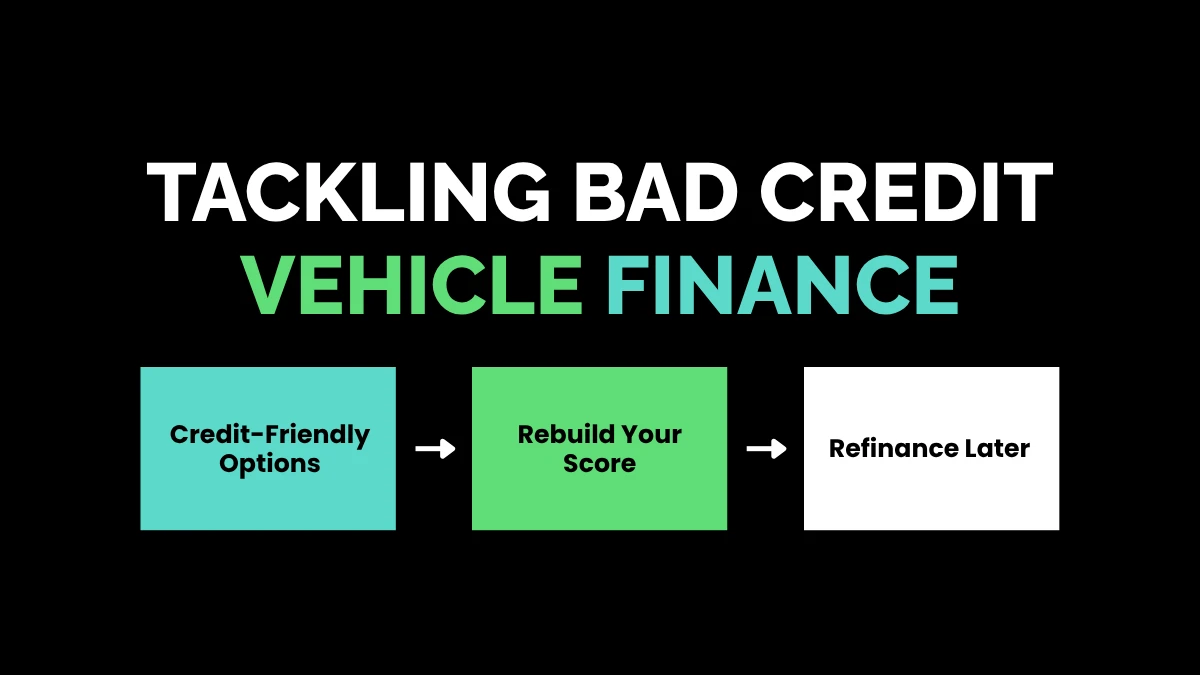
Tackling Bad Credit Vehicle Finance
Having a low credit score doesn’t mean you are stuck walking. Many people successfully secure bad credit vehicle finance by being strategic.
First, stop applying everywhere. Every “hard pull” on your credit report lowers your score.
Instead, focus on “Buy Here, Pay Here” lots or credit unions that look at your current income rather than just your past mistakes.
Second, be prepared for a higher interest rate. It’s the cost of rebuilding your credit.
Make your payments on time for 12 months, and then look into refinancing to lower your rate.
Building Your Credit Through Loans
An often overlooked aspect of vehicle finance is how it helps your future.
When you take out a loan, you are effectively buying a credit-building tool. If you make every payment on time, your score will naturally rise.
This makes getting the next car or even a mortgage much easier.
Lenders love seeing a history of successful installment loans. Think of your current car as an investment in your future borrowing power.
The True Cost of Borrowing
It is tempting to focus only on the monthly payment. But that is how dealers make the most profit.
You must look at the “Out-the-Door” price. This includes the car price, taxes, and fees.
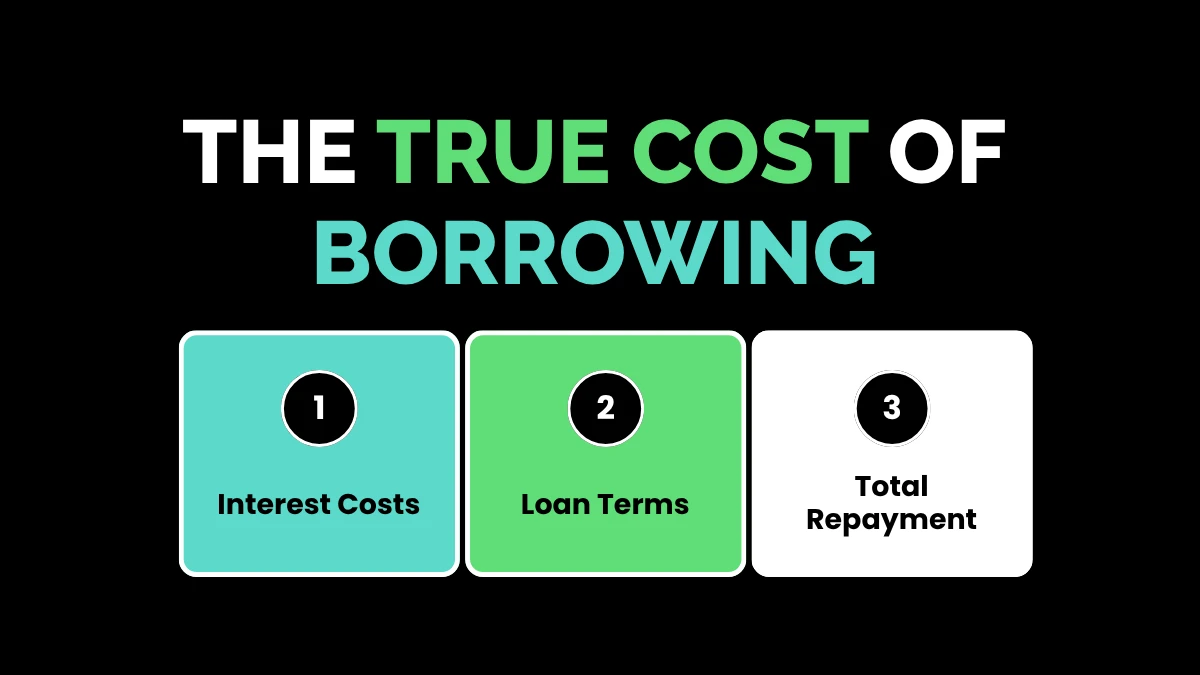
If you stretch a loan to 84 months to get a lower monthly payment, you are paying way more interest.
Try to keep your loan terms to 60 months or fewer if you can manage the payment.
Pro-Tips for a Smoother Experience
Financing isn’t just about the loan; it’s about the total deal. Here are a few things to keep in mind:
Get Pre-Approved: Walk into the dealership with a letter from your bank. It gives you leverage.
Focus on the Out-the-Door Price: Don’t let a salesperson talk only about “monthly payments.”
Avoid Lengthy Terms: A 72 or 84-month loan means you pay much more in interest.
Check for Hidden Fees: Doc fees, dealer prep fees, and add-ons can sneak up on you.
The Role of Down Payments
Why is a down payment so important? It creates “equity” immediately.
If you put nothing down, you are likely “upside down” on the loan the moment you drive off the lot.
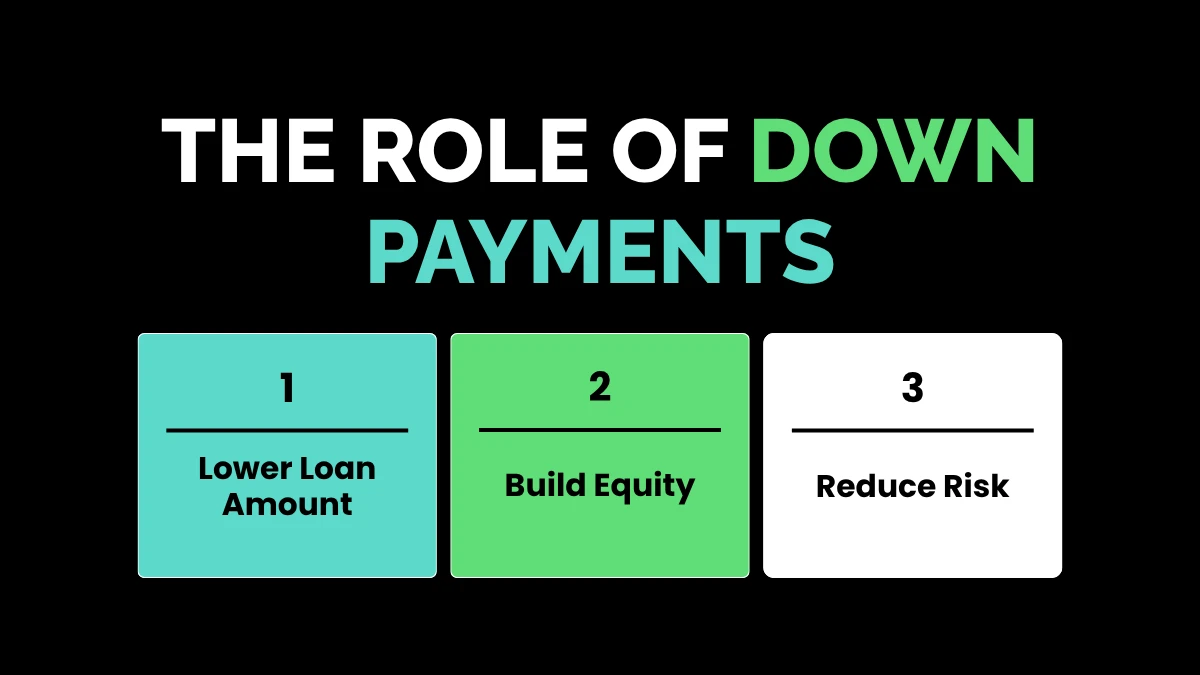
Being “underwater” means you owe more than the car is worth. If you need to sell the car quickly, you might be in trouble.
Aiming for that 20% mark ensures you are protected against depreciation.
Navigating the Dealership
Walking into a dealership can be intimidating. You have people trying to hit their quotas and finance managers pushing extended warranties.
Remember, you don’t have to buy the extras.
Gap insurance is often cheaper through your own car insurance company than through the dealer.
Don’t feel pressured to sign the first contract they put in front of you. Take it home and review it.
Comparing Interest Rates
Interest is the “rent” you pay on the bank’s money. Small differences in rates matter.
A 2% difference on a $30,000 loan adds up to thousands over five years.
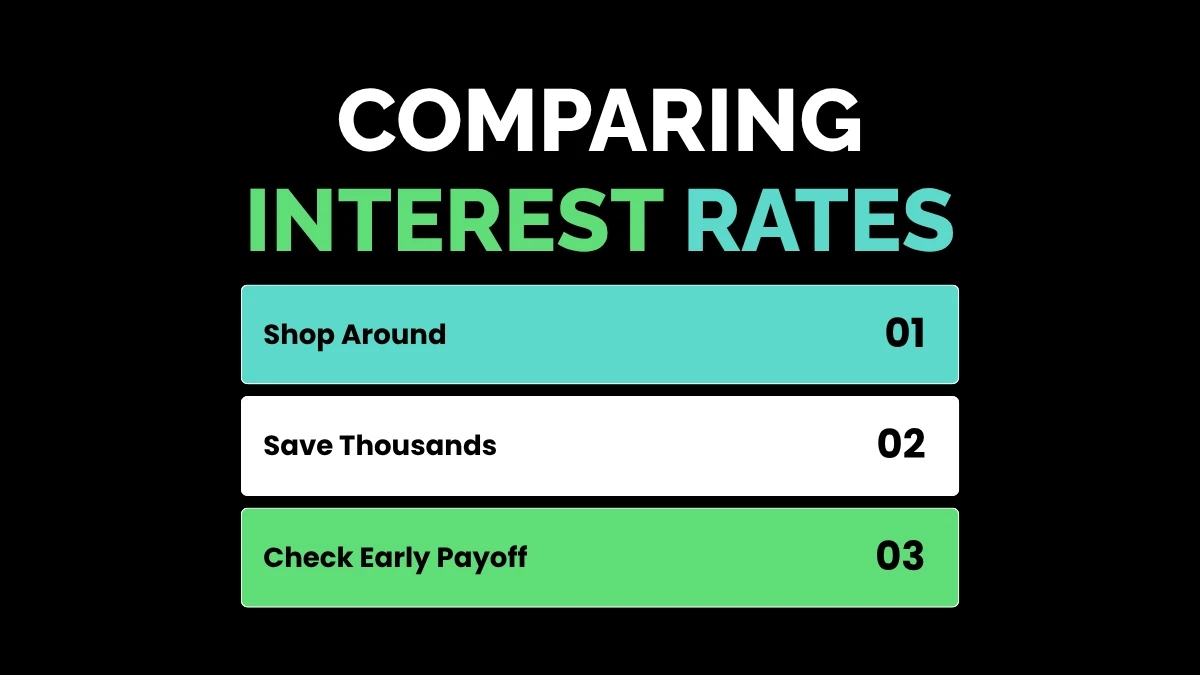
Use online calculators to see how much interest you will pay total. It is eye-opening.
Always ask if there are any penalties for paying off the loan early. You want the flexibility to pay extra when you have the cash.
Conclusion
Deciding how to handle vehicle finance is a big step. Whether you go with a traditional bank, a credit union, or an in house vehicle finance program, the key is doing your homework.
Don’t rush the process. Shop around, get pre-approved, and understand exactly what you are signing. When you take the time to compare your car finance options, you save money and stress.
Remember, you are in the driver’s seat. Take your time, stay informed, and enjoy the new ride!
Frequently Asked Questions
What is the best way to finance a vehicle with low credit?
Look into credit unions or “buy here, pay here” dealers directly. They often prioritize your current income and employment stability over your past credit history, providing a more accessible path to securing the vehicle you need right now.
Does checking my rate hurt my credit score when financing?
Soft pulls don’t hurt, but hard credit inquiries can temporarily lower scores. If you are shopping around for the best deal, try to do all your applications within a 14-day window to minimize the impact on your overall credit standing.
Should I choose a bank loan or dealer financing for cars?
Banks usually have lower rates, but dealers offer more flexible approval. It often comes down to your personal credit profile and how quickly you need the car. Getting pre-approved at a bank first gives you a baseline to compare against any dealer offers.
What is the most important factor in vehicle financing approval?
Your credit score and debt-to-income ratio are the most critical factors. Lenders want to see that you have enough monthly income to cover your new loan payment along with your existing debts without stretching your budget too thin.
Is it better to lease or buy a car long-term?
Buying is generally better long-term, while leasing offers lower monthly payments. Buying allows you to build equity in the vehicle, whereas leasing is essentially renting, meaning you have no asset to trade in or sell once the agreement period ends.