
Key Takeaways
-
Low starting costs
-
Fast setup process
-
Flexible niche choices
-
Scalable passive income
-
No product creation needed
Introduction
Ever wondered how everyday people make money online while sleeping in their beds?
It sounds like a cheesy late-night infomercial, doesn’t it? But affiliate marketing for beginners is actually one of the most legitimate ways to build passive income online today.
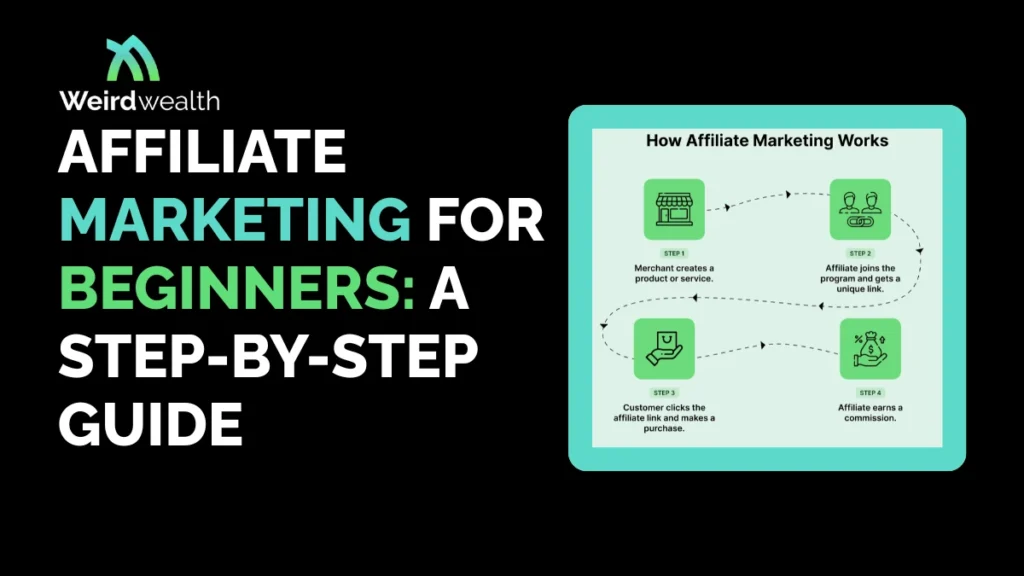
Here is how affiliate marketing works in plain English. You recommend a product you like, someone buys it through your custom link, and you earn an affiliate commission. That is literally the whole model!
You do not need to invent products, manage inventory, handle shipping, or deal with angry customers. At Weird Wealth, we love keeping financial growth simple, so let us get you set up step by step to make your very first sale!
AI Overview
Affiliate marketing for beginners is a low-risk business model where you promote products from established brands using unique tracking links. When a user purchases through your referral link, you earn an affiliate commission. You do not need product inventory, capital, or customer support teams. This affiliate marketing guide explains how to select a niche, pick affiliate networks, build trust, and generate passive income online step by step.
How Does Affiliate Marketing Actually Work?
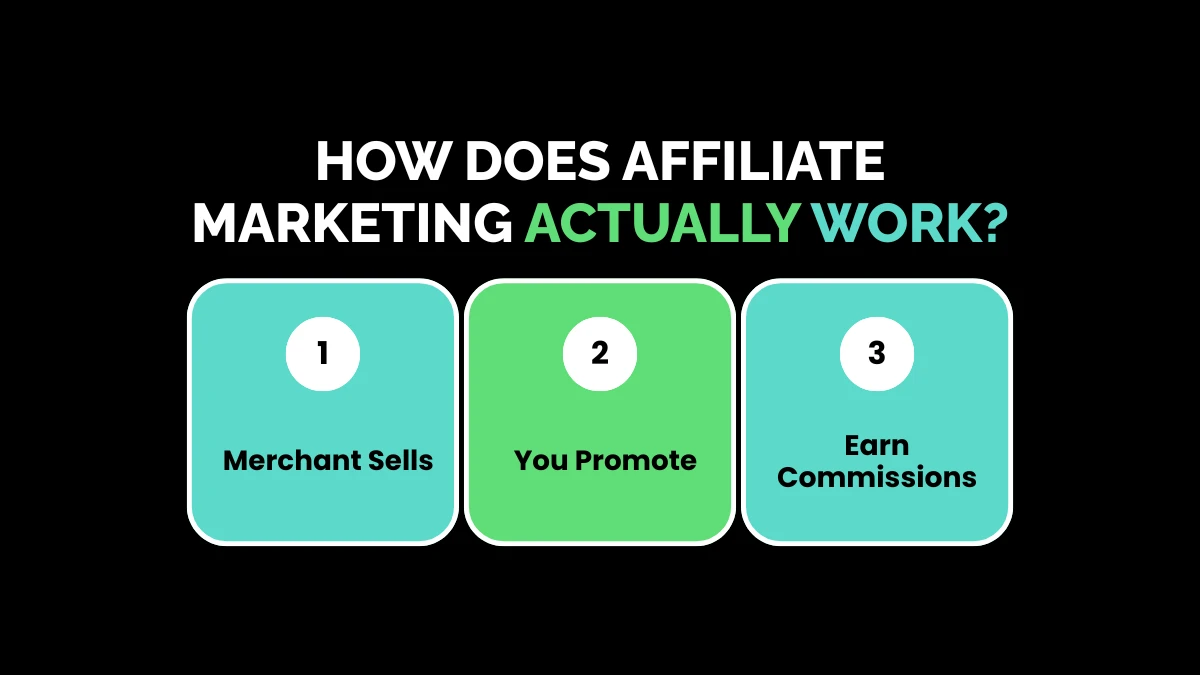
Let us pull back the curtain and look under the hood. The entire business relies on a basic four-part partnership chain:
-
The Merchant: The business creating and selling the actual product.
-
The Affiliate (You): The creator sharing helpful product recommendations.
-
The Customer: The person clicking your link to buy something they need.
-
The Affiliate Network: The platform connecting creators with merchants.
When you join modern affiliate networks, you gain access to unique affiliate links. These custom URLs track every single reader you refer to the store.
If someone buys within a standard cookie window, you get paid. It is basically getting paid a digital finder’s fee for making a friendly referral!
Step 1: Pick Your Ideal Niche
Choosing a niche is your very first major decision. Trying to appeal to everyone usually means appealing to no one.
Pick a narrow topic that genuinely interests you. Do you love outdoor camping gear, budget travel, coffee brewing, or home gaming setups?
When you stick to a single subject, visitors view you as a reliable guide rather than a generic digital salesperson.
| Niche Category | Beginner Friendliness | Potential Commission |
| Tech & Software | High | High (Often Recurring) |
| Health & Fitness | Medium | Medium to High |
| Personal Finance | Medium | High |
| Hobbies & Crafts | High | Low to Medium |
Step 2: Choose Your Strategy (With or Without a Website)
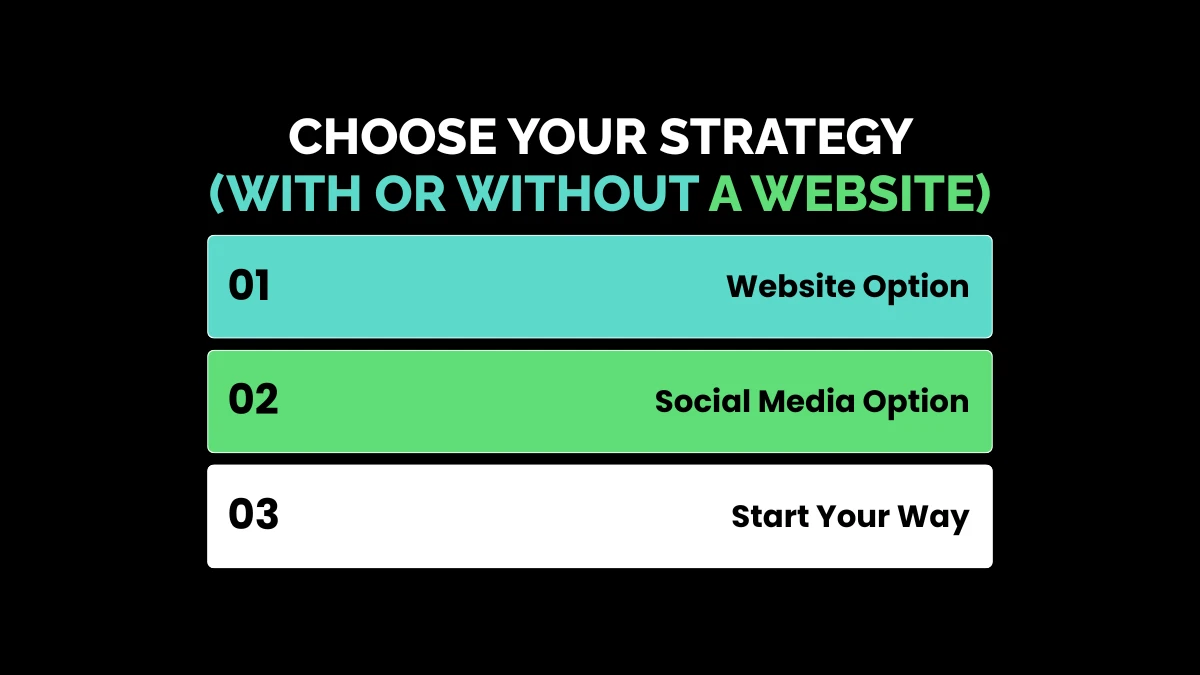
Where are you going to share your recommendations? You have two clear roads to choose from.
Path A: Building a Website
Building a simple blog gives you complete ownership over your content long-term. Search engines can send consistent free traffic to your pages for years.
Path B: Affiliate Marketing Without a Website
Can you really start affiliate marketing without a website? You absolutely can!
Plenty of beginners build thriving businesses on YouTube, TikTok, Pinterest, or through direct email newsletters.
Here is a quick look at how these two paths compare:
| Feature | Website Route | Social Media Route |
| Setup Cost | Low ($3–$10/mo) | Free |
| Control | 100% Owner | Subject to Algorithms |
| Content Type | Long-form Articles | Short Videos & Images |
| Speed to First Sale | Medium | Fast |
Step 3: Join the Best Affiliate Networks
Once your platform is set up, you need actual products to recommend. That is where top affiliate networks enter the picture.
These platforms host thousands of merchant programs under one roof. They handle link creation, track your sales, and deposit earnings into your account.
Here are a few trustworthy networks designed for beginners:
-
Amazon Associates: Perfect for physical goods because everyone trusts Amazon, though commissions are lower.
-
ShareASale / CJ Affiliate: Massive platforms offering thousands of famous brand name products across many industries.
-
Impact: Known for excellent tech brands, high user experience ratings, and clean reporting metrics.
-
ClickBank: Popular for digital products, online courses, and software apps with high payout percentages.
Step 4: Create Helpful Content That Builds Real Trust
Now comes the fun part: creating valuable content! The primary golden rule here is to always help first and sell second.
Nobody wants to read a pushy sales pitch. Think about your own habits when shopping online. You look for practical insights and real reviews, right?
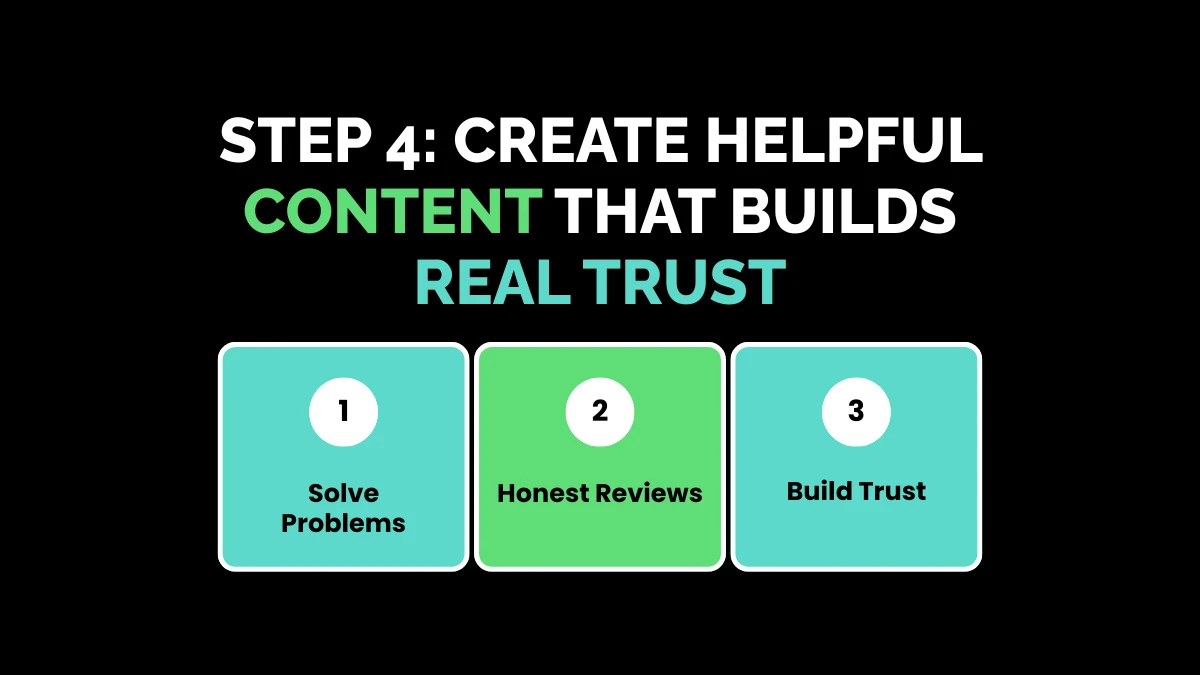
Write detailed product reviews, helpful side-by-side comparisons, or beginner tutorial guides. Always show pros and cons clearly.
At Weird Wealth, we constantly remind beginners to focus on actionable beginner affiliate tips: solve your reader’s problem, and sales follow naturally.
Step 5: Drive Traffic to Your Affiliate Links
You created great content and grabbed your links, but how do real people find them?
You need traffic, which generally comes from two primary sources:
-
Organic Search (SEO): Writing content that ranks on search engines when people search for product reviews.
-
Social Communities: Sharing answers on Reddit, YouTube, or Pinterest where people naturally gather.
When placing your affiliate links, insert them naturally into your sentences or video descriptions.
Never drop links randomly without helpful context; audiences recognize low-effort links right away.
Step 6: Follow Disclosures and Legal Requirements
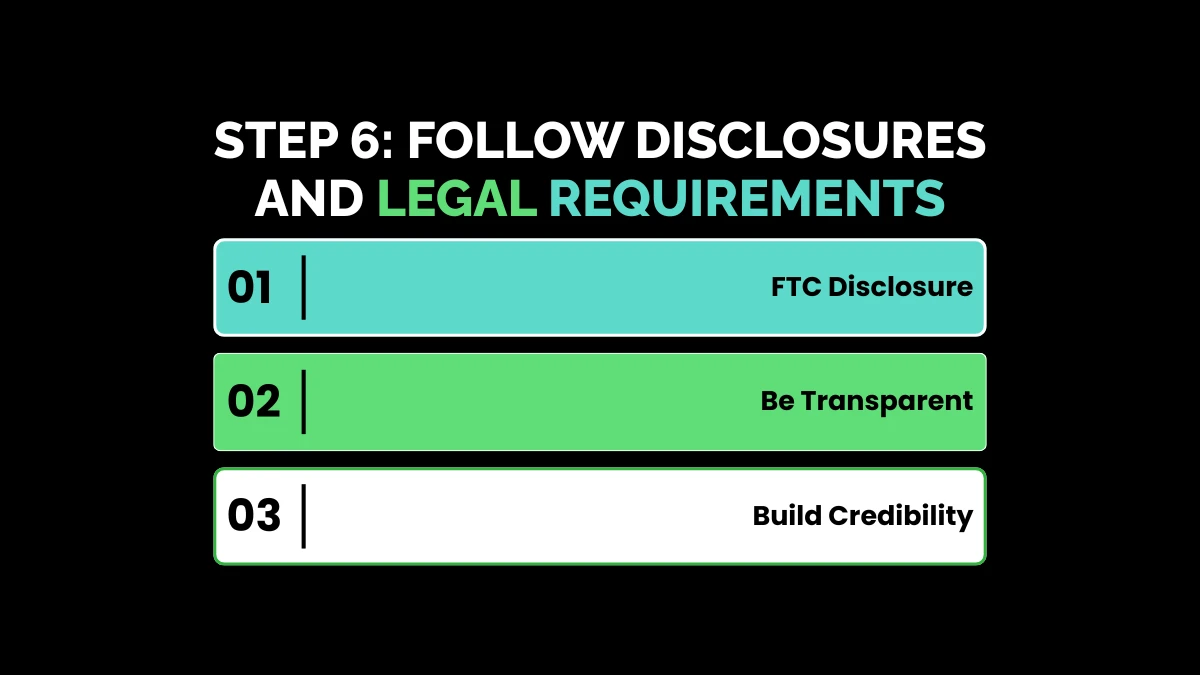
Transparency isn’t just good practice, it is strictly enforced by consumer protection laws like the FTC.
Always include a clear disclosure notice near your links, such as: “This page contains affiliate links. If you buy through them, I may earn a small commission at no extra cost to you.”
Honesty creates strong trust with your audience. Readers appreciate clear transparency and are much more likely to support your work.
Step 7: Analyze Your Results and Scale
Once your content is live, check your tracking dashboard to review your weekly performance metrics.
Which affiliate links earn the most clicks? Which pages generate actual income, and which ones get ignored?
Double down on what works! Update high-performing articles, test better call-to-action buttons, or add new related products to scale.
Common Affiliate Marketing Mistakes to Avoid
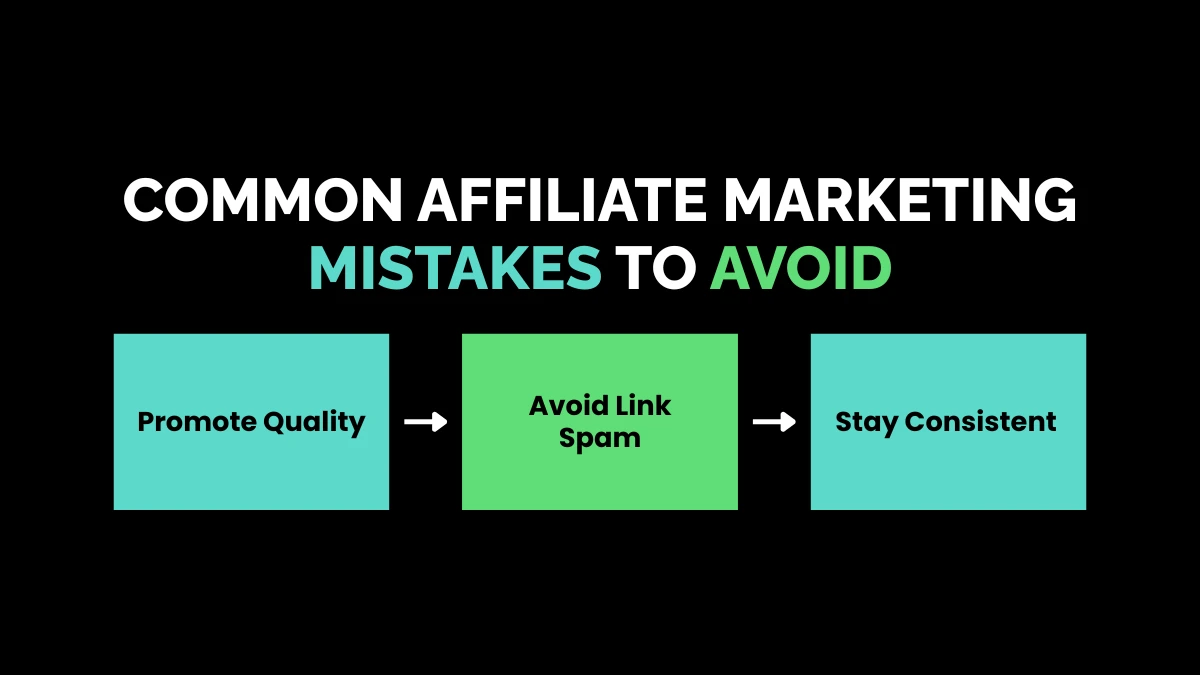
Starting out is exciting, but avoid these common traps:
-
Promoting low-quality items just to chase a fast commission payout.
-
Filling your content with way too many affiliate links.
-
Neglecting reader value in favor of quick sales tactics.
-
Giving up early before search engines index your work.
Steer clear of these affiliate marketing mistakes, remain consistent, and let your traffic compound over time!
Conclusion
Mastering affiliate marketing for beginners comes down to taking consistent, structured action. Pick a clear topic, choose your preferred content platform, and share authentic product recommendations that answer real questions.
Avoid standard affiliate marketing mistakes, focus on helping your audience first, and your first online commission will follow sooner than you think!
Frequently Asked Questions
How long does it take to earn money with affiliate marketing?
In most cases, consistent beginners make their first affiliate commission within 3 to 6 months.
Can I start affiliate marketing for free?
Yes, generally you can start affiliate marketing without a website by using free social media platforms.
Do I need a business license to start affiliate marketing?
Based on available data, most creators start as sole proprietors before officially registering a business entity.