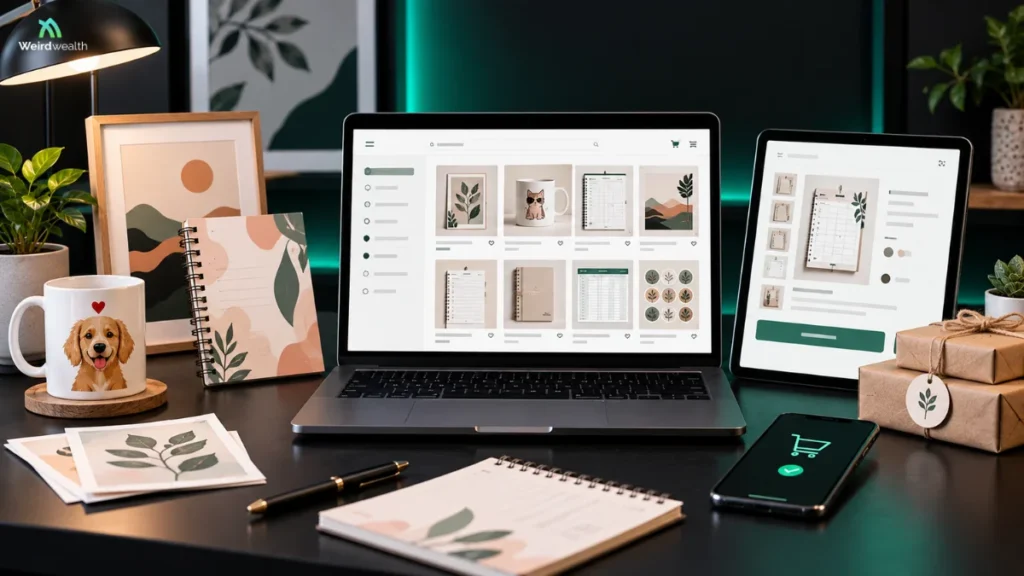
Weird Etsy niches are small product categories built around oddly specific interests, inside jokes, problems, or communities. They work because shoppers don’t always want the biggest or most generic option out there sometimes what they’re really after is something that feels like it was made just for them.
That’s honestly what makes Etsy interesting. By the end of 2025, the platform had 86.5 million active buyers and 5.6 million active sellers, with over 100 million items listed. Etsy also says roughly 30% of its 2025 sales came from custom or made-to-order goods so no, not every odd idea is going to take off, but there’s clearly real room on the platform for stuff that feels personal and specific.
Key takeaways
- The niches that actually work usually solve one clear problem or hit one specific interest hard not trying to please everybody at once.
- Small audience? That’s not automatically a red flag. If the product really clicks with what that group wants, even a tiny crowd can carry a shop.
- Easiest places to start are usually digital downloads, hobby accessories, personalized gifts, or niche home decor.
- Before you sink time into an idea, pull up Etsy’s Marketplace Insights tool and see if there’s actual search demand or if the space is already packed.
- Just because a product goes viral doesn’t mean anyone’s actually buying it people mix these two up constantly.
- Look into your production costs, pricing, the competition, any IP red flags, and Etsy’s current rules before committing for real.
- Stick to one narrow audience at first. You can always widen out later, once you’ve got real buyer behavior telling you it’s time.
Why Do Unusual Niches Actually Work?
Picture a normal category like planners it’s completely saturated. But a very specific spin on it can speak to a smaller group way more clearly: a planner made for plant collectors, a sarcastic one for night-shift workers, or a printable tracker built around one particular hobby.
Etsy markets itself around unique and creative goods, and its own buyer research shows people come to the platform looking for something specific custom items, gifts, inspiration, not just the cheapest generic version of a product. That lines up with how niche shops actually work: buyers are often searching for something more personal than what a typical marketplace listing offers.
That said, “unusual” doesn’t automatically mean “profitable.” A niche still needs real demand, manageable competition, reasonable production costs, and a product people genuinely want to buy.
Examples of Weird Etsy Niches That Actually Sell
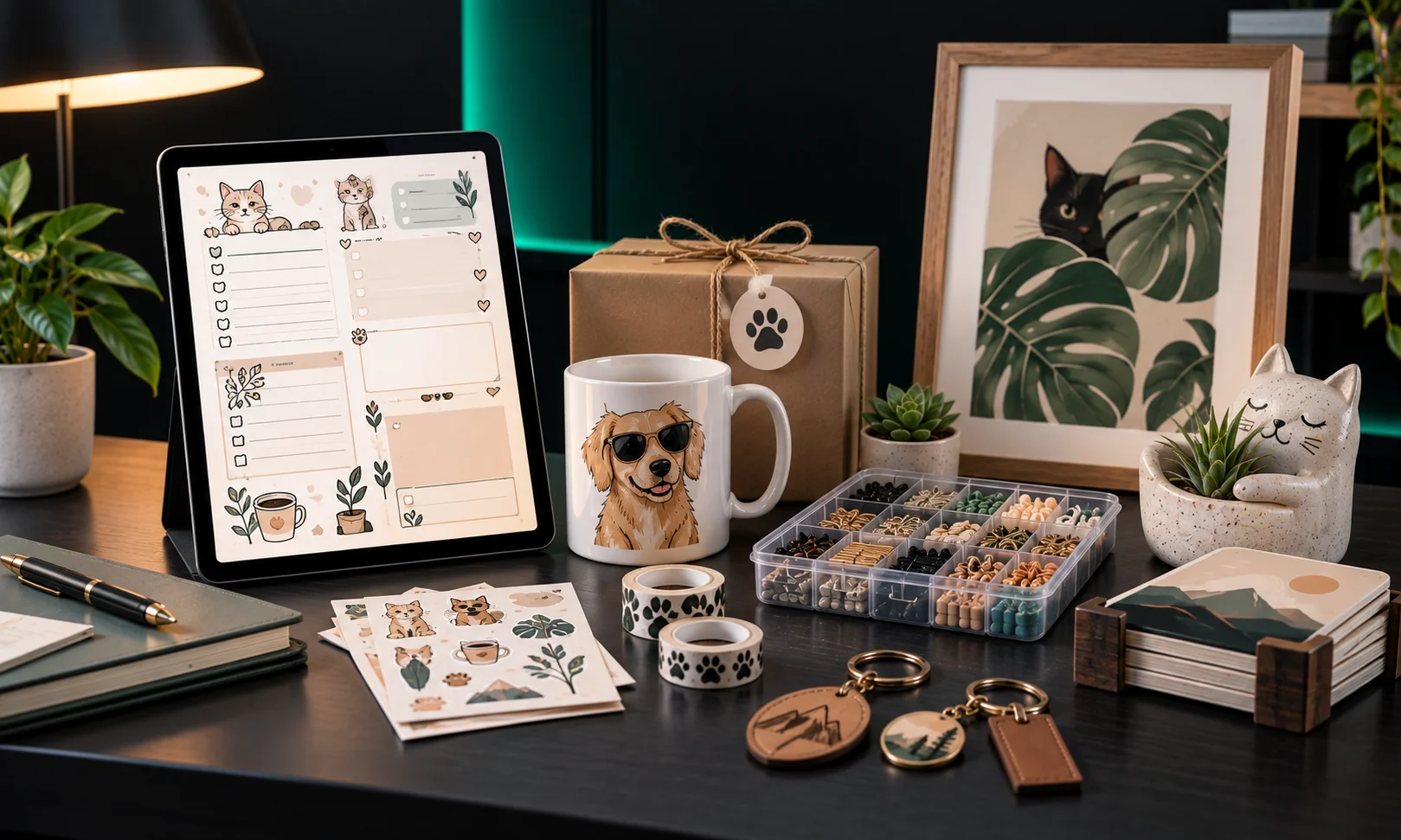
The niches that do well usually aren’t weird just for the sake of being weird. They take a completely ordinary product and give it a very specific audience or personality.
Funny, hyper-specific digital downloads
Think printable checklists, trackers, planners, invitations, worksheets, templates the whole file itself might be simple, but it’s the use case that makes it stand out. A printable built for someone planning a fantasy-themed birthday, managing a massive houseplant collection, or tracking one very particular hobby suddenly has a much clearer audience than a generic planner ever could.
Tiny hobby accessories
Small hobbies often lead to surprisingly focused product ideas storage labels for collectors, custom tags for craft supplies, display cards for miniatures, organizers built for one specific activity.
Personalized inside-joke gifts
Personalization is what gives an ordinary gift a reason to exist in the first place. A mug, sign, card, ornament, or printable becomes something else entirely once it reflects a family joke, an odd job title, a pet’s personality, or a phrase only certain people would get. And remember that stat from earlier — custom and made-to-order goods made up about 30% of Etsy’s GMS in 2025, so this isn’t some fringe idea. It’s a real chunk of the marketplace.
Oddly specific home decor
Home decor doesn’t have to stay broad either. A sign made for one particular kind of room, hobby corner, reading nook, pet obsession, or fandom-adjacent vibe can speak directly to a small, tight-knit community. Just stay inside Etsy’s rules here and steer clear of copying protected characters, logos, or designs.
How to Find Your Own Weird Etsy Niche

You don’t need some mysterious flash of inspiration to get started. It’s more about collecting small problems and strange interests, then actually testing whether people are already searching for a solution.
Watch what people complain about
Complaints are gold because they usually point to a gap in the market. Scroll through hobby communities, social comments, forums, and reviews where people say things like “I wish someone made…” Maybe they’re struggling to organize something, personalize something, store something, or find a gift for someone with a really specific interest.
Combine two boring things into one odd thing
This might be the easiest trick in the book. Take a normal product and pair it with a specific audience. A budget template becomes a budget template for one particular hobby. A wall sign becomes a sign for one specific type of room. A gift becomes a gift for one very specific relationship. That combination is basically what creates the niche.
Look at what’s trending outside Etsy
Etsy isn’t the only place people show you what they’re into. Pinterest, TikTok, Instagram, YouTube, Reddit, and Google Trends often reveal emerging interests before they ever show up on Etsy itself. Look for patterns repeated conversations, questions people keep asking, problems that keep resurfacing instead of chasing one random viral post.
Check Etsy’s own search tools
Etsy’s Shop Manager now includes a Marketplace Insights tool, and Etsy says it’s built on real search data, showing both demand and competition side by side. Start with a broad idea, explore related phrases, and look for the angle where there’s real demand without the product turning completely generic.
The Risk Side of Weird Niches
The biggest risk here is going too narrow. Another one is mistaking attention for actual buying intent people might laugh at your product, share it, or comment on it, without ever pulling out their wallet.
A strange physical product can also come with hidden costs: expensive materials, tricky shipping, fragile packaging, or too much customization to make it worth your time. Digital products dodge most of that, but they still demand real, original work and design that’s actually useful.
Then there’s the policy side. Etsy requires everything listed to be made, designed, handpicked, or sourced by the seller under its Creativity Standards, and it has separate rules around prohibited items and intellectual property. A weird niche isn’t a loophole around any of that.
So before you sink real time or money into an idea, ask yourself three things: Can I actually make this well? Can I price it and still turn a profit? And can I sell it while staying inside Etsy’s current rules?
Turning a Weird Idea Into a Real Shop
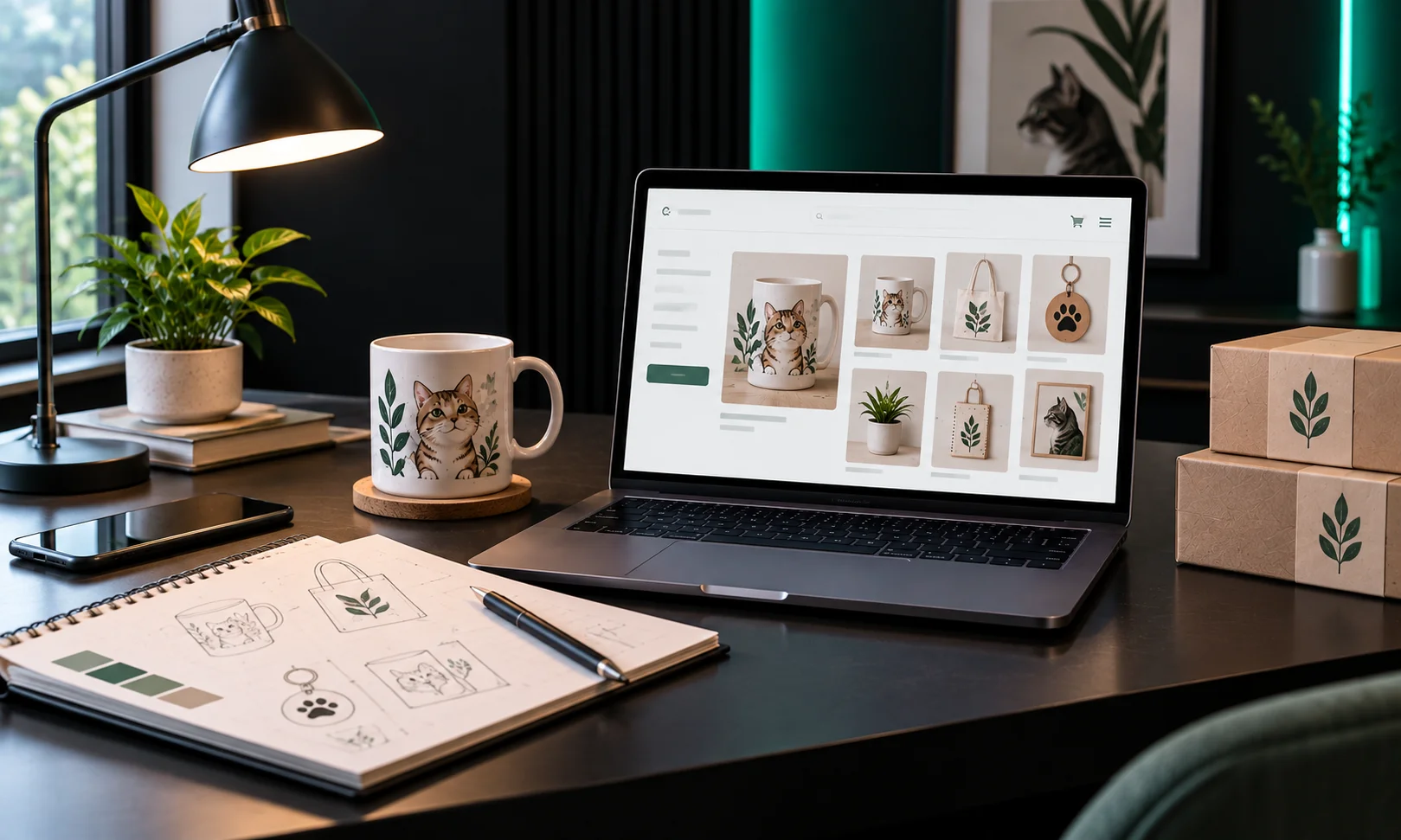
Start With One Buyer, Not Twenty Categories
Pick one clear customer instead of scattering yourself across twenty different product categories. If your first idea is a printable for a specific hobby, build a handful of related products around that same buyer rather than immediately tossing in unrelated mugs, shirts, and decor.
Give the Shop an Actual Personality
Your photos, titles, descriptions, and product names should make it instantly obvious what sets your shop apart from the next one. If it feels interchangeable with a dozen other shops, that’s a sign something needs work.
Test Small Before You Go All In
Put up a few closely related listings and keep an eye on impressions, clicks, favorites, questions, and sales. No single number will “prove” a niche works, but the overall pattern will tell you whether people are actually noticing and moving toward a purchase.
Keep It Specific, But Expandable
A good way to think about a profitable niche is “specific, but expandable.” Your first product should feel narrow and personal, but the ones that follow should still be able to serve that same buyer. One unusual planner, for instance, can naturally lead to matching trackers, labels, cards, or bundles — giving the shop room to grow without losing what made it special in the first place.
Don’t Underestimate Your Photos
Photos matter more than most new sellers expect. A weird product often needs a little context before someone gets why it’s useful. Show the item clearly, but also show how it’s actually used. For digital products, preview pages, close-up shots, and simple real-world examples go a long way toward making the offer click.
Write Like the Buyer, Not Like a Keyword List
Your titles and descriptions should sound like the buyer’s own words, not a pile of stuffed keywords. Etsy’s own search system is built to connect shoppers with relevant listings, and Google’s guidance says basically the same thing use the words people naturally type when they’re searching. Clear, natural wording helps both real humans and search algorithms understand what you’re actually offering.
Run the “Would Someone Search for This?” Test
If you can sum up your product in one simple phrase and picture a real person typing that into Etsy’s search bar, you’re probably onto something. If it takes a whole paragraph to explain why anyone would want it, go back and simplify the idea.
Build Around Emotion, Not Just Novelty
People buy gifts to make someone laugh, feel understood, celebrate who they are, or mark a moment that matters to them. A product built around one of those feelings usually has a stronger pull than something that’s just unusual for the sake of being unusual.
A Quick Note on Sources
This article draws on Etsy’s published marketplace data, its Seller Handbook, its Creativity Standards, and current guidance from Google Search Central. The practical suggestions here are editorial analysis based on those sources not a guarantee of Etsy sales or search rankings.
Google’s own guidance pushes for people-first content that’s genuinely useful and reliable, and makes clear who created it and why. It also treats E-E-A-T as a helpful quality concept rather than a direct ranking factor, with trust being the most important piece of it.
Frequently Asked Questions
Are weird Etsy niches profitable?
They can be, but nothing’s guaranteed. It really comes down to demand, pricing, your costs, the competition, product quality, and how well the offer actually fits what buyers want.
What’s an example of a weird Etsy niche?
Something like a hyper-specific printable, a hobby organizer, a personalized gift, or home decor made for one small interest group. Usually it’s the audience or the use case that’s unusual not the product itself.
How do I know if a niche is too small?
Look for signs of repeated interest search activity, existing competitor listings, buyer questions, ongoing community discussions, related products already selling. That’s a better signal than a gut feeling.
Can digital products work in weird niches?
Yes, definitely. Digital downloads are great for narrow audiences since they’re cheap to deliver and easy to tailor to a specific need. They still need to be original and genuinely useful, though, and they have to follow Etsy’s rules like everything else.
Should I just follow Etsy trends?
Trends are a good way to find ideas, but they shouldn’t replace actual research. A niche that lasts usually has a real buyer need behind it, not just one short-lived viral moment.
Does Etsy allow every unusual product?
No. Etsy’s Creativity Standards and other seller policies determine what can actually be listed, so it’s worth checking the current rules before you build a whole shop around one idea.
Disclaimer
Etsy’s search demand, competition, policies, fees, and buyer behavior can all shift over time. The examples in this article are ideas to explore, not guaranteed business opportunities. Always check Etsy’s current policies and marketplace data before putting real money into a shop.