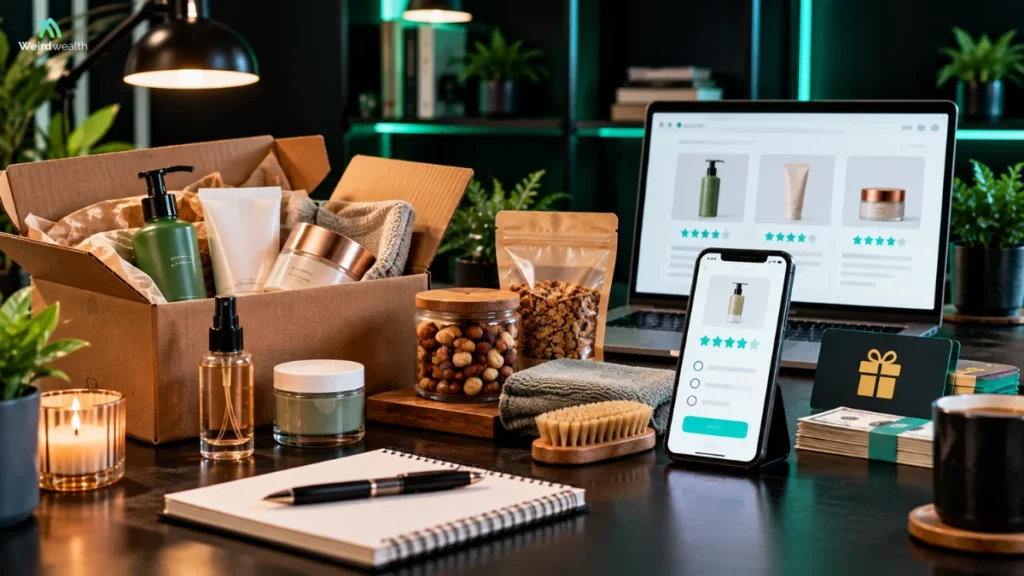
If you like trying new things, you may have wondered whether companies really pay people to test products. They do, but the reality is different from the flashy “get free stuff and make easy money” posts you see online.
So basically, if you want to get paid for testing products, you sign up for a research panel or testing platform usability testing sites, review communities, stuff like that. They’ll send you something, you try it out for a bit, then answer some questions or do a quick survey about how it went. Some pay you in cash or gift cards, others just let you keep whatever you tested for free.
Here’s what people usually get wrong though \ this isn’t gonna replace your job. It’s more like pocket money on the side. And honestly, you won’t get picked for every test either. The real platforms screen people, so getting rejected sometimes is just part of it. Just keep your expectations in check and you’ll be good.
What does getting paid to test products actually mean?
Product testing is basically a company asking real people, “What do you think of this?” before or after a product reaches more customers.
That is why “get paid to test products” can be misleading. Not every opportunity pays cash. Some offer points, gift cards, or direct payments.
Key Takeaways
- Product testing can mean a bunch of different things honestly sometimes they actually mail you a physical product, sometimes it’s just surveys, testing apps or websites, that kind of research stuff.
- Money-wise it’s all over the place too. Some places pay actual cash or gift cards, others just hook you up with free products or points you cash in later.
- And don’t think you’ll get into every single study the legit ones actually screen people first, so yeah, you’ll get rejected sometimes. Just how it works.
- Never pay an upfront fee to access a supposed testing job.
- Be careful with unexpected messages offering easy money for product ratings or “optimization” tasks.
- If you receive a product for free, follow applicable disclosure rules when publishing your review.
- Honest feedback matters more than writing something positive.
- Product testing is generally better viewed as flexible side income than guaranteed employment.
How does product testing work?
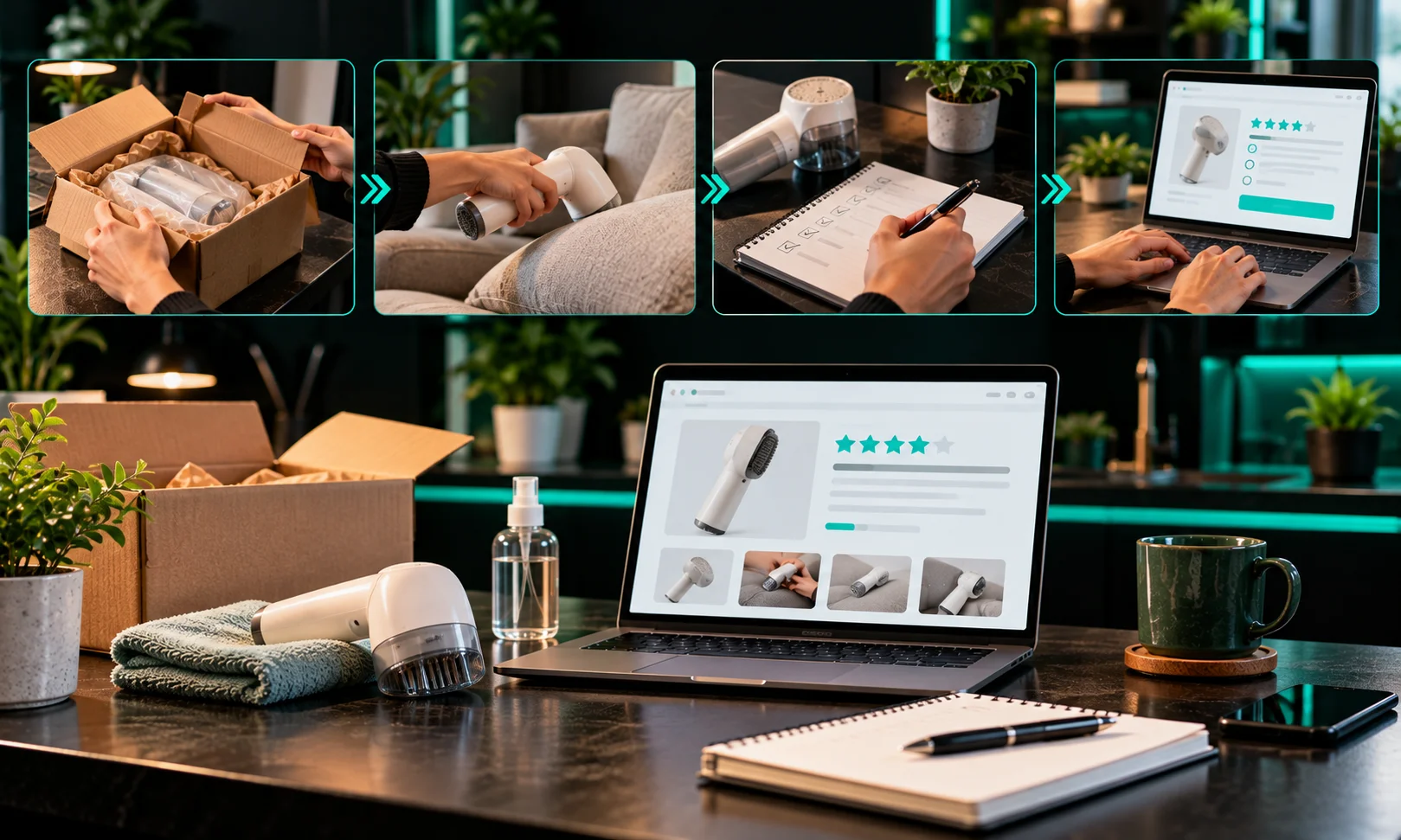
The process is usually simple.
1. Create a tester profile
You normally answer questions about your age range, household, shopping habits, interests, location, and the products you use.
These details help research companies match you with suitable studies. Pinecone Research says member profiles are used to determine which surveys and product tests a person may qualify for.
2. Wait for a matching opportunity
You will not necessarily receive a test every day. A company may be looking for a specific type of consumer, so some people get more invitations than others.
There is no honest way to guarantee a certain number of tests or a fixed monthly income.
3. Complete the test
If you qualify, you receive instructions explaining what to do.
For a physical product, you might use it at home and answer questions afterward. For a digital product, you may test a website or app and explain what feels easy or confusing.
UserTesting offers recorded tests, surveys, and live conversations where participants share their views about products or experiences.
4. Submit honest feedback
This is the part companies actually need.
You are not supposed to say something is great just because you received it for free. Good testing programs want useful feedback, including problems or things you would change.
The FTC says incentives should not be tied to giving a particular positive or negative opinion.
5. Receive your reward
Payment depends on the program. It might be cash, a gift card, points, reimbursement, or the product itself.
UserTesting says rewards vary according to test type, duration, and customer demand, with the amount shown for available tests.
Where can you find legitimate product testing opportunities?
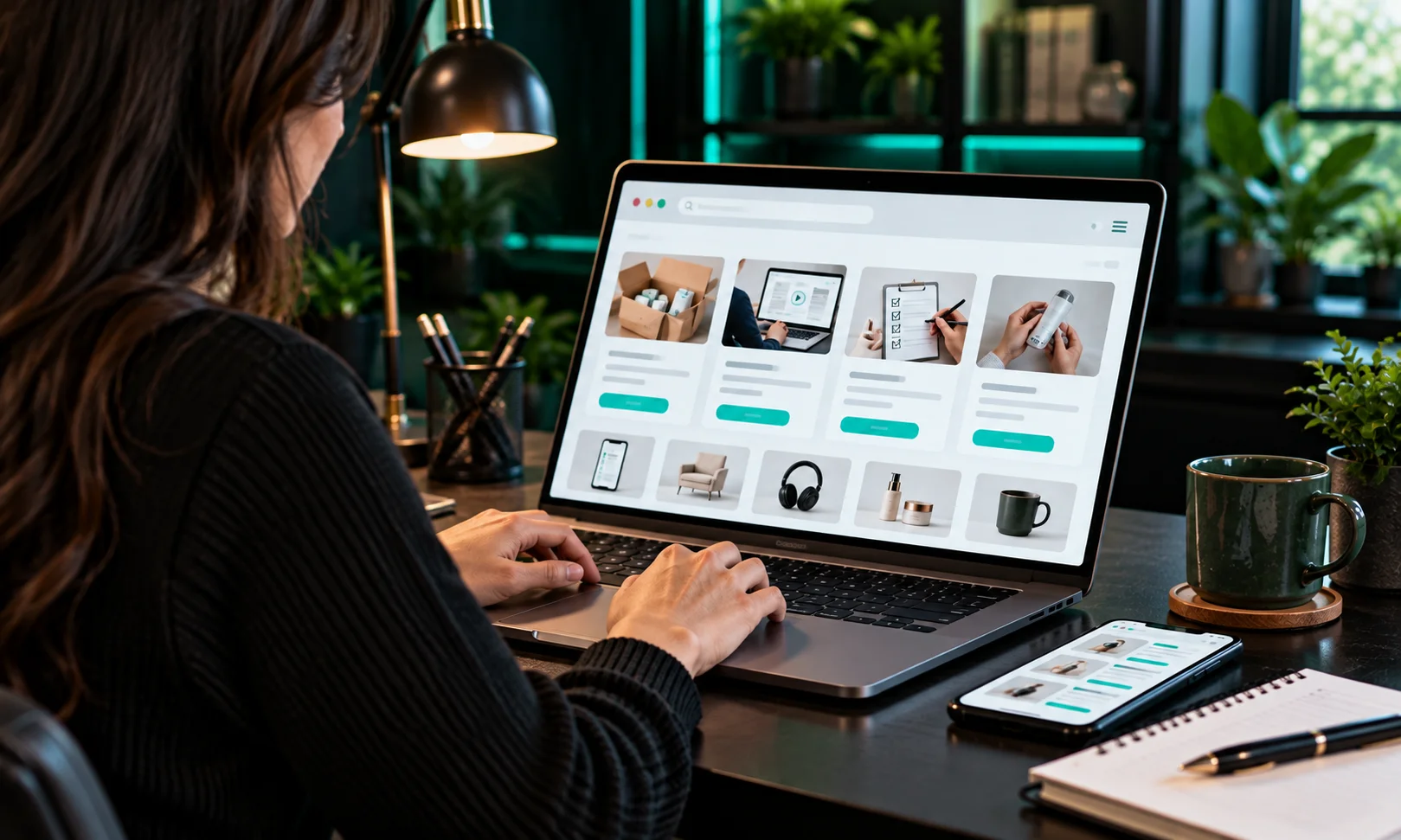
UserTesting’s mainly about websites, apps, and prototypes rather than physical stuff basically you’re giving feedback on digital products and customer experiences. One nice thing: you can actually see what the payout is before you agree to do a test.
Pinecone Research is a bit different it’s more of a mix, surveys, focus groups, and actual at-home product testing. From what they say currently, you might end up testing anything from food and drinks to pet supplies, hygiene products, or even wearable tech.
Then there’s Influenster, which leans hard into free product sampling. Their whole VoxBox thing works by picking certain people to try products and then share honest reviews. One thing worth knowing they do require you to disclose that you got the product for free when you’re testing it.
Can you test products from home?
Yes. At-home product testing is one of the easiest forms to understand because the product is sent to you or the test is completed online.
Pinecone Research specifically lists at-home product testing among its opportunities.
Digital testing can also happen from home. Instead of opening a box, you might use a website or app and explain what you think while completing specific tasks.
If you only want physical items, read the platform description instead of assuming every “tester” opportunity involves something being shipped to your door.
How much can product testers actually make?

There is no universal rate. One test might give you a small reward, while a longer research session may offer more. Some opportunities pay nothing in cash but provide a product you can keep.
UserTesting says test rewards vary based on test type, duration, and customer demand.
It is better to think of product testing as occasional side income rather than a predictable paycheck. Results can change from month to month because available studies change.
If a website promises hundreds of dollars every day for simple product tests with no screening, treat that claim carefully. Real research programs have specific participant requirements.
What makes a product testing opportunity legitimate?
First, look for clear information about the company, testing process, eligibility, compensation, and privacy. You should understand what you are agreeing to before joining.
Second, be cautious if someone asks you to pay an upfront fee to access a “guaranteed” testing job. The FTC warns that legitimate work does not require you to pay to get the job.
Third, be careful with unexpected WhatsApp, Telegram, or text messages offering quick money for rating products or completing “optimization” tasks. The FTC warns about task scams where fake earnings are displayed and victims are later asked to deposit their own money, often in cryptocurrency.
A real product test should not require you to send your own money just to unlock fake earnings.
Do you have to write positive reviews?
No. Honest feedback is the whole point of testing. If a company sends you something for free, that does not mean you have to pretend you loved it. The FTC says businesses cannot condition incentives on a particular review sentiment, such as requiring a five-star review.
You should also disclose a free product or other material connection when publicly reviewing it where disclosure is required. Influenster provides specific disclosure instructions for its free-product campaigns.
Someone seeing your review should know whether you bought the product yourself or received it as part of a testing program.
How can you improve your chances of getting selected?
Keep your profile complete and accurate. Research companies use profile information to match people with studies, so missing details can reduce relevant invitations.
Check your email and dashboard regularly. Some tests have limited places, and waiting too long can mean the study is already full. Give truthful answers during screeners. Do not invent information just to qualify.
Also, join several legitimate platforms instead of depending on one. A mix of paid surveys, consumer panels, usability tests, and physical product testing can create more opportunities.
For readers exploring side-income ideas, WeirdWealth can be a useful place to compare product testing with other online earning methods. The same rule applies across all of them: understand how the money is actually made before you spend time or money.
Sources and E-E-A-T Note
Info in this piece comes from Google Search Central, the U.S. FTC, and official pages for UserTesting, Pinecone Research, and Influenster. Just a heads up the rules around eligibility, pay, and terms on these platforms change pretty often, so it’s smart to check what’s currently listed before you actually sign up. Also, the FTC has put out some solid guidance on stuff like disclosing paid or free-product reviews, plus how to spot work-from-home scams, which is honestly pretty relevant to all this too.
Frequently Asked Questions
Can beginners get paid to test products?
Yes. Many testing programs do not require professional product-testing experience. UserTesting says applicants need to be at least 18 and do not need special experience, although eligibility and language requirements can vary by program.
Can I get free products for testing?
Yes. Some consumer research and sampling programs provide products for free in exchange for feedback. Influenster is one example, while Pinecone Research also describes at-home product testing opportunities.
Is getting paid to test products a full-time job?
Usually, no. Testing opportunities depend on research projects, participant requirements, and demand. It is more realistic to treat them as occasional or flexible side-income opportunities.
Do product testers always keep the products?
No. The rules vary by study. You may keep an item, return it, receive reimbursement, or only test something digitally. Always check the specific assignment terms.
Are product testing websites safe?
Now, not all of these are legit scams definitely exist in this space too. So do your homework: look into the company, actually read through the payment terms, and if anything ever asks you to pay money upfront to “unlock” earnings or land a guaranteed job… that’s a massive red flag. The FTC has literally called out this exact pattern as a scam warning sign.
Do I need to disclose that I received a free product?
If you publicly endorse or review a product after receiving it for free, disclosure may be required. The exact rules depend on the situation and platform, so follow applicable disclosure guidance and the testing program’s instructions.
Disclaimer:
Quick note before we dive in: this is meant as general info to help you understand how this stuff works, not a guarantee of anything. Product testing opportunities, who’s eligible, what rewards look like, how payments actually happen, and what’s even available all shift depending on where you live, and it changes over time too. So before you hand over any personal info, spend a dime, or agree to an assignment, go read the actual official terms yourself. Don’t just take someone’s word for it, including mine.