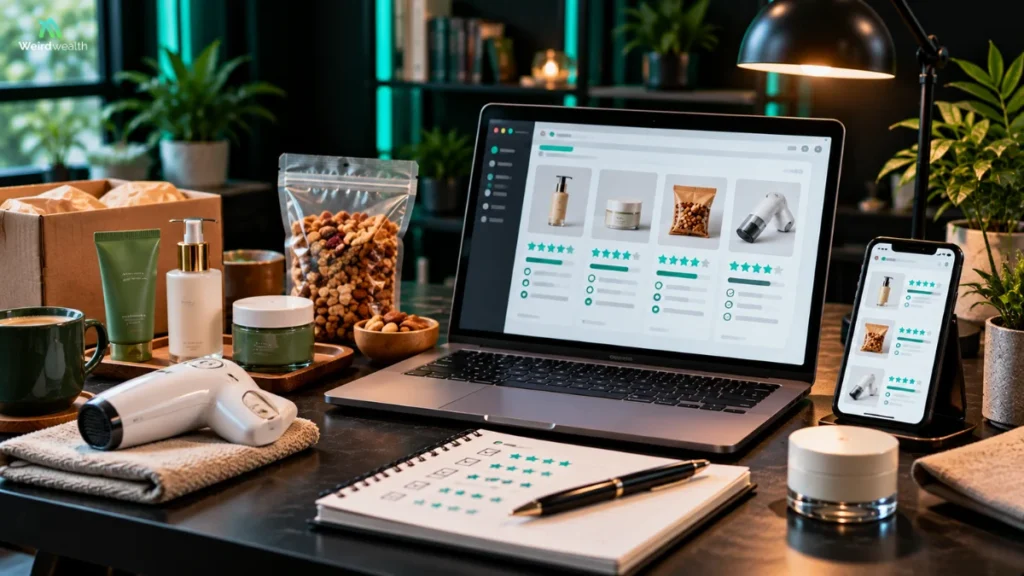
So can people actually get paid to review products? Yeah, for real. But it’s not just “write a nice review, get some cash” — wish it were that easy honestly. The legit stuff usually pays you for actually testing something, doing surveys, sitting through interviews, snapping photos, filming videos, or giving real, detailed feedback on your experience.
And there’s a legal side to this too the FTC’s pretty clear that any endorsement needs to be honest, and if you got paid or received something for free, you’ve gotta disclose that. Google’s also pushed guidance favoring genuine, original insights over shallow content that just repeats what’s already on the product page.
So really, paid product reviews are less about “reviewing” in the traditional sense and more like doing actual market research. You try the thing, give an honest take on what worked and what didn’t, and get paid for finishing the task not for saying nice things.
What does getting paid to review products mean?
There are several models. A company may send you a product and ask for feedback. A research platform may pay you to test an app, website, or experience. A brand may pay creators for review-style content. Some studies pay people for interviews about products they already use.
The reward isn’t always cash. It can be a free product, gift card, or discount. Influenster, for example, says selected members can receive products at no cost, while some offers may involve an upfront purchase with a coupon or gift code.
So always read the offer. “Free product” and “paid review” don’t necessarily mean the same thing.
How do paid product reviews work?
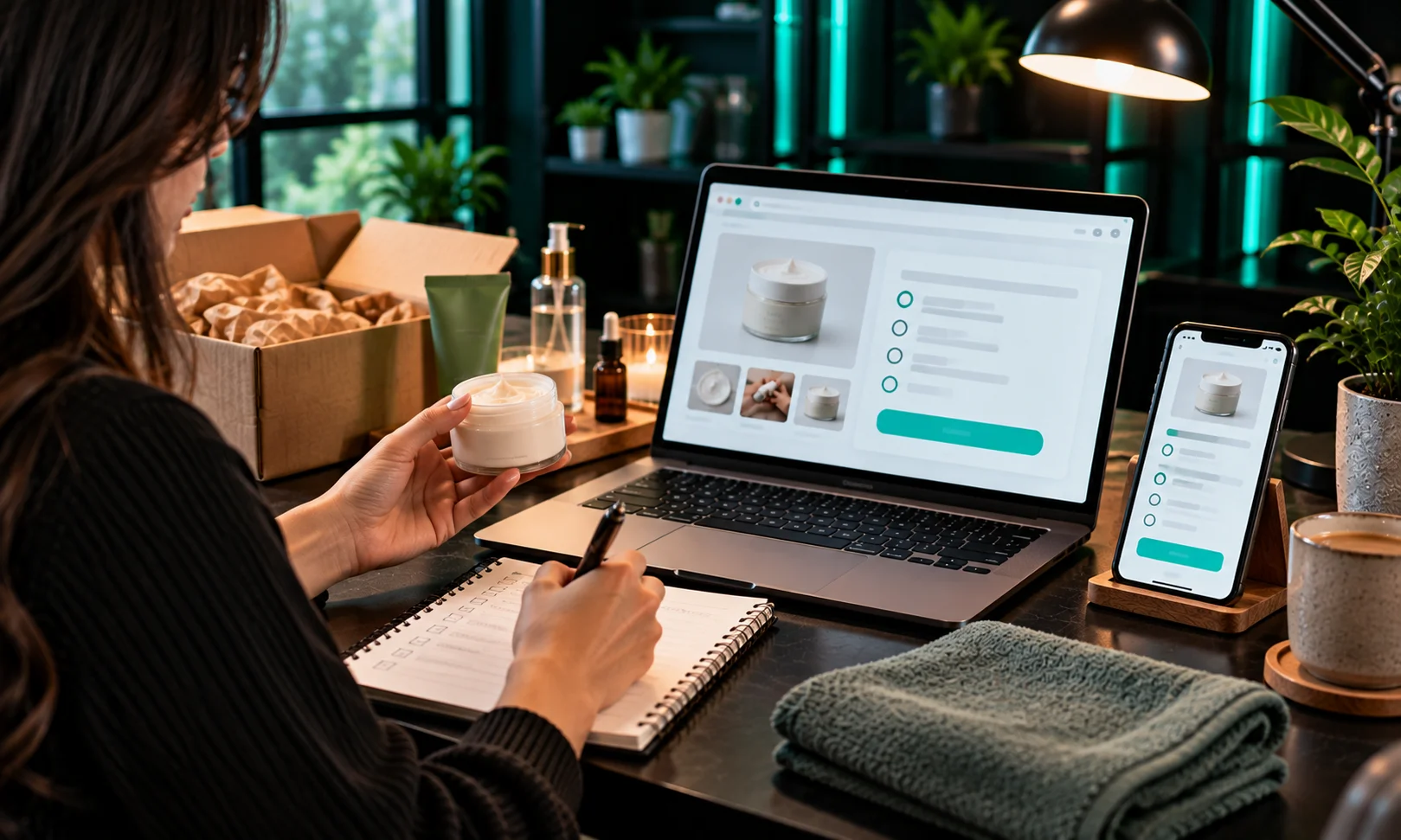
The process is fairly simple.
First, create a profile on a product testing or research platform. You’ll answer questions about your interests, habits, and the products you use.
Then comes screening. You won’t qualify for every study because companies are looking for specific people.
If selected, you receive instructions. You might test something at home, complete a survey, record feedback, or join an interview.
After completing the assignment, you receive the stated incentive. UserTesting says the amount for each test is shown before participation, and its participant support says completed studies receive an incentive with payment processed within 14 days.
It’s closer to research than a normal job.
What kinds of products can you review?
Common areas include beauty, food, household items, electronics, clothing, fitness products, apps, and websites.
Physical testing can involve using an item and answering questions about quality and performance.
A real assignment should explain what you need to do. If someone only wants a positive review without genuine product use, treat that as a warning sign.
Where can you find legitimate product review opportunities?
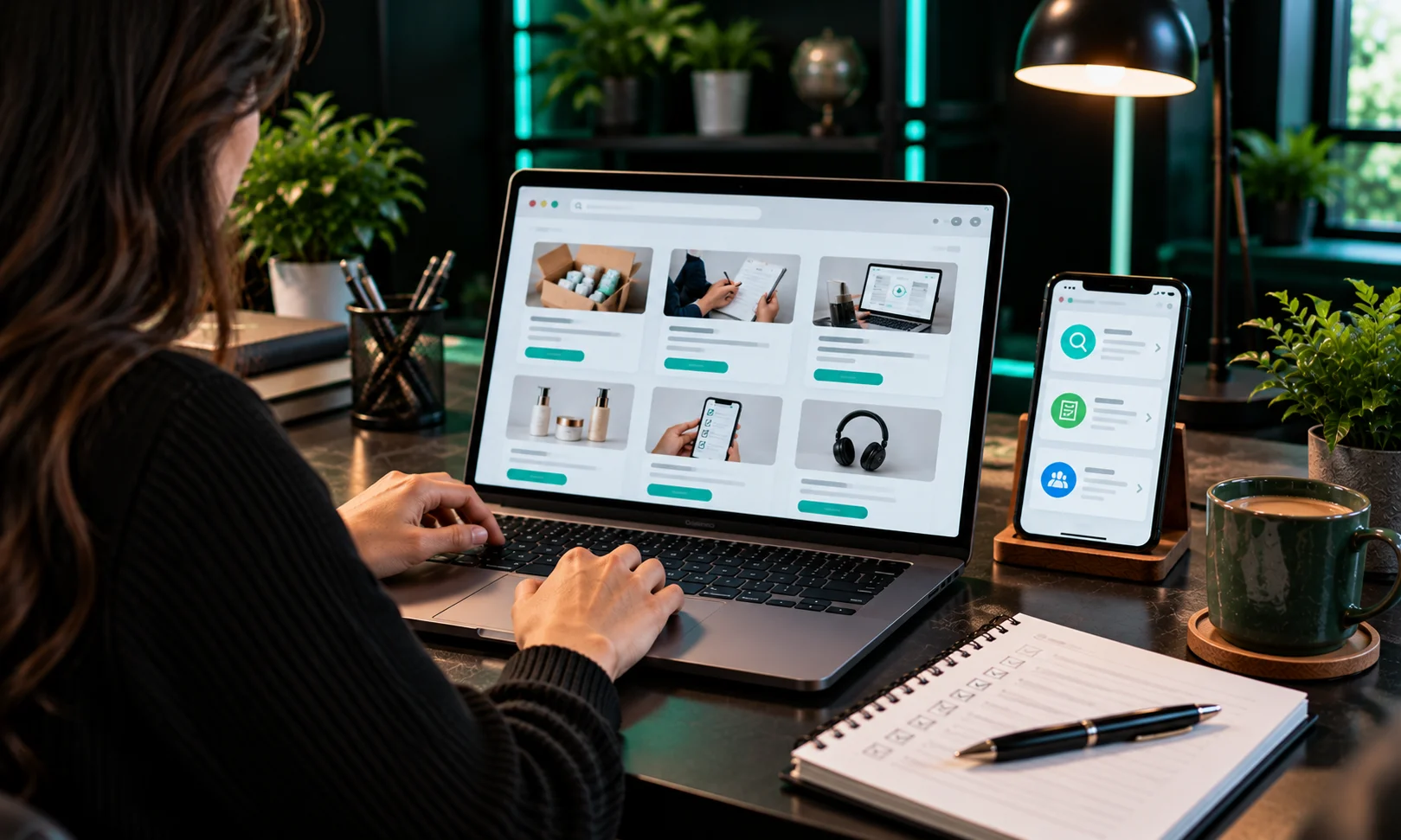
Start with established research and testing platforms instead of random messages on social media.
Influenster lets members qualify through surveys or invitations based on profile information and activity. Selected members may receive products to test, and required tasks are part of participating in a program.
User Testing is useful for people comfortable testing websites, apps, and digital experiences. Its contributor process involves creating an account, completing the required checklist, and taking available tests. The company says payment amounts are shown for each test.
User Interviews offers paid research studies, including online studies and interviews. Its current participant site says study incentives vary and that it recruits participants in many countries.
Respondent is another research marketplace where consumers and professionals can participate in studies. Its current site says its participant pool covers more than 150 countries, although each study has its own eligibility rules.
These platforms don’t guarantee regular income. Opportunities depend on your profile and each study.
How much can you make reviewing products?
There isn’t one amount everyone can expect. Some opportunities offer only a product or small incentive, while longer interviews, specialist studies, or detailed testing can pay more.
User Testing says successful participants can earn up to $60 for a test or interview. User Interviews currently says its average study pays over $45. These are platform-reported figures, not a promise of personal earnings.
Treat paid product reviews as side income, not a guaranteed paycheck. Study availability can change.
What makes a product review useful?
A good review gives information a company can use. Instead of saying, “I loved it,” explain why. Was it easy to use? Was the packaging clear? Did it solve the problem? What would you change?
If you publish reviews on your own site, originality matters too. Google says its reviews system is intended to reward insightful analysis and original research rather than thin summaries.
So don’t copy the manufacturer’s description and call it a review. Add your own testing details, comparisons, limitations, and reasoning.
Do you have to disclose that you were paid?

If you have a material connection with the brand, disclosure matters. The FTC says a material connection can include money, free or discounted products, employment, or other benefits. It also says disclosures should be clear and conspicuous. Simply thanking a company may not clearly tell readers that you received something of value.
A simple disclosure could be: “I received this product for free to test and review.” If you were paid, say that clearly.
Also check the rules of the website where you post. Some platforms prohibit incentivized reviews even when disclosed.
What should you avoid?
The biggest red flag is being told exactly what rating to give. The FTC says incentives should not be conditioned on positive sentiment, and its consumer reviews rule prohibits paying for five-star consumer reviews on third-party platforms.
If the deal is basically “we pay you only if you give five stars,” skip it.
Be cautious with guaranteed earnings, requests for sensitive financial information too early, or instructions to buy expensive products with a vague promise of reimbursement. You shouldn’t have to pay a large fee to access a supposed product review job.
How can you get more product review opportunities?
Start off by building out complete, honest profiles on a few platforms you trust — and actually keep them updated, don’t just set it and forget it. When a study pops up that fits you, try to respond fast, because spots tend to fill up quick. And during screening questions, just be straight up honest, don’t try to game it.
Once you’re actually doing an assignment, put some real effort into your feedback too. So if they’re asking what confused you, don’t just say “nothing” actually break down what made sense, what slowed you down, and what you’d change if you could. That kind of detail actually matters.
And lastly, just pick stuff that actually fits your schedule and interests, don’t force it if it’s not a good match.
A simple approach from Weird Wealth
At Weird Wealth, the practical way to think about paid product reviews is simple: don’t chase “free stuff.” Look for useful opportunities.
Best approach is to sign up on a handful of solid, reputable platforms not just one keep your profile info current, actually read what each study requires before jumping in, and keep track of what you’re earning over time. Also, be honest with yourself about time versus reward: if some task is gonna eat up two hours for basically nothing, it’s fair to just skip it.
Same goes for free products, by the way. They’re only worth so much and if it’s something you’d never actually use or wanted in the first place, it’s not really a win even if it’s “free.” The opportunities really worth your time are the ones where what you’re getting back actually matches the effort you’re putting in.
Key Takeaways
- There’s actually a bunch of ways to get paid for reviewing products product testing, market research panels, user testing, even creator collabs count.
- And the payout isn’t always cash either you might get gift cards, free products, discounts, or some other kind of perk depending on the program.
- Whether you actually qualify comes down to your profile and whatever that specific study is looking for, so it’s kind of a case-by-case thing.
- Never accept payment in exchange for a required positive review.
- Disclose money, free products, or other material benefits when required.
- Treat product reviewing as flexible side income, not guaranteed monthly earnings.
Source Note
This article separates platform-reported information from general guidance. Platform availability, payment amounts, eligibility, and study volume can change. FTC guidance is used for review and disclosure practices, while Google Search Central is used for search and review-content guidance. Check each platform’s current terms before joining.
FAQs
Can I really get paid to review products?
Yes. Companies and research platforms pay participants for product testing, interviews, usability tests, surveys, and other feedback. Payment and eligibility vary by assignment.
Do companies pay for positive reviews?
Some offers may try to do this, but you should avoid arrangements requiring a positive review. Honest feedback should not be turned into a disguised five-star advertisement.
Are free products the same as getting paid?
Not necessarily. A free product is an incentive, but it isn’t cash. Some programs provide products only, while other studies offer money or gift cards.
Is product reviewing a full-time income?
Usually, it’s better treated as side income. Study availability changes, and earnings aren’t guaranteed.
How do I avoid fake product review jobs?
Use established platforms, research the company, and read the requirements. Avoid upfront fees, guaranteed earnings, suspicious payment requests, and five-star review schemes.
Can I review products on my own website?
Yes. Publish genuine experiences and add useful details instead of copying product descriptions. If you received payment or a free product, disclose the relationship clearly.
Disclaimer
One last thing what’s actually available really depends on where you’re located, which platform you’re using, what kind of product it is, and whether you even qualify. And don’t go in expecting guaranteed income, because there just isn’t any. Bottom line: always double-check the current terms, how payment actually works, and what you need to disclose before you commit to any assignment.