
Ever tried a new app or website and thought “Honestly, I’d have a lot to say about this”? Turns out you can actually get paid for that. Companies and research teams are genuinely on the hunt for real people to test their stuff and just be honest about what worked, what confused you, and what needs fixing. You do the test, give your honest take, and once it’s approved, you get paid or rewarded for it.
So what does “testing products for money” actually mean?
Basically, you’re joining research or feedback programs where your experience with something helps a company figure out how real people actually use it. Could be a physical product, could be a website or app doesn’t have to be a box showing up at your door.
There are a few different formats this usually takes. Sometimes it’s a product trial they send you something, you use it, then answer some questions. Other times it’s usability testing, where you’re navigating a website or app while talking through your thought process out loud. Or it could be more of a research study answering questions, doing an interview, comparing a few options.
Pay depends on a bunch of stuff: the type of work, how long it takes, who they’re targeting, and which platform you’re on. UserTesting, for instance, has you testing websites, apps, prototypes, and real-world experiences, and what you earn depends on the test type and how in-demand it is. Prolific’s more about online research studies, and it actually shows you the pay and time commitment upfront before you decide to jump in.
How does the whole process actually work?

Pretty straightforward path most of the time. You start by making an account and filling out your profile stuff like your age, location, job, interests, shopping habits, and what devices you use. This is basically how they figure out which studies you’re a good fit for.
Then there’s screening. It’s just a quick round of questions to see if you actually match what they’re looking for: did you recently buy a certain product, do you use a specific phone, that kind of thing.
If you pass, you get instructions for the actual test. Read them properly some studies need a specific device, screen recording, a certain time window, whatever. Skip the fine print, and you might mess up the whole thing.
Once you’re done, the platform or researcher usually reviews what you submitted before you get paid. Prolific reviews everything before releasing payment, while UserTesting just shows you the payout amount right on the test listing.
What kinds of stuff can you actually test?

Honestly, it’s not always some box showing up at your door.
Physical products
Think food, skincare stuff, electronics, packaging, clothes really depends on the study. And here’s the thing people mix up: sometimes you get to keep what they send you; sometimes you gotta mail it back. So don’t just assume “free product” means “free product AND cash in your pocket.” Read the fine print first.
Digital stuff
This is honestly a huge chunk of it too — websites, apps, online stores, prototypes, new software features. Usually what they’re after is usability, basically: can a normal person actually use this without getting lost, confused, or annoyed halfway through?
Can you actually make real money doing this?
Yeah, but don’t expect a fixed number it varies a lot. And if someone’s promising you a guaranteed daily payout, that’s a red flag, not a perk.
Think of it as “when it shows up” income, not steady income. You earn when there’s a study available, you qualify, and you actually finish it. UserTesting says most people land maybe one or two tests a week on average, depending on demand and your profile fitting what they need.
Every platform’s got its own pay rules too. Prolific currently requires researchers to pay at least £6/$8 an hour, and recommends £9/$12+. But that’s just Prolific’s rule; it’s not some industry-wide standard.
Where do you actually find legit opportunities?
Skip the random “make money fast” posts on social media and stick to actual established platforms. UserTesting’s a solid one for website/app/prototype testing. Prolific’s more research-study focused, different vibe but still legit.
You can also check out consumer research companies, brand panels, university studies, and market-research programs. Before signing up anywhere, actually check their site, requirements, how they pay, their privacy policy, and whether they’ve got real contact info.
What should you look for before joining something?
A real opportunity will clearly explain what you’re doing, who’s running it, what happens with your data, and how you actually get paid.
Big red flag: anything asking you to pay a fee upfront just to “unlock” paid work. There are occasionally legit small costs involved in stuff, sure, but “pay us first” is usually code for scam.
Also be skeptical of anything promising a big guaranteed daily payout for basically no effort. That’s not how this works.
Check how they actually pay you too. UserTesting pays through PayPal in USD; other platforms do it differently. If a site’s vague or dodgy about payment details, dig deeper before handing over any personal info.
How do you actually get picked for more tests?
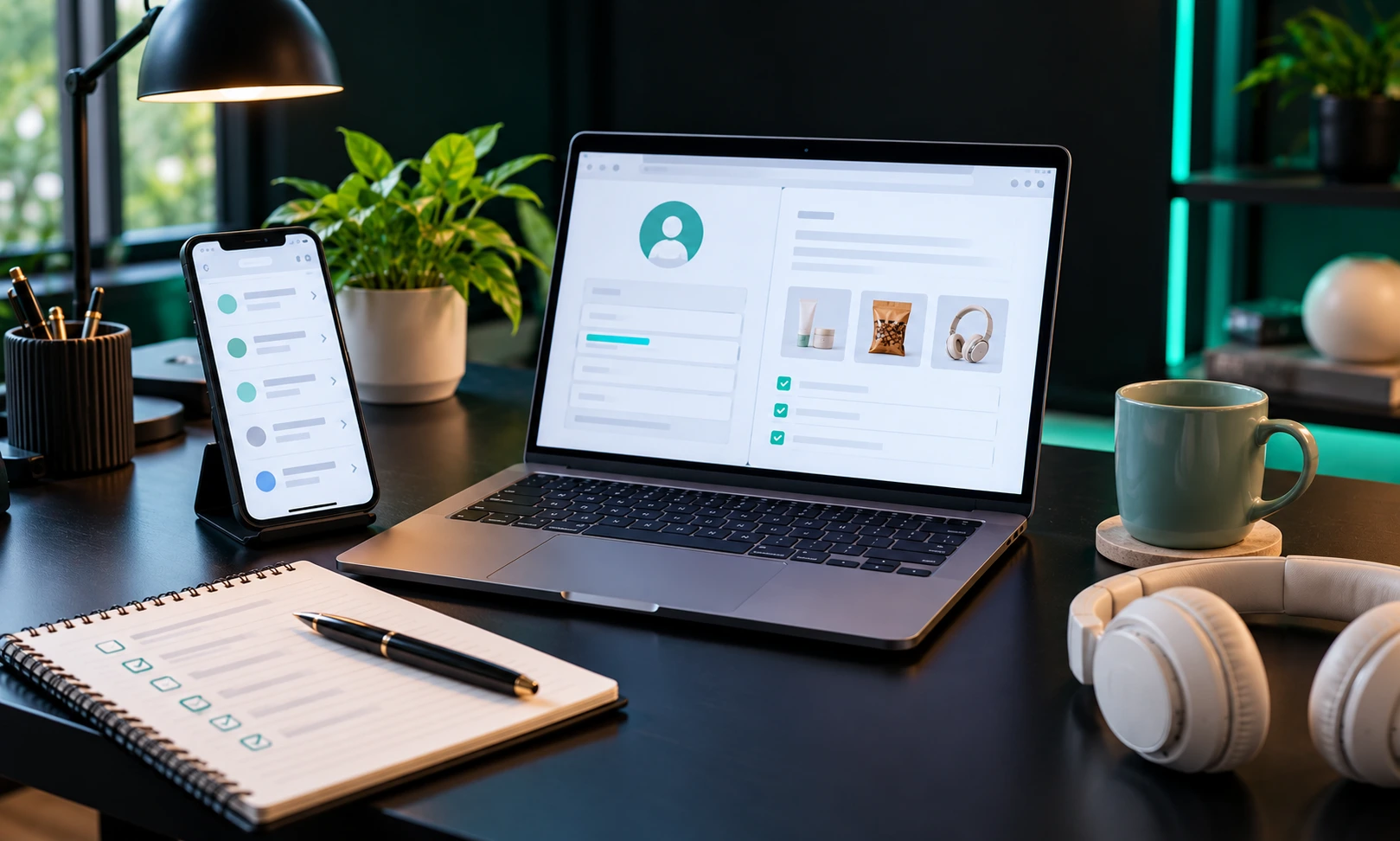
Your profile’s basically everything here, since studies target specific types of people. Fill it out honestly, keep it updated, and don’t fudge your answers just to sneak into a study it messes with the research and can get your account flagged- not worth the risk.
Jump on opportunities quick when they show up, but don’t rush through the instructions while you’re at it. A solid, honest profile gets you better matches overall, and giving thoughtful feedback is what actually makes you someone worth inviting back. UserTesting, for example, requires the right device plus an active PayPal account just to apply in the first place.
What’s the downside of all this?
Honestly, the biggest headache is just how unpredictable this whole thing is. You can’t control how many studies pop up, or whether you’ll even match what they need. Some opportunities disappear fast, and yeah, you’ll fail a screener here and there happens to everyone, no big deal.
Privacy’s another thing worth actually thinking about. Studies might be collecting your demographics, recordings, opinions, all kinds of stuff. So just skim what they’re actually collecting before you agree to anything.
And don’t forget time’s a real cost too. Sure, “free” sounds nice, but that doesn’t automatically mean it’s worth your time. If some survey’s gonna eat up a whole hour for a $2 payout, honestly? Just skip it.
| Opportunity | What you’re doing | What you get |
|---|---|---|
| Physical product trial | Try it, report back | Product, cash, or both |
| Website/app test | Do tasks, give feedback | Usually cash |
| Research study | Answer questions, join a study | Cash or other reward |
| Interview | Talk through your opinions | Better pay, but fewer invites |
What should beginners actually do first?
Keep it simple pick one or two solid platforms, build out your profile properly, and get a feel for how their screening and payment systems actually work before spreading yourself thin across ten different sites.
Don’t buy stuff just because someone says you’ll get reimbursed unless it’s crystal clear who’s running it and you’ve actually verified them.
And seriously, give real feedback. They’re paying for useful info, not compliments. If something confused you, say exactly where. If it worked well, explain why. “It was good” tells them nothing specifics are what make you valuable as a tester.
Bottom line
This is real, but treat it as side income not something that’s gonna replace your actual paycheck. There’s plenty of variety though: physical trials, app and website testing, surveys, interviews, research studies, you name it.
What you actually end up earning depends on your profile, where you’re located, whether you qualify, and how much demand’s out there at the time. Good platforms make things easier, sure, but nobody can promise you a steady flow of work — that’s just not how it works.
Safest bet? Look into things properly, know exactly how you’re getting paid, keep your personal info protected, and if anything’s asking for money upfront or promising crazy guaranteed earnings — just walk away.
FAQs
Is this actually legit?
Yeah companies and researchers do pay real people for trials, usability tests, and studies. Just verify the specific platform before handing over your info.
How much can I actually make?
No fixed number, honestly. Depends how many tests you qualify for and what type they are. Treat it as extra cash, not a paycheck replacement.
Do testers get free stuff?
Sometimes, yeah. Just check if you keep it or if there’s separate cash on top.
Do I have to pay anything to start?
Be careful with anything demanding an upfront fee. Real opportunities explain requirements and pay clearly before you commit to anything.
Can I test websites and apps specifically?
Yep, that’s a whole category — usability platforms pay you to run through tasks and explain what you notice as you go.
What’s the safest way to get started?
Stick to established platforms, actually read their rules, be honest on your profile, and understand how/when you get paid. Don’t just trust some random social media post.
Disclaimer
Quick disclaimer: this is just meant to be general info, not gospel. Testing opportunities, pay rates, eligibility, platform rules — all that stuff can and does change. So always double-check the official terms and participant info before you actually join anything or hand over your personal details.