
A remote work job can be more than a laptop version of a cubicle. Used strategically, it can pay the bills while giving you geographic freedom, marketable digital skills, and enough breathing room to build something that is actually yours. That might be a freelance offer, a hyperlocal newsletter, a faceless content brand, or simply a bigger emergency fund that keeps bad jobs from trapping you.
The catch: remote does not automatically mean freedom. Some remote roles are packed with surveillance software, back-to-back meetings, and productivity theater. Others offer real autonomy but unstable income. The goal is not to romanticize working from a coffee shop. It is to find a setup that funds your life and expands your options.
Remote work is a leverage tool, not a finish line
A traditional job often pays you for showing up in one place at one time. A good remote role can still be a job, but it also teaches the operating system behind online business: written communication, project management, customer research, sales, content production, analytics, and using digital tools without someone looking over your shoulder.
Those skills travel. A customer support worker can move into customer success consulting. A virtual assistant can specialize in launch support for creators. A remote operations coordinator can build systems for small online businesses. Even a straightforward remote admin role can create a path toward higher-value work if you pay attention to the problems people repeatedly need solved.
That is the weirdly profitable part. You are not just collecting a paycheck. You are getting paid to learn which online problems are expensive enough for businesses to fix.
Still, not every person needs to turn their job into a startup origin story. Maybe your best move is a stable remote position with health insurance, predictable hours, and enough energy left for your actual life. That counts. Financial self-direction starts with having choices, not performing hustle 24/7.
Pick your remote work lane before you apply everywhere

The internet loves telling beginners to apply to hundreds of jobs. Volume matters, but random volume burns people out fast. Start by choosing a lane based on what you can do now, what you are willing to learn, and how soon you need income.
Fast-entry roles: useful when cash flow is the mission
Customer support, scheduling, data cleanup, appointment setting, community moderation, transcription, basic research, and virtual assistance can be realistic starting points. These jobs rarely require elite credentials, but they do require reliability. Showing up on time, following instructions, writing clearly, and not disappearing when a task gets boring will put you ahead of a surprising number of applicants.
The trade-off is that entry-level roles can be competitive and closely managed. They are best treated as a base camp. Learn the tools, collect proof that you can work remotely, and watch for a specialty to develop.
Skill-based roles: better pay, longer runway
If you can write, edit video, design social graphics, manage paid ads, build simple websites, analyze spreadsheets, organize CRM systems, or handle bookkeeping, you can target more specialized work. You do not need to be the best person online. You need to be useful to a specific kind of client or team.
A generalist pitch like “I do marketing” gets ignored. A specific offer like “I turn long podcasts into short video clips for real estate teams” gives people something concrete to buy. Specificity makes beginner skills feel more credible because it connects the work to an outcome.
Commission and contract work: higher upside, more volatility
Remote sales, recruiting, affiliate partnerships, consulting, and freelance project work can out-earn salaried roles. They can also produce uneven months, vague expectations, and plenty of scams dressed up as opportunity.
If you need predictable rent money, do not build your entire plan around commission-only work on day one. Use it as a second income stream, or choose it only after you have savings and a clear understanding of the sales cycle. Big upside is not the same as guaranteed income.
Build proof before you feel ready
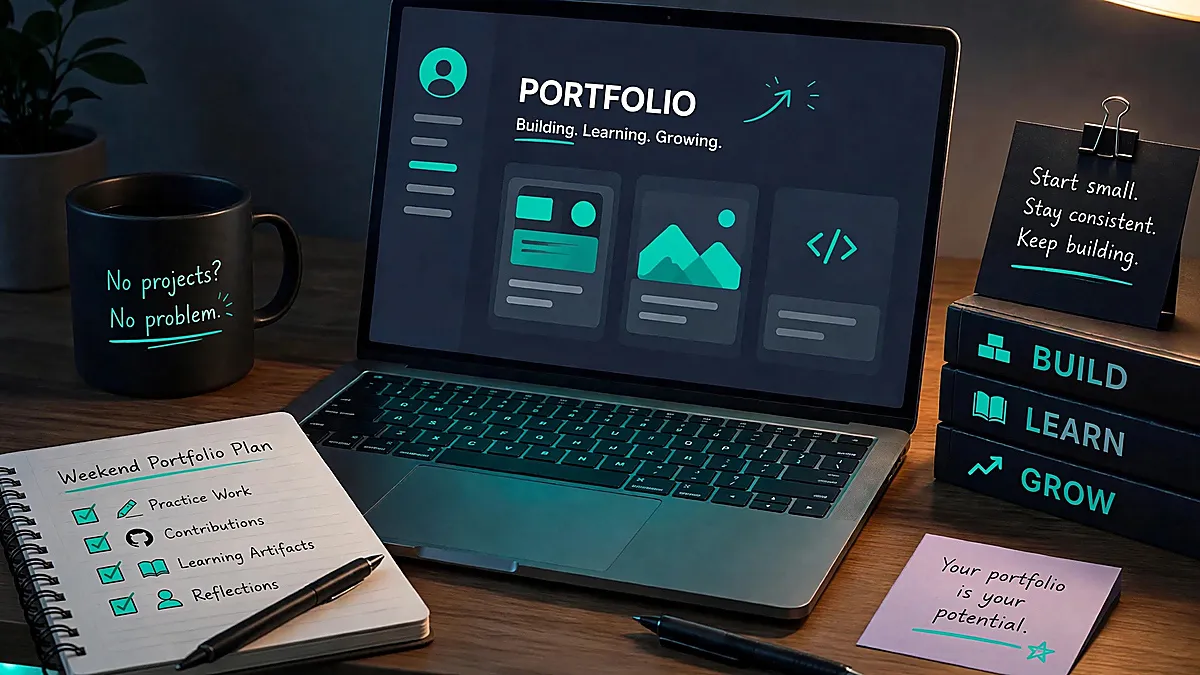
Most remote hiring is a trust problem. An employer or client wants evidence that you can communicate, finish work, and avoid creating more headaches than you solve. A degree can help, but proof is often more useful.
For many roles, you can create that proof without waiting for permission. Make a small portfolio with two or three examples that mirror the work you want. If you want to be a social media manager, create a sample content calendar for a local business category. If you want to do operations support, build a mock project tracker and explain how it prevents missed deadlines. If you want to write email campaigns, draft a welcome sequence for a fictional online store.
Do not fake clients or invent results. Say clearly that it is a sample project. Honest practice work still shows judgment, taste, and initiative.
Your application should also look like it was written by a human who read the listing. Mention one relevant requirement, describe a comparable task you have completed, and make it easy to see how you will help. Three thoughtful applications can outperform 30 copy-paste submissions.
Protect yourself from remote work nonsense
Remote job scams are not always obvious. Some use polished websites, real company logos, and recruiters who seem unusually eager to hire you. The common thread is pressure: pressure to act now, share sensitive information, buy equipment through their supplier, or deposit a check before you have done any work.
A legitimate employer may ask for personal information after a real offer and normal onboarding steps. They should not ask you to pay for training, purchase gift cards, move money through your account, or communicate only through encrypted messaging apps with no interview process.
Watch for roles with huge pay promises attached to vague duties. “Data entry, $70 an hour, no experience” is usually not a hidden treasure chest. It is usually bait. Real entry-level remote work can be worth pursuing, but it tends to pay like entry-level work until you develop a specialty.
Also read the fine print on contractor roles. Know whether you are responsible for your own taxes, whether hours are guaranteed, how payment disputes are handled, and whether a noncompete or exclusivity clause limits your other income. Freedom with a surprise tax bill is not freedom.
Turn the job into your next asset

The smartest remote workers use their job to create a runway. Start with the boring wins: set aside taxes if you are a contractor, build an emergency fund, and avoid inflating your lifestyle every time your income rises. A flexible job becomes much more valuable when it gives you the ability to say no.
Then notice what you are learning. Maybe your company needs better onboarding emails. Maybe clients repeatedly ask the same question. Maybe a niche industry has terrible content, messy systems, or no one making useful templates. Those gaps can become freelance services, digital products, or content ideas later.
Keep this ethical. Do not steal client lists, copy internal documents, or compete against an employer in violation of an agreement. The point is to learn patterns, not raid the supply closet. You can build your own offer from public knowledge, original work, and the skills you develop along the way.
A simple weekly habit helps: write down one task you completed, one tool you used, one problem you noticed, and one result you contributed to. After a few months, you will have raw material for a stronger resume, a portfolio, and a more focused side-hustle idea.
Make your setup sustainable
Remote work can blur every boundary if you let it. Your bed becomes an office, your phone becomes a manager, and every quiet moment starts feeling like a chance to answer one more message. That is not flexibility. That is work leaking into your whole life.
Set a start ritual and an end ritual, even if they are tiny. Open the work apps at a planned time. Close them when you are done. Keep a written task list so your brain does not keep replaying unfinished work at midnight. If you live with other people, tell them when you are available and when you are not.
You do not need a perfect minimalist desk setup to work well. You need enough structure to protect your focus and enough recovery time to keep showing up. Consistency beats the occasional 14-hour productivity binge.
Remote work will not fix every money problem, and it will not suit every personality or season of life. But for people willing to learn in public, communicate clearly, and stack small proofs of competence, it can be a powerful escape hatch from career gatekeeping. Start with the role that gets cash moving. Then use every skill, contact, and lesson to make your next move a little more yours.
Expert Insights: What to Consider Before Choosing Remote Work
Remote work can provide access to wider job markets and opportunities to develop valuable digital skills. However, flexibility and income potential vary by employer, role, experience, and contract type. Before accepting a position, evaluate the pay structure, working hours, employee benefits, job security, and opportunities for professional growth.
Build a portfolio of genuine work samples, keep learning relevant skills, and maintain an emergency fund where possible. A sustainable remote career should support your financial goals without sacrificing your health, personal time, or long-term career development.
Frequently Asked Questions
1. What is the best remote work job for beginners?
Customer support, virtual assistance, data entry, scheduling, and basic research can be good starting points. The best option depends on your existing skills, income needs, and the requirements of available jobs.
2. Can you earn money from remote work without experience?
Yes. Some entry-level remote jobs accept applicants without previous remote work experience. You can improve your chances by creating sample projects, learning relevant tools, and showing employers that you can communicate clearly and complete tasks reliably.
3. How can I find legitimate remote work opportunities?
Search established job boards and official company career pages. Research the employer, verify the recruiter’s identity, and read the job description carefully. Avoid opportunities that require upfront payments, gift cards, or transferring money through your personal account.
4. Is remote work better than freelancing?
Remote employment may offer a regular salary, structured responsibilities, and employee benefits. Freelancing usually provides more control over clients and projects but can involve irregular income. The better choice depends on your financial needs and preferred working style.
5. Can remote work help you start an online business?
Yes. Remote work can help you develop digital skills, understand business problems, and save money for future projects. You can use that experience to explore freelance services, digital products, or content businesses while respecting your employment agreement.
Disclaimer
This article is for informational and educational purposes only. It does not guarantee employment, earnings, or business success. Remote job availability, salaries, contract terms, and employment requirements vary by company and location. Always research employers independently, verify job offers, and review relevant agreements before sharing personal information or accepting a position.