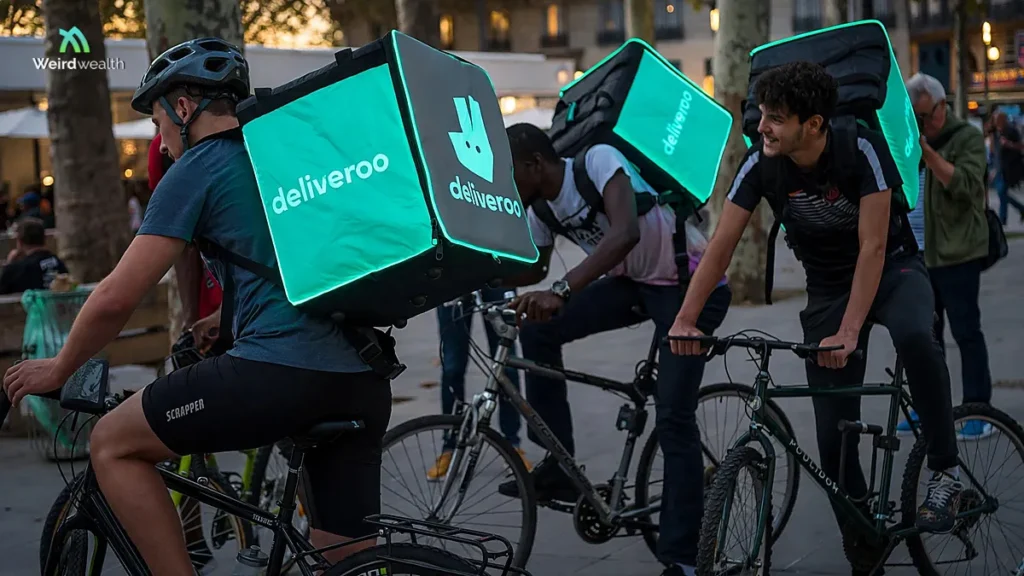
A clever sidewalk message can outperform a polished ad campaign if it makes the right people stop, laugh, film it, and tell someone else. That is the appeal of guerrilla marketing: using surprise, creativity, timing, and local relevance to earn attention when you do not have a corporate-sized media budget.
For a freelancer, creator, local service business, or tiny online brand, that sounds like a cheat code. It is not. Great guerrilla campaigns take planning, restraint, and a clear reason for people to care. The goal is not to be weird for the algorithm. The goal is to turn a weirdly memorable moment into real traffic, leads, sales, or community.
What guerrilla marketing actually means
Guerrilla marketing is a low-cost, unconventional promotion strategy built to create disproportionate attention. Instead of buying a giant billboard or running generic ads, a business uses an unexpected format, a specific location, a participatory experience, or a highly shareable idea.
The classic examples are physical: temporary street art, pop-up installations, unusual flyers, branded public interactions, or playful product demonstrations. But the internet expanded the category. A niche creator leaving funny, useful replies in relevant online communities, a local bakery staging a one-day “mystery flavor” hunt, or a solo consultant sending personalized mini-audits to prospects can all use guerrilla principles.
The common thread is leverage. You put more thought into an idea so you can spend less cash buying reach.
That does not mean free. You may still pay for materials, permits, labor, insurance, video editing, a landing page, or your own time. The better question is: can this create a reaction big enough to justify its true cost?
Why scrappy businesses use guerrilla marketing
Traditional advertising often rewards the businesses with the biggest budget, largest audience, and longest track record. Guerrilla marketing can tilt the field toward people with sharp observation skills and enough nerve to try something less predictable.
It works especially well when your offer has a visible result, a strong point of view, or a natural connection to a place or community. Think of a dog walker creating a “pup paparazzi” photo booth at a neighborhood event, or a resume writer placing free, useful interview tip cards near a college career fair. The tactic gets attention, but the offer makes the attention useful.
For Weird Wealth readers, this matters because many side hustles start before you have money for ads. You may have a phone, a laptop, a service people need, and a willingness to test. No agency. No gatekeeping. But you do need an offer that survives contact with real people.
Guerrilla marketing is less effective for vague businesses. If someone sees your stunt and cannot understand what you sell in five seconds, the campaign may generate likes without income. Attention is not the finish line.
Start with a tiny, specific outcome
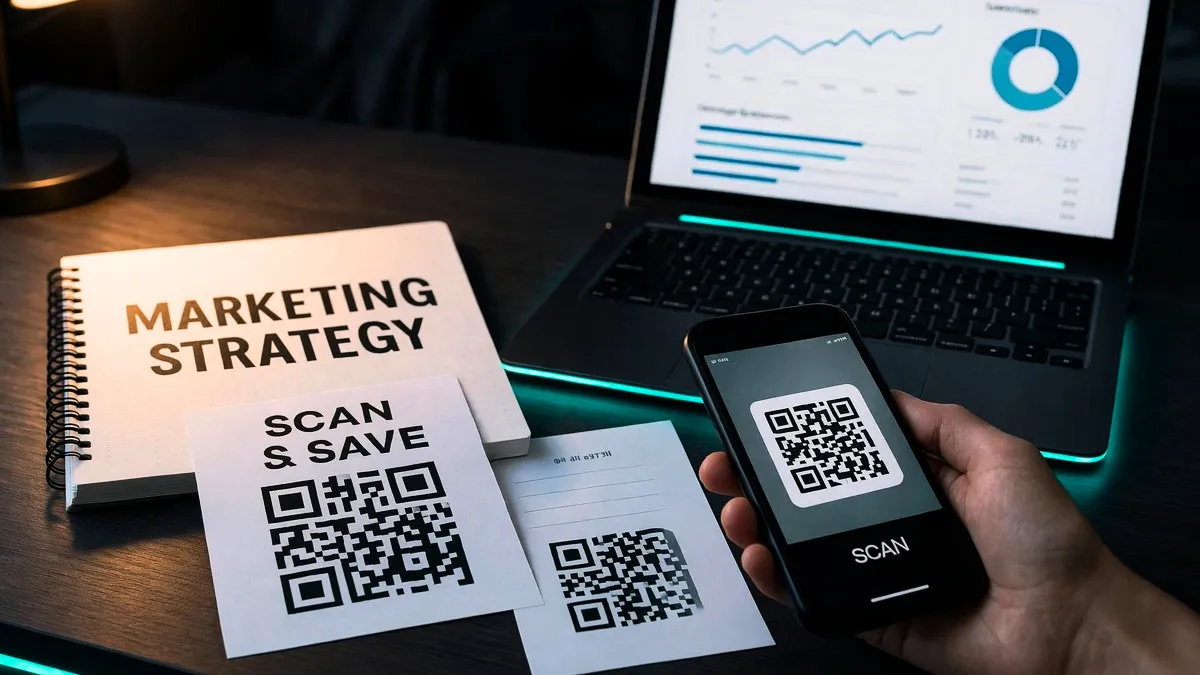
Before printing anything, choose one outcome. Not “build awareness.” That phrase can hide a lot of wasted effort. Pick an action you can observe: email sign-ups, consultation requests, QR-code scans, preorder deposits, event RSVPs, or direct messages containing a keyword.
A campaign for a mobile car-detailing side hustle might aim for 20 local quote requests. A digital template seller might aim for 100 email subscribers from a short video series. A freelance video editor may want five qualified calls from a playful “I fixed this ad in 30 seconds” outreach campaign.
Then make the message painfully clear. People should be able to answer three questions fast: what is this, who is it for, and what should I do next?
A QR code can help, but it should lead to a page built for that campaign, not a cluttered homepage. Give the page one job. If your concept is funny but your call to action is fuzzy, you are funding entertainment for strangers.
Use the relevance-surprise-usefulness formula
The strongest ideas usually combine three ingredients. First, relevance: the campaign appears where your likely customer already is. Second, surprise: it breaks the pattern enough to earn a second look. Third, usefulness: it gives people a reason to act beyond “that was clever.”
Say you run a remote-work newsletter. Handing out generic postcards outside a coffee shop is forgettable. Setting up a tiny “Emergency Meeting Excuse Generator” booth near a coworking space is more surprising. Add a QR code that delivers a free list of remote job boards or a short salary-negotiation script, and you have usefulness.
Do not force all three ingredients into a complicated production. Simple often wins. A local language tutor could post removable, permission-based signs with common mistranslated phrases near an international grocery store, followed by a clear offer for beginner conversation sessions. Specific beats are flashy.
Build a campaign people can share without begging them to
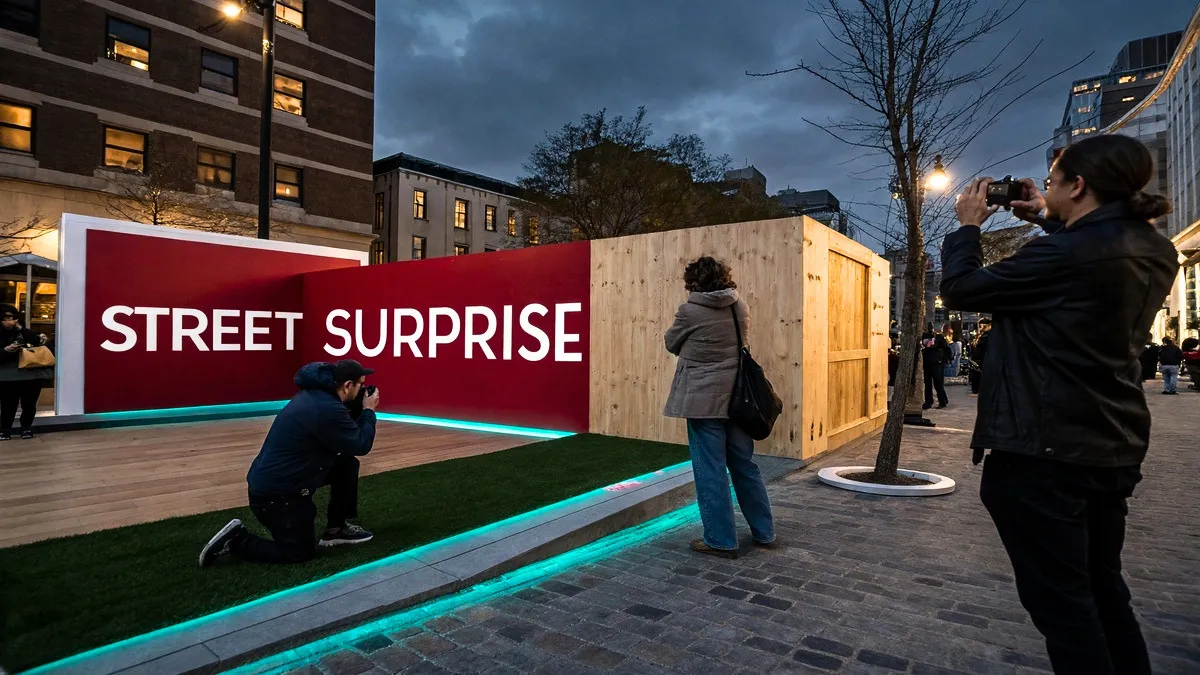
A campaign does not need to go viral to pay off. In fact, chasing virality can make beginners overspend on spectacle. A small neighborhood response can be excellent if you serve a local business. A focused response from 30 potential clients can beat 30,000 views from people who will never buy.
Still, shareability matters because it extends the life of the effort. Design a visual hook that makes sense in one photo or short clip. Include your brand name without turning the entire thing into an ad. If every surface screams “BUY NOW,” people may avoid sharing it because it feels like unpaid labor for a company.
Make participation easy. A challenge, before-and-after reveal, scavenger clue, public vote, or personalized result can work because it gives people something to do. Keep the ask low-friction. Nobody wants to download an app, create an account, and surrender their phone number to appreciate a sidewalk joke.
If you are working online, the same rule applies. Instead of posting “hire me” in every group, create a useful public artifact tailored to that community: a teardown, calculator, checklist, visual template, or clever response to a common pain point. Show your skill before asking for the sale.
The legal and ethical part is not optional
The fastest way to turn a smart stunt into an expensive mistake is to treat public space, private property, or people’s attention as yours to use. Guerrilla marketing is not permission to trespass, create hazards, block sidewalks, mislead people, or leave behind trash.
Rules vary by city, venue, landlord, and event organizer. Some places regulate flyers, chalk, posters, temporary installations, commercial filming, sampling, and public gatherings. Private businesses can remove you from their property. Event organizers can shut down an activation that was not approved.
Get permission when you need it. Read local rules. Do not use fake emergencies, realistic threats, or anything that could alarm people. Avoid targeting children, collecting personal data without clarity, or turning bystanders into content without considering consent and privacy.
Accessibility matters too. A campaign should not obstruct entrances, ramps, transit access, or pedestrian flow. If your idea only works by making someone else’s day harder, it is not clever. It is just externalizing your marketing costs.
The anti-corporate move is not ignoring rules. It is building attention with enough care that people remember your brand for the right reason.
Measure the campaign like a side hustle, not a school project

Every guerrilla campaign needs a cheap tracking system. Use a unique QR code, a campaign-specific promo code, a dedicated sign-up page, a distinct email alias, or a simple direct-message keyword. Ask customers how they found you, even if the answer feels obvious.
Track more than views. A campaign can have impressive reach and weak business results. Look at scans, landing-page conversion rate, email sign-ups, qualified inquiries, booked calls, purchases, and cost per meaningful action. If you invested $150 and six hours to earn three recurring clients, that may be a huge win. If you received 80,000 views and zero customer intent, you learned something too.
Run a small test first. One location, one afternoon, one batch of materials, one short-form video. Watch how people respond. Are they confused? Are they taking photos? Do they ask the question you wanted them to ask? Adjust before scaling.
Keep a campaign log with the idea, cost, time spent, location or audience, results, and lessons. Over time, you will spot what your market responds to. Maybe your audience loves useful humor but ignores contests. Maybe local partnerships outperform public stunts. That is not failure. That is market research with personality.
When guerrilla marketing is the wrong move
Some offers need trust more than surprise. If you sell tax preparation, financial coaching, legal services, healthcare-related services, or high-ticket consulting, a flashy stunt can make you seem less credible if it clashes with the seriousness of the decision. You can still be creative, but lead with usefulness, expertise, and transparency.
It is also the wrong move when you cannot handle demand. A viral post that brings 500 inquiries to a one-person service business can create slow replies, bad first impressions, and stress. Set boundaries before launching: a booking cap, waitlist, automated response, or clear delivery timeline.
The best guerrilla marketing feels less like a random stunt and more like proof that you understand a specific group of people. Start small enough to learn, bold enough to be noticed, and clear enough to turn curiosity into a next step. Your budget may be tiny. Your idea does not have to be.
Source Statement
This article provides practical guidance on guerrilla marketing for small businesses, freelancers, and entrepreneurs. It focuses on budget-conscious campaign planning, audience relevance, ethical promotion, and measurable results. Recommendations are intended to help readers evaluate marketing ideas and make informed decisions based on their goals and resources.
FAQs:
1. What is guerrilla marketing?
Guerrilla marketing is a creative, unconventional marketing strategy that uses surprise and originality to attract attention without a large advertising budget.
2. How can small businesses use guerrilla marketing?
Small businesses can use creative flyers, local events, pop-up experiences, social media challenges, QR codes, and useful community content to reach potential customers at a lower cost.
3. Is guerrilla marketing expensive?
Guerrilla marketing can be affordable, but it is not always free. Materials, permits, labor, insurance, and content production may add costs. Planning a small test helps control spending.
4. What are some examples of guerrilla marketing?
Examples include a creative sidewalk display with permission, a local business hosting a mystery product event, a shareable social media challenge, or a freelancer offering personalized mini-audits to potential clients.
5. How do you measure guerrilla marketing success?
Track results such as QR code scans, email sign-ups, website visits, qualified leads, booked appointments, and sales. Compare these results with the campaign’s total cost and time invested.
6. Is guerrilla marketing suitable for every business?
No. Some businesses need a more professional and trust-focused approach. Guerrilla marketing works best when the creative idea fits the brand, appeals to its target audience, and supports a clear business goal.
Disclaimer
This article is for informational and educational purposes only. Guerrilla marketing results vary depending on the business, audience, location, execution, and available resources. Campaign costs and outcomes are not guaranteed. Always check applicable local laws, obtain necessary permissions, and respect public safety, privacy, and property rights before launching a campaign.