
Have you ever found an unusual collectible, created something nobody else sells, or wondered whether someone would pay for a strange item sitting in your home? The internet makes it possible to find buyers for products that might never attract much attention in a traditional shop.
The best places to sell weird things online include eBay for unusual collectibles, Etsy for handmade and vintage items, Facebook Marketplace for local sales, and specialized marketplaces for niche products. The right platform depends on what you want to sell, where your buyers live, and whether your item is handmade, collectible, vintage, humorous, or simply unusual.
From quirky home decorations to bizarre collectibles and personalized gifts, here are platforms worth exploring when you want to sell something different.
Key Takeaways
- eBay is a useful starting point for unusual collectibles, discontinued products, and niche items.
- Etsy is suited to eligible handmade products, creative designs, and vintage goods.
- Facebook Marketplace can help you find local buyers for unusual household items.
- Specialized platforms may work better for particular categories, such as collectibles or art.
- Check seller eligibility, fees, shipping costs, and prohibited-item rules before listing anything.
1. eBay: Sell Strange Collectibles and Hard-to-Find Items
eBay is a well-known marketplace for products that appeal to specific interests. Its broad audience makes it worth considering for unusual collectibles, vintage objects, discontinued merchandise, quirky memorabilia, and rare household finds.
Items that seem ordinary to one person may be interesting to a collector who has been searching for them.
Before listing an item, search for similar products and, where available, review completed or sold listings to understand what buyers have actually paid. Describe unusual features accurately and include clear photographs from multiple angles.
2. Etsy: Sell Handmade and Creative Weird Things
Etsy is a marketplace for creative products, including eligible handmade items, original designs, craft supplies, and vintage goods that meet its rules.
It can suit sellers making unusual jewelry, surreal artwork, quirky decorations, imaginative gifts, or personalized accessories.
The strongest listings explain what makes the product different without relying on strange wording alone. Show the item’s size, materials, colors, and intended use so shoppers can understand exactly what they are buying.
Check Etsy’s current eligibility rules before listing mass-produced or resold products.
3. Facebook Marketplace: Find Local Buyers
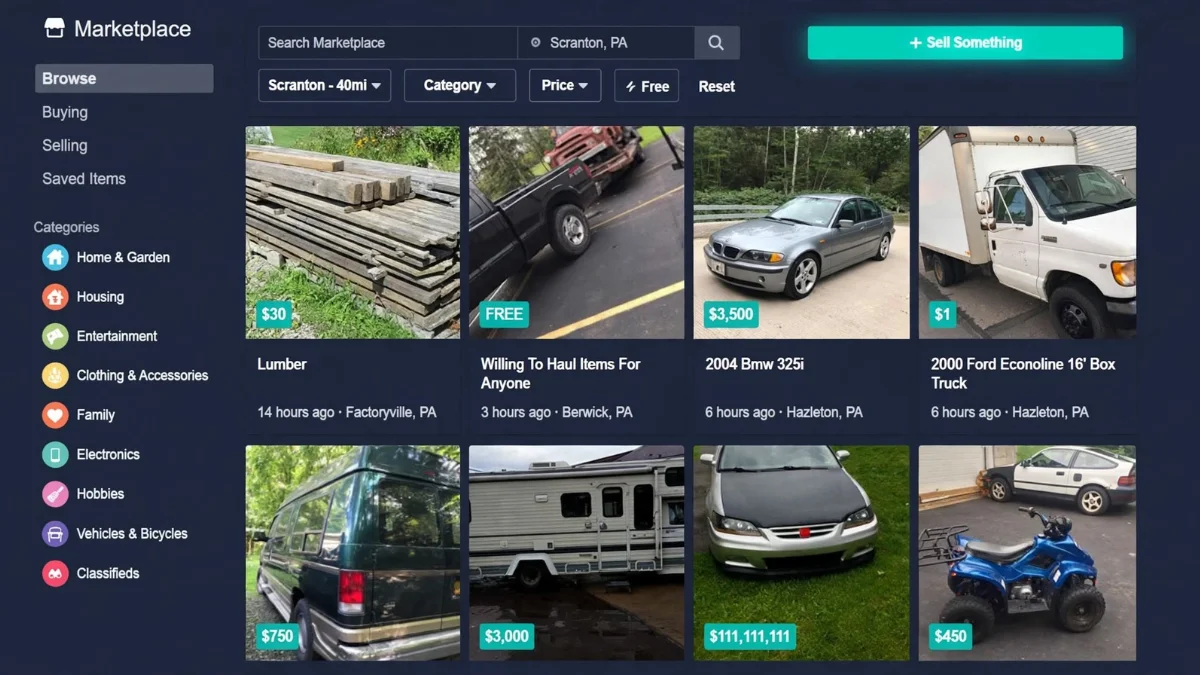
Facebook Marketplace can be useful for unusual furniture, oversized decorations, quirky household objects, novelty items, and other products that are easier to sell locally than ship.
Local sales can reduce packaging and shipping expenses, particularly for bulky items.
Photograph the product clearly, state its condition, provide a realistic price, and agree on a safe collection or delivery arrangement. Availability and selling features may differ by country and account.
4. Amazon: Reach Shoppers Looking for Novelty Products
Amazon may be appropriate for certain unusual products that have a clear customer use, such as quirky kitchen accessories, novelty gifts, distinctive organizers, or original product designs.
However, Amazon is not equally suitable for every strange or one-of-a-kind object. Seller registration, category restrictions, product requirements, and fees can make it less practical for occasional sales.
Research the relevant category and seller requirements before investing in inventory.
5. Depop: Sell Unusual Fashion and Accessories
Depop can be worth exploring for distinctive fashion, vintage clothing, statement accessories, and unconventional personal style.
Items with unusual prints, bold designs, retro details, or a recognizable aesthetic may appeal to shoppers searching for something different from mainstream retail.
Use natural lighting, show how the item looks when worn where appropriate, and disclose flaws, sizing, and condition honestly.
6. Mercari: List Everyday Oddities and Collectibles
Mercari operates as a marketplace for a range of second-hand and new goods, depending on the market in which it operates.
It may suit sellers with quirky household products, collectibles, toys, accessories, and other items that are difficult to categorize in a conventional store.
Check whether Mercari supports sellers in your country, what categories are permitted, and how its current payment and shipping systems work before creating a listing.
7. Whatnot: Sell Collectibles to Interested Communities
Whatnot focuses on live shopping and collecting communities. Depending on its supported categories and your eligibility, it may be useful for unusual collectibles, toys, trading cards, memorabilia, and other items that benefit from live demonstrations.
Live selling works best when the seller can explain an item’s features, answer questions, and show its condition in real time.
It is less suitable for sellers who simply want to list one ordinary object and wait for a buyer.
8. Ruby Lane: Sell Vintage and Antique Finds
Ruby Lane focuses on antiques, vintage items, collectibles, and related specialist categories.
If your unusual item is an antique ornament, vintage accessory, collectible object, or distinctive decorative piece, a specialist audience may be more valuable than a general audience.
Research comparable items and provide detailed descriptions of age, materials, condition, provenance, and any restoration. Avoid claiming that an item is authentic or antique unless you have reasonable grounds to support that description.
9. Shopify: Build Your Own Store for Weird Products
Shopify allows sellers to create an independent online store instead of relying entirely on a third-party marketplace.
It may suit a business selling a consistent collection of unusual products, such as bizarre gifts, novelty accessories, original designs, quirky clothing, or products built around a distinctive brand.
You have more control over your storefront and branding, but you are also responsible for attracting visitors, managing customer service, and handling the operational side of the store. Subscription costs and payment availability should be checked before launching.
10. Reddit and Online Niche Communities: Find Your Audience
Some unusual products appeal to a very specific group of enthusiasts. Relevant collector communities, hobby forums, and online groups can help you understand what buyers value and where demand exists.
However, a community is not automatically a marketplace. Many groups prohibit sales or self-promotion, so read their rules and use designated trading spaces when available.
Never spam communities with listings. Contribute genuinely, disclose relevant interests, and complete transactions through appropriate channels with clear payment and delivery terms.
Which Platform Should You Choose?
The best marketplace depends on the kind of unusual item you have and where you can sell it.
itechguides.com+2
| What you want to sell | Platform to consider |
| Strange collectibles and discontinued items | eBay |
| Handmade, creative, or eligible vintage products | Etsy |
| Odd household objects sold locally | Facebook Marketplace |
| Unusual clothing and accessories | Depop |
| Antiques and vintage collectibles | Ruby Lane |
| A branded collection of quirky products | Shopify |
| Collectibles suited to live selling | Whatnot |
Important: Platform availability, seller eligibility, fees, and product restrictions vary by country. Check the current rules before choosing a marketplace.
What Weird Things Can You Sell Online?
Unusual products do not necessarily need to be expensive or valuable to attract buyers. Their appeal may come from their rarity, design, history, humor, or usefulness.
Here are some examples:
- Quirky home decor: Unusual lamps, surreal ornaments, strange wall art, and eccentric furniture.
- Vintage oddities: Retro packaging, discontinued household products, unusual collectibles, and old advertising pieces.
- Funny gifts: Personalized joke gifts, bizarre mugs, novelty accessories, and unusual greeting cards.
- Creative handmade products: Strange-shaped jewelry, miniature sculptures, experimental artwork, and unusual crafts.
- Niche collectibles: Rare toys, unusual memorabilia, vintage figurines, and obscure merchandise.
- Unusual fashion: Statement accessories, distinctive vintage clothing, and unconventional designs.
Make sure every item is legal to sell and permitted by the marketplace. Avoid counterfeit goods, stolen property, protected wildlife products, and hazardous or restricted items.
How to Make Your Weird Items More Attractive to Buyers
Even an unusual product needs a clear listing. A few practical steps can make it easier for interested shoppers to understand its appeal.
Take clear photographs
Photograph the item from several angles using good lighting. Include close-ups of unusual features, labels, markings, and any damage.
Write a descriptive title
Instead of using a vague title such as “Weird Thing for Sale,” describe what the object actually is.
For example, “Vintage Ceramic Cat-Shaped Teapot” tells shoppers much more about the product and helps interested buyers find it.
Explain what makes it unusual
Describe the item’s origin, materials, dimensions, condition, and distinctive features. If you do not know its history, do not invent one.
Research the price
Compare similar items and check sold listings when available. Remember that an unusual product is not automatically rare or valuable just because it looks strange.
Calculate your costs
Consider marketplace fees, packaging, shipping, payment processing, and the cost of acquiring or making the item. A sale is only worthwhile if the amount you keep makes sense.
Can You Sell Weird Things Online From Pakistan?
If you are based in Pakistan, check seller registration and payout eligibility before building your business around an international marketplace. Some platforms restrict seller access or do not offer the same payment and shipping features in every country.
You can also explore local online marketplaces and relevant social media communities, provided their selling rules permit your product. For international sales, confirm that your payment method, courier, customs requirements, and destination-country rules support the transaction. If you need extra income while getting started, consider mystery shopper jobs or ways to rent out your car. Building an emergency fund can also help you prepare for unexpected business expenses.
Start with a small number of items to test demand before spending heavily on inventory.
Frequently Asked Questions
Where is the best place to sell weird things online?
eBay is a useful starting point for unusual collectibles and hard-to-find products. Etsy may suit eligible handmade and vintage items, while Facebook Marketplace can work well for local sales. The best choice depends on the item and your country.
Can I sell strange objects I find at home?
You can often sell ordinary personal possessions, collectibles, and decorative objects, provided you own them and the items comply with applicable laws and marketplace policies. Verify that unusual or potentially regulated objects are permitted before listing them.
Do weird products actually sell?
Yes, unusual products can find buyers when they appeal to a particular interest or solve a specific problem. However, demand varies, and there is no guarantee that a strange item will sell or command a high price.
Do I need my own website to sell unusual products?
No. A marketplace can help you test demand without building a standalone store. Your own website may become useful if you develop a recognizable brand, a consistent product range, and a plan for attracting customers.
How should I price an unusual item?
Research comparable products, review sold listings when possible, and calculate your total costs. If there are few comparable items, test a reasonable price and adjust it based on buyer interest.
Final Thoughts
Selling weird things online can turn an overlooked object, unusual creation, or niche collectible into a potential business opportunity. The key is finding buyers who appreciate what makes the item different.
Start by choosing a suitable marketplace, researching demand, presenting the product accurately, and calculating your costs. You do not need to list everywhere at once; one well-matched platform is often a better starting point than spreading your efforts across many sites.
Disclaimer:
This content is for informational purposes only and reflects our personal opinions and experiences. We just love to write and share what we know and research.