
Let’s be honest. Nobody wakes up excited to pick a bank. But your checking account touches your money almost every day so it’s worth getting right.
Here’s the short answer. The best bank for checking account is usually one with no monthly fee and free ATM access and an app that doesn’t annoy you. For most people that points to online banks like Capital One 360 or SoFi or Chime. Your own habits can change that though.
Key Takeaways
- No single best bank for checking account exists for everyone
- A $0 monthly fee should be your starting rule
- Check ATM access before you open anything
- Online banks usually win on fees and interest
- Big banks still make sense if you need a branch
- Rates and bonuses change so always check the bank’s own site
What Is a Checking Account and Why Does It Matter?
A checking account is the one you use for daily stuff. Paychecks land there and bills leave from there and your debit card pulls from it.
Unlike savings you can move money in and out as much as you want. That’s why fees matter so much. A small charge every month adds up fast and you barely notice it happening.
So Which Bank Is Best for a Checking Account Right Now?
Different review sites pick different winners. That’s normal because they weigh fees and rewards and apps in their own way.
NerdWallet looked at over 100 institutions and its October 2026 list includes SoFi and American Express and Axos and nbkc and Chime. That gives you a rough idea of who keeps showing up near the top.
Here’s a quick look at the names people mention most.
Capital One 360 Checking
Motley Fool Money named Capital One 360 its best checking account of 2026 after reviewing dozens of banks. People like it because it keeps things simple.
It’s a solid pick if you want an easy no fee checking account without jumping through hoops. Check the current ATM and overdraft details on their site though.
SoFi Checking and Savings
SoFi pairs checking with a savings account in one place. NerdWallet’s July list showed a sign up bonus of up to $250 at that time.
Bonuses come and go. Don’t open an account just for the bonus. Make sure the account fits how you actually live.
Chime Checking
Chime won NerdWallet’s 2026 award for best overall checking account and best online banking experience. It’s built for people who do everything on their phone.
The tradeoff is simple. If you ever need to walk into a branch to sort something out you’ll be stuck with chat and phone support.
Chase for People Who Want Branches
Chase isn’t the cheapest option. One 2026 ranking noted its $12 monthly fee which you can waive with a $1500 balance or a $500 plus direct deposit.
But if you like talking to a real person at a counter that fee might feel fair. Just make sure you can actually meet the waiver rule every month.
How Do I Pick the Best Bank for Checking Account for Me?
Forget the top 10 lists for a minute. Ask yourself a few honest questions first.
- Do I need a branch or am I fine with an app?
- Do I use cash a lot and need ATMs close by?
- Will I keep a high balance or live paycheck to paycheck?
- Do I want savings in the same place?
Your answers narrow things down quickly. A student who never touches cash needs something very different from a small business owner who deposits cash weekly.
Fees That Quietly Eat Your Money
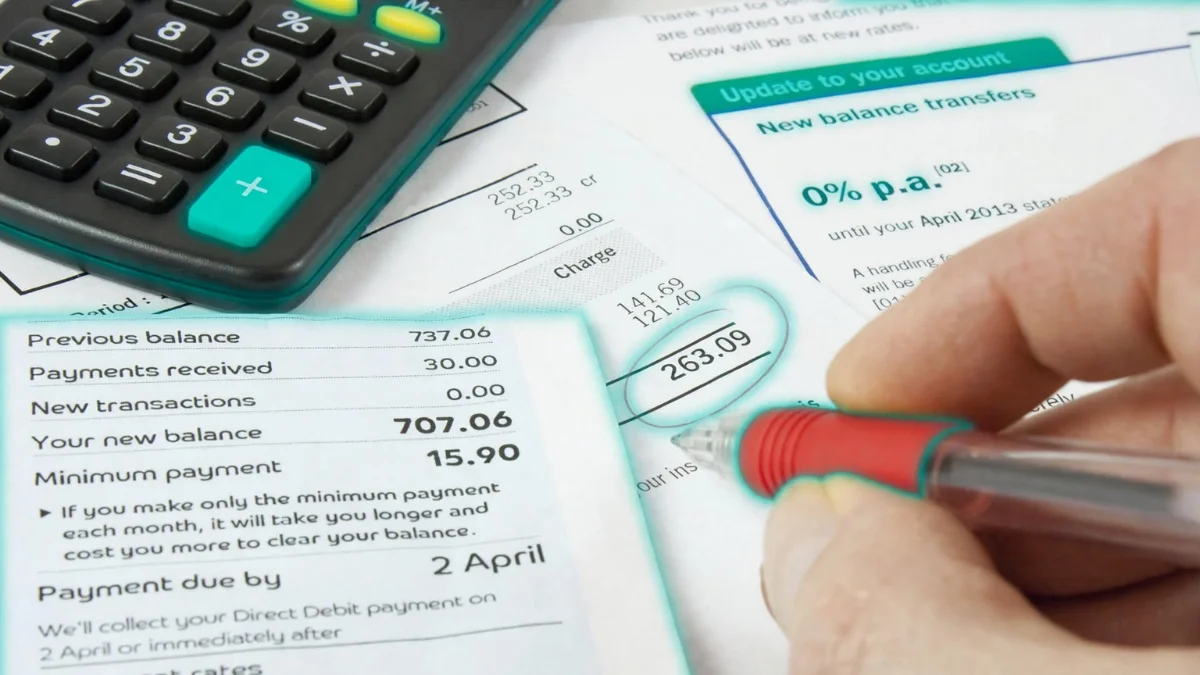
This is where banks get you. The headline looks great but the fine print has charges.
Watch out for these:
- Monthly maintenance fees
- Overdraft fees when you spend more than you have
- Out of network ATM fees
- Minimum balance penalties
- Paper statement fees
A good rule is to read the fee schedule before you open the account. It’s boring I know. But it takes five minutes and can save you real money over a year.
What About Interest on a Checking Account?
Most checking accounts pay almost nothing. One 2026 guide put the national average checking rate at just 0.07% while the best high yield accounts go up to 6.75%.
That top rate usually comes with conditions. You might need a certain number of debit purchases or a direct deposit. If you can’t meet those rules every month you won’t get the rate.
So don’t pick the best bank for checking account only because of a big number on the ad. Ask what you have to do to earn it.
Online Bank or Big Bank?
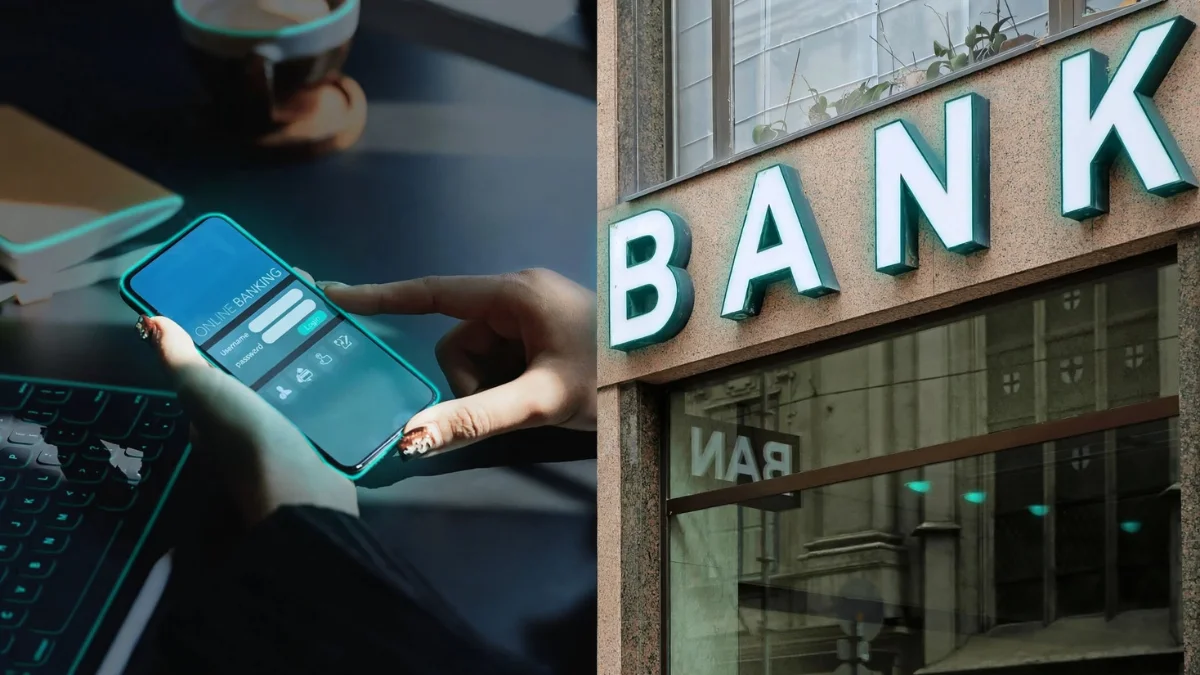
This is the question most people get stuck on. And it’s fair because both sides have real upsides.
Why Online Banks Often Cost Less
Online banks don’t pay for hundreds of buildings and tellers. That saving usually shows up as $0 monthly fees and lower overdraft costs. Some also pay a bit more interest.
Their apps are usually better too. Things like instant card lock and early direct deposit and spending alerts are pretty common now.
Where Online Banks Fall Short
Cash is the big one. Most online banks have no branches so depositing cash can be a headache. Some use partner stores or ATMs and those can come with a fee or limits.
Support is another thing. You’ll mostly deal with chat or phone. If something goes wrong like a frozen account or a fraud issue you might wait longer than you’d like.
Why Big Banks Still Have Fans
A big bank gives you a real place to walk into. You can deposit cash and ask questions and get a cashier’s check the same day. Some people just feel safer seeing a human face.
Big banks also tend to have large ATM networks. That helps if you travel a lot or live in a spot where online bank partner ATMs are rare.
But you often pay for it. Monthly fees are common and you may have to hit a balance or direct deposit rule to avoid them. Interest on checking is usually tiny too.
Don’t Forget Credit Unions
Credit unions sit somewhere in the middle. Many have low fees and friendly service and a few local branches. They also join shared ATM and branch networks so you’re not stuck with one location.
The catch is you may need to meet a membership rule like living in a certain area or working for a certain employer.
Quick Way to Decide
Go with an online bank if:
- You do most things on your phone
- You rarely handle cash
- You want to avoid monthly fees
- You’re okay with chat support
Go with a big bank if:
- You deposit cash often
- You want a branch close by
- You like solving problems face to face
- You can easily meet the fee waiver rules
You Can Use Both
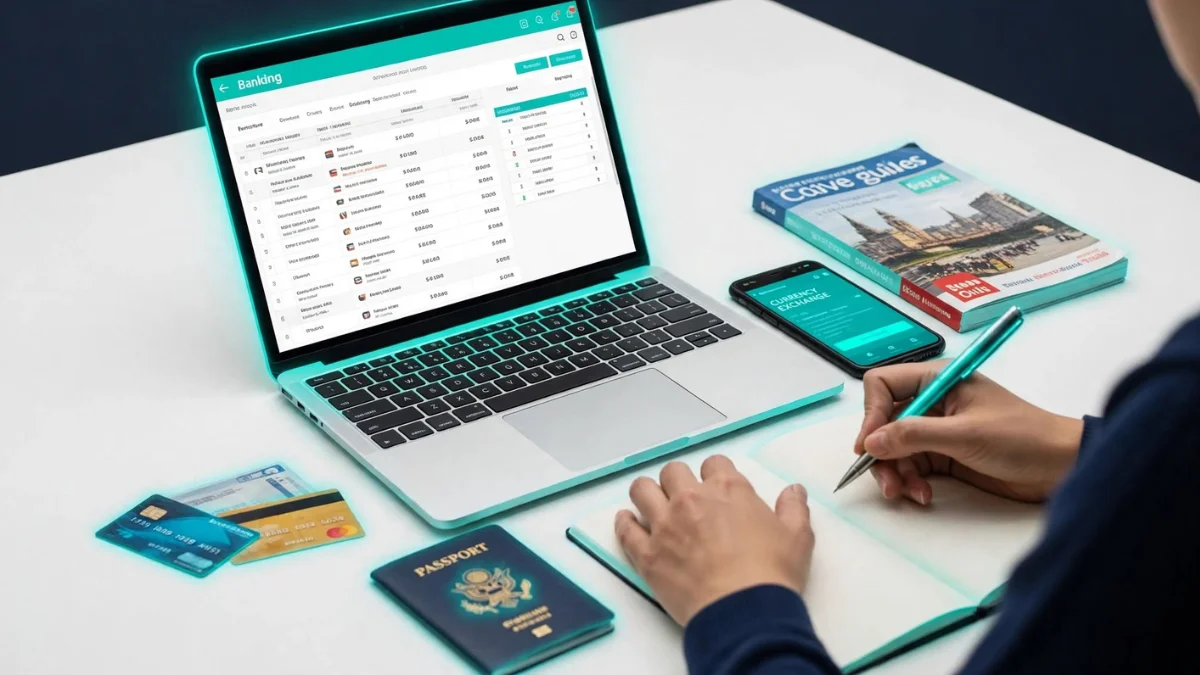
Honestly, this is what a lot of people do. They keep a main online account for daily spending and bills, then maintain a small account at a local bank or credit union for cash and in-person help. It takes a bit more work to manage, but it can offer low fees and a useful backup. You can also explore free budget templates to organise your spending, compare the best CD rates for savings, and review high-yield savings accounts for your extra cash.
So when you’re looking for the best bank for a checking account, don’t treat it as a competition. Pick what fits your weekly routine, not what looks best on a list. Check the latest fees and ATM rules on the bank’s official website before opening an account because terms can change often.
Common Mistakes People Make
I see the same mistakes again and again. Most are easy to avoid.
- Chasing a bonus and ignoring the monthly fee
- Not checking if the bank is FDIC insured
- Forgetting about ATM fees when traveling
- Keeping an old account open and paying fees on it for years
- Never turning on low balance alerts
Fix these and you’re already ahead of most people.
FAQs
What is the best bank for checking account for beginners?
An online bank with a $0 monthly fee and no minimum balance is usually the easiest start. Capital One 360 and SoFi and Chime are often mentioned for this. Compare the current terms before you sign up.
Is an online bank safe for checking?
Yes if it’s FDIC insured. FDIC insurance covers deposits up to $250000 per depositor per bank for each ownership category. Always confirm that on the bank’s website or at fdic.gov.
Can I have more than one checking account?
Sure you can. Some people keep one for bills and one for spending. Just watch the fees on each one.
Do credit unions have good checking accounts?
Often they do. They tend to have lower fees and friendly service. Look for NCUA insurance which does a similar job to FDIC cover.
How much should I keep in my checking account?
There’s no magic number. Many people keep enough for one month of bills plus a small cushion. The rest can go into savings where it may earn more.
Disclaimer
This article is for general information only. It isn’t financial or legal advice and WeirdWealth isn’t a bank or licensed advisor. Rates and fees and bonuses change often so check each bank’s official site before you decide.
Sources and How We Wrote This
WeirdWealth didn’t open every account mentioned here. This guide is based on published 2026 reviews from NerdWallet and Motley Fool Money and Financer and other comparison sites. We looked at fees and ATM access and account features. We kept facts separate from opinions and we didn’t add made up numbers.