Banking Statistics are part of everyday life. People use them to receive salaries and pay bills and save money. Some visit branches while others do almost everything through a banking app. But have you ever wondered how people actually use banks and what is changing in the banking industry?
The latest banking statistics show that digital banking is becoming a normal part of life. Still many people prefer traditional services when they need help with complicated transactions. Bank account access and financial fraud also remain important issues.
In this WeirdWealth guide we look at 50 banking statistics that explain how Americans manage their accounts and use financial services in 2026. The numbers come from the Federal Reserve and FDIC and American Bankers Association and other reliable sources.
Key Takeaways
- Mobile apps are the most popular way to manage bank accounts.
- Around 4.2% of US households were unbanked in the 2023 FDIC survey.
- Almost 50% of households used nonbank payment services.
- 12% of banked adults reported paying an overdraft fee in 2025.
- Financial fraud affected 20% of adults in the latest Federal Reserve survey.
- US banks reported $90.1 billion in net income during Q2 2026.
50 Banking Statistics Everyone Should Know
These banking statistics cover account ownership and digital banking and customer habits and financial safety. Most figures are from 2025 or 2026. Some household access figures come from the latest available FDIC survey for 2023.
1. Bank Account Ownership and Access Statistics
Having a bank account makes it easier to receive money and pay bills and manage savings. However not every household has equal access to banking services.
The FDIC’s 2023 National Survey of Unbanked and Underbanked Households provides useful information about this issue.
- 4.2% of US households were unbanked in 2023.
- 5.6 million households did not have a bank or credit union account.
- 95.8% of households had a bank account.
- 14.2% of households were considered underbanked.
- Around 19 million households were underbanked.
- 81.6% of households were fully banked.
- Around 109.1 million households were fully banked.
- 48.3% of banked households used mobile banking as their main way to access accounts.
- 70.5% of banked households mainly used an off-site banking method.
- 28.9% of banked households mainly used an in-person banking method.
- 13.8% of households used ATMs as their main account access method.
- 15.1% of households mainly used bank tellers.
- 49.7% of households used nonbank online payment services.
- 5.9% of households used prepaid cards.
- 4.8% of households owned or used cryptocurrency.
These figures show that traditional bank accounts remain important. However people are also using payment apps and other financial services to manage their money. Some households use these services alongside their bank accounts while others depend on them as alternatives.
2. Mobile and Online Banking Statistics
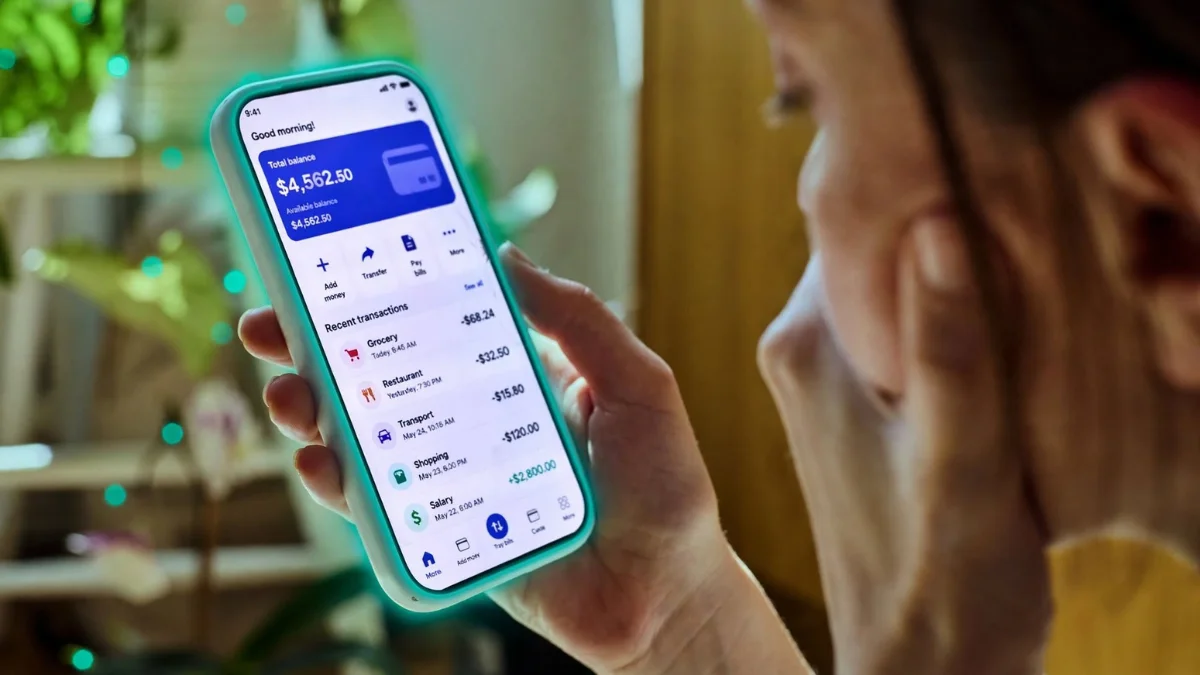
Mobile banking has changed the way people manage their money. Customers can now check balances and transfer money and pay bills without visiting a physical branch.
According to the American Bankers Association’s 2025 survey conducted with Morning Consult these are the most popular banking methods.
- 54% of customers prefer mobile banking apps.
- 22% prefer online banking through a computer.
- 9% prefer visiting bank branches.
- 6% prefer ATMs.
- 4% prefer telephone banking.
- 1% prefer banking through mail.
- 63% of Gen Z customers prefer mobile banking.
- 67% of millennials prefer mobile banking.
- 56% of Gen X customers prefer mobile banking.
- 38% of baby boomers prefer mobile banking.
- 95% of customers rated their bank’s digital experience as good or better.
- 96% rated their overall access to financial services as good or better.
- 89% agreed that banking technology is making financial services easier to access.
The numbers make one thing clear. Mobile apps have become the leading choice for everyday banking. But physical branches still have a place. Some customers prefer speaking with bank employees when they need help with large transactions or account problems.
3. Banking Fees and Account Statistics
Bank fees can affect how much money customers actually keep. Monthly maintenance charges and overdraft fees are two areas worth watching.
The Federal Reserve’s 2025 household survey provides useful information about account access and overdraft experiences.
- 6% of US adults were unbanked in 2025.
- 21% of adults earning below $25,000 were unbanked.
- Only 1% of adults earning $100,000 or more were unbanked.
- 12% of banked adults paid an overdraft fee during the previous year.
- 17% of banked adults earning below $25,000 paid an overdraft fee.
- 20% of adults earning $25,000 to $49,999 paid an overdraft fee.
- Only 6% of adults earning $100,000 or more paid an overdraft fee.
An overdraft fee usually happens when a bank allows a payment to go through even though the customer does not have enough money in their account. The fee can make an already difficult financial situation worse.
Customers should check their account balance and understand their bank’s overdraft rules. Some banks also offer account options without overdraft fees.
4. Digital Payments and Cryptocurrency Statistics
Banking is no longer limited to moving money between checking and savings accounts. People now use payment apps and digital wallets and cryptocurrency for different financial activities.
Here are some interesting findings from the Federal Reserve’s 2025 report.
- 12% of adults used nonbank check cashing or money order services.
- 11% of banked adults used these services.
- 28% of unbanked adults used nonbank check cashing or money order services.
- 10% of adults used cryptocurrency for investment or financial transactions.
- 9% of adults bought or held cryptocurrency as an investment.
- Only 2% of adults used cryptocurrency to make payments or send money.
This tells us that cryptocurrency is still used more for investment than everyday payments. Traditional bank accounts and payment apps remain much more common for regular financial activities.
5. Banking Fraud and Security Statistics

Online banking makes life easier but it also brings security risks. Scammers may use fake messages and phone calls and misleading websites to access personal financial information.
The Federal Reserve’s 2025 household report highlights how common these problems have become.
- 20% of adults experienced financial fraud or scams involving their money.
- 16% of adults reported credit card fraud.
- 8% of adults experienced another type of financial fraud.
- 65% of adults affected by non-credit-card fraud lost money.
- 35% of those affected reported that at least some money was not recovered.
- Estimated non-credit-card fraud losses reached $100 billion in 2025.
- Consumers recovered around $44 billion.
- The estimated net loss was $56 billion.
- The median loss before recovery was $500 among people who lost money through non-credit-card fraud.
These figures show why banking security matters. A suspicious link or an unexpected payment request can put your money at risk. Always use official banking apps and avoid sharing passwords or one-time verification codes with anyone.
What Do These Banking Statistics Tell Us About the Industry?
The numbers show that banking habits are changing but the basic needs remain the same. People still want a safe place to keep money and an easy way to make payments.
The FDIC also reported that insured banks earned $90.1 billion in Q2 2026. Their return on assets was 1.37%. Domestic deposits increased by 0.8% while loans grew by 1.8% during the quarter. These figures suggest that the banking industry remained financially active during this period.
What Should Customers Pay Attention To?
If you use a bank account regularly these statistics can help you make better choices.
- Compare monthly account fees before opening an account.
- Check interest rates on savings accounts.
- Use mobile banking carefully and protect your login details.
- Review transactions regularly to spot unfamiliar payments.
- Understand overdraft charges before using your checking account.
- Turn on account alerts to keep track of withdrawals and deposits.
- Never share your banking password or verification code.
A little attention can help prevent unnecessary fees and reduce the risk of financial fraud.
Key Takeaways for 2026
Banking statistics tell an interesting story about how people handle their money. Mobile apps are leading the way while traditional branches remain useful for personal support.
At the same time millions of households still face problems accessing affordable banking services. Fraud and overdraft fees also show why customers need to understand their accounts. For people looking to grow their money beyond regular savings accounts exploring the top stocks to buy now can offer a starting point for learning about investment options.
At WeirdWealth we aim to make financial information easier to understand. These statistics are useful because they show what is happening beyond individual bank accounts and help readers make more informed financial decisions. If you need extra financial support you can also learn about a Best Egg personal loan or understand how to manage a Best Buy credit card payment.
Frequently Asked Questions
1. What is the most popular banking method in 2026?
Mobile banking is the most popular method in the latest ABA survey. Around 54% of customers selected mobile apps as their preferred way to manage bank accounts.
2. How many Americans do not have a bank account?
The Federal Reserve found that 6% of US adults were unbanked in 2025. The FDIC’s separate 2023 household survey found that 4.2% of US households were unbanked. These figures use different survey methods and populations.
3. Why are mobile banking statistics increasing?
Mobile apps let customers check balances and transfer money and pay bills from almost anywhere. They also reduce the need to visit a physical branch for everyday tasks.
4. What is an overdraft fee?
An overdraft fee is a charge that may apply when a bank pays a transaction that takes an account balance below zero. Rules and fees depend on the bank and account.
5. Is online banking safe?
Online banking can be safe when customers use official apps and strong passwords and keep their devices updated. Avoid suspicious links and never share verification codes.
6. Where can I find reliable banking statistics?
You can find trustworthy information through the Federal Reserve and FDIC and American Bankers Association and Consumer Financial Protection Bureau. These organizations publish reports about banking habits and account access and financial safety.
Disclaimer
This article is for educational and informational purposes only. Banking statistics come from surveys and official industry reports. Some figures refer to 2023 while others refer to 2025 or 2026. Survey methods and populations can differ so the numbers should not be treated as directly interchangeable. Always check the original source for the latest information before making financial decisions.