
Money-Saving Challenges: Saving money sounds easy until your bills arrive and everyday spending gets in the way. You plan to put something aside but then groceries cost more or an unexpected expense shows up. Before you know it another month has passed.
A money-saving challenge can make things easier. Instead of simply telling yourself to save more you follow one small rule and stick with it. Some challenges help you save a little every day while others help you cut spending for a week or a month.
The best challenge isn’t the one that promises the biggest savings. It’s the one that fits your income and doesn’t make everyday life harder. Here are 15 ideas worth trying this year.
Key Takeaways
- Choose a challenge that fits your income and regular expenses.
- Start with an amount you can comfortably save.
- Keep challenge money separate from everyday spending.
- Use your savings for a clear goal such as emergencies or a planned purchase.
- Change the rules when your budget changes. Consistency matters more than perfection.
1. Try the 52-Week Savings Challenge
This is one of the most popular money-saving challenges because the rules are simple. Save $1 in the first week then $2 in the second week. Keep increasing your deposit by one dollar until you save $52 in the final week.
If you complete all 52 weeks you’ll have $1,378. That’s a useful amount for an emergency fund or another savings goal.
The final weeks require larger deposits. If that sounds difficult try the reverse version. Save $52 in the first week and reduce the amount by one dollar every week.
2. Start a 26-Week Savings Challenge
A full year can feel like a long time to stay motivated. The 26-week savings challenge gives you a shorter finish line.
Save $1 in the first week then increase your deposit by one dollar every week. By the final week you’ll be saving $26. Completing the full pattern gives you $351.
You can also choose a fixed weekly amount if your income changes from month to month. The important thing is to pick a number you can actually manage.
3. Give the No-Spend Challenge a Try

Choose a week or month when you avoid nonessential purchases. Regular bills and necessary expenses still need to be paid. The goal is to stop spending on things you can comfortably do without.
You might pause online shopping or stop ordering takeout for a week. Every time you avoid an unnecessary purchase move that money into savings.
Don’t turn this into a reason to skip food or other basic needs. If a whole month feels too difficult start with a weekend.
4. Save Every $5 Bill
Whenever you receive a $5 bill as change put it in a separate envelope or jar. At the end of each week move the money into your savings account.
This challenge works well if you still use cash for everyday purchases. Your savings will depend on how many $5 bills you receive. There is no fixed target to worry about.
5. Take on the Spare-Change Challenge
Money-Saving ChallengesKeep the coins left after cash purchases and collect them in one place. If you mostly use a debit card round each purchase up to the next dollar and save the difference.
Some banking apps offer automatic round-up features. Check their fees and rules before using them.
Small deposits may not look impressive at first. But the habit can help you become more aware of everyday spending.
6. Try a No-Dining-Out Week
For seven days prepare meals at home instead of buying restaurant food or delivery. Plan a few simple meals before the week begins so you aren’t tempted to order food when you’re tired.
At the end of the week check how much you saved compared with your usual spending. Move that amount into savings.
You don’t need to stop eating out forever. This challenge is simply a way to notice how much convenience food costs over time.
7. Cancel Unused Subscriptions
Open your bank statements and look for subscriptions you no longer use. You might find an old streaming service or an app you forgot you were paying for.
Cancel the services that no longer offer value. Then transfer the money you would have spent into savings each month.
Keep subscriptions you genuinely enjoy. The idea isn’t to remove every little pleasure from your life. It’s to stop paying for things you don’t need.
8. Try the Pantry-First Challenge

Before going grocery shopping check your fridge and cupboards. Plan meals around the food you already have and buy only the ingredients you’re missing.
Try this for one week and see how much you can avoid spending. It can also help reduce food waste because you’re using items before they expire.
Don’t avoid buying fresh food just to complete the challenge. Your meals should still meet your household’s needs.
9. Make a Weather Savings Challenge
Choose one day each week and save an amount connected to the local weather. For example you could save $5 on a rainy day or use the temperature to decide your deposit.
Set a maximum amount before starting. A very hot day shouldn’t force you to save more than your budget allows.
This is meant to make saving interesting. Change the rule whenever necessary.
10. Save a Set Amount Every Payday
Choose an amount you can afford and move it into savings whenever you get paid. It could be $5 or $20 or another amount that works for your budget.
If your bank allows automatic transfers you can schedule the deposit. Just make sure enough money remains in your checking account for bills and essential spending.
The FDIC explains that regular automatic transfers can help people build savings over time.
11. Increase Your Savings by 1%
Start by saving a small part of your income. Each month increase the amount by one percentage point if your budget allows.
For example, you might begin by saving 2% of your take-home pay. The following month you could increase it to 3%.
Money-Saving Challenges: This gradual approach can feel easier than making a big change overnight. If your income falls or expenses rise you can keep the amount steady instead.
12. Save Part of Your Unexpected Money
Did you receive a birthday gift or a work bonus? Maybe you got a refund you weren’t expecting. Instead of spending the whole amount decide to save a portion.
You could save half and use the rest for something you enjoy. The exact split is up to you.
Making this decision before the money arrives can help you avoid spending it without a plan.
13. Try the Cash-Envelope Challenge
Choose one flexible spending category such as entertainment or snacks. Decide how much you can spend each week and put that amount in an envelope.
When the cash runs out stop spending in that category until the next week. This makes your limit easier to see.
Keep essential bills and necessary purchases separate. Cash envelopes are a budgeting tool rather than a reason to ignore important expenses.
14. Follow the 30-Day Waiting Rule
When you want to buy something that isn’t essential write it down and wait 30 days. If you still want it after that time check whether it fits your budget.
If you decide not to buy it move the planned amount into savings. For smaller purchases you can use a 24-hour or seven-day waiting period.
This simple pause gives you time to decide whether you really want something or just feel like buying it at that moment.
15. Build Your Own Savings Streak
Money-Saving Challenges: Choose a small amount and save it every day or every week. Mark each deposit on a calendar so you can see your progress.
For example you could save $2 every weekday or $10 every Sunday. Pick a number that feels manageable even during a busy month.
If you miss a deposit don’t give up. Start again with the next one. A savings habit doesn’t need a perfect record to be useful.
How Do You Choose the Right Money-Saving Challenge?
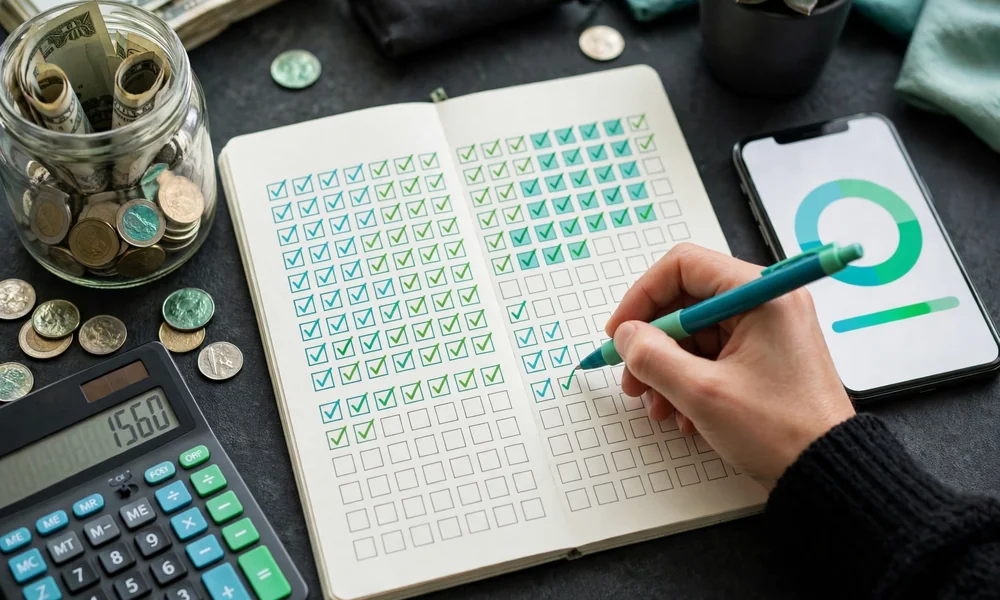
Money-Saving Challenges: Start by looking at your income and regular expenses. Write down your housing costs and bills along with groceries transport and debt payments. This gives you a better idea of what you can afford to save.
Then choose a clear goal. You might want an emergency fund or money for a holiday or a future purchase. Having a reason to save makes it easier to stay focused.
If you’re reviewing your finances also take a look at bank fees many customers overlook. You can compare banks with early direct deposit or explore neobanks and their fees before choosing where to keep your money.
Where Should You Keep Your Savings?
A separate savings account can make it easier to track your progress. Check monthly fees and minimum balance rules before opening an account.
The Consumer Financial Protection Bureau recommends keeping emergency savings somewhere safe and accessible. Its emergency fund guide explains how a reserve can help you handle unexpected expenses.
What If You Cannot Save Every Week?
Don’t treat a missed deposit as failure. Reduce the amount or pause the challenge if your essential expenses increase.
If you have high-interest debt or overdue bills you may need to balance savings with those payments. Start with a realistic amount and adjust as your situation changes.
Frequently Asked Questions
Which money-saving challenge is best for beginners?
The spare-change challenge and a small payday transfer are good starting points. Both let you begin with an amount that fits your budget.
How much can I save with the 52-week challenge?
The traditional version saves $1 in week one and increases the deposit by one dollar every week. Completing all 52 deposits gives you $1,378.
Do money-saving challenges really work?
They can help you pay attention to spending and build a regular savings habit. Your results depend on your income and how well the challenge fits your budget.
Should I save money or pay off debt first?
It depends on your circumstances and the interest rate on your debt. A small emergency fund can help prevent new borrowing while high-interest debt should also be part of your financial plan.
Can I try more than one savings challenge?
Yes but start with one so the plan doesn’t become overwhelming. Add another only when the first challenge fits comfortably into your routine.
Final Thoughts
You don’t need a perfect savings plan to make progress. Choose one challenge that feels realistic and give it a proper try.
At WeirdWealth we believe useful money habits should work in real life. Keep your savings separate and give yourself room to adjust the rules. A small amount saved regularly is better than a big target you can’t maintain.
Disclaimer: This article is for general educational purposes only and isn’t personal financial advice. Your savings goals depend on your income and expenses and individual circumstances. Check account fees and terms before moving money. If you’re struggling to cover essential bills consider speaking with a qualified financial counselor.