
Saving $1,000 can feel difficult when your paycheck already has a job before it reaches your account. Rent, groceries, bills and everyday expenses can leave very little behind. But you may not need another job or a major lifestyle change to reach your goal.
The idea is to find money that’s already slipping through your budget. A few spending cuts, some careful planning and one or two ways to bring in money from things you own can make a real difference.
You don’t have to try all 30 ideas. Start with the ones that fit your life and keep track of every dollar you manage to save.
Key Takeaways
- Set a realistic deadline for saving $1,000.
- Cancel unused subscriptions and review regular bills.
- Plan groceries and reduce unnecessary takeout.
- Sell unused items and collect refunds you are owed.
- Keep your savings separate from everyday spending.
- Avoid expensive borrowing or skipping essential needs to reach your target.
First: Make a Simple $1,000 Savings Plan

Give yourself a deadline before you start. Saving $1,000 in 30 days means putting away about $34 per day. If you have 60 days then the target is around $17 per day.
These are just planning numbers. Choose a timeline that doesn’t force you to miss essential payments or borrow money to keep up.
Create a separate savings account or savings space for the money. The Consumer Financial Protection Bureau’s emergency fund guide recommends setting a clear goal and building a regular saving habit. Even small deposits can help you get started.
30 Ways to Save $1,000 Fast
Cut Expenses That Keep Taking Money

1. Cancel subscriptions you don’t use.
Check your streaming services and paid apps. If you haven’t opened a subscription in weeks then ask yourself whether you really need it. Cancel the ones that no longer add value.
2. Pause subscriptions for a month.
Some services let you pause a membership instead of cancelling it. This can be useful if you still want the service but don’t need it right now.
3. Review your phone plan.
Check your actual data usage and compare it with your plan. You might be paying for more data than you need. Ask your provider about a cheaper option.
4. Negotiate your internet bill.
Call your internet provider and ask whether a lower-cost plan or customer offer is available. Compare other providers too. Don’t accept a new deal without checking how long its promotional price lasts.
5. Check your bank fees.
Look for monthly account charges and ATM or overdraft fees. Ask your bank whether you can avoid them or move to a lower-cost account. WeirdWealth also explains common bank account fees that customers sometimes overlook.
6. Cancel unused memberships.
Gym memberships and delivery clubs can become expensive when you stop using them. Check your recent activity and cancel anything that isn’t worth its monthly cost.
7. Try a no-spend weekend.
Spend one weekend without buying anything unnecessary. Cook at home and choose free activities. Move the money you would normally spend into your savings account.
8. Set a takeout limit.
You don’t need to stop eating outside completely. Decide how many takeout meals fit your budget each week and stick to that number.
9. Make coffee and lunch at home.
Buying coffee or lunch every working day can add up. Prepare a few meals at home and take them with you. Keep the occasional café visit if you enjoy it.
10. Compare insurance prices.
Check your car or home insurance before renewal. Compare policies with similar coverage and deductibles. Never cancel your current policy until your replacement coverage is active.
Spend Less on Everyday Needs
11. Shop with a grocery list.
Check your kitchen before going to the store. Write down what you need for the week and avoid adding random items to your cart.
12. Plan meals around food you already have.
Look at your fridge and pantry before planning meals. Use ingredients that need attention first. This helps reduce food waste and prevents buying things you already own.
13. Try store brands.
Compare store brands with popular brands for everyday items. Check the unit price rather than just the package price. You may find that the cheaper option works just as well.
14. Reduce delivery orders.
Delivery fees and service charges can make a small purchase cost much more. Pick up orders yourself when practical or combine purchases into one trip.
15. Store food properly.
Freeze extra portions and keep leftovers where you can see them. A little planning can stop food from going bad before you get a chance to use it.
16. Wait before buying non-essential items.
Before ordering something online give yourself 24 hours. You may still want it the next day but at least the decision won’t be made in a rush.
17. Borrow things you rarely use.
Need a special tool or equipment for one project? Ask whether you can borrow it from someone you trust. Buying something for one-time use may not make sense.
18. Repair items before replacing them.
A broken appliance or household item doesn’t always need to go straight into the trash. Get a repair estimate and compare it with the cost of a safe replacement.
Lower Household and Travel Costs
19. Turn off unused lights and electronics.
Switch off lights when leaving a room and avoid leaving devices running when you don’t need them. These habits may not change your bill overnight but they can reduce wasted energy.
20. Adjust heating and cooling.
Avoid heating or cooling an empty home when you can safely adjust the settings. The U.S. Department of Energy offers practical home energy saving tips for reducing unnecessary energy use.
21. Wash full loads when possible.
Try to run your washing machine with a suitable full load instead of several small ones. Use cold water when appropriate for the clothes and follow their care labels.
22. Combine errands into one trip.
Plan grocery shopping and other nearby stops together. Making fewer separate trips can save fuel and reduce the time you spend travelling.
23. Compare driving with public transport.
For some journeys a bus or train may cost less than fuel and parking. Compare the full cost and travel time before deciding.
24. Check parking and toll costs.
Look for cheaper legal parking and routes that avoid unnecessary tolls. Don’t choose an unsafe route just to save a small amount.
Find Money You May Already Have
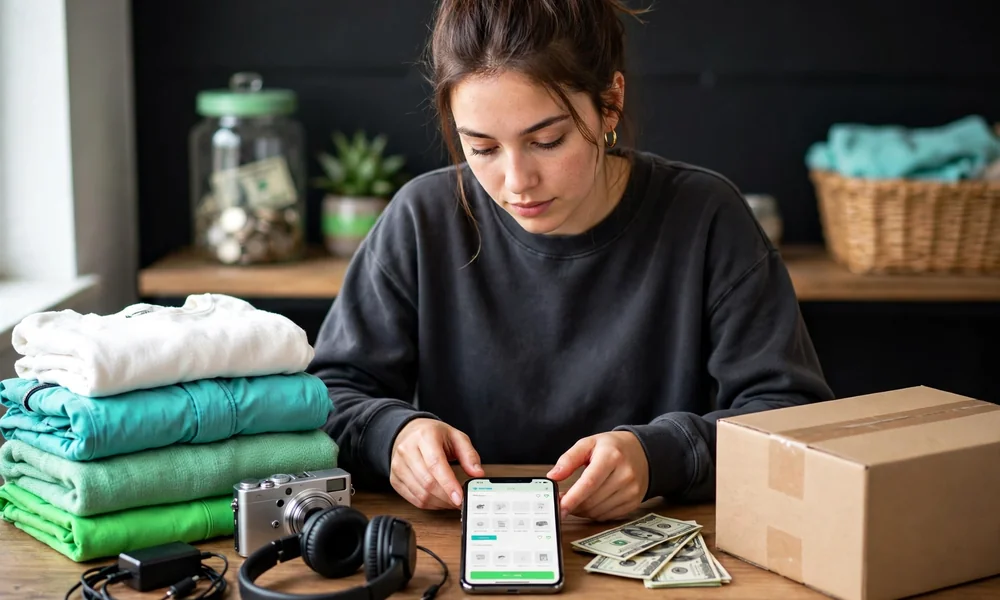
25. Sell things you no longer use.
Look through your wardrobe and home for items in good condition. Electronics and furniture can also be worth listing online. Check similar listings before setting your price.
26. Return unused purchases.
Check whether recently purchased items are still within the seller’s return window. Keep your receipt and follow the return instructions. Count the refund only after the money reaches your account.
27. Collect money people owe you.
Review shared bills and unpaid reimbursements. If someone owes you money send a polite reminder with the amount and payment details.
28. Check for forgotten refunds or balances.
Review old accounts and statements. If you live in the United States you can also check official state unclaimed property databases. Avoid services that demand large upfront payments to search for your money.
29. Save unexpected money.
If you receive a refund or cash gift consider putting some of it toward your $1,000 goal. Decide how much to save before spending the rest.
30. Move money into savings on payday.
Set an automatic transfer for an amount you can afford. It doesn’t need to be large. The important part is making saving a regular habit instead of waiting to see what remains.
How Can You Reach $1,000 Without Feeling Deprived?
You don’t need one huge money-saving move. Combine several smaller changes and give each one a target.
For example you might save $150 by cancelling subscriptions and lowering bills. Grocery planning and fewer takeout orders could free up another $200. Selling unused items might bring in $250. Regular savings from your next few paychecks can cover the remaining amount.
Your numbers will be different. Write down what you save and move it into a separate account so it doesn’t disappear into everyday spending.
If you use an online bank to separate your savings check its fees and account terms first. Our guide to neobanks compared explains what to review before choosing a digital account. You can also read about banks with early direct deposit if payday timing affects your budget. Remember that early direct deposit gives you access to your own wages sooner. It doesn’t create extra income.
What Should You Avoid While Saving?
A quick savings goal should never put your basic needs at risk. Don’t skip essential bills or medication just to reach $1,000 sooner. Avoid payday loans and expensive cash advances too. Their fees can leave you with less money later.
Be careful with online money-making claims that promise easy results. Selling an item only counts once you receive payment. A refund only counts when it reaches your account.
If you earn money through occasional freelance work or selling goods you may have tax responsibilities. The IRS guide to gig income explains recordkeeping and reporting requirements in the United States.
Frequently Asked Questions
Can I save $1,000 in 30 days without a second job?
It may be possible if you have flexible spending to cut or valuable items to sell. You would need to save around $34 each day. If that would put your essential bills at risk choose a longer deadline.
What is the fastest way to save $1,000?
Start by reviewing recurring bills and selling items you no longer use. These steps may free up money faster than small daily changes alone. Then set up regular savings transfers to keep making progress.
How much should I save from each paycheck?
That depends on your income and deadline. Divide your remaining savings target by the number of paychecks you expect before your goal date. Make sure you leave enough for essential expenses.
Should I keep my $1,000 in cash?
A separate savings account is usually easier to track and protects you from accidentally spending the money. Check account fees and access rules before choosing where to keep it.
What if I cannot save anything this month?
Start by tracking your spending and looking for one small change. If your income barely covers basic expenses then budgeting alone may not solve the problem. Focus on essential needs and consider trusted local support if bills are becoming difficult to manage.
Final Thoughts
Saving $1,000 fast is not about making your life miserable for a month. It’s about noticing where your money goes and making a few changes that actually fit your routine.
Start with three things today. Check your subscriptions and review one regular bill. Then move your first realistic amount into savings. WeirdWealth is here to make everyday money decisions easier to understand. Keep going at a pace you can manage and let the small wins build.
Disclaimer: This article is for general educational purposes and is not personalized financial advice. Your ability to save depends on your income and expenses. Check account terms and fees before moving money. Do not skip essential bills or take on expensive debt to meet a savings target.