
Strange collectibles can attract serious buyers, even when they look unusual or have little appeal to the average person. Vintage novelty toys, unusual advertising items, discontinued gadgets, odd antiques, obscure pop culture merchandise, and limited-edition curiosities can all find an audience online. However, finding the right buyer is only half the challenge. Setting a realistic price is just as important.
Many sellers make the mistake of assuming that an unusual item must be valuable because it is rare or difficult to find. In reality, rarity does not automatically create demand. A collectible may be uncommon but still have a limited market. If the asking price is too high, potential buyers may ignore the listing. If the price is too low, you could miss out on a reasonable return.
The best approach is to identify the item, research comparable sales, understand its condition, and choose a price that reflects what collectors are actually willing to pay. This guide explains how to sell strange collectibles online without overpricing them, attract interested buyers, and manage the process more effectively.
Why Strange Collectibles Can Have a Market
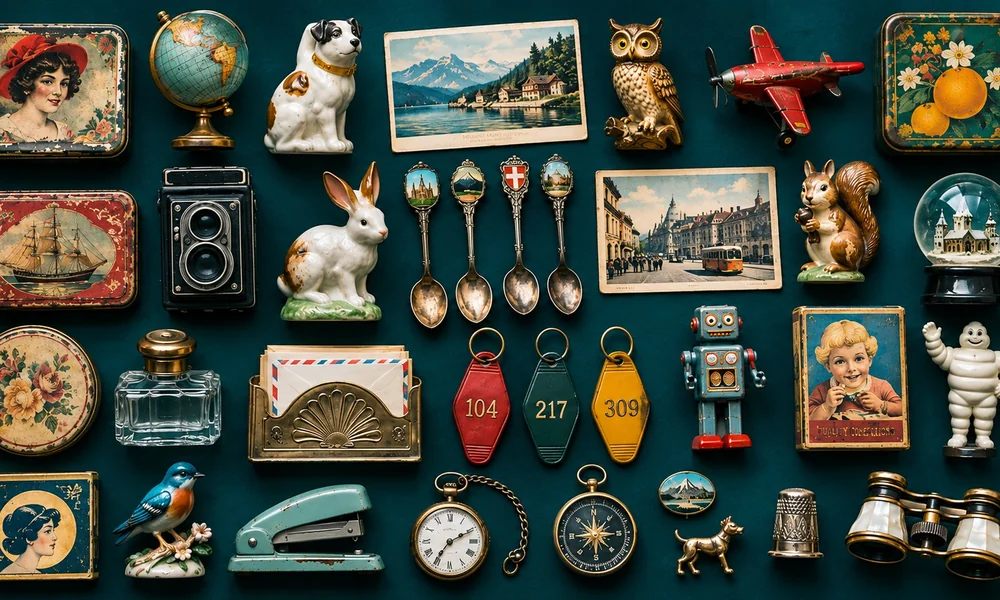
Strange collectibles appeal to buyers for different reasons. Some collectors enjoy owning unusual objects, while others focus on a specific category, manufacturer, historical period, or cultural trend. An item that seems worthless to one person may be meaningful to someone who collects that exact type of object.
Examples of unusual collectibles include:
- Vintage novelty toys: Discontinued toys, unusual figurines, and promotional playthings.
- Odd advertising merchandise: Old product displays, branded signs, promotional containers, and unusual packaging.
- Obsolete technology: Early electronic devices, discontinued accessories, and outdated gadgets with collector interest.
- Unusual memorabilia: Event souvenirs, obscure entertainment merchandise, and niche pop culture items.
- Vintage household objects: Uncommon kitchen tools, decorative pieces, and discontinued home products.
- Limited-edition curiosities: Small production runs, unusual designs, and items made for specific events.
The potential value of these objects depends on more than how strange they look. Their age, condition, authenticity, history, production quantity, and collector demand can all influence the final selling price.
How to Identify What Your Strange Collectible Is Worth
Before creating a listing, establish exactly what you have. Two objects may look nearly identical but have different manufacturers, production dates, editions, or materials. Those details can affect their market value.
Start by checking the item’s labels, markings, serial numbers, packaging, signatures, and manufacturer information. Search for product names, model numbers, and other identifying details. If the item is old or unfamiliar, collector forums, specialist catalogs, and auction archives may help you narrow down its identity. You can also follow this guide to identify maker’s marks to understand how markings can help identify an antique’s manufacturer and history.
Avoid assigning a high value simply because you cannot find an identical listing. The item may be uncommon, but that does not prove buyers are willing to pay a premium.
For potentially valuable antiques, signed memorabilia, rare toys, or unusual historical objects, consider asking a qualified specialist or authentication service for an opinion. This can help prevent incorrect descriptions and unrealistic pricing.
Research Actual Selling Prices Instead of Asking Prices
One of the most important steps in selling unusual collectibles is researching completed sales. Active listings show what other sellers hope to receive. They do not prove that buyers are willing to pay those amounts.
Search marketplaces for the exact item or the closest available comparisons. Use identifying details such as the manufacturer, model, year, edition, material, and condition. When possible, compare several completed transactions rather than relying on one unusually high sale.
Pay attention to these details:
- The final selling price rather than the original asking price.
- Whether the item was sold individually or as part of a collection.
- Its condition and whether original packaging was included.
- Whether it was authenticated, graded, or accompanied by documentation.
- The date of the sale and whether demand has changed.
- Shipping costs and the location of the buyer.
A useful resource is eBay’s seller checklist, which covers listing details, item descriptions, pricing, photographs, payment information, and shipping considerations.
If you cannot find recent sales for an exact match, compare similar items and use a realistic price range. Do not treat an unsold listing as proof of market value.
Understand How Rarity and Demand Affect Collectible Prices
Rarity is important, but it is only one part of collectible pricing. A product may have been manufactured in limited quantities and still attract very few buyers. Another item may have been produced in larger numbers but have a stronger collector community.
Consider the difference between these factors:
Rarity: How difficult the item is to find compared with similar objects.
Demand: How many interested buyers are actively looking for it.
Condition: Whether the item is complete, damaged, restored, faded, or still in its original packaging.
Historical interest: Whether the item is connected to a recognizable person, company, event, or period.
Authenticity: Whether there is reliable evidence that the item is genuine.
A strange collectible with strong demand, documented authenticity, and excellent condition may justify a higher price. An uncommon object with little buyer interest may need a more competitive asking price to sell.
Choose the Right Online Marketplace
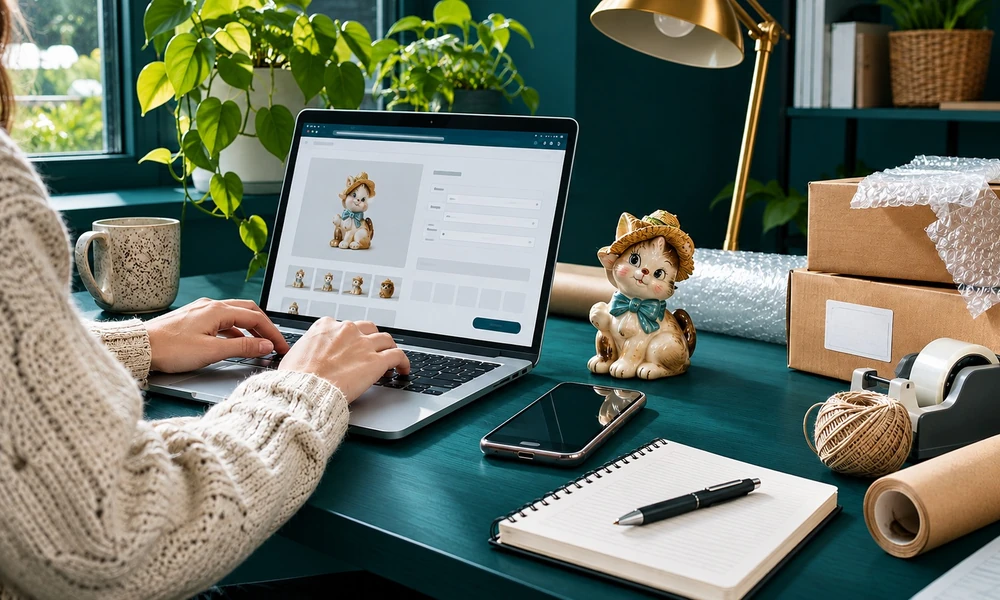
Not every marketplace attracts the same type of collector. The best platform depends on the item, its value, the type of buyer you want to reach, and the selling fees involved.
eBay
eBay can be a practical starting point for unusual collectibles because it has a broad audience and supports fixed-price and auction-style listings. It can work for vintage toys, memorabilia, discontinued products, old gadgets, and niche objects.
Research completed listings before setting your price. Use specific keywords so buyers can find the item through relevant searches.
Etsy
Etsy may suit genuine vintage objects, unusual decorative pieces, and certain collectible items that fit its marketplace rules. Check the platform’s current eligibility requirements before listing.
Use clear photographs and explain the item’s age, origin, and condition accurately.
Specialist Collectibles Marketplaces
Some collectibles attract buyers through dedicated marketplaces and collector communities. These platforms may be more useful when an item belongs to a narrow category, such as vintage toys, trading cards, coins, stamps, or specific types of memorabilia.
A specialist audience can make it easier to reach informed buyers, although platform fees and listing requirements should still be considered.
Collector Forums and Online Communities
Collector groups can help you identify unfamiliar objects, understand variations, and connect with interested buyers. Some communities allow sales posts, while others restrict commercial listings.
Read the rules before posting. Avoid repeatedly advertising the same item or sending unsolicited sales messages.
Set a Fair Price Without Overpricing Your Collectible
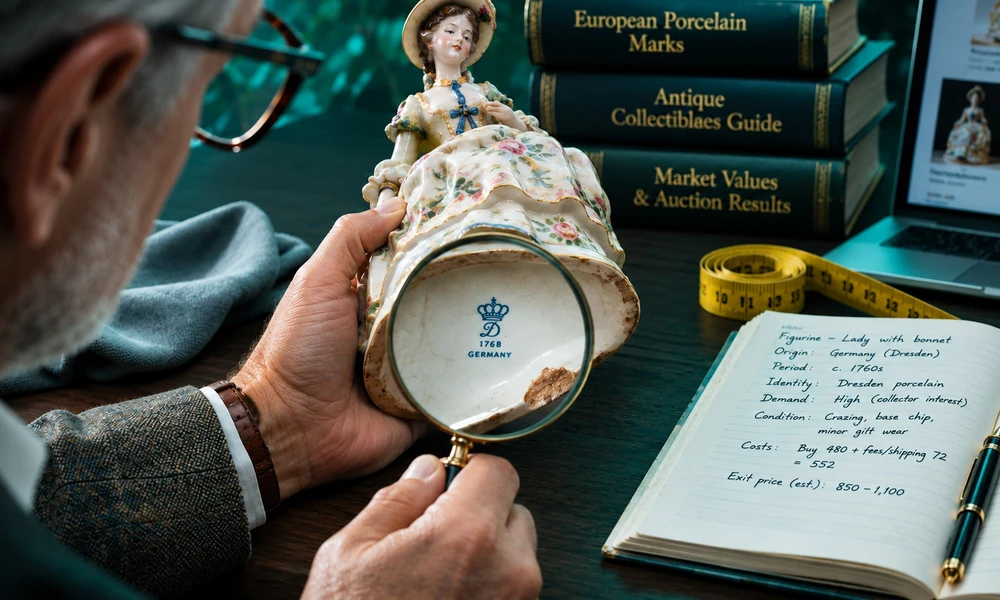
Once you have researched comparable sales, choose a price based on evidence rather than emotion. Sellers sometimes attach personal value to an object because it belonged to a family member, was difficult to find, or has an interesting story. Buyers may not share that attachment.
Use a simple pricing process:
- Identify the exact item and its important variations.
- Find several comparable completed sales.
- Adjust for differences in condition, completeness, and authenticity.
- Calculate marketplace fees, payment costs, and shipping expenses.
- Decide the minimum amount you are willing to accept.
- Set an asking price that reflects the market and leaves reasonable room for negotiation.
For example, imagine similar collectibles have recently sold for between $40 and $60. If your item has noticeable wear and no original packaging, listing it for $150 may make it difficult to attract buyers. A price closer to the lower or middle part of the observed range may be more realistic.
This is only an illustrative example. Actual prices depend on the item and current market conditions.
Consider Fixed Prices and Auctions
A fixed-price listing gives you more control over the amount you want to receive. It can work well when comparable sales provide a reasonably clear price range.
An auction may be useful when demand is uncertain and multiple interested buyers could compete. However, an auction does not guarantee a high final price. Set a suitable starting price and understand the platform’s auction rules before choosing this format.
You can also enable reasonable offers where the platform allows it. This allows buyers to negotiate while helping you understand the level of interest in your item.
Create a Listing That Attracts the Right Buyers
A good listing should make it easy for collectors to understand exactly what you are selling. Strange collectibles may need more explanation than ordinary products because buyers may not recognize their purpose, manufacturer, or history.
Write a Specific Listing Title
Use the item’s known name, manufacturer, model, date, or other identifying details. Include descriptive terms that a collector might search for.
For example, instead of writing:
“Very Rare Weird Old Toy”
Use a more informative title such as:
“Vintage Wind-Up Tin Robot Toy With Original Packaging”
Only include details that you can support. Avoid calling something rare, original, or authentic unless you have a reasonable basis for the claim.
Take Clear Product Photographs
Photographs help buyers evaluate condition and identify details that may not be obvious from the title.
Include images of:
- The front and back of the item.
- All sides and important design features.
- Manufacturer marks, labels, and serial numbers.
- Original packaging and included accessories.
- Scratches, cracks, stains, fading, or missing components.
- Any paperwork or documentation included in the sale.
Use natural or even lighting and a simple background. Avoid filters that change the item’s appearance. If a flaw is visible, show it clearly rather than trying to hide it.
Write an Honest Description
Explain what the item is, what you know about its history, and what the buyer will receive. Include measurements, materials, age estimates, and identifying information when available.
Be specific about condition. Instead of writing “excellent condition” when the item has visible wear, explain the actual issue. For example, mention that the paint is faded, one accessory is missing, or the original box has damaged corners.
Clear descriptions reduce misunderstandings and help buyers make informed decisions.
Calculate Your Costs Before Accepting an Offer
A sale price is not the same as your actual profit. Marketplace commissions, payment processing, packaging, shipping, insurance, and other expenses can reduce the amount you keep.
Use this basic calculation:
Estimated profit = Selling price − Marketplace fees − Payment costs − Packaging − Shipping expenses − Original purchase cost
For example, if you sell an item for $80, spend $8 on selling fees, $5 on packaging and shipping expenses, and originally paid $25 for it, your estimated profit is $42.
This example does not include taxes or other possible costs. Check the platform’s current fee schedule and your local tax requirements before calculating your final return.
If you regularly sell collectibles, maintaining separate records of sales and expenses can make the business easier to manage.
Manage Your Selling Income Carefully
Selling strange collectibles can become a small side income stream, particularly if you already own unusual items or know how to source them affordably. However, it is important to separate occasional personal sales from a regular resale operation.
If you are building a small online selling activity, explore practical home income ideas to understand how different home-based income opportunities work. Treat collectible sales as a business only when your buying, selling, and record-keeping activities support that approach.
For regular sellers, a separate account can make it easier to track payments and expenses. You can compare neobank options and review no-fee bank accounts when researching ways to manage business transactions. Check availability, eligibility, fees, and account terms in your country before opening an account.
Do not assume that every digital bank offers the same protections or services. Choose an account based on your actual payment needs and the rules that apply where you live.
Package and Ship Strange Collectibles Safely
Unusual collectibles may have fragile shapes, delicate surfaces, old packaging, or small parts that can be damaged during delivery. Good packaging protects the item and helps prevent disputes after the sale.
Follow these basic steps:
- Wrap fragile items individually with suitable protective material.
- Use a sturdy box that leaves room for cushioning.
- Protect sharp edges, delicate decorations, and protruding parts.
- Keep original packaging separate from heavy objects when possible.
- Photograph the item before packing it.
- Use tracking for shipments when available.
- Consider shipping insurance for valuable or fragile items.
Describe shipping costs and delivery expectations clearly in the listing. For international sales, check customs requirements, prohibited-item rules, and any restrictions that may apply to the collectible.
Avoid Common Mistakes When Selling Unusual Collectibles
Even an interesting collectible can be difficult to sell if the listing or pricing strategy is poor. Avoid these common mistakes:
Pricing based on emotion: Personal attachment does not necessarily increase market value. Use comparable sales to establish a realistic range.
Confusing rarity with demand: An item can be difficult to find without having many interested buyers.
Ignoring condition: Small defects, missing accessories, and damaged packaging can affect what collectors are willing to pay.
Using misleading titles: Unsupported claims such as “one of a kind” or “museum quality” can damage buyer trust.
Ignoring selling costs: A high selling price may produce a much smaller profit after fees and shipping.
Choosing the wrong platform: A general marketplace may not always reach the specialist buyers interested in a particular collectible.
Using poor photographs: Blurry images and missing detail shots make it harder for buyers to evaluate unusual objects.
Refusing reasonable offers: If an item has received little interest after a realistic listing period, consider whether the price or listing needs adjustment.
How to Increase Your Chances of Selling Strange Collectibles
Selling unusual objects often requires patience because the audience may be smaller than the market for everyday products. Instead of repeatedly increasing or defending your asking price, improve the listing and make it easier for interested collectors to find the item.
Try these practical steps:
- Use accurate keywords related to the item’s category, manufacturer, and age.
- Include alternative names or common collector terms where appropriate.
- Share listings in relevant collector communities that permit sales posts.
- Keep photographs clear and descriptions complete.
- Review comparable sales when the listing receives little interest.
- Respond to buyer questions with accurate information.
- Consider reasonable offers when they meet your minimum acceptable amount.
If a collectible remains unsold, do not immediately assume that it has no value. Recheck the identification, category, photographs, and pricing. The problem may be limited visibility rather than a lack of demand.
Is Selling Strange Collectibles Online Worth It?
Selling strange collectibles online can be worthwhile if you understand the items, research their market, and price them realistically. Some objects may sell quickly because they have an established collector base. Others may take longer to find the right buyer.
The opportunity is not based on rarity alone. A successful sale depends on identifying the item correctly, presenting it honestly, choosing an appropriate marketplace, and accounting for all selling costs.
Start with a few items rather than buying a large inventory immediately. Track what attracts views, questions, offers, and completed sales. Over time, this information can help you understand which categories are worth selling and which ones require too much effort for the return.
Frequently Asked Questions
How do I know if a strange collectible is valuable?
Identify the item and compare it with similar completed sales. Consider its condition, authenticity, age, production details, and collector demand. For potentially valuable or difficult-to-identify objects, seek a specialist opinion.
Where can I sell unusual collectibles online?
General marketplaces such as eBay can help you reach a broad audience. Specialist marketplaces and collector communities may be better for niche items. Choose a platform based on its audience, fees, rules, and buyer protections.
Should I price a rare collectible higher?
Not automatically. Rarity can influence value, but buyer demand and condition matter too. Research completed sales before deciding whether a premium price is justified.
Is an asking price the same as market value?
No. An asking price is what a seller wants to receive. Market value is better estimated by examining actual transactions involving comparable items.
Should I accept offers on unusual collectibles?
Offers can help you understand buyer interest and negotiate a sale. Decide your minimum acceptable amount in advance and consider fees and shipping before accepting an offer.
How can I sell a collectible that has no comparable listings?
Look for similar items from the same manufacturer, category, period, or collector community. Use a cautious price range and avoid assuming that a lack of listings proves the item is extremely valuable.
Do I need an appraisal before selling a strange collectible?
Not always. Ordinary low-value items can often be priced through comparable sales. An appraisal or authentication opinion may be worthwhile for rare antiques, valuable memorabilia, signed objects, or items with uncertain origins.
Final Thoughts
Strange collectibles can find buyers online, but an unusual appearance does not guarantee a high selling price. The most reliable approach is to identify the object, research completed sales, evaluate its condition, and calculate your costs before publishing a listing.
Use clear photographs, honest descriptions, and a marketplace that reaches the right collectors. If the item does not sell, review the evidence and adjust your strategy instead of relying on an inflated price. Fair pricing and accurate information give unusual collectibles a better chance of reaching buyers who genuinely want them.