
Introduction
Corporate collapses rarely happen overnight.
Most business failures begin quietly.
A few missed payments.
Aggressive debt accumulation.
Market conditions changing faster than leadership expects.
Then eventually, the entire structure begins collapsing.
That is exactly what happened to Atlas Resource Partners, once a major American energy company operating thousands of oil and natural gas wells across the United States.
At one point, the company controlled a massive portfolio of producing assets and attracted investors looking for income through energy partnerships.
But by 2016, everything changed.
The company entered bankruptcy, eliminated nearly $900 million in debt, and left many investors with absolutely nothing.
Its downfall remains one of the more striking examples of how leverage can destroy even established companies when market conditions shift aggressively.
What Was Atlas Resource Partners?
Atlas Resource Partners, often known by its NYSE ticker ARP, operated as an energy-focused Master Limited Partnership (MLP).
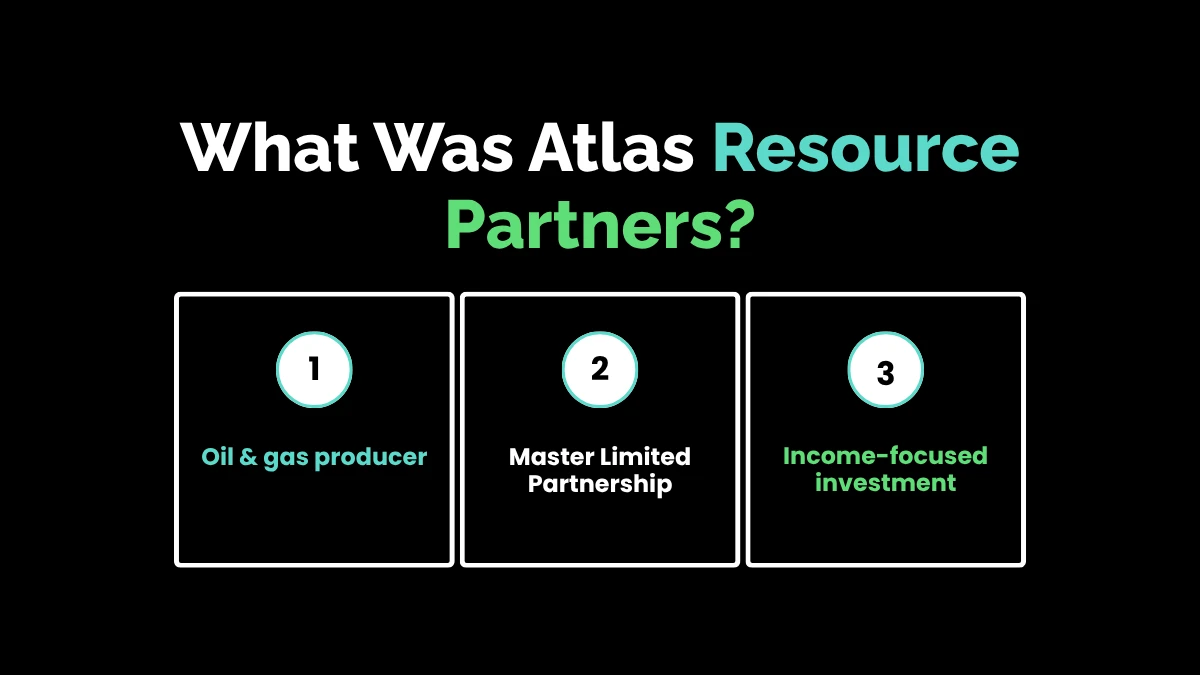
The company specialized in:
- Natural gas production
- Crude oil production
- Drilling partnerships for investors
- Energy asset development
- Oil and gas infrastructure management
Unlike traditional corporations, MLPs often attract investors by offering income distributions generated from operational cash flow.
This business model became extremely popular during strong energy market conditions.
For years, Atlas looked like a stable operation.
The Growth Strategy That Worked Until It Didn’t
Like many energy companies during the commodity boom, Atlas aggressively expanded operations.
The company operated in major U.S. resource basins including:
- Barnett Shale in Texas
- Appalachian Basin across Pennsylvania and Ohio
- Mississippi Lime formation in Oklahoma
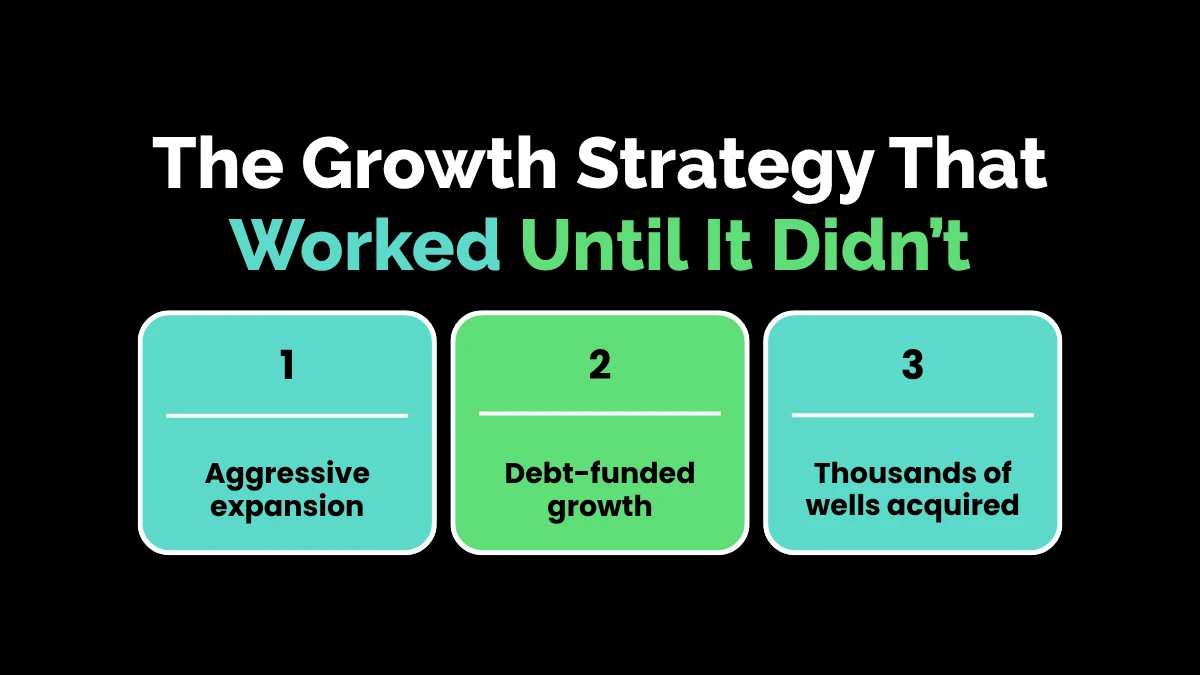
At its peak, the company held interests in more than 14,000 producing wells spread across 17 states.
Expansion required enormous capital.
Management relied heavily on debt financing to support continued growth.
While oil and gas prices remained strong, the strategy appeared successful.
The problem came when markets turned.
The Energy Crash That Triggered the Collapse
Beginning in 2014, global oil and natural gas prices began falling sharply.
Energy companies dependent on high commodity prices immediately faced severe pressure.
Atlas carried substantial debt obligations.
As revenue declined, those obligations became increasingly difficult to manage.
The company eventually reached a breaking point.
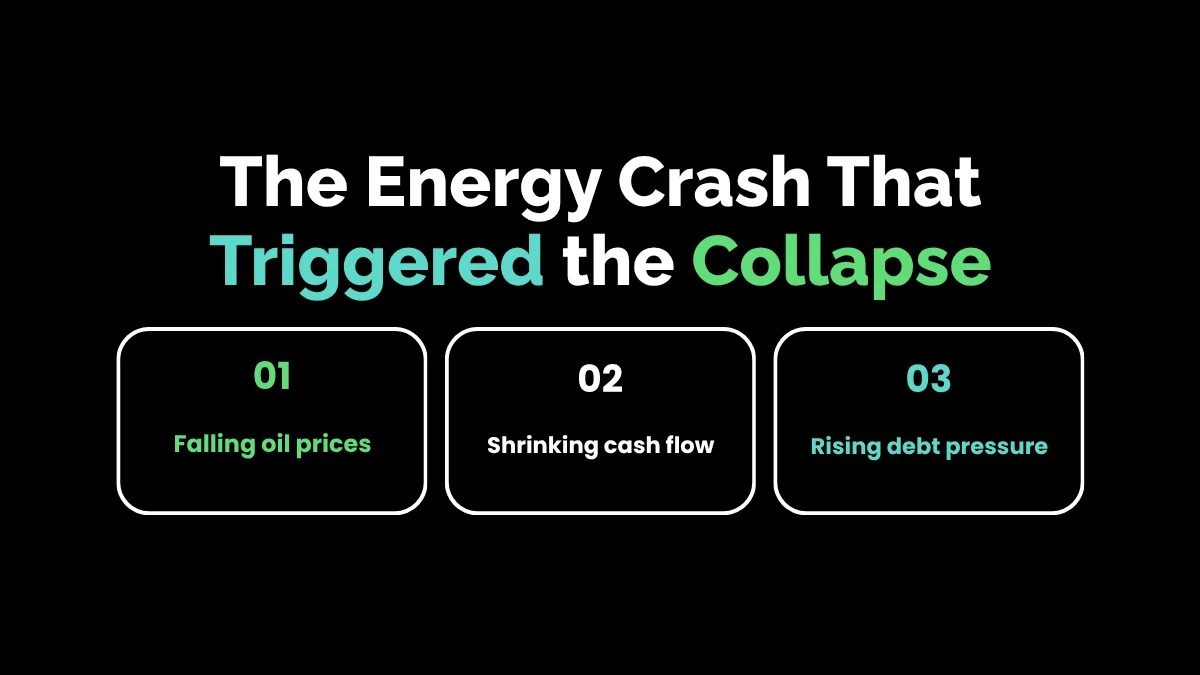
Among the warning signs:
- Cash flow deterioration
- Rising debt pressure
- Missed interest payments
- Credit facility default risk
- Declining investor confidence
Eventually, Atlas skipped a $13.7 million interest payment, signaling major financial distress.
The market reacted quickly.
Confidence disappeared.
The 2016 Bankruptcy Filing
In July 2016, Atlas Resource Partners officially filed for Chapter 11 bankruptcy protection.
The company pursued what is known as a prepackaged restructuring agreement.
The objective was simple.
Reduce debt fast enough to survive.
Under the restructuring plan:
- Approximately $900 million of debt was eliminated
- Senior lenders exchanged debt for ownership equity
- Existing public shareholders lost their ownership position completely
This was devastating for retail investors.
Many individuals holding partnership units saw their investments wiped out entirely.
In bankruptcy restructurings, creditors often receive priority.
Shareholders typically receive nothing.
Atlas proved this brutally.
Why Investors Lost Everything
Many retail investors misunderstood the risks involved.
Because Atlas operated as an MLP, investors focused heavily on income distributions rather than underlying financial stability.
When energy prices collapsed, debt obligations became impossible to sustain.
The restructuring process favored creditors.
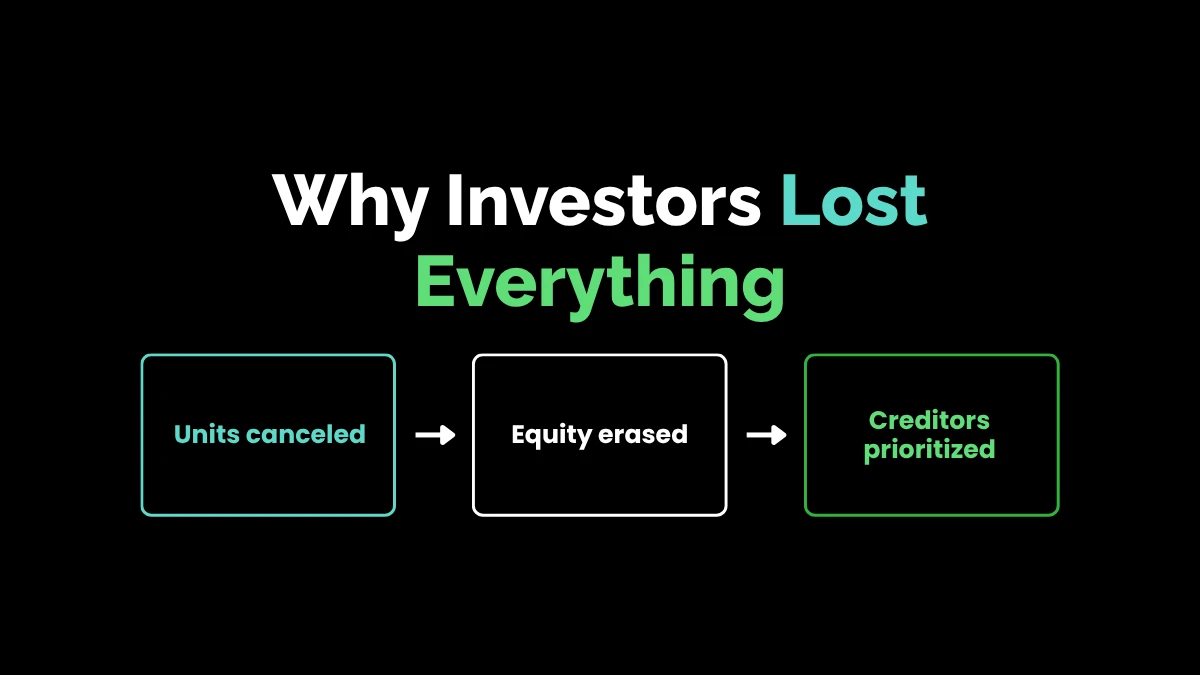
The result:
- Common units canceled
- Preferred units canceled
- Existing investor equity erased completely
Investors who believed the company would recover were left with no financial recovery.
Some investors even faced tax complications related to canceled partnership debt.
Losing capital was only part of the damage.
The Rebirth as Titan Energy
Following bankruptcy restructuring, Atlas officially emerged under a new name.
Titan Energy LLC
The new company no longer operated under the same public ownership structure.
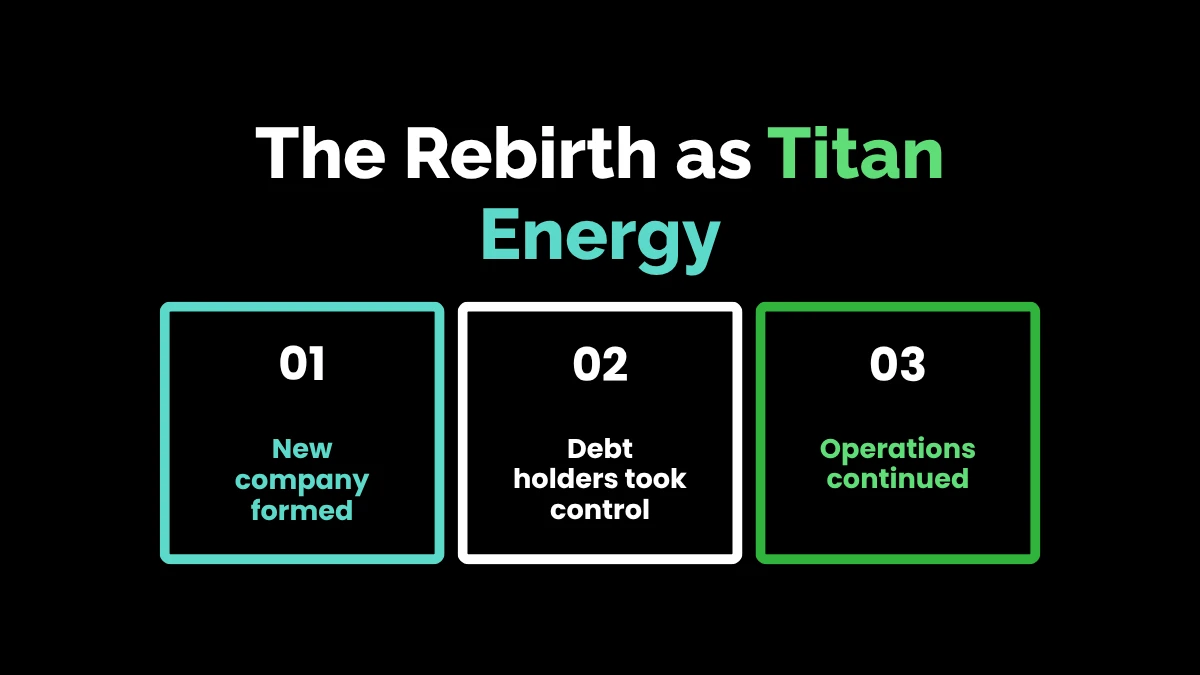
Instead:
- Debt holders became new owners
- Business operations continued under a restructured model
- Remaining assets focused on lower-cost mature production wells
For original investors, however, the story had already ended.
Their ownership disappeared permanently.
The Bigger Business Lesson
Atlas Resource Partners teaches an important lesson about business risk.
Growth fueled by debt often works beautifully during favorable market conditions.
But leverage creates vulnerability.
The moment revenue declines sharply, debt becomes dangerous.
The same principle affects businesses across nearly every industry.
Rapid expansion without financial flexibility can become catastrophic when external conditions change.
Atlas did not fail because the company lacked assets.
It failed because the financial structure became unsustainable.
That distinction matters.
What Investors Should Learn From Atlas
The collapse offers several important lessons.

High Yield Usually Means Higher Risk
Generous distributions often hide underlying financial pressure.
Debt Magnifies Market Shocks
Leverage can accelerate growth.
It can also accelerate collapse.
Industry Cycles Matter
Commodity-driven businesses remain highly vulnerable to market volatility.
Bankruptcy Rarely Protects Equity Holders
When companies restructure, creditors usually recover first.
Retail investors often absorb the biggest losses.
Understanding capital structure matters more than many investors realize.
Final Thoughts
The fall of Atlas Resource Partners remains one of the clearest examples of how quickly financial leverage can destroy a seemingly stable company.
At its peak, Atlas controlled thousands of producing wells and attracted investors searching for reliable income.
But a severe energy downturn exposed a fragile capital structure built around too much debt.
Within a short period, the company entered bankruptcy, erased nearly $900 million in liabilities, and completely wiped out shareholder value.
Business history repeatedly teaches the same lesson.
Growth is exciting.
But growth built on fragile foundations rarely survives difficult markets.
And Atlas Resource Partners became a costly reminder of that reality.