
Key Takeaways
- Full control over private keys for total financial ownership
- Hot wallet vs cold wallet trade-offs between speed and protection
- Reliable wallet backup methods to prevent permanent asset loss
- Ironclad bitcoin security habits to defeat online phishing
- Practical criteria to choose the best bitcoin wallet for your needs
Have you ever wondered where your digital coins actually live when you buy them?
A bitcoin wallet is not like the leather billfold in your pocket, but rather a digital tool that holds your cryptographic credentials.
When you set up a bitcoin wallet, you are obtaining secret mathematical keys that allow you to send, receive, and manage your coins on the blockchain.
A bitcoin wallet is a software or hardware tool that manages private keys to access digital assets on the blockchain. It allows users to control transactions, backup credentials, and maintain self-custody. Users can choose between fast hot wallets or isolated cold wallets depending on their daily security needs and trading volume.
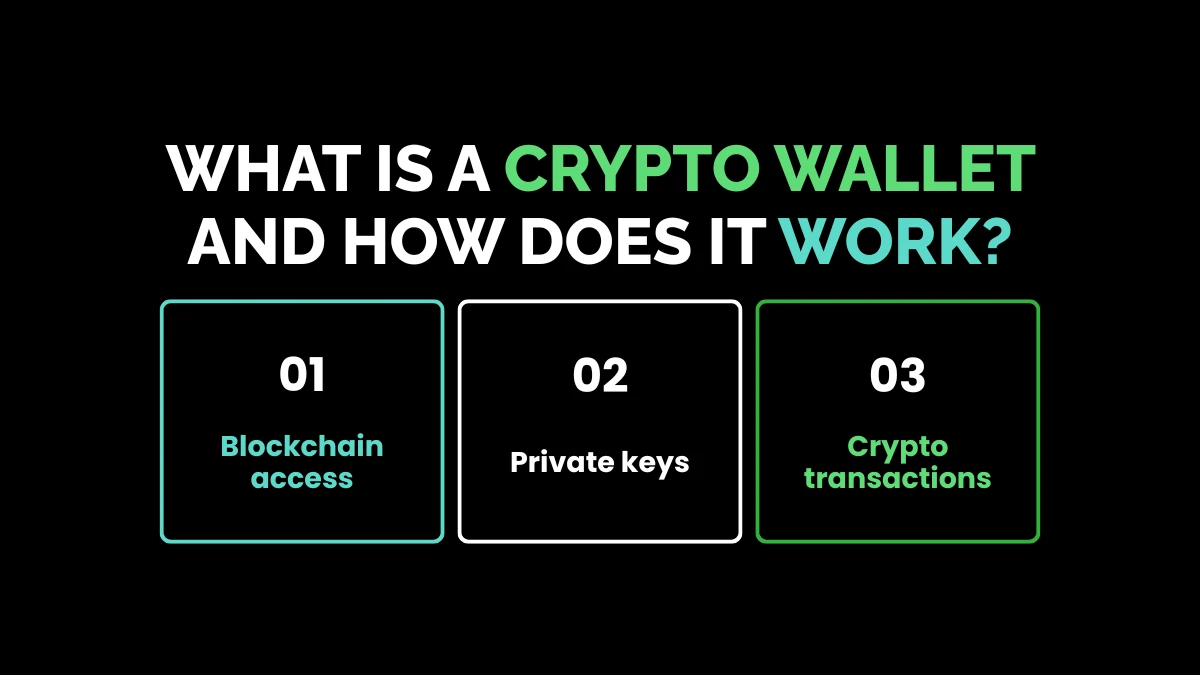
What Is a Crypto Wallet and How Does It Work?
Have you ever mistakenly thought your coins are stored inside your phone app?
In reality, a crypto wallet does not hold actual physical or digital coins inside its internal memory.
All your assets live directly on the public blockchain network.
Your crypto wallet simply manages the cryptographic credentials needed to unlock and transfer those assets.
The Vital Role of Private Keys
Think of your public address like a bank account number that anyone can see.
In contrast, your private keys act like the secret PIN that grants total control over your funds.
If someone gains access to your private keys, they can transfer your funds instantly without your permission.
Keeping your private keys safe is in most cases the most critical rule in crypto storage.
Understanding the Self-Custody Wallet Advantage
Why leave your money on a centralized exchange when you can own it outright?
A self-custody wallet gives you total personal ownership without relying on third parties.
Using a self-custody wallet means no company can freeze your account or restrict your transfers.
At Weird Wealth, we believe a self-custody wallet is essential for true digital freedom.
Holding your private keys ensures that your crypto storage remains completely in your hands.
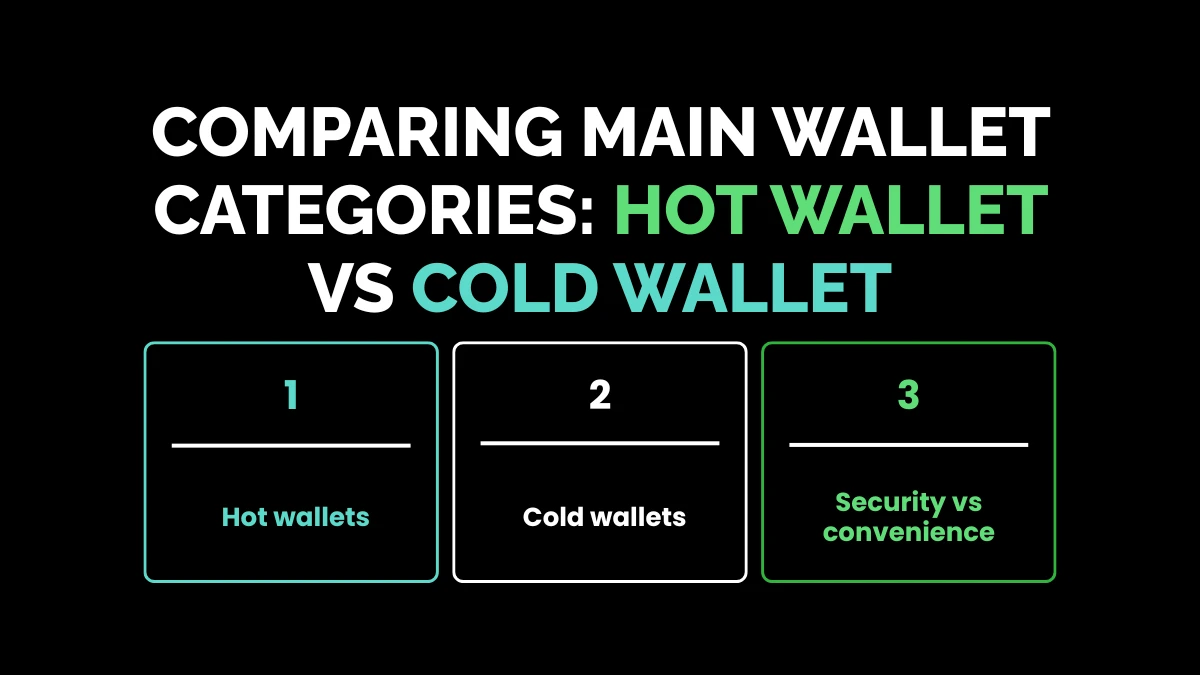
Comparing Main Wallet Categories: Hot Wallet vs Cold Wallet
Are you trying to figure out which setup fits your daily routine best?
Understanding the hot wallet vs cold wallet debate comes down to convenience versus absolute protection.
Let’s break down how these two storage methods operate in everyday life.
Software Wallet Options (Hot Wallets)
A software wallet runs directly on your smartphone, computer, or web browser.
Because a software wallet stays connected to the internet, sending coins takes only a few taps.
However, a software wallet is inherently exposed to online malware and phishing risks.
It serves as a convenient hot wallet for spending small amounts during daily activities.
Hardware Wallet Solutions (Cold Wallets)
A hardware wallet is a physical electronic device built specifically to store secrets offline.
When you sign a transaction, your hardware wallet keeps keys isolated from internet threats.
This offline design makes a hardware wallet the safest choice for long-term holdings.
Choosing a cold wallet ensures your main wealth remains isolated from browser exploits.
- Hot wallets offer rapid access for daily trading and Web3 interaction.
- Cold wallets keep private keys offline on dedicated security chips.
- A software wallet works great as spending money in your everyday pocket.
- A hardware wallet acts like a heavy steel vault inside your home.
Hot Wallet vs Cold Wallet Feature Comparison
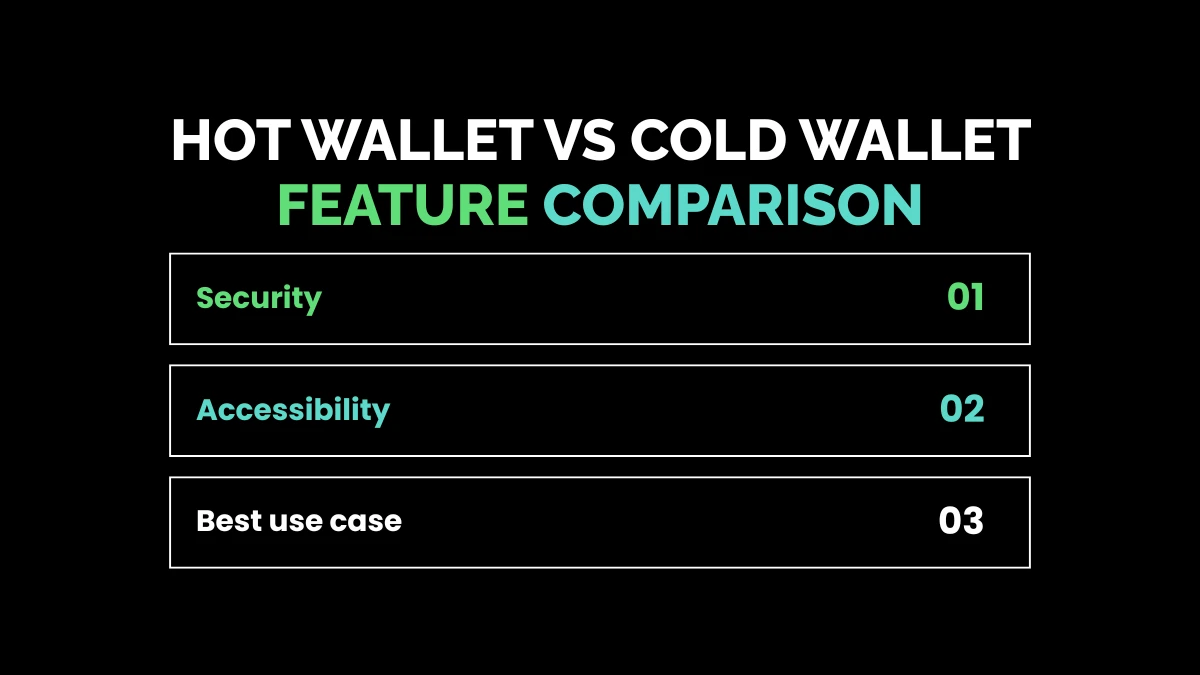
To help you decide, let’s compare these storage choices side by side.
| Feature | Software Wallet (Hot) | Hardware Wallet (Cold) |
| Internet Connection | Always connected | Offline / Air-gapped |
| Security Level | Moderate protection | Maximum isolation |
| Setup Cost | Generally free | Physical device cost |
| Best Use Case | Small daily trades | Long-term holdings |
| Primary Risk | Online malware & phishing | Physical device loss |
Crucial Bitcoin Security Practices You Must Follow
What good is a giant fortune if your digital front door is left unlocked?
Solid bitcoin security starts with forming consistent defensive habits every single day.
Without strict standards, even the best hardware wallet cannot save you from tricks.
Master Your Wallet Backup Strategy
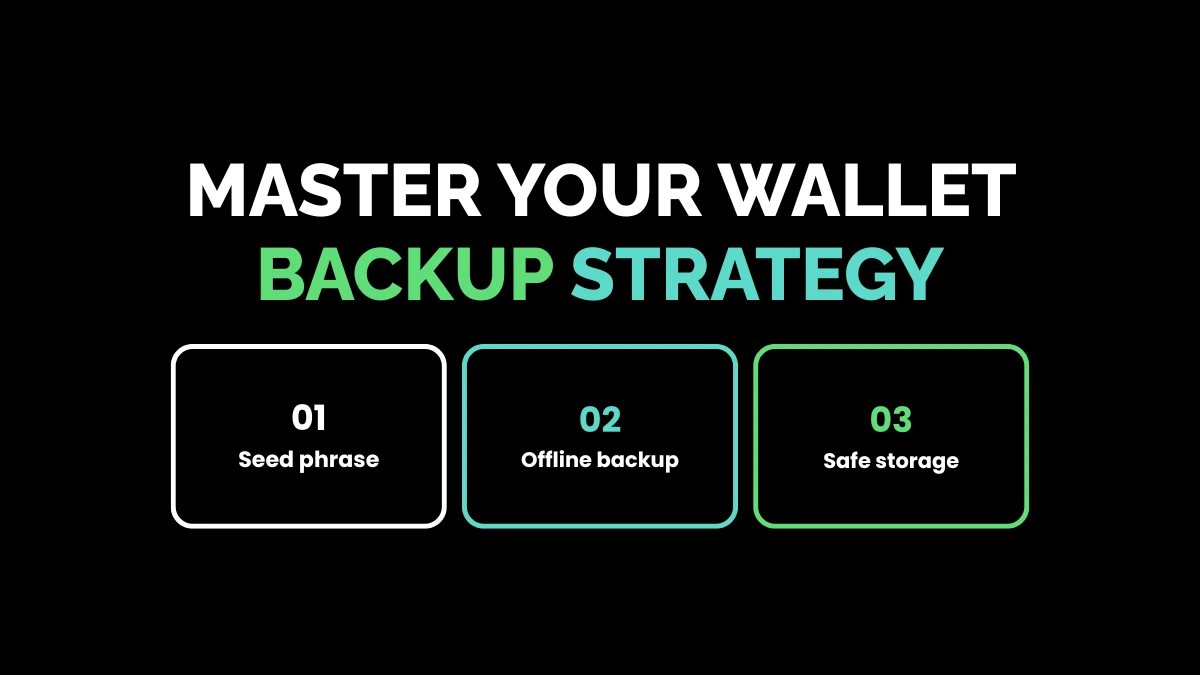
When setting up your system, you will receive a seed phrase of 12 or 24 words.
This phrase is your master wallet backup if your phone or hardware breaks.
Never store your wallet backup in a computer text file, email, or cloud folder.
Write it down on paper or stamp it into metal, then hide it securely.
Protect Your Private Keys from Phishing
Hackers in most cases try to trick you into typing your keys on fake websites.
Legitimate crypto wallet apps will never ask for your recovery phrase via online chat.
Always verify web URLs before connecting your software wallet to any new app.
Practicing disciplined bitcoin security keeps bad actors from stealing your hard-earned funds.
How to Choose the Best Bitcoin Wallet for Your Needs
Are you feeling overwhelmed by all the choices currently available?
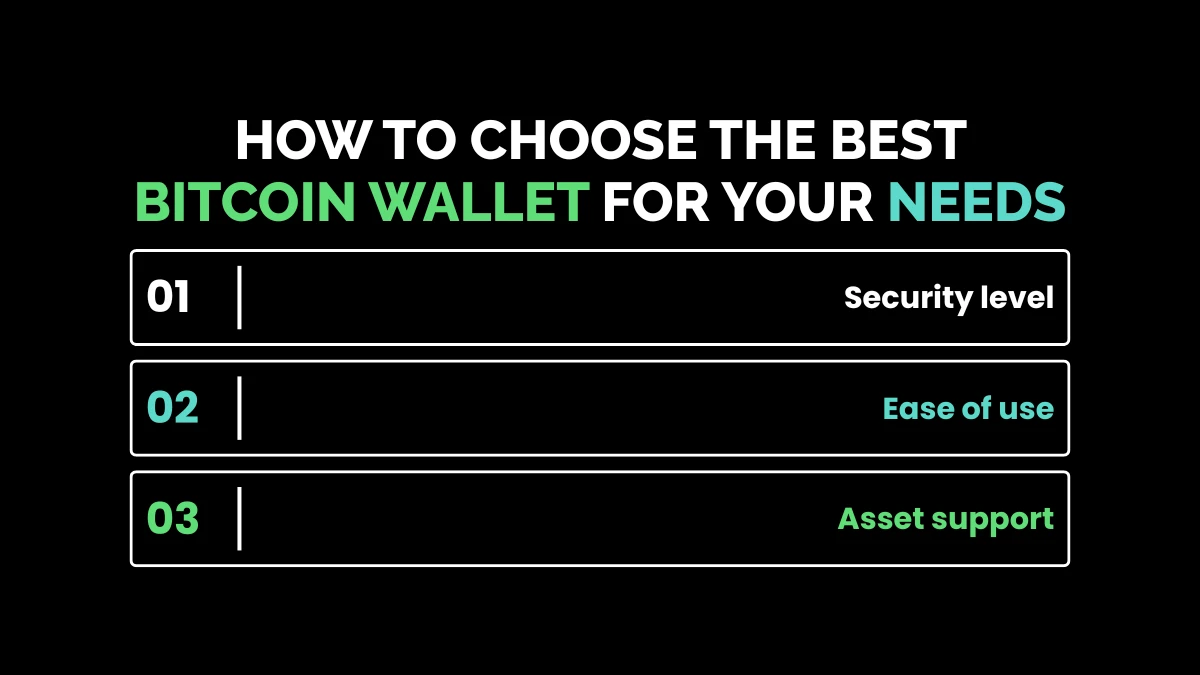
Picking the best bitcoin wallet depends entirely on your personal goals and habits.
We at Weird Wealth suggest evaluating a few clear criteria before making your final pick.
- Security Requirements: Decide if you need offline hardware wallet protection.
- Ease of Use: Ensure the software wallet interface feels intuitive for you.
- Backup Features: Verify that wallet backup procedures are simple to execute.
- Multi-Chain Needs: Select a crypto wallet that supports all your desired coins.
- Custody Type: Always select a self-custody wallet for full asset control.
Long-Term Crypto Storage Best Practices
How do smart investors keep their assets safe year after year?
The answer lies in combining different storage types based on asset amounts.
Generally, estimated guidelines suggest keeping only spending money in a software wallet.
The bulk of your savings should live safely inside a self-custody wallet backed by offline hardware.
Updating your device firmware regularly ensures your hardware wallet stays protected against new exploits.
Double-check receiving addresses character by character every time you send funds.
Maintaining smart crypto storage habits eliminates single points of failure across your portfolio.
With strong bitcoin security, you can sleep soundly knowing your financial future is secure.
Conclusion
Taking control of your digital wealth starts with picking the right bitcoin wallet.
Whether you prefer a convenient software wallet or a rugged hardware wallet, holding your private keys gives you real ownership.
By following simple bitcoin security rules and keeping a safe wallet backup, you build an unshakeable setup.
Start small, test your transfers, and enjoy the peace of mind that true self-custody brings.