
A budget shouldn’t make your life feel like one long list of things you’re not allowed to buy. It should help you pay your bills on time and save for things that matter without wondering where your paycheck went.
The budgeting tips below focus on habits people can actually use: tracking spending, planning for bills, setting limits and making saving easier. They draw on practical guidance from the Consumer Financial Protection Bureau (CFPB) and the FDIC. These aren’t claims of a personal test or a guarantee that every tip will work for everyone. The best budget is the one you can keep using.
Key Takeaways
- Track your spending before making big changes.
- Build your budget around your actual income and bills.
- Save a small amount regularly instead of waiting for extra money.
- Give yourself some spending money so your plan feels realistic.
- Review your budget every month and adjust when life changes.
25 Budgeting Tips That Actually Work
Start With Your Money
1. Track every expense for one month
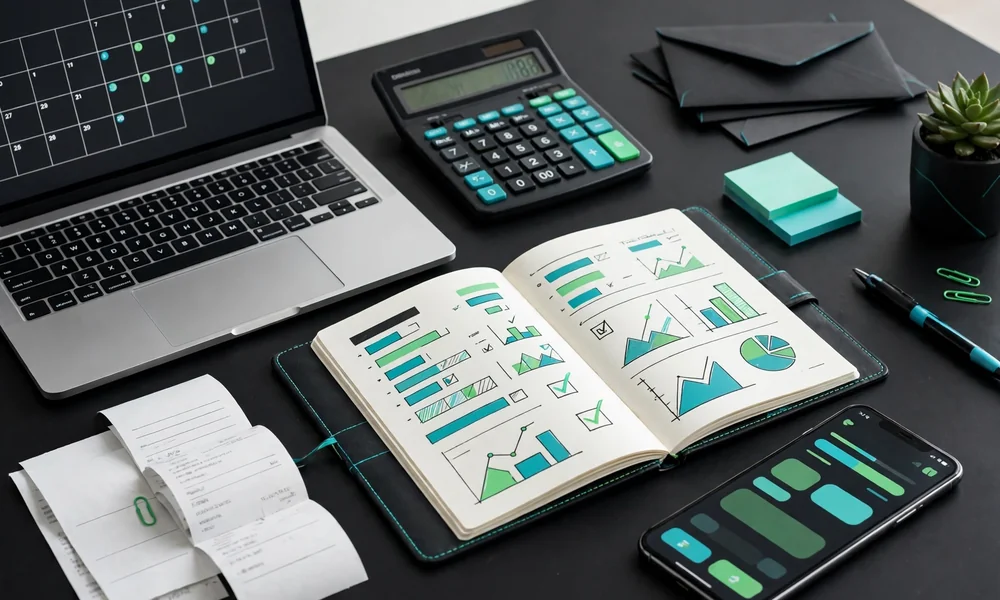
Before cutting costs, you need to know where your money goes. Write down everything you spend for a month. Include groceries and bills as well as small purchases like snacks and delivery fees.
You may find that a few small expenses take more money than you expected. That gives you a real starting point instead of making random cuts.
2. Build your budget around take-home pay
Use the money that actually reaches your bank account after taxes and deductions. Don’t build your monthly budget around your salary before deductions because that money isn’t available to spend.
If your income changes each month use a cautious estimate based on your recent earnings. This helps you avoid planning around money that may not arrive.
3. Separate needs from wants
Rent and basic groceries are needs. Takeout and extra shopping are usually wants. The difference isn’t always perfect but sorting expenses into these groups helps you see where changes are possible.
Don’t label every enjoyable purchase as a mistake. A budget should leave room for things you enjoy too.
4. Choose a budgeting method you can follow
The 50/30/20 rule is one starting point. It suggests using 50% of take-home income for needs 30% for wants and 20% for savings and debt payments.
Those percentages won’t fit every household. If rent and food already take most of your income use a different split that reflects your real costs.
5. Give every dollar a purpose
Zero-based budgeting means assigning your expected income to bills savings debt payments and spending until nothing is left unplanned. It doesn’t mean you must spend every dollar.
For example if you bring home $3,000 you could assign all $3,000 to your monthly needs and goals. This makes it easier to notice money that has no clear job.
Make Everyday Spending Easier to Control
6. Set a weekly spending limit
Monthly budgets can feel too broad. Divide your flexible spending money into weekly amounts so you know what is available before the weekend arrives.
If you have $240 for eating out and small purchases, you could set a $60 weekly limit. Adjust it when a special event or unexpected cost comes up.
7. Try the cash envelope method
Put cash into separate envelopes for categories such as groceries and entertainment. When an envelope is empty, you stop spending in that category until the next budget period.
You can use separate digital accounts or spending categories if you rarely carry cash. The point is to make your limit visible.
8. Plan meals before grocery shopping
Check your fridge and cupboards before writing a shopping list. Plan a few meals around what you already have and buy only the missing items.
This reduces duplicate purchases and food waste. It also makes it easier to avoid expensive last-minute meals.
9. Compare prices before buying
A discount doesn’t automatically make something a good deal. Compare the price per unit and check whether you actually need the item.
For bigger purchases, take time to compare several sellers. A little patience can prevent an expensive impulse decision.
10. Use a 24-hour pause for nonessential purchases
When you want something that isn’t urgent wait a day before buying it. For larger purchases give yourself even more time.
You may still decide to buy it. The pause simply gives you a chance to check whether it fits your budget rather than letting the moment decide.
11. Review subscriptions every month
Streaming services and app memberships can quietly take money from your account. Check your bank statement and list every recurring payment.
Cancel services you no longer use. If you share a plan with family make sure everyone agrees before changing it.
12. Set a limit for eating out
You don’t have to stop visiting restaurants to save money. Decide how much you can spend on takeout and dining each month before making plans.
When that amount is used, try cooking at home until the next budget period. This keeps social spending from taking money meant for bills.
Make Saving Part of the Plan
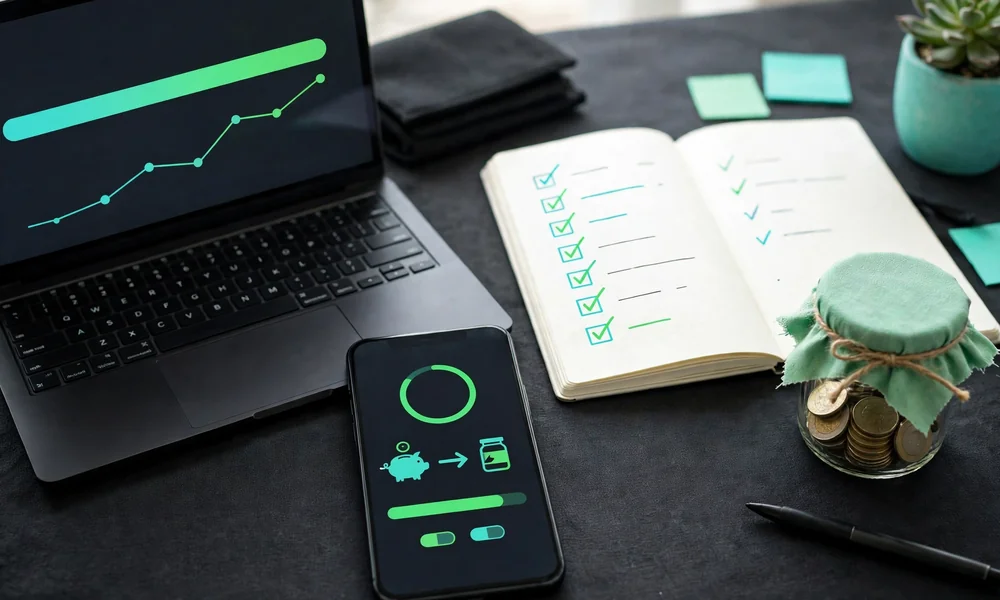
13. Pay yourself first
Move money into savings when your income arrives rather than waiting to see what remains at the end of the month. Even a small transfer gives saving a regular place in your budget. The FDIC’s savings guidance also explains why building a regular savings habit can help prepare for unexpected expenses.
Start with an amount you can manage. You can increase it when your income grows or expenses fall. For more practical ideas, explore the CFPB’s emergency savings guide.
14. Automate your savings
Set up a recurring transfer from checking to savings after payday. This removes the need to remember the transfer every month.
Check your balance before the transfer date so you don’t create an overdraft. The CFPB also recommends automatic savings as a practical way to build consistency.
15. Start an emergency fund
Unexpected car repairs or medical bills can push you into debt if you have no money set aside. Start with a small target such as $500 or $1,000 if that feels manageable.
Build it gradually as your budget allows. Over time you can work toward several months of essential expenses.
16. Create separate savings goals
Keep money for emergencies separate from money for holidays or a new phone. When every goal has its own place you can see what you’ve saved and avoid using one fund for everything.
You don’t need several bank accounts if that creates fees or extra work. Separate categories in a budgeting app or spreadsheet can also help.
17. Save part of unexpected income
A tax refund or work bonus can disappear quickly when it isn’t planned for. Decide in advance how much will go toward savings debt and spending.
You can still enjoy some of the money. The goal is to use the extra income with a plan rather than letting it vanish.
Make Your Bills and Debt More Manageable

18. Put bill due dates on a calendar
Late payments can create fees and stress. Add due dates to your phone calendar and set reminders a few days before each bill is due.
If your paydays don’t line up with your bills ask service providers whether they can change your due dates. Some may offer flexible payment dates.
19. Plan for expenses that don’t happen monthly
Car insurance annual fees school supplies and holiday spending can catch people off guard. Divide the expected cost by the number of months before it is due.
If an annual bill costs $600 set aside $50 each month. When the bill arrives the money is already waiting.
20. Pay more than the minimum on high-interest debt
Minimum payments help keep an account current but they may not reduce expensive debt quickly. When your essential bills are covered direct extra money toward a debt with a high interest rate.
Keep making the required minimum payments on other debts. If you’re struggling to make payments contact your lender and ask about available options.
21. Check your bank statements for fees
Look for monthly account charges ATM fees overdraft fees and other costs. Small charges can add up when they happen regularly.
Our guide to banking fees many customers overlook explains what to check and how to question charges you don’t understand.
22. Review your bank account options
Your current account may not be the best fit anymore. Compare monthly fees minimum balance rules ATM access and transfer costs before switching.
You can explore our guide to neobanks and their fees to understand how digital banking options differ. Always check the account terms before moving your money.
Keep Your Budget Working
23. Check your budget once a week
A budget isn’t something you create and forget. Spend ten minutes each week checking your balances upcoming bills and recent purchases.
If one category is running over its limit make a small adjustment. Catching the problem early is easier than fixing it at the end of the month.
24. Prepare for payday before it arrives
Decide where your next paycheck needs to go before you receive it. List bills savings debt payments and flexible spending in order of priority.
If you receive your pay early through your bank remember that early access depends on the bank and payment processing. Our guide to banks with early direct deposit explains how this feature works.
25. Change your budget when life changes
A budget that worked last year may not work after a move or a change in income. Review it when rent changes when a new bill appears or when your family needs shift.
Don’t treat an adjustment as failure. A useful budget should change with your life.
How Can You Make a Budget Easier to Maintain?
Start with three simple actions this week:
- Write down your income and regular bills.
- Track your everyday spending for seven days.
- Choose one small amount to move into savings.
You don’t need an expensive app or a complicated spreadsheet. A notebook or basic phone notes can work if you use them regularly.
Frequently Asked Questions
What is the easiest way to start budgeting?
Write down your take-home income and regular expenses first. Then track everyday spending for a few weeks so you can build a plan around real numbers.
What is the 50/30/20 budgeting rule?
It is a budgeting guide that divides take-home income into 50% for needs 30% for wants and 20% for savings and debt payments. You can adjust the percentages when your living costs make that split unrealistic.
How much money should I save each month?
There isn’t one amount that works for everyone. Start with what you can afford after essential bills and minimum debt payments. Increase it when your budget allows.
How can I budget when my income changes every month?
Use a cautious income estimate based on your recent earnings. Prioritize housing food utilities and other essential bills. When you earn more than expected use the extra money for savings or debt.
Do budgeting apps really help?
They can help you track spending and see where your money goes. But an app won’t fix a budget by itself. Choose a simple tool you understand and check it regularly.
Final Thoughts
Good budgeting isn’t about getting every number right. It’s about knowing what comes in and what goes out then making choices before the money disappears.
Try a few of these 25 budgeting tips instead of changing everything at once. Keep the habits that make your life easier and adjust the ones that don’t. At WeirdWealth our goal is to make money management easier to understand and more practical for everyday life.
Disclaimer: This article is for general educational purposes only. It does not provide personalized financial or investment advice. Budgeting methods and savings goals should reflect your income and personal circumstances. Consider speaking with a qualified financial professional if you need help with debt or complex financial decisions.