
Key Takeaways
-
Bird Flu Waves: Repeated avian influenza outbreaks continue to sharply reduce the global laying hen population.
-
Skyrocketing Farm Inputs: Higher supply chain expenses for chicken feed, farm labor, and distribution keep shelf prices high.
-
New Welfare Rules: Transitioning farms to comply with stricter cage-free space mandates has increased production overhead.
-
Market Vulnerability: Egg prices 2026 remain highly sensitive to seasonal wild bird migrations and regional disease spikes.
Have you looked at your grocery receipt lately and done a double-take at the dairy aisle?
If you find yourself staring at the grocery shelf wondering why a dozen eggs feels more like a luxury purchase than a basic staple, you are definitely not alone.
It feels like just yesterday we could grab breakfast essentials without looking at the price tag.
Lately, checking the current cost of dozen eggs has become an exercise in budget discipline.
The direct answer comes down to a perfect storm hitting commercial farms.
Persistent waves of avian influenza (bird flu), rising operational costs for farmers, and strict new animal welfare regulations have altered how farms operate.
At Weirdwealth, we believe understanding where your hard-earned money goes is the first step to smart financial management.
Let’s break down exactly what is happening behind the scenes of your morning breakfast.
AI Overview
The high retail cost of a dozen eggs in 2026 is driven by structural supply shortages and elevated production expenses. Recurrent outbreaks of highly pathogenic avian influenza (HPAI) have significantly thinned out national laying flocks, forcing mass culling across major commercial farms. Combined with expensive chicken feed, high labor wages, and the capital-heavy transition to new cage-free housing regulations, farmers are facing unprecedented overhead costs. These combined factors create volatile wholesale conditions, explaining why are eggs so expensive for the average everyday shopper.
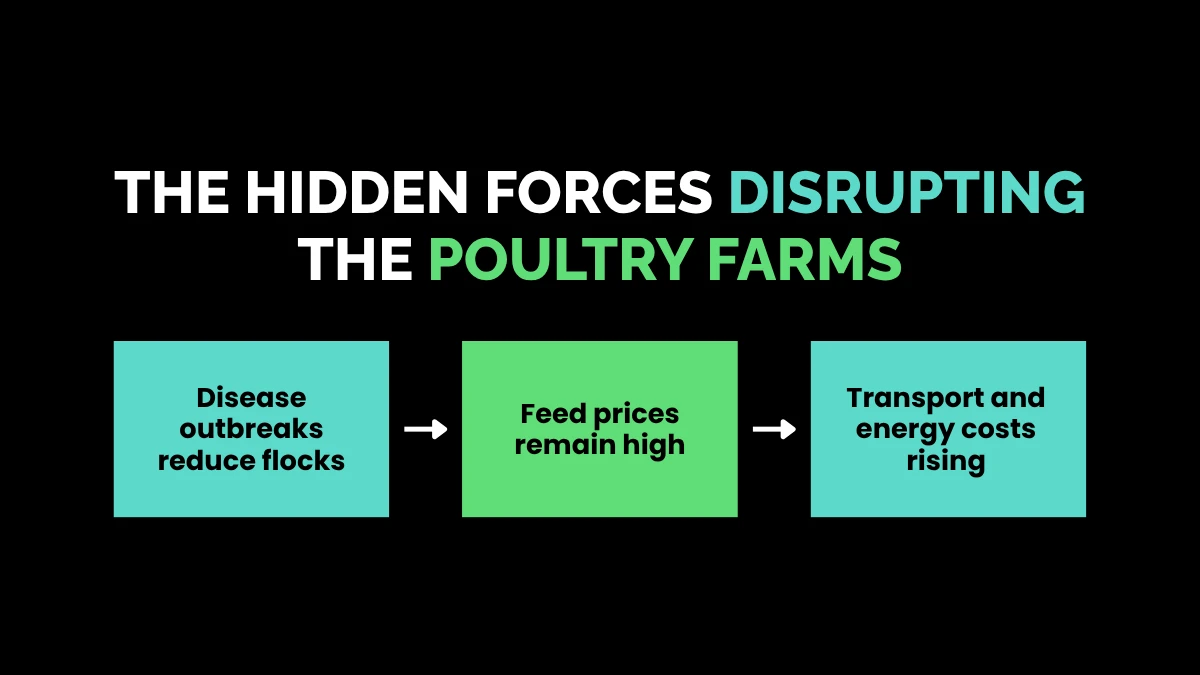
The Hidden Forces Disrupting the Poultry Farms
To truly understand the complex egg prices 2026 is throwing our way, we have to look past the grocery store shelves.
We need to peer into the actual barns.
It is easy to assume that grocery stores are just padding their pockets.
However, based on available data, the root issues start much earlier in the supply chain.
If you are tracking the current cost of dozen eggs, you need to understand the biological and economic forces hitting agricultural producers.
The Endless Battle Against Bird Flu
The single biggest disruptor of the market over the last few years has been avian influenza.
This is not a one-time headline from the past; it is a recurring seasonal crisis.
When wild birds migrate during the spring and fall, they pass viruses down to commercial poultry farms.
For shoppers continuously questioning why are eggs so expensive, the solution always points back to these migratory patterns.
Once a single bird in a commercial flock tests positive, federal safety rules generally require the entire facility to cull its flock.
This extreme measure is necessary to prevent a catastrophic regional spread.
Over the past few years, tens of millions of egg-laying hens have been lost.
Replacing these birds takes roughly five months for a chick to mature into a stable layer.
This leaves a prolonged supply gap that spikes the current cost of dozen eggs.
This is why a premium carton or even standard conventional egg brands feel so completely out of reach.
Feeding and Housing the Flocks
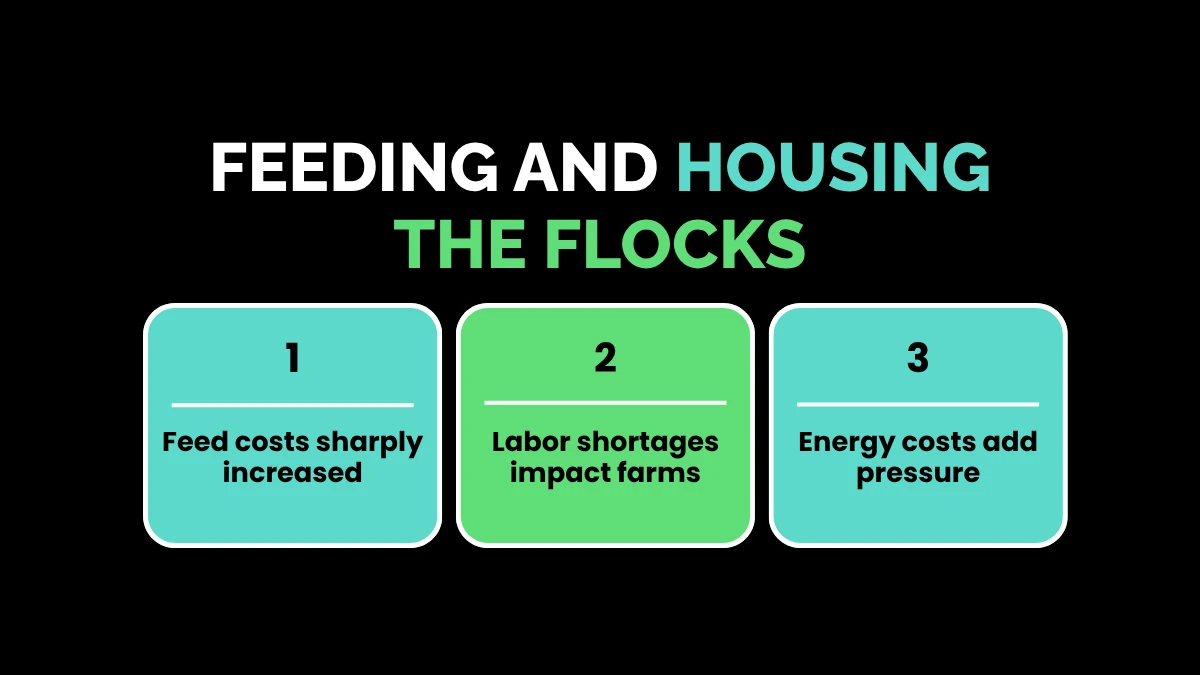
Even when farms manage to keep their flocks safe from disease, keeping those birds fed and housed has become significantly more expensive.
The basic inputs required to run a commercial poultry farm have climbed across the board.
This updates and fundamentally elevates the base price for a standard dozen eggs.
| Farm Input Category | Impact on Production Costs | Primary Economic Driver |
| Chicken Feed | Highly elevated | High cost of corn and soybean meal |
| Farm Labor | Up estimated 15-20% | Structural labor shortages and higher wages |
| Transportation | Moderate to high fluctuation | Fuel volatility and specialized refrigerated freight |
| Energy & Utilities | Upwards pressure | Strict climate control needs for massive barns |
When feed and energy costs jump, it creates an immediate baseline increase for the final product.
Farmers cannot simply absorb these losses, which directly answers why are eggs so expensive when you check out at the cash register.
Here at Weirdwealth, we closely monitor these underlying commodity shifts because they impact your wallet long before you notice them in your local store.
The current cost of dozen eggs reflects these operational realities.
Policy Changes and Market Shifts
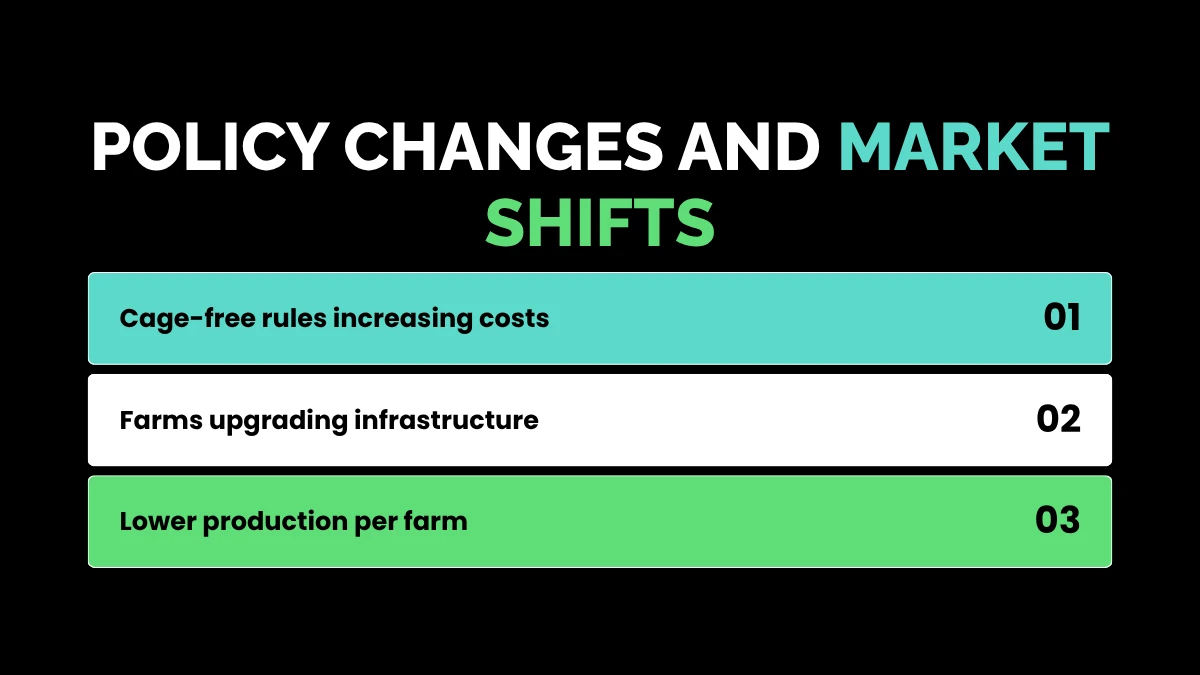
Beyond the immediate biological and inflationary factors, structural changes in the agricultural industry are fundamentally reshaping production.
These forces dictate how a dozen eggs is produced and sold across the nation.
Stricter Welfare Regulations Take Effect
In recent years, government bodies and consumer advocate groups have pushed for improved animal welfare standards.
New regulations in various regions have mandated an expansion of the minimum breeding area required per hen.
While moving away from cramped, traditional cages to more spacious setups is a positive step, implementing these transitions is incredibly capital-intensive.
This structural shift directly influences egg prices 2026 trends.
Farms have had to completely redesign their facilities.
Many had to reduce their total bird capacity to meet space rules, or invest heavily in multi-tiered housing systems.
In most cases, these structural adjustments mean fewer eggs are produced per square foot of real estate.
This pushes up the baseline wholesale price across the entire industry.
When looking deeply at why are eggs so expensive, we have to account for these massive infrastructure upgrades.
The Ripple Effect on Local Businesses
This pricing pressure does not stop with home cooks making weekend omelets.
The current cost of dozen eggs creates a massive financial headache for local bakeries, diners, and food manufacturers.
-
Baking Margins: Eggs provide structure and moisture in baked goods. Commercial bakeries are seeing egg components jump from a minor line item to a major percentage of their overall recipe costs.
-
Menu Adjustments: Your favorite local breakfast spot has likely adjusted its menu, added small breakfast surcharges, or substituted alternative ingredients where possible to keep doors open.
-
Supply Limits: In certain hard-hit areas, some regional supermarkets have temporarily placed purchasing limits per customer to prevent local commercial kitchens from clearing out consumer shelves.
Tracking the Numbers: Historical Price Comparisons
To put the current situation into context, it helps to look at how dramatically the market has shifted over time.
The egg prices 2026 features look vastly different from what we considered normal less than a decade ago.
Every time you pick up a dozen eggs, you are interacting with a heavily altered commodity landscape.
| Year | Estimated Average Cost (Large Grade A, Per Dozen) | Market Condition |
| 2019 | $1.20 | Standard Baseline |
| 2022 | $2.86 | Initial Supply Disruptions |
| 2024 | $3.00 | Sustained Market Inflation |
| 2025 | $4.50+ | Peak Shortage |
| 2026 | $2.50 – $3.80 | Highly Volatile |
As shown above, the market has entered an era of sharp volatility.
While prices occasionally dip when a region successfully rebuilds its flocks, any sudden new disease detection instantly reverses those gains.
This volatility drives the current cost of dozen eggs right back up.
Tracking the fluctuating egg prices 2026 brings highlights just how fragile our agricultural baseline remains.
Smart Shopping Tips: Navigating the Dairy Aisle
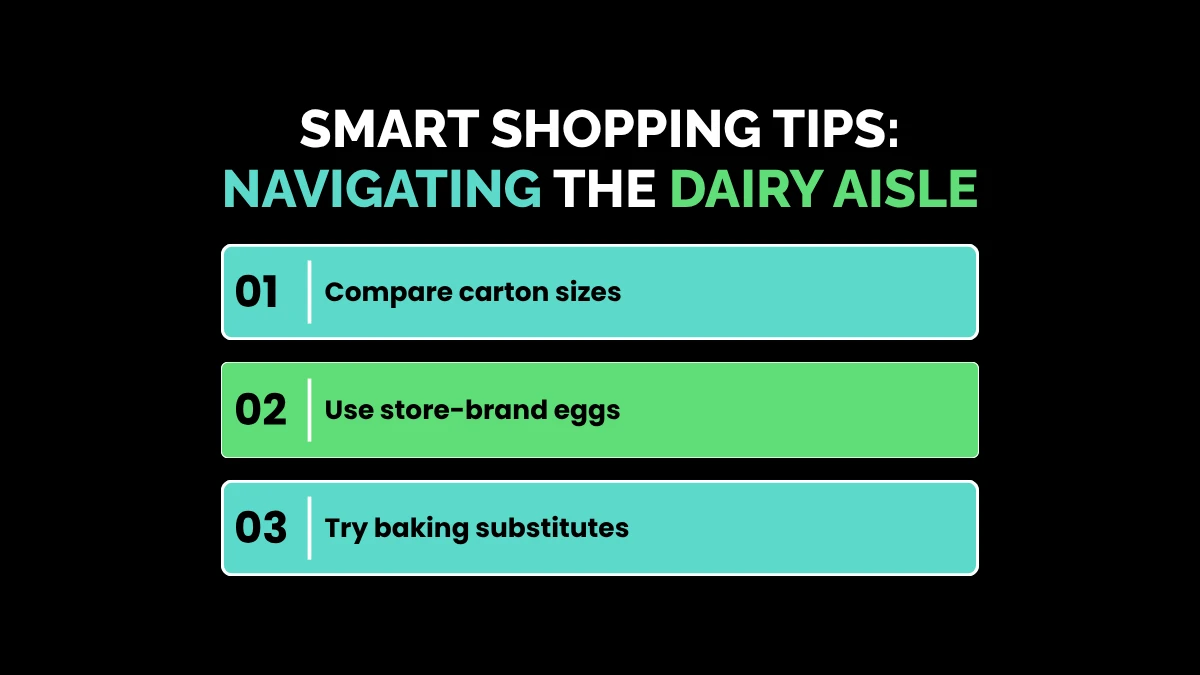
While we cannot fix global supply chains or cure the bird flu overnight, there are practical steps you can take.
You can actively manage your personal household budget when faced with volatile prices.
Minimizing the impact of the current cost of dozen eggs requires a proactive approach to household budgeting.
How to Save on Your Weekly Grocery Run
-
Compare Sizes Liberally: Sometimes a carton of medium or extra-large eggs offers a significantly better price-per-ounce value than the standard large size depending on what inventory local distributors are trying to move.
-
Track Regional Store Brands: Big-box grocery chains often have direct, long-term contracts with major regional suppliers, allowing them to keep their private-label prices slightly more stable than independent brands.
-
Explore Plant-Based Alternatives for Baking: If you are baking cakes, muffins, or quick breads, ingredients like applesauce, mashed bananas, or ground flaxseed mixed with water can substitute beautifully, saving your fresh carton for direct breakfast meals.
Adjusting our shopping habits is exactly what Weirdwealth is all about.
We focus on finding practical, clever workarounds to protect your bank account when macroeconomic shifts try to drain it.
By modifying how we shop, we can absorb the impact of the high egg prices 2026 presents without fully abandoning our favorite meals.
Conclusion
Navigating the grocery aisles right now requires a bit of patience and strategic planning.
The high price tag attached to a dozen eggs is a complex mix of environmental challenges, disease pressure, and evolving industry standards.
While we may not see a return to the ultra-cheap grocery bills of the past, staying informed about these economic shifts allows us to adapt.
We can modify our shopping strategies, protect our budgets, and make smart financial decisions every single day.
Frequently Asked Questions
Why are eggs so expensive right now?
Egg prices are driven up by bird flu outbreaks that destroy chicken flocks, alongside high feed and labor costs.
What is the current cost of dozen eggs in 2026?
Prices generally fluctuate between $2.50 and $3.80 per dozen, depending on your region and specific store.
Will egg prices 2026 drop permanently soon?
A permanent drop is unlikely due to ongoing biosecurity upgrades and strict cage-free housing regulations nationwide.
Are premium varieties cheaper than a standard dozen eggs?
No, premium options face the same bird flu risks and carry higher baseline infrastructure costs.