
Yes, you can get paid to play video games, but playing games casually is rarely the thing that generates the money.
Gamers can earn through competitive gaming, streaming, content creation, game testing, coaching, tournaments, freelance gaming work, and building businesses around gaming communities.
Some routes can produce meaningful income. Others are better treated as occasional side money or a way to build experience.
The important distinction is simple:
You’re usually not paid merely for playing. You’re paid for the skill, entertainment, feedback, audience, or expertise connected to your gaming.
That’s what makes gaming an interesting subject for Weird Wealth, where unconventional interests are examined as potential income opportunities rather than automatically treated as get-rich-quick schemes.
Can You Really Get Paid to Play Video Games?
Yes. There are several legitimate ways gaming can become an income source.
Depending on your skills and audience, you could potentially make money through:
- Game streaming
- YouTube gaming content
- Competitive gaming
- Tournaments
- Game testing
- Gaming coaching
- Guides and tutorials
- Gaming communities
- Freelance gaming services
- Sponsorships
- Advertising
- Affiliate marketing
The best option depends heavily on what you’re actually good at. Someone with exceptional competitive skills has a different opportunity from someone who’s entertaining on camera. Someone who understands game mechanics deeply may be better suited to guides or coaching.
1. Stream Yourself Playing Games
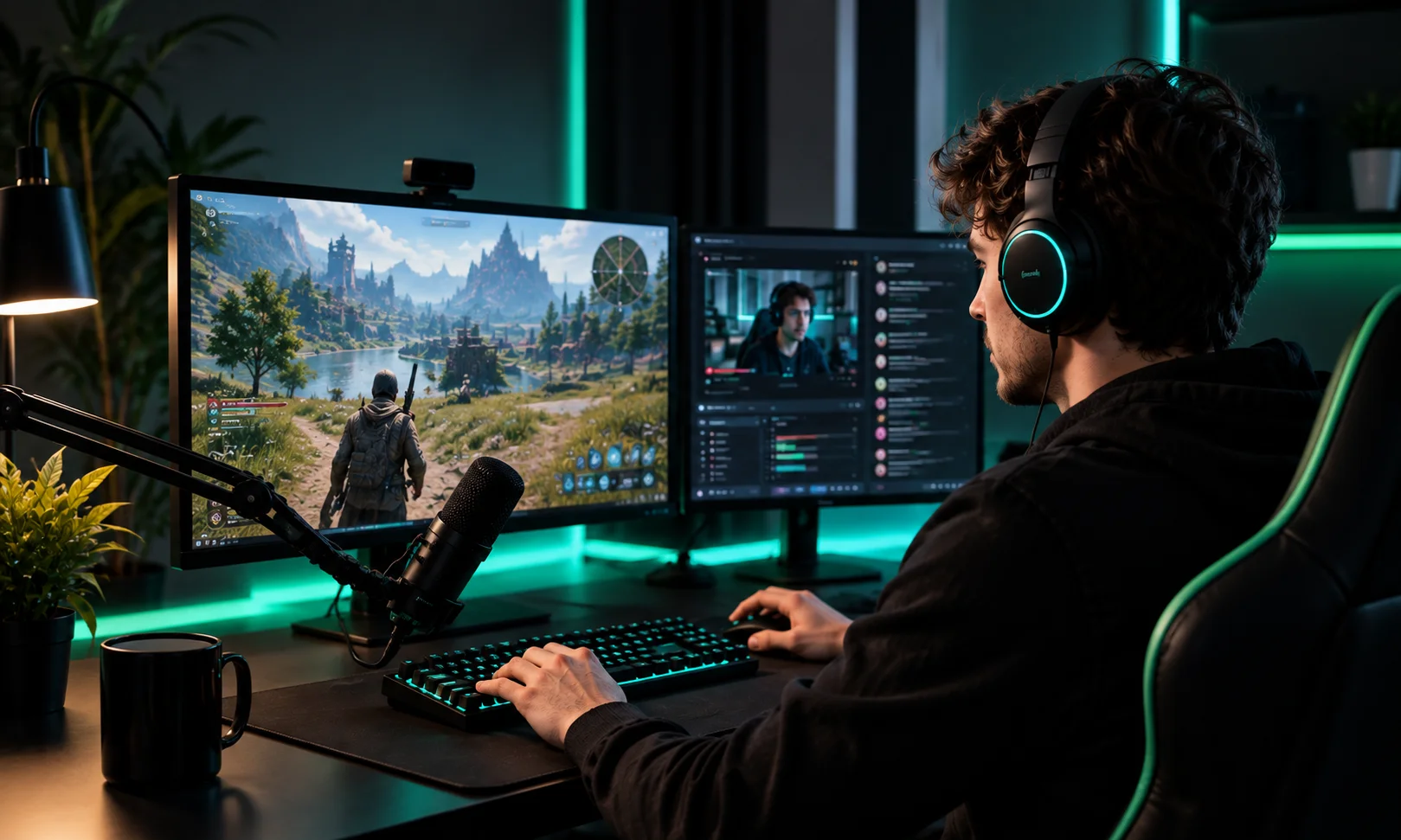
Streaming is one of the most obvious ways to monetize gaming. A creator can broadcast gameplay while interacting with an audience.
Depending on the platform and eligibility requirements, potential revenue sources can include:
- Advertising
- Viewer subscriptions
- Donations or tips
- Sponsorships
- Affiliate partnerships
- Merchandise
The important part is the audience. People don’t necessarily watch because you’re playing a particular game.
They may watch because you’re:
- Funny
- Highly skilled
- Informative
- Competitive
- Entertaining
- Relaxing to watch
- Good at explaining games
Simply turning on a camera and playing for several hours isn’t a business model by itself.
2. Make Gaming Videos
You don’t have to livestream. Recorded gaming content can reach people long after you create it.
Examples include:
- Tutorials
- Walkthroughs
- Strategy guides
- Reviews
- Game comparisons
- Challenge videos
- Beginner guides
- Lore explanations
- Build guides
- Gaming news
A useful video answers a question.
For example:
“How do I beat this boss?”
“What build should I use?”
“Is this game worth buying?”
“How does this mechanic actually work?”
That makes search-driven gaming content particularly useful.
3. Become a Game Tester
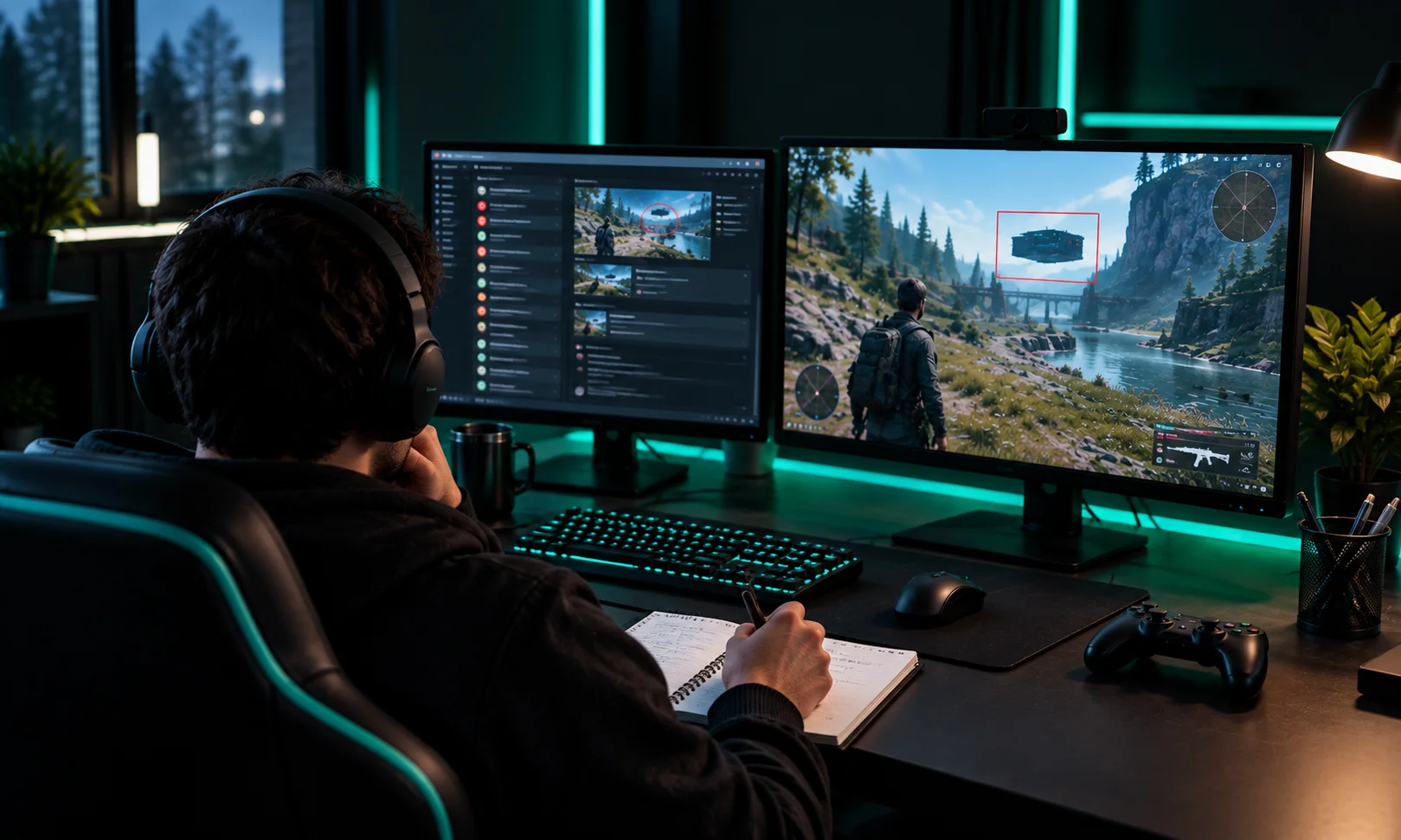
Game development companies need people to identify problems before release.
Testing can involve:
- Playing specific sections
- Repeating actions
- Trying unusual interactions
- Reporting bugs
- Checking whether features work
- Following test instructions
- Providing feedback
This is very different from recreational gaming. A professional tester may need to repeat the same action dozens of times because they’re trying to reproduce a problem. The job can require patience and attention to detail.
What makes a good game tester?
Being a great gamer helps, but it isn’t everything. A good tester needs to notice things other players ignore.
You should be able to explain:
What happened?
What did you expect to happen?
How can the problem be reproduced?
How frequently does it occur?
That’s a useful professional skill.
4. Get Paid to Test New Games
Some companies conduct user research or testing with players before or during development. Participants may be asked to play a game and then provide feedback.
You might evaluate:
- Difficulty
- Controls
- Interface
- Tutorials
- Game mechanics
- Enjoyment
- Confusion points
Depending on the program, participants may receive compensation. The exact requirements vary, so distinguish genuine research opportunities from websites making vague promises about easy gaming income.
5. Compete in Esports
Competitive gaming can produce income for highly skilled players.
Possible revenue sources in competitive gaming include:
- Tournament winnings
- Team compensation
- Sponsorships
- Streaming
- Content
- Brand partnerships
But competitive gaming is not easy money. The number of people who play games competitively is much larger than the number who earn substantial income from it. Treat esports as a highly competitive field rather than a guaranteed career path.
6. Enter Gaming Tournaments
You don’t necessarily need to become a professional esports player. Some games have local, online, or community tournaments. Depending on the event, prizes can include cash or other rewards.
Before paying an entry fee, understand:
- The rules
- Prize structure
- Organizer
- Eligibility
- Location
- Competition level
- Any additional costs
A tournament can be fun and potentially profitable, but prize money should never be assumed.
7. Become a Gaming Coach
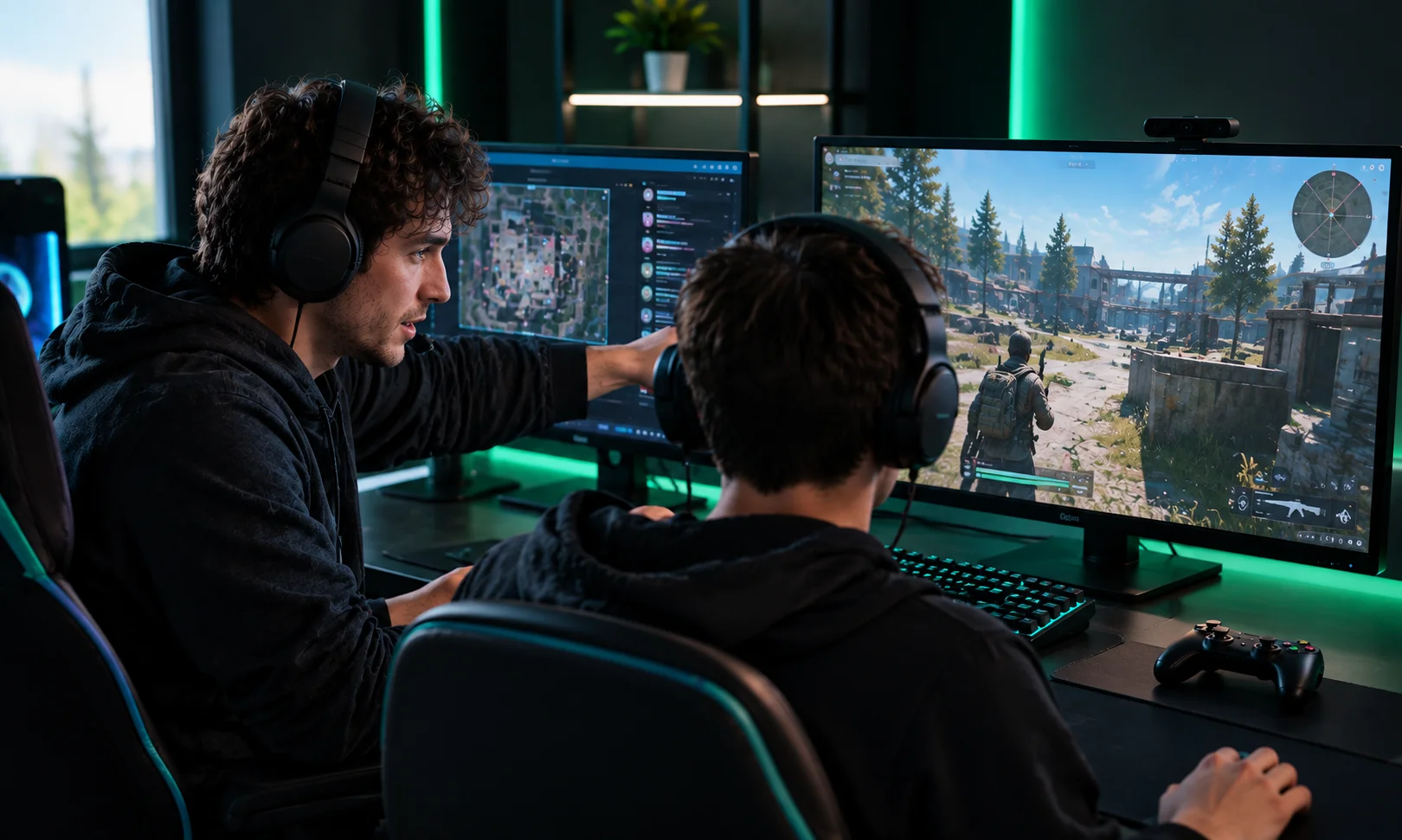
If you’re exceptionally good at a game, your knowledge may be worth more than your gameplay. Players may pay for help improving.
Coaching could involve:
- Reviewing gameplay
- Teaching mechanics
- Developing strategies
- Improving decision-making
- Creating practice routines
- Helping beginners understand the game
The best coaches don’t simply tell players what to do. They explain why a particular decision works. That makes coaching more valuable than simply selling game time.
8. Sell Gaming Guides
Gaming knowledge can be packaged into products.
For example:
- Strategy guides
- Build guides
- Beginner manuals
- Character guides
- Maps
- Databases
- Training programs
- Video courses
A detailed guide can potentially be sold repeatedly. That makes digital gaming products an interesting alternative to purely hourly services.
9. Build a Gaming Website
Gaming websites can focus on specific communities or topics. Instead of covering every game on the planet, consider a narrow subject.
For example:
- A particular game
- A particular genre
- Retro gaming
- Gaming hardware
- Game mechanics
- Competitive strategy
- Game development
A website can potentially generate revenue through advertising, affiliate partnerships, sponsorships, digital products, or memberships. The important thing is creating something people actually need.
A database that helps players solve a recurring problem can be considerably more useful than another generic list of “best games.”
10. Make Money From Gaming Communities
Gaming is fundamentally social. Players gather in communities to:
- Find teammates
- Share strategies
- Discuss updates
- Trade information
- Organize tournaments
- Learn from each other
If you build a valuable community, there can eventually be opportunities for monetization.
Potential models include:
- Memberships
- Sponsorships
- Advertising
- Events
- Digital products
- Affiliate partnerships
But community comes first. Trying to monetize an empty community rarely works.
11. Create Gaming Tutorials
Tutorials solve problems. That makes them particularly useful for AEO and search-driven content as well.
Players constantly ask questions such as:
- How do I unlock this item?
- Where can I find this location?
- How does this mechanic work?
- What should I upgrade first?
- How do I complete this mission?
If you can provide accurate answers, you can build an audience around them. This is one reason specific gaming knowledge can be more valuable than simply playing for long hours.
12. Get Paid to Write About Games
If you’re a strong writer, gaming publications may provide another route.
You could write:
- Reviews
- Guides
- Features
- News
- Interviews
- Opinion pieces
- Strategy articles
- Game analysis
Your gaming expertise gives you the subject knowledge. Your writing ability turns that knowledge into something publishable.
13. Affiliate Marketing for Gamers
Gaming audiences buy products.
That can include:
- Games
- Controllers
- Headsets
- Keyboards
- Mice
- Monitors
- Chairs
- Accessories
A creator or publisher may potentially earn commissions by referring readers or viewers to products through affiliate arrangements.
But recommendations should be genuinely useful. If every article becomes an excuse to push products, audiences quickly lose trust.
14. Get Paid to Create Gaming Content for Brands
Gaming companies need content.
That could include:
- Short videos
- Gameplay clips
- Tutorials
- Social media posts
- Product demonstrations
- Sponsored streams
A creator doesn’t necessarily need millions of followers. A smaller audience with a highly relevant gaming interest can sometimes be commercially useful. The key is having something the brand actually needs.
15. Sell Your Gaming Skills
Gaming has created a wider ecosystem of specialized services.
Depending on your skills, you might work in:
- Video editing
- Thumbnail design
- Community management
- Game writing
- Translation
- Moderation
- Social media management
- Gameplay coaching
- Graphic design
Notice the pattern. The money increasingly comes from skills surrounding gaming, not simply pressing buttons.
What About Getting Paid to Play Games for Hours?
This is where many online claims become misleading. Playing a game for several hours does not automatically create significant economic value.
A professional streamer can play for hours because an audience is watching. A competitive player can practice because performance affects tournament opportunities.
A tester can play repeatedly because they’re identifying bugs. A creator can play because they’re producing content. The game itself isn’t necessarily paying for the time. The surrounding business model is.
How Much Can You Make Playing Video Games?
There is no reliable universal number. A beginner might make nothing. A tester may receive compensation according to an employment or research arrangement.
A content creator may earn from several revenue sources. A professional competitor may receive prize money or team compensation. A coach may charge per session.
The income distribution is uneven, and success isn’t guaranteed. That’s why it makes sense to build multiple skills rather than relying entirely on the idea of “getting paid to play.”
Can You Make Money Gaming Without Being Extremely Good?
Absolutely.
Competitive skill is only one route.
You could instead focus on:
- Entertainment
- Education
- Writing
- Research
- Video editing
- Community building
- Game testing
- Game guides
- Streaming
- Commentary
You don’t have to be the best player in the world if you provide something an audience or company values.
Can You Get Paid to Play Games From Home?
Many gaming-related activities can be performed remotely, depending on the employer, platform, or opportunity.
Examples can include:
- Streaming
- Content creation
- Coaching
- Game testing
- Writing
- Community management
- Video editing
However, remote doesn’t mean effortless. You still need equipment, reliable internet, time, and a skill or service that someone values.
How to Start
Don’t begin by asking:
“Which game will make me rich?”
Start with:
“What am I unusually good at?”
Then match that ability with gaming.
If you’re entertaining → streaming.
If you’re analytical → strategy content.
If you’re competitive → tournaments.
If you’re patient → testing.
If you’re a teacher → coaching.
If you’re a writer → gaming publications.
If you’re technical → development or testing.
If you’re creative → video, thumbnails, or gaming media.
This approach is much more realistic than chasing whatever game happens to be trending.
Common Mistakes
Assuming playing more means earning more
Ten hours of gaming doesn’t automatically have more value than one hour. Value comes from what you produce.
Buying expensive equipment too early
A new gaming setup won’t create an audience by itself. Start with what you have and upgrade when the activity proves worthwhile.
Copying successful streamers
A successful creator’s strategy worked within their particular circumstances. Copying their exact format doesn’t guarantee the same result.
Ignoring the business side
Revenue, expenses, taxes, platform fees, equipment, software, and marketing all matter.
Treating gaming income as guaranteed
Gaming can become an income source, but it isn’t automatically a reliable career. Build skills and diversify where possible.
FAQs
Can you really get paid to play video games?
Yes. Gaming-related income can come from streaming, content creation, testing, coaching, esports, writing, tournaments, and other services.
How can I get paid to play games at home?
Streaming, video creation, game testing, coaching, gaming writing, and community work are among the possibilities, depending on available opportunities and your skills.
Can I get paid to test video games?
Yes. Game-testing roles and user-research opportunities can involve playing games and reporting bugs or feedback. Professional testing is structured work rather than casual gaming.
Can you make money playing games without streaming?
Yes. Other routes include coaching, esports, game testing, writing guides, creating videos, developing communities, and providing gaming-related freelance services.
Can beginners make money playing games?
Beginners can potentially earn through entry-level opportunities, but simply being a beginner gamer doesn’t create income. Developing a useful skill or finding a specific service you can provide is usually more important.
Do game companies pay people to play games?
Some companies employ testers and researchers who play games as part of their work. The role normally includes structured testing, feedback, bug reporting, or other responsibilities.
Can gaming become a full-time income?
For some people, gaming-related activities can become a full-time business or career. However, income isn’t guaranteed, and competitive gaming and content creation can be highly competitive.
What is the easiest way to make money from gaming?
There isn’t one easiest route. If you already have a valuable skill—such as writing, editing, teaching, entertaining, or competitive play—building a gaming business around that skill may be more practical than simply trying to earn from gameplay.
What does Weird Wealth mean by gaming income?
Weird Wealth explores unconventional ways to turn interests, skills, digital opportunities, and unusual ideas into income. Gaming fits that philosophy because the money can come from the ecosystem surrounding the game rather than the game itself.
The Bottom Line
Getting paid to play video games is real, but the fantasy version is misleading. The game isn’t usually the employer. Your skill, audience, content, feedback, or expertise is what creates the economic value. You can stream. You can compete. You can test. You can teach. You can write. You can build a community.
You can create digital products. You can build a business around an audience that already loves games. The most interesting opportunity isn’t necessarily finding someone willing to pay you for playing. It’s figuring out what you can do while playing that other people actually value. That’s where gaming stops being just entertainment and starts becoming a potential Weird Wealth opportunity.