
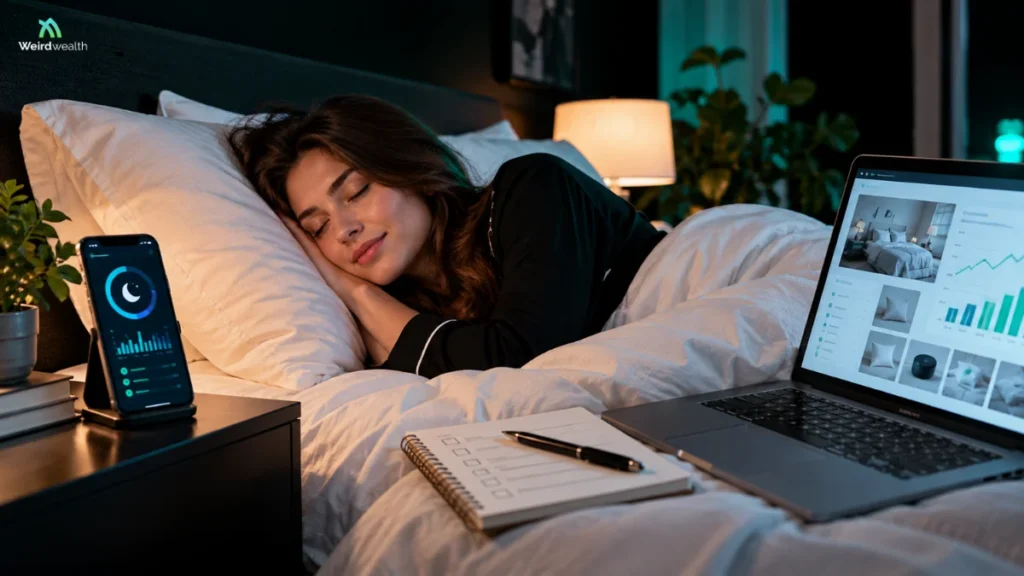
Getting paid to sleep sounds like one of those internet myths that should come with a giant asterisk. And it does. You generally won’t find someone handing you money simply because you went to bed. But there are legitimate situations where sleep itself, your sleep data, your participation in sleep research, or your ability to evaluate sleep-related products can have value.
That makes “getting paid to sleep” more than just a funny side-hustle idea. It can involve research studies, sleep-product testing, content creation, hospitality reviews, or turning expertise about sleep into a niche business. For Weird Wealth, that’s what makes the idea interesting: sometimes the unusual part isn’t the money. It’s discovering that something you normally do for free can become part of a paid activity.
Can You Really Get Paid to Sleep?
Yes, but usually with conditions. The most direct route is participating in legitimate sleep research. Researchers may need participants to sleep while their sleep patterns, physiological responses, or other research variables are studied. Other opportunities are less literal.
You might get paid to:
- Participate in sleep studies
- Test mattresses or pillows
- Review sleep products
- Create sleep-related content
- Collect and analyze sleep data
- Work in hospitality and evaluate rooms
- Develop sleep-related digital products
- Build a niche audience around sleep
So the real question isn’t simply “Who pays me to sleep?”
It’s: “What valuable information, testing, content, or research can my sleep provide?”
1. Participate in Sleep Research
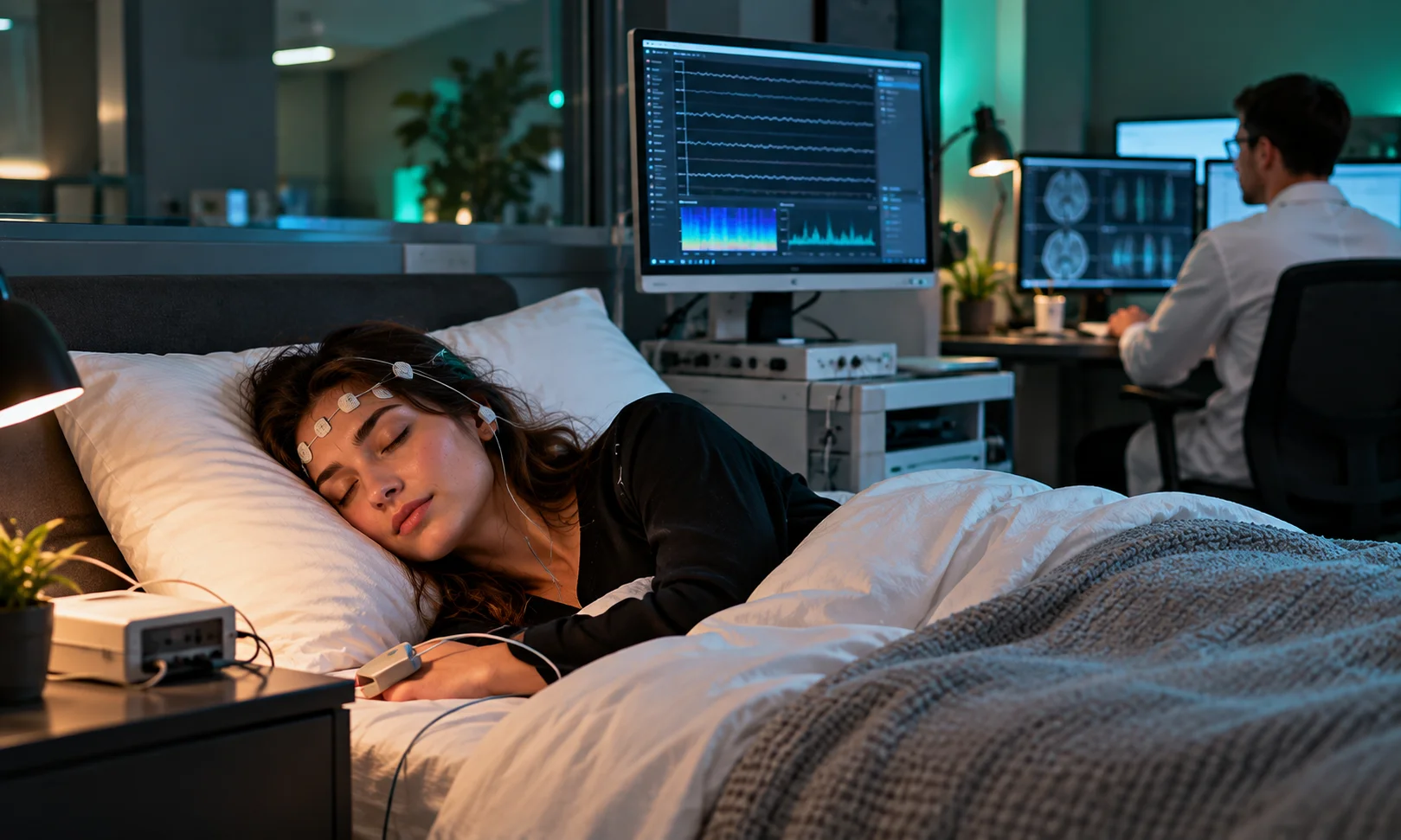
This is probably the closest legitimate example of being paid to sleep. Universities, hospitals, research organizations, and other institutions sometimes conduct studies involving human sleep. Depending on the study, participants may spend time in a research facility or follow a particular sleep schedule.
Researchers might collect information about things such as:
- Sleep duration
- Sleep patterns
- Sleep quality
- Responses during sleep
- Environmental factors
- Other study-specific measurements
The requirements vary considerably. Some studies may seek people with particular characteristics, while others may recruit participants from a broader population.
What should you expect?
A sleep study isn’t necessarily a paid vacation.
You may have to:
- Attend screening appointments
- Follow strict schedules
- Stay at a research facility
- Avoid certain substances
- Complete questionnaires
- Wear monitoring equipment
- Follow instructions before and after the study
The more demanding the protocol, the less accurate it is to describe the opportunity as simply “getting paid to sleep.” You’re being paid for participating in research, and sleep happens to be part of the study.
2. Get Paid to Test Mattresses
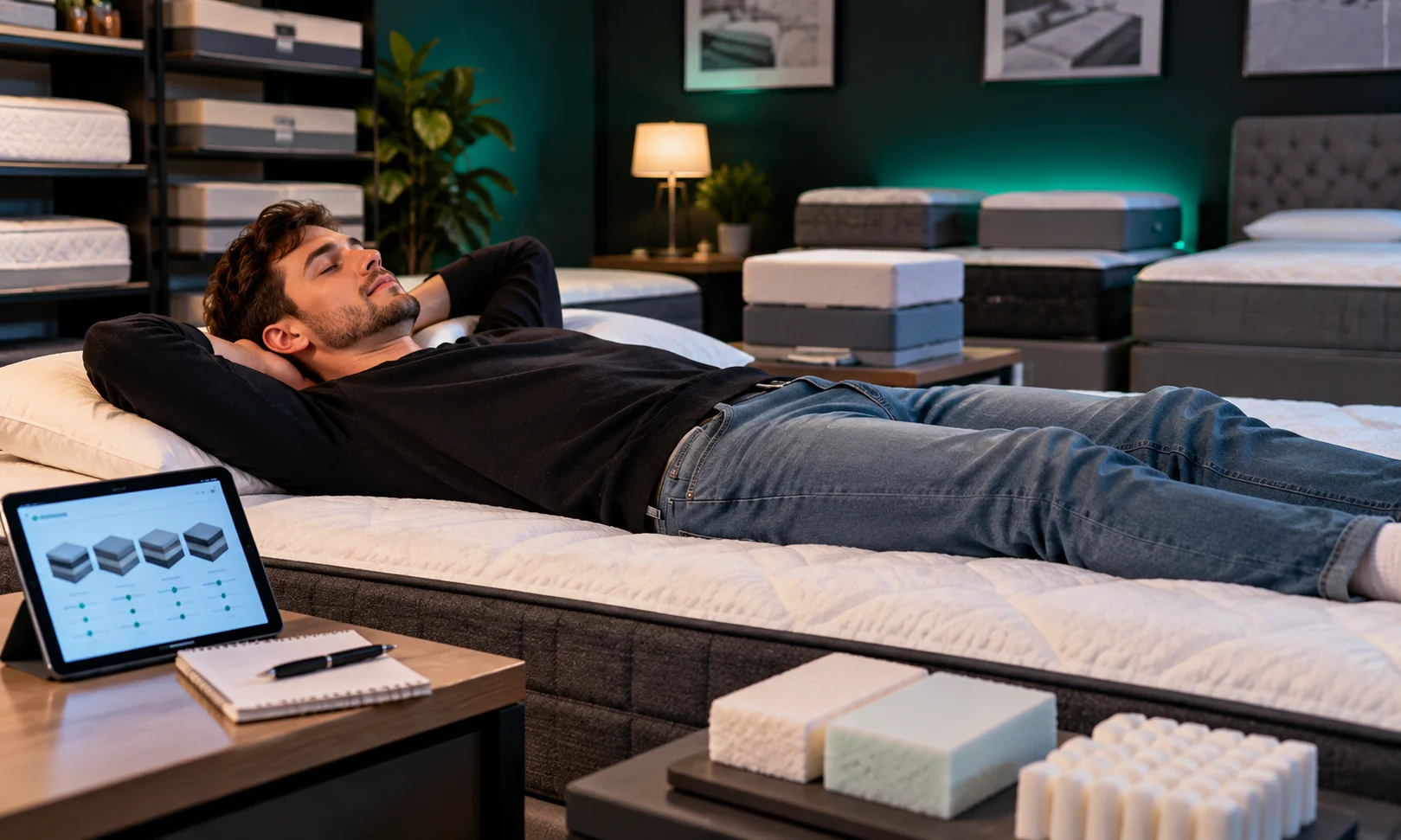
The mattress industry has an obvious need for people who can evaluate its products. Comfort is subjective. A mattress that feels perfect to one person may feel terrible to someone else. That’s why product testing and consumer research can be valuable.
Depending on the opportunity, testers might evaluate:
- Comfort
- Firmness
- Temperature
- Support
- Ease of use
- Construction
- Packaging
- Long-term experience
Not every mattress-testing opportunity is paid. Some companies may provide products in exchange for feedback or reviews rather than offering cash. That’s an important distinction. Free isn’t the same as paid. If your objective is income, check the compensation terms before agreeing to participate.
3. Get Paid to Review Sleep Products
Sleeping itself doesn’t have to be the product. You can create content around things people use for sleep.
That could include:
- Pillows
- Mattresses
- Bedding
- Sleep masks
- Bedroom accessories
- Sleep technology
- Furniture
- Lighting products
A reviewer can potentially monetize an audience through advertising, affiliate partnerships, sponsorships, or other commercial arrangements. The difficult part isn’t writing “This pillow is comfortable.” The valuable part is developing a reputation for useful, honest comparisons. Readers need to understand who a product is suitable for, what its limitations are, and how it compares with alternatives.
4. Get Paid to Test Hotel Beds and Rooms

This is where sleeping starts sounding like a job. Hotels care about the guest experience. A room can look beautiful in photographs and still produce a terrible night’s sleep. A hospitality reviewer may evaluate things such as:
- Bed comfort
- Noise
- Room temperature
- Lighting
- Blackout curtains
- Bedding
- Bathroom experience
- Overall cleanliness
- Service
Travel publications and creators can sometimes build content around these experiences. But again, don’t confuse this with being paid merely to sleep. The sleep is part of the evaluation. The actual value comes from the information you provide.
5. Build a Sleep-Focused Content Business
You don’t have to work for a mattress company to make money from sleep. You can build an audience around the subject.
For example, a creator could publish:
- Sleep-product reviews
- Bedroom setup guides
- Mattress comparisons
- Travel sleep tips
- Sleep environment experiments
- Bedtime routines
- Interviews with experts
- Explanations of sleep technology
Potential monetization could include:
- Advertising
- Affiliate marketing
- Sponsorships
- Digital products
- Memberships
- Brand partnerships
The important part is choosing a clear angle. “Sleep blog” is broad. “Practical guides to building a better hotel-room sleep setup” is much more specific.
6. Get Paid to Test Sleep Technology
The market for sleep-related technology includes devices and software designed to track or influence aspects of sleep. Testing these products can involve more than simply sleeping.
You might need to:
- Wear a device
- Use an app
- Record experiences
- Compare readings
- Provide feedback
- Follow a particular routine
This can be interesting for people who enjoy technology and experimentation. But be careful with claims about health benefits. A consumer device’s marketing claims aren’t automatically proof that it can diagnose or treat a medical condition. When reviewing health-related technology, separate what the product claims from what has actually been established.
7. Become a Sleep Product Mystery Shopper
Mystery shopping usually involves evaluating a customer’s experience rather than simply purchasing something. A sleep-related assignment could theoretically involve evaluating a retailer, hotel, store, or customer service process.
The exact opportunities depend on the market and available programs. The important principle is broader: Companies pay for information about what customers actually experience. If you’re good at observing details and following instructions, that skill can be useful across many kinds of mystery-shopping assignments.
8. Create Sleep-Related Digital Products
If you understand a particular sleep-related problem, you may be able to turn that knowledge into a digital product.
Examples include:
- Sleep journals
- Bedtime planners
- Habit trackers
- Travel sleep checklists
- Bedroom setup checklists
- Printable routines
- Sleep-related organizational templates
These products don’t require you to sell your time every time someone buys one. Create the asset once, improve it over time, and potentially sell it repeatedly. That’s a recurring theme throughout Weird Wealth: the unusual idea becomes much more interesting when it can be turned into an asset rather than another hourly job.
9. Get Paid to Sleep in Unusual Places
Travel and lifestyle content can create another route. Unusual accommodations can become content opportunities.
Think about:
- Treehouses
- Cabins
- Historic properties
- Boutique hotels
- Unusual vacation rentals
- Converted buildings
- Remote stays
The opportunity isn’t necessarily “someone pays you to sleep.” The business is closer to:
Experience + documentation + audience = potential income.
A creator might receive accommodation, payment, sponsorship, or other compensation for producing content, depending on the arrangement.
10. Turn Your Sleep Obsession Into a Niche
Some people genuinely love analyzing sleep. They compare mattresses. They obsess over bedroom temperature. They test pillows. They research bedding. They track their sleep data. That level of interest can become a niche.
A person with deep knowledge might eventually build:
- A newsletter
- A website
- A YouTube channel
- A product-review business
- A consulting service
- A community
- A digital product
This is where an unusual interest can become Weird Wealth rather than simply a weird hobby. The audience may be small. That’s okay. A highly specific audience can sometimes be more valuable than a huge audience with no clear commercial intent.
What About “Professional Sleepers”?
You may have seen headlines about people being paid to sleep professionally. These stories can refer to research participants, product testers, hotel reviewers, content creators, or highly specific employment arrangements. The title can make the job sound much simpler than it actually is.
In practice, the person is usually being paid for something surrounding the sleep: research, testing, evaluation, content, or participation. That distinction is worth remembering when you encounter an online claim promising easy money.
How Much Can You Make Sleeping?
There is no universal rate. Compensation depends entirely on what you’re actually doing. A research study may have its own compensation structure.
A product-testing opportunity may provide a product rather than cash. A content creator may earn through advertising or sponsorships.
A reviewer may receive compensation under a specific agreement. An employee may receive a normal salary for a role that happens to involve sleeping or resting as part of the work.
So don’t judge an opportunity by the headline.
Look at:
- Time commitment
- Eligibility requirements
- Location
- Compensation
- Expenses
- Restrictions
- Responsibilities
- Payment method
That’s the real offer.
The Hidden Catch: You Still Have a Job to Do
Even if the main activity is sleeping, you may have responsibilities around it. For example, a researcher might need precise sleep data.
A product tester might need detailed feedback. A hotel reviewer might have to write a comprehensive report. A content creator might need photographs, video, editing, and publication.
So the work may happen before or after the sleeping, rather than during it. That’s why “paid to sleep” is best understood as a memorable description—not a complete business model.
How to Find Legitimate Opportunities
Start with organizations that have an obvious reason to need participants or testers.
Look at:
- Universities
- Research institutions
- Hospitals
- Established consumer research companies
- Recognized product-testing programs
- Hospitality companies
- Established media organizations
Read the requirements carefully. A legitimate opportunity should explain what participants are expected to do and how compensation works.
Be especially cautious about scams
Walk away from offers that demand substantial upfront payments for the privilege of supposedly earning money.
Also be wary of:
- Guaranteed high earnings
- Fake recruitment fees
- Requests for cryptocurrency payments
- Fake checks
- “Activation” charges
- Pressure to recruit other people
- Requests for unnecessary financial credentials
If an opportunity sounds too good to be true, investigate the organization independently before providing personal information.
Is Getting Paid to Sleep Worth It?
It can be, depending on the opportunity. A legitimate research study may be interesting if you’re comfortable with the requirements. Testing a mattress could be worthwhile if you genuinely enjoy evaluating products.
Creating sleep content can become a business if you can build an audience. But none of these should be confused with free money. The value comes from what your participation, feedback, audience, or expertise provides to someone else.
FAQs
Can you actually get paid to sleep?
Yes. The most direct legitimate opportunities are typically sleep research studies. Other opportunities can involve testing mattresses, evaluating hotels, reviewing sleep products, or creating content around sleep.
How do I find sleep studies that pay participants?
Look for legitimate research institutions, universities, hospitals, and established research programs recruiting participants. Check eligibility, study requirements, compensation, and potential risks before participating.
Do mattress companies pay people to sleep?
Some product research and testing programs may compensate participants, while others may provide products in exchange for feedback. The terms vary, so check whether an opportunity provides cash, a product, reimbursement, or another form of compensation.
Can you get paid to sleep in hotels?
There can be opportunities to evaluate hotels or create travel content involving hotel stays. In those situations, you’re generally being compensated for reviewing or documenting the experience rather than simply sleeping.
Can I make money reviewing pillows and mattresses?
Potentially. Product reviews can be monetized through advertising, affiliate relationships, sponsorships, or other commercial models. Building trust and providing genuinely useful comparisons is more important than simply publishing positive reviews.
Is getting paid to sleep a real job?
In some specialized contexts, yes. Sleep researchers, study participants, product testers, and certain hospitality or content professionals may be compensated for activities involving sleep. The responsibilities vary significantly.
Is “get paid to sleep” a scam?
The concept itself isn’t a scam, but misleading offers certainly exist. Be cautious about guaranteed income, large upfront fees, fake checks, or requests for payment before you can supposedly access earnings.
Does Weird Wealth cover unusual ways to make money?
Yes. Weird Wealth explores unconventional income ideas, unusual side hustles, strange jobs, niche businesses, and overlooked ways people can turn unusual interests or resources into money.
The Bottom Line
Getting paid to sleep isn’t really about finding someone willing to pay you for eight hours in bed. It’s about recognizing that sleep can be part of something valuable.
Researchers need participants. Companies need product feedback. Hotels need honest evaluations. Audiences want useful reviews. Content creators can turn unusual experiences into stories. The sleep is simply the unusual part. The money comes from the value surrounding it.
And that’s a useful lesson far beyond this particular idea. If something seems too ordinary, strange, or even pointless to monetize, ask a different question:
Who could benefit from it, and what would that benefit be worth?
That’s often where the real opportunity begins.