Key Takeaways
-
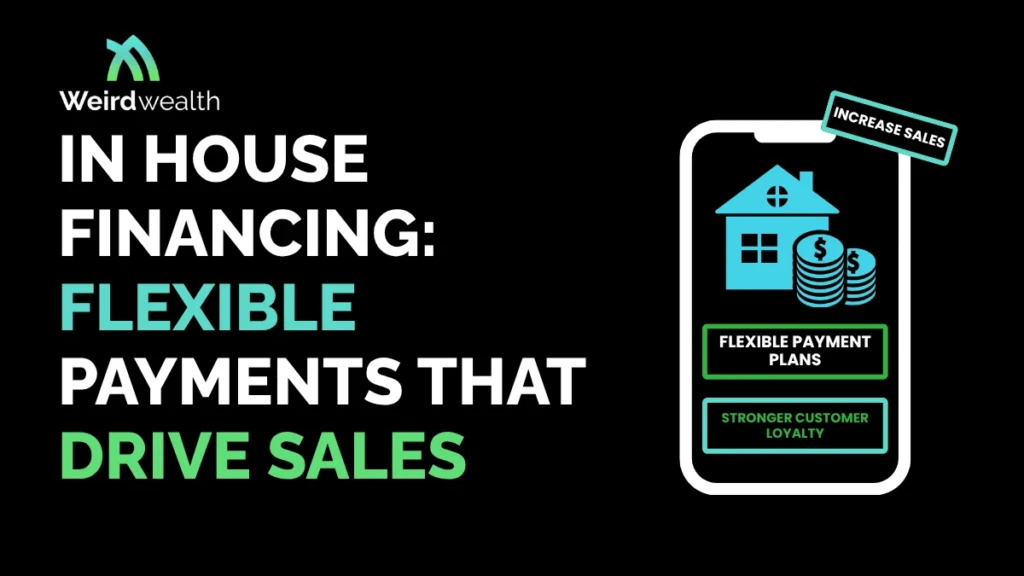
Direct business-to-customer funding path
-
Boosts immediate sales conversion rates
-
High cash flow risk if unmanaged
-
Flexible terms bypass traditional banks
-
Requires strict regulatory compliance
Have you ever walked away from a purchase simply because the upfront cost felt too heavy?
You are definitely not alone in that experience.
For many customers, having flexible payment choices is the ultimate dealmaker.
This is exactly where in house financing steps in to save the day.
In simple terms, this model allows a company to extend credit directly to its customers without relying on third-party banks.
By bypassing traditional lenders, you can close more deals, build deep customer loyalty, and create a brand-new revenue stream.
Here at Weird Wealth, we love exploring creative ways to keep your cash flowing and your business thriving.
Let’s dive into how this strategy works, the major risks involved, and how to decide if it is the right move for your brand.
AI Overview
In house financing is a powerful setup where a business extends credit directly to customers. This allows buyers to make purchases and pay them off over time without needing a bank. While it increases conversion rates and customer loyalty, it also brings cash flow and default risks. Understanding these factors helps businesses build sustainable, profitable payment solutions.
What is the Real In House Financing Meaning?
To make the best decisions for your brand, we first need to break down the actual in house financing meaning in simple terms.
At its core, it means the seller is acting as the bank.
Instead of a customer going to a local bank or using a credit card, your business provides the loan directly.
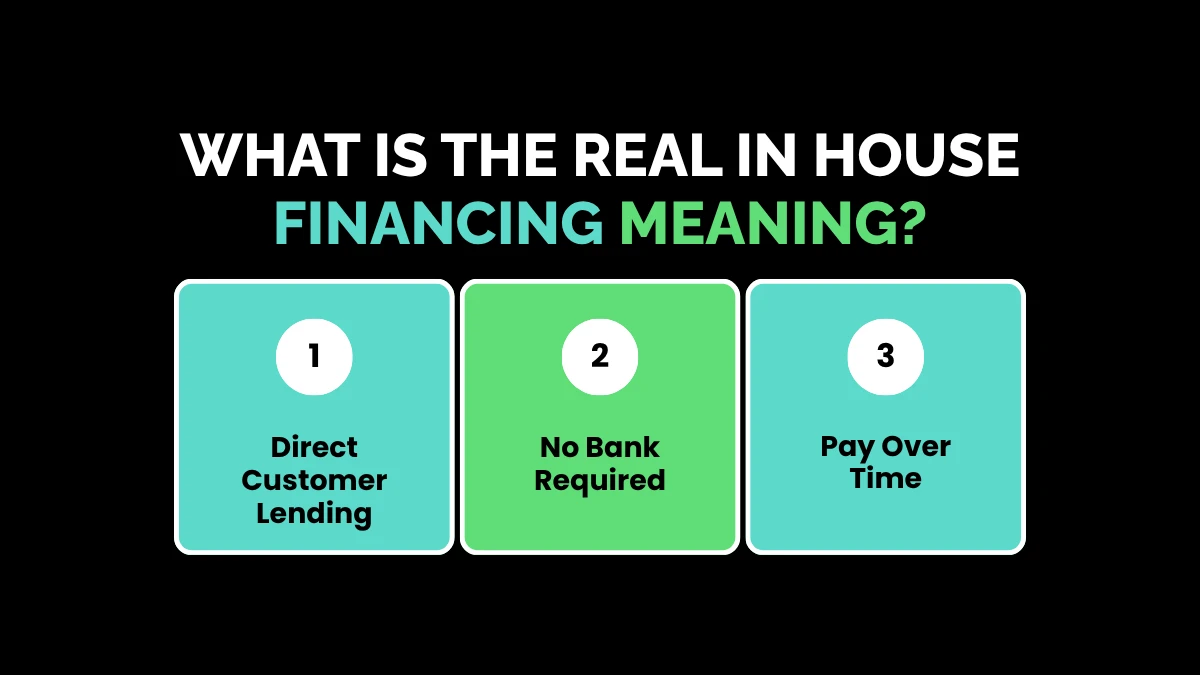
The customer takes the product home immediately and agrees to pay you back through scheduled installments.
This setup is highly common in industries like automotive sales, high-ticket retail, and enterprise software.
Generally, this model is designed to remove the friction of traditional borrowing, making it easier for buyers to say yes.
Based on available data, offering these direct payment paths can significantly expand your potential customer base.
You are no longer turning away buyers who might have less-than-perfect credit scores.
Instead, you set your own lending rules, determine the interest rates, and manage the collection process yourself.
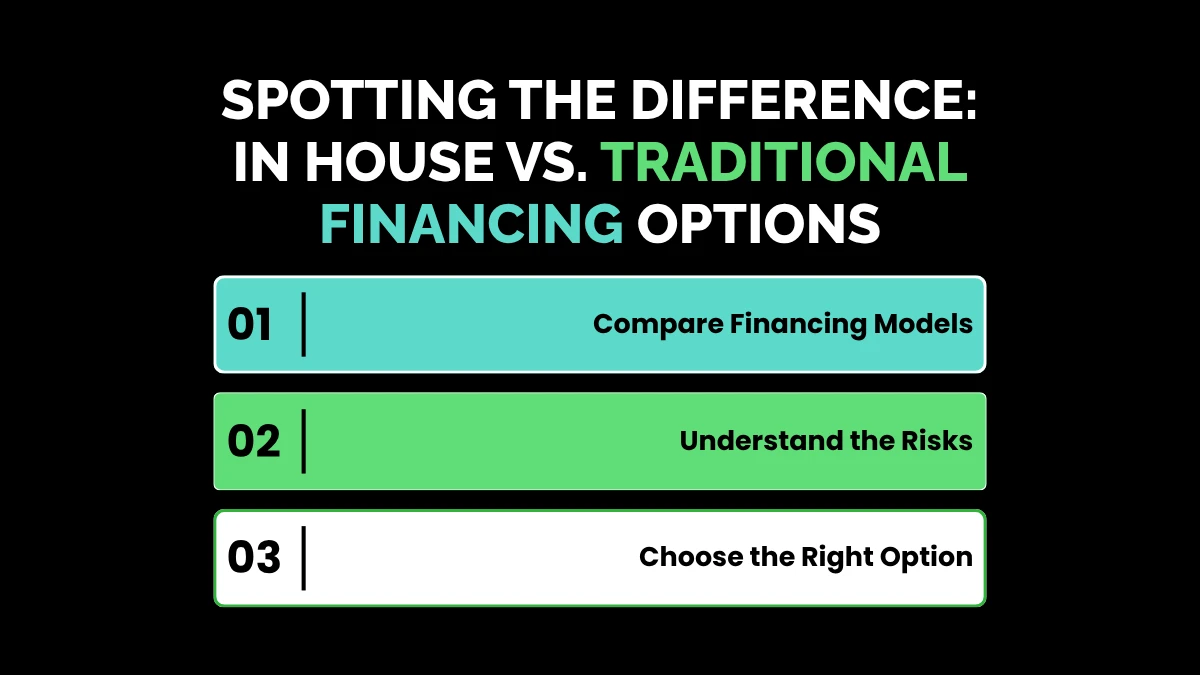
Spotting the Difference: In House vs. Traditional Financing Options
When you start exploring different financing options, things can get confusing quickly.
You might hear terms like seller financing or buy here pay here financing thrown around.
Are they all the same thing?
Well, not exactly, though they do share the same family tree.
To keep your business protected and clear, let’s break down how these terms actually differ.
Understanding Seller Financing
In many B2B markets, seller financing is used for massive purchases, like buying a piece of real estate or an entire business.
In this scenario, the seller acts as the lender, and the buyer makes payments over several years.
It is generally used for one-off, high-value transactions rather than daily retail purchases.
What is Buy Here Pay Here Financing?
If you have ever shopped for a used car, you have likely run into buy here pay here financing dealerships.
This is a specific, niche form of direct lending tailored closely to the auto industry.
The dealership sells you the car and manages the loan under one roof, often catering to buyers with bad credit.
While highly profitable, it comes with strict state-level regulations and higher-than-average interest rates.
Comparing Your Retail Payment Paths
To help you visualize your options, let’s compare how these payment structures stack up against each other.
| Feature | Traditional Bank Loans | In House Payment Plans | Seller Financing | Buy Here Pay Here Financing |
| Primary Lender | Third-party bank | Your business | Individual seller | Specialized dealership |
| Approval Speed | Slow (days to weeks) | Instant (minutes) | Moderate (weeks) | Instant (minutes) |
| Risk Holder | The bank | Your business | The seller | The dealership |
| Target Audience | Prime credit buyers | All customer tiers | Business/Property buyers | Subprime credit buyers |
| Typical Term Length | 1 to 5+ years | 3 to 12 months | 5 to 30 years | 2 to 5 years |
As you can see, choosing the right path depends entirely on your industry and how much risk you want to carry.
At Weird Wealth, we generally find that shorter retail installment plans offer the best balance of safety and growth.
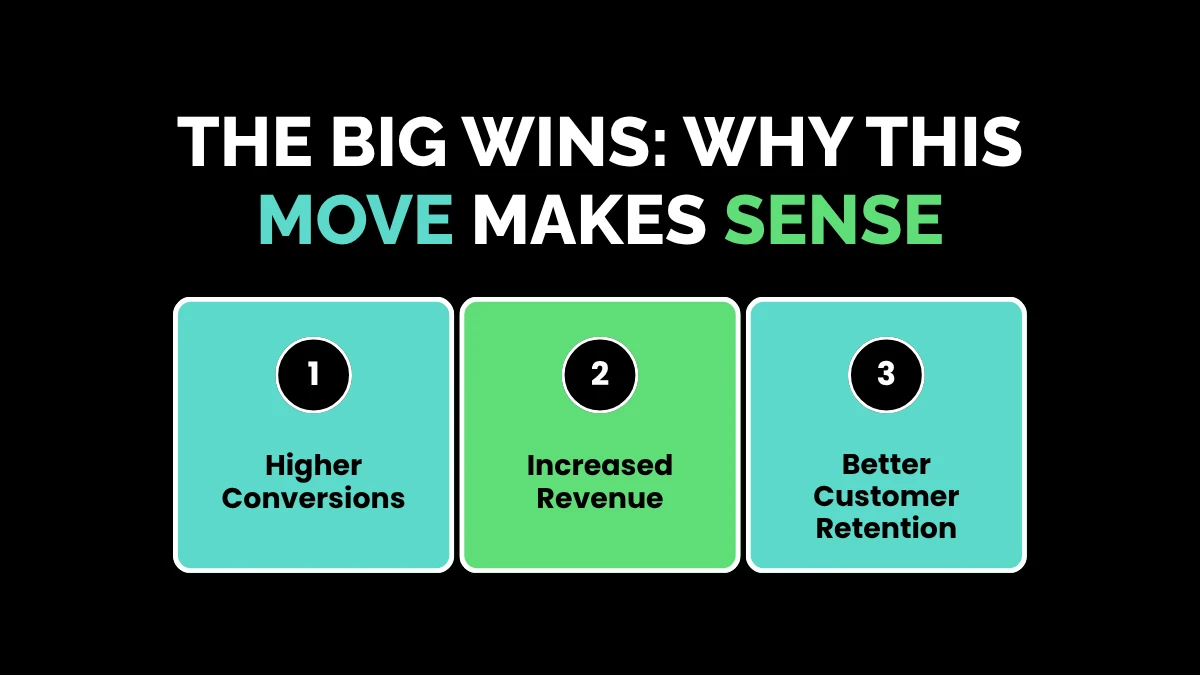
The Big Wins: Why This Move Makes Sense
Let’s talk about the fun part: how this strategy can actually grow your bank account.
Offering direct terms to your customers provides incredible advantages that traditional retail models simply cannot match.
To keep this simple, we have broken down these in house financing benefits into two distinct areas.
Bullet Section 1: Major Benefits for the Business
Implementing a direct lending program can completely transform your daily business operations.
-
Higher average order values: Customers generally spend more money when they can break payments into smaller chunks.
-
Massive sales conversions: Removing the upfront cost barrier makes it much easier for hesitant buyers to complete a purchase.
-
New interest revenue: You collect the interest fees that would normally go straight to a major credit card company.
-
Complete control over terms: Your team decides the down payments, interest rates, and payment schedules without bank interference.
-
Improved inventory turnover: Clearing out high-ticket inventory becomes much faster when buyers have immediate purchasing power.
-
Stronger competitive edge: Offering flexible payment terms sets you apart from competitors who demand full payment upfront.
-
Deep customer loyalty: Buyers appreciate businesses that trust them, leading to higher repeat purchase rates over time.
-
Valuable customer data: You collect direct financial insights that help you understand your market’s purchasing habits.
Bullet Section 2: Key Benefits for Your Customers
Providing direct credit is not just good for your bottom line; it also creates a fantastic experience for your buyers.
-
No complex bank approvals: Buyers bypass frustrating paperwork and credit checks that slow down traditional loans.
-
Flexible payment structures: Customers can align their payment dates with their personal paychecks or corporate cash flows.
-
Accessible purchasing power: People with rebuilding credit scores can still buy the high-quality products they need.
-
Zero hidden bank fees: Dealing directly with your business eliminates surprise third-party processing and maintenance charges.
-
Quick checkout times: Approvals happen at the point of sale, allowing buyers to complete their transactions in minutes.
-
Builds personal credit: Many direct programs report positive payment histories to credit bureaus, helping buyers improve their scores.
-
Comfortable budget management: Breaking large purchases into fixed monthly payments makes household budgeting incredibly simple.
-
Direct customer service: If a financial emergency arises, customers talk directly to your team rather than a cold bank support line.
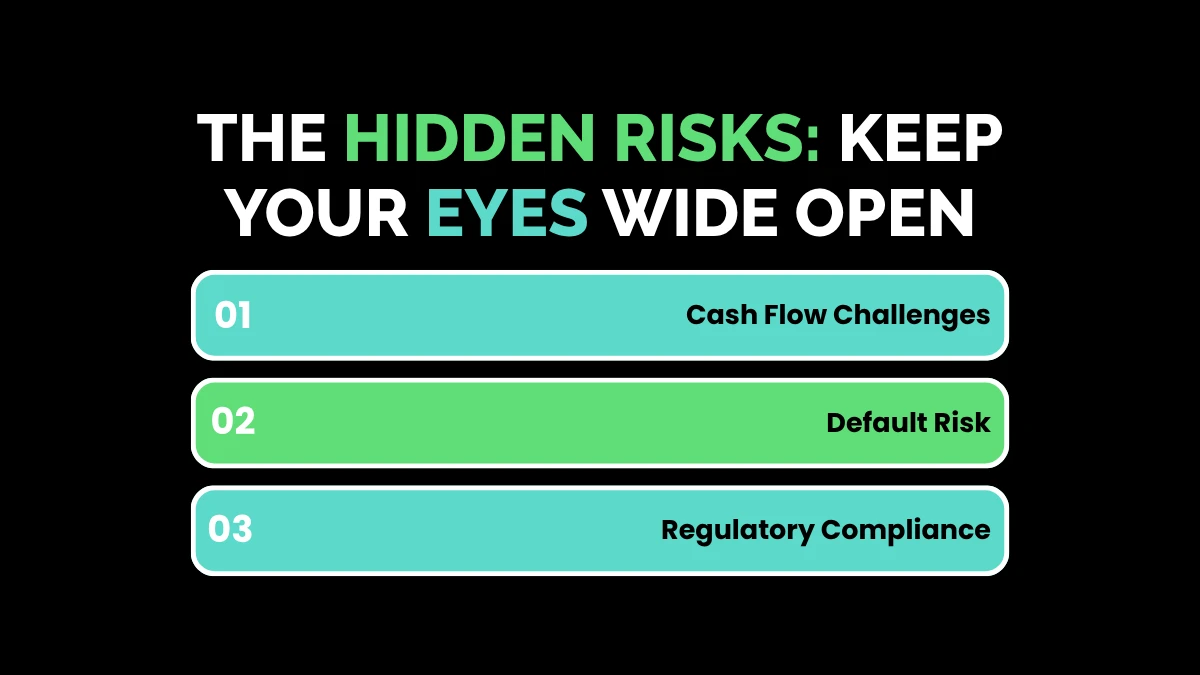
The Hidden Risks: Keep Your Eyes Wide Open
While the benefits are exciting, running an in-house credit program is not all sunshine and rainbows.
If you do not manage your risk carefully, you could end up facing severe financial stress.
Before diving in, every business must evaluate these critical risk factors.
1. Cash Flow Strains
When you sell a product on credit, your inventory goes out the door, but the cash trickles in slowly.
If too many customers choose this path, you might struggle to pay your own suppliers on time.
Managing a growing financing business requires a healthy cash cushion to cover these gaps.
2. Customer Defaults and Non-Payment
What happens if a customer stops paying?
Unlike a bank, your business has to shoulder the loss directly.
You will need to dedicate time, staff, and resources to chasing down late payments or hiring collections agencies.
3. Intense Regulatory Compliance
Lending money is highly regulated at both state and federal levels.
You must comply with laws like the Truth in Lending Act (TILA) and Fair Debt Collection Practices Act.
Failing to follow these rules can result in heavy fines and damaging lawsuits.
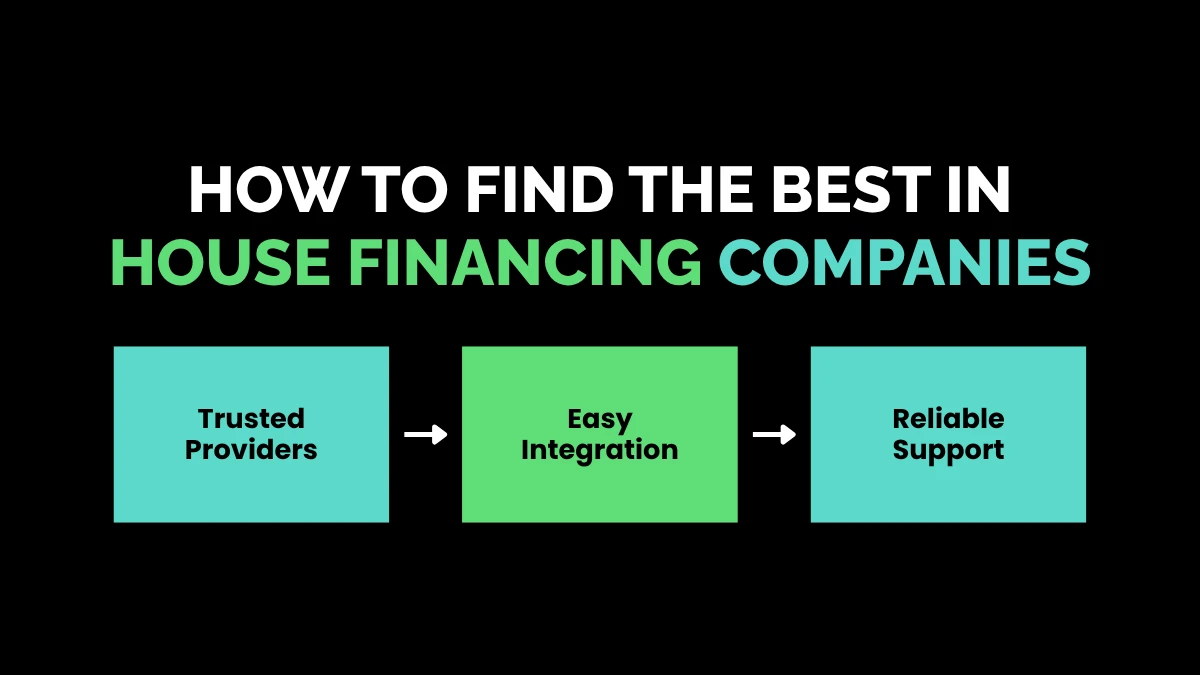
How to Find the Best In House Financing Companies
If managing loans yourself sounds too stressful, you do not have to do it completely alone.
Many modern in house financing companies exist to handle the hard work for you.
These specialized third-party partners manage the credit checks, payment processing, and collections under your brand name.
When choosing a partner, always look for companies that offer:
-
Seamless integration with your current checkout or point-of-sale systems.
-
Clear, transparent fee structures with no hidden costs for your customers.
-
Flexible credit approval rates that match your specific customer base.
-
Excellent customer support that treats your buyers with respect and care.
Outsourcing the logistics allows you to enjoy the sales boost without turning your office into a collections department.
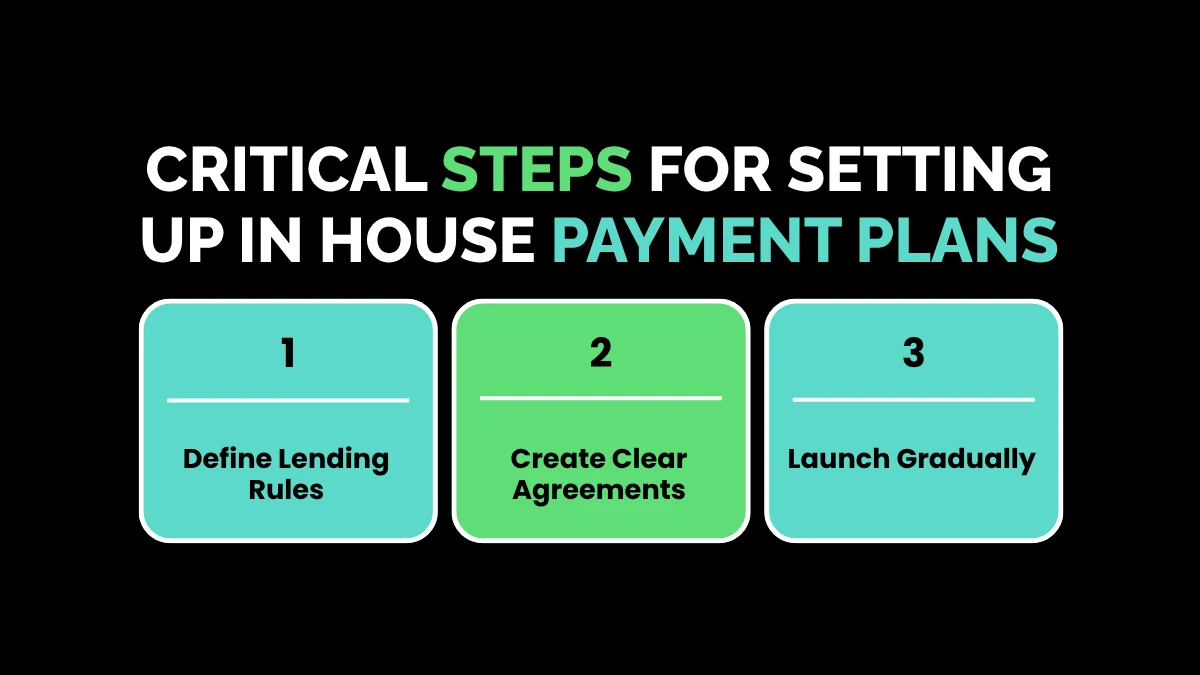
Critical Steps for Setting Up In House Payment Plans
Ready to build your own program?
Setting up reliable in house payment plans requires a highly strategic, step-by-step approach.
First, determine your lending criteria by deciding the minimum credit score or income level you will accept.
Next, draft clear, legally binding contracts that outline payment schedules, interest rates, and late fees.
We highly recommend working with a qualified business attorney to ensure your contracts are completely watertight.
Finally, start small by offering terms to a select group of loyal, repeat customers before rolling it out to everyone.
This cautious approach allows you to test your processes and protect your business from sudden cash flow shocks.
Final Thoughts
Offering flexible payment options is one of the fastest ways to scale your business and build long-term customer trust.
By understanding the balance of risk and reward, you can create a sustainable program that drives incredible growth.
Keep exploring creative wealth strategies with us at Weird Wealth, and take your business to the next level today!
Frequently Asked Questions
What is the main difference between in house financing and bank loans?
With in house financing, the business itself lends the money directly to the customer. With bank loans, a third-party financial institution provides the funds and carries the repayment risk.
Can small retail businesses safely offer direct payment plans?
Yes, small businesses can safely offer these plans by using third-party financing platforms or setting tight credit limits on short-term payment schedules.
Is buy here pay here financing the same as seller financing?
No, buy here pay here is a specific retail auto dealership model. Seller financing typically refers to high-value real estate or business acquisition transactions.
How does offering direct customer credit improve overall sales?
It removes immediate price barriers, allowing customers to buy high-ticket items quickly. This generally increases transaction sizes and boosts conversion rates.