Key Takeaways
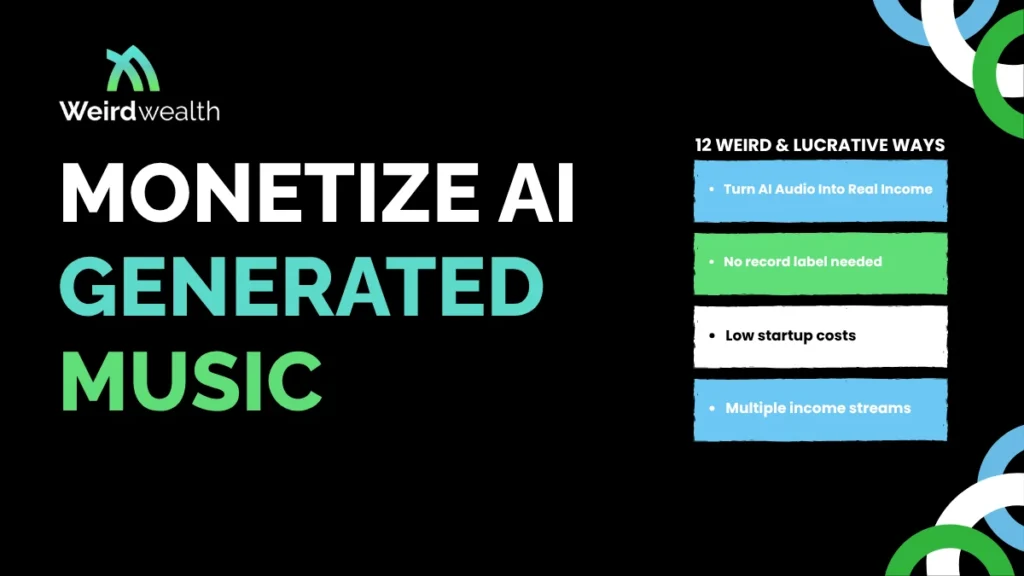
- Unconventional acoustic revenue pipelines
- Micro-niche licensing over chart-topping hits
- Scalable background atmosphere management
- Low-friction audio asset compilation bundles
- Direct-to-creator service fulfillment systems
Have you ever spent an evening messing around with text-to-music generators, only to realize the track you made is a total earworm? The intersection of artificial intelligence and sound design has moved way past simple garage novelties.
Today, savvy digital creators are building entirely new income streams by rethinking what it means to be a modern music supplier. If you are looking for fresh income models, learning how to monetize AI generated music opens up a playground of bizarre, underserved niches that traditional record labels completely ignore.
The real secret to making this side hustle work isn’t trying to engineer a viral pop radio hit. Instead, the real revenue relies heavily on solving everyday audio problems for digital platforms, brands, and local storefronts. Based on available data, the demand for affordable, safe, and tailored background audio is growing faster than human composers can keep up with.
Let’s pull back the curtain on twelve highly unusual ways to turn algorithmic frequencies into steady cash flow.
AI Overview
Turning automated sounds into regular revenue is highly achievable when you look outside traditional streaming platforms. Using smart workflows to monetize AI generated music allows solo creators to supply highly specific micro-niches with targeted sound assets. From custom white noise sleep packs to localized corporate audio identities, modern software allows you to produce high-value audio products quickly and with minimal overhead.
The Media Asset Goldmine: Royalty-Free Micro-Packs
Content creators on platforms like YouTube, TikTok, and Instagram are in a constant race against copyright bots. One wrong background music choice can get their entire video muted or demonetized instantly.
1. Niche Mood Asset Packs
Instead of selling individual songs, bundle your tracks into thematic sets like “Minimalist Tech Startup Office” or “Moody Rainy Day Cafe Jazz.” Selling 10-track bundles directly on platforms like Gumroad or AudioJungle can generate excellent returns.
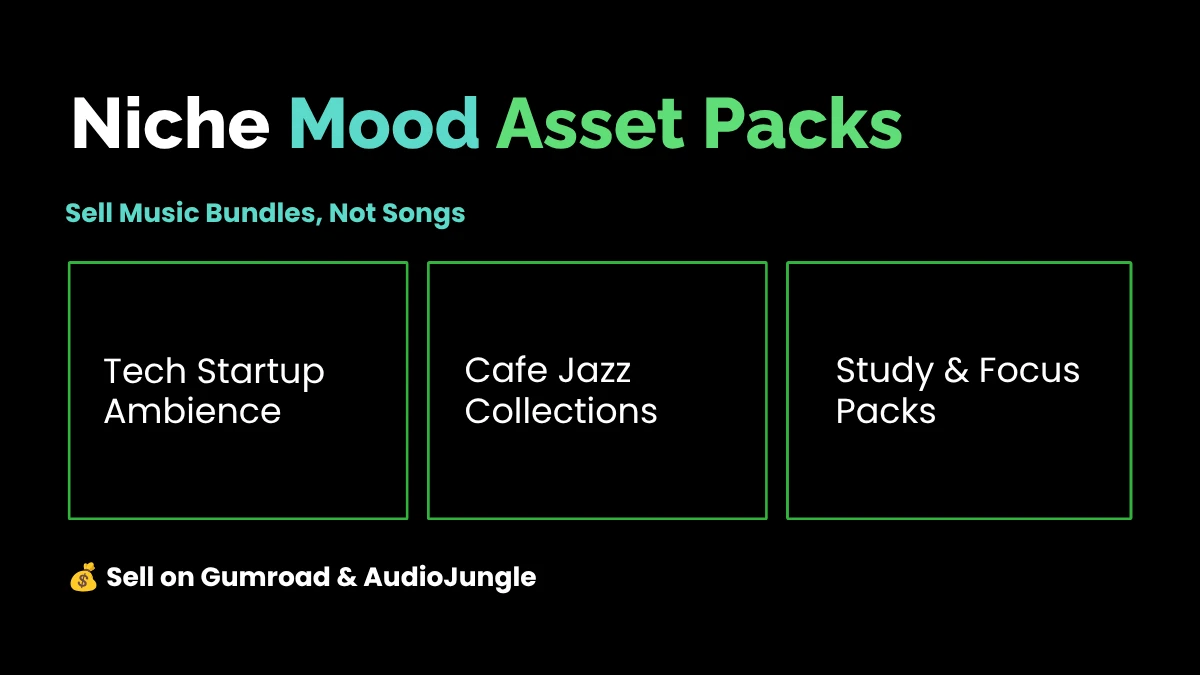
Based on available data, video editors willingly pay $30 to $50 per pack just to avoid searching through generic audio platforms.
2. Tailored Podcast Intros & Outros
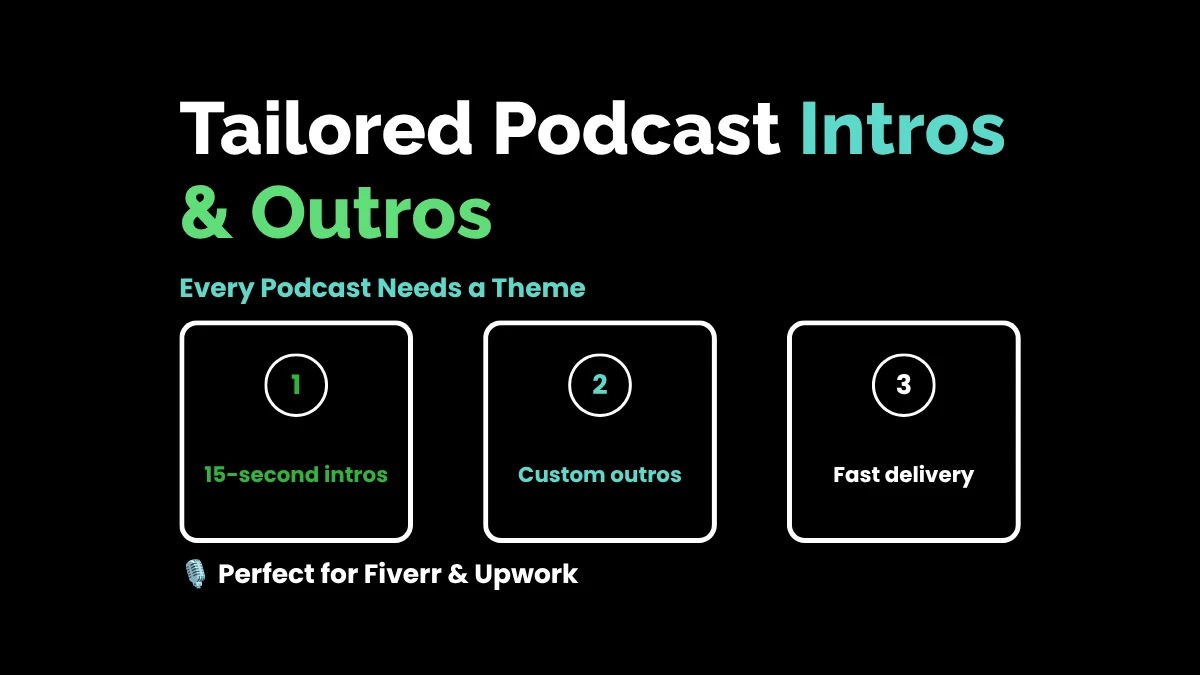
Every week, thousands of new podcasts launch across the globe. They all need a clean, 15-second opening theme and a smooth closing bed. You can use platforms like Fiverr or Upwork to offer rapid, 24-hour turnaround times for custom jingles.
While human producers might take a week to compose a single riff, you can generate five stellar options in an afternoon using specialized software.
3. Video Game UI Sound Effects
It isn’t just about full-length songs; video games need hundreds of tiny interface sounds. Think about the crisp “click” when a player opens a menu, or the celebratory chime when they unlock a chest.
You can generate raw electronic sweeps or ambient notes, chop them down into microsecond files, and sell comprehensive UI sound packs to indie game developers.
Atmospheric Management: Selling Sound and Ambiance
Many lucrative paths to profit have nothing to do with headphones and everything to do with real-world physical locations.
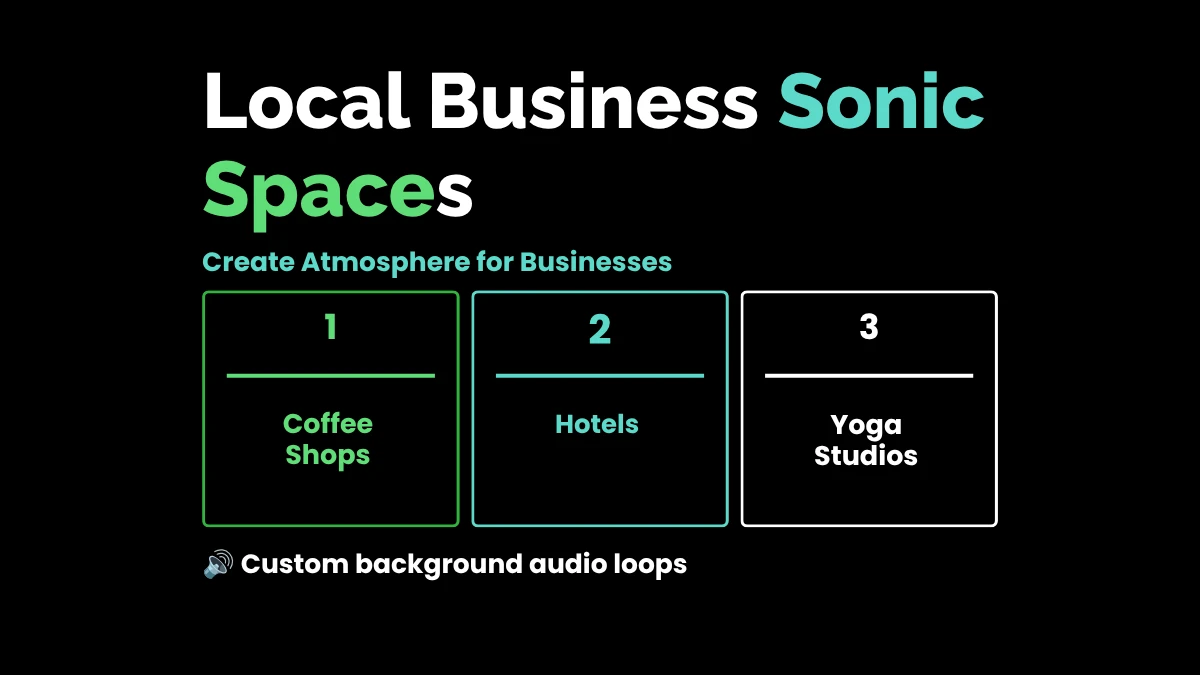
4. Local Business Sonic Spaces
Boutique hotels, day spas, yoga studios, and independent coffee houses need continuous background audio to set the mood for their customers. However, playing commercial radio or personal streaming accounts inside a business can lead to massive copyright fines.
You can step in as a local atmosphere manager, providing small businesses with custom-tailored, 10-hour seamless ambient loops that are fully licensed and completely safe from legal issues.
5. Custom Meditation and Sleep Audio Packages
The wellness economy is absolutely massive, and sleep audio is an evergreen cash cow. People routinely stream long-form rain noises, white noise variants, and slow-frequency synth pads all night long.
By creating extended, meditative drone soundscapes and distributing them via services like DistroKid, you can collect passive streaming royalties from listeners who keep your tracks looping on repeat while they sleep.
Bizarre & Creative Sonic Ventures
If you want to step off the beaten path entirely, these weird methods carry surprisingly high profit margins due to incredibly low competition.
| Unconventional Model | Target Audience | Primary Asset Type | Revenue Driver |
| E-Book Soundscaping | Audiofile Readers | Adaptive Ambient Tracks | Premium Digital Add-ons |
| Bespoke Guided Meditation | Independent Coaches | Calming Vocal & Synth Beds | Upfront Service Retainers |
| Niche ASMR White Noise | Wellness Consumers | Textured Frequency Sweeps | Direct Digital Downloads |
6. Dynamic E-Book Soundtracks
An emerging digital trend involves creating atmospheric companion audio for fiction readers. Imagine reading a dark fantasy novel while a subtle, automated background loop plays the distant clanging of swords and howling wind.
Authors love offering these custom background audio links to their email newsletters as an exclusive bonus to drive digital book sales.
7. Children’s Audio Book Scoring
Self-published children’s authors on platforms like Amazon Kindle Direct Publishing are always looking to make their work stand out.
You can partner with independent writers to provide simple, whimsical acoustic backings that sit beneath their narration tracks. It adds immense production value to an ordinary audiobook, allowing the writer to command a premium price.
Exploiting Modern Content Pipelines
To successfully monetize AI generated music in the current landscape, you can hitch a ride on the back of massive, fast-moving digital content loops.
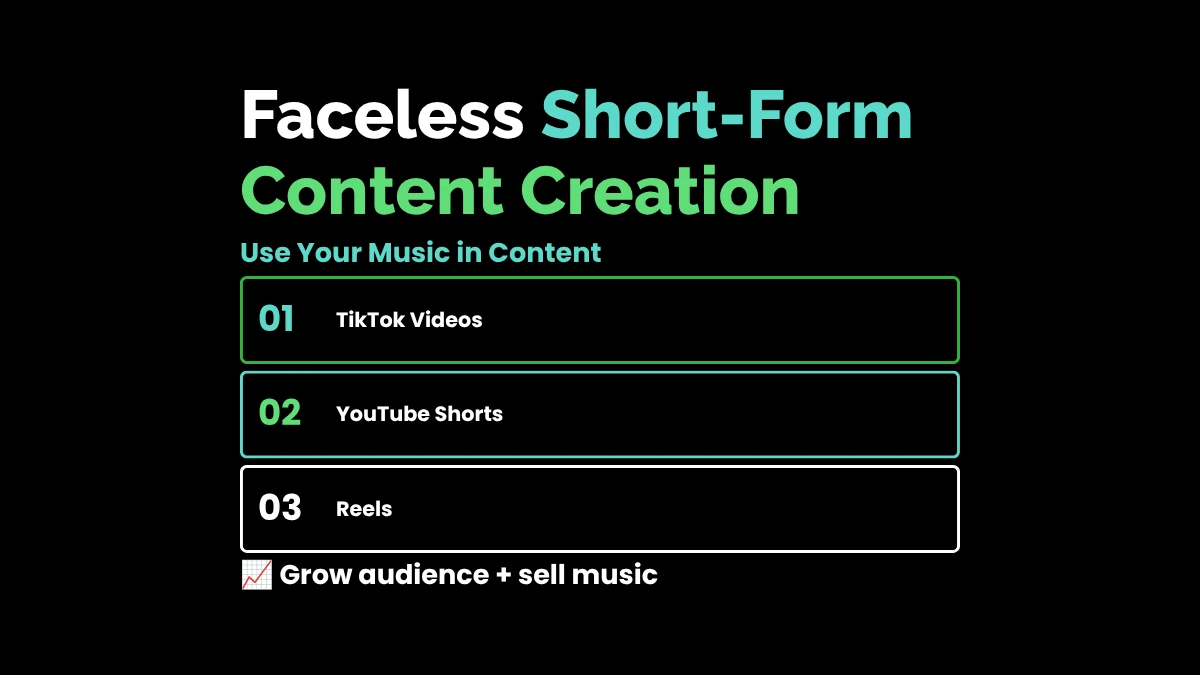
8. Faceless Short-Form Content Creation
Short-form videos on TikTok and YouTube Shorts require high-energy, punchy background drops to keep viewers from scrolling past immediately. You can construct high-tempo electronic beats, pair them with license-free stock footage, and build automated thematic channels.
- Thematic Consistency: Stick strictly to one genre, like dark synthwave or hyperpop, to train the platform’s algorithm.
- Proper Disclosures: In most cases, you must select the ‘altered or synthetic content’ label in your creator backend to remain fully advertiser-friendly.
- Call-to-Action Layer: Use your video descriptions to drive traffic toward your premium beat-selling storefront or brand page.
- Ruthless Quality Curation: For every batch of tracks you export, discard the generic variations and only upload the gems.
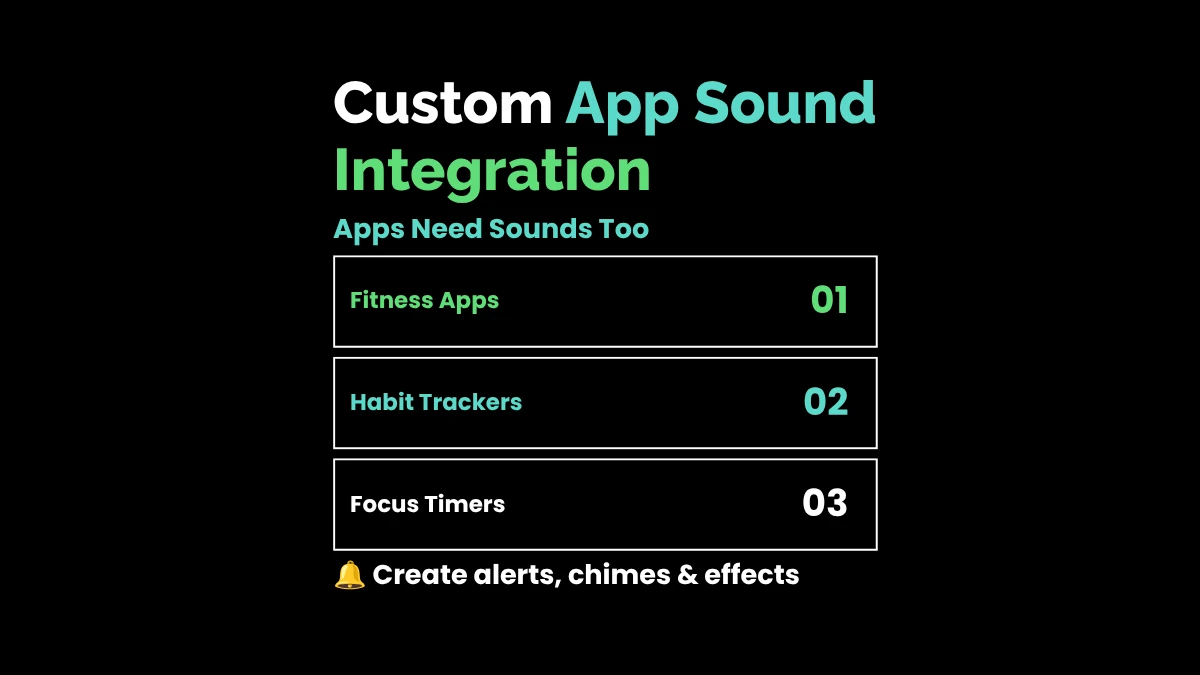
9. Custom App Sound Integration
App developers building fitness tracking platforms, focus timers, or habit builders need integrated audio components.
You can build a B2B service agency that designs the functional sounds inside these apps, like the soft chime signaling a completed workout set. It is a highly repeatable business-to-business model that lets you work with tech startups globally.
The Strategic Path forward for Solo Creators
To turn these ideas into a highly structured, scalable brand like [Weirdwealth], you need to treat your creations like a media publisher would, rather than a traditional touring artist.
Setup to Launch
1. Verify your platform commercial terms: Takes 30 min.
Ensure your chosen generation platform’s subscription plan explicitly grants you full commercial rights to sell the exported audio files.
2. Build a highly searchable direct store: Takes 2 Hours.
Set up a clean digital marketplace on Gumroad, Bandcamp, or a personal website to host your curated audio packs.
3. Establish clear licensing contracts: Takes 1 Hour.
Draft a simple, one-page PDF license agreement detailing exactly how buyers can legally use your audio in their videos.
4. Execute direct client outreach: Ongoing.
Reach out to online creators, local businesses, and app developers to offer tailored audio packages designed for their specific needs.
A Crucial Note on Quality Control: Don’t just upload raw, unedited exports directly to the web. Spend five minutes using free editing tools like Audacity to adjust the EQ levels, compress the peaks, and clean up any sudden volume spikes. This simple extra step instantly makes your tracks sound highly professional.
Elevating Your Creative Income Strategy
At the end of the day, learning how to monetize AI generated music effectively comes down to spotting the hidden infrastructure gaps across the internet.
While everyone else is busy fighting over streaming charts, you can quietly build a highly profitable media catalog by supplying the background audio that keeps businesses running, content moving, and apps functioning.
Approach the work with high standards, categorize your libraries meticulously, and always prioritize helping other creators solve their problems.
If you want more unconventional wealth tactics, keep exploring the resources and operational deep dives over at Weird Wealth to maximize your online operations.
Frequently Asked Questions
Is it legal to monetize AI generated music on streaming networks?
You can monetize AI-generated music if the platform you use grants commercial rights under its terms. Most distributors focus on ownership and originality rather than the software used to create the track. Keep prompt logs and project files as proof of creation in case of copyright disputes.
How do I protect my audio assets from copyright fraud?
Use distributors like DistroKid and register eligible tracks with YouTube Content ID. This helps identify unauthorized use, protect ownership, and potentially collect revenue when others use your music without permission.
Do I need to understand music theory to run this side hustle?
No. Modern AI music tools rely on natural language prompts instead of technical music knowledge. Success depends more on creating strong prompts, selecting quality outputs, and targeting the right audience.
What is the most profitable genre for automated background music?
Genres such as lo-fi beats, ambient soundscapes, meditation audio, and cinematic background music are often in high demand. They work well for videos, podcasts, and voiceovers, making them popular licensing options.
Can local businesses get fined for playing unauthorized audio tracks?
Yes. Businesses that play copyrighted music without proper licensing can face legal and financial penalties. Providing royalty-free or properly licensed custom audio can help businesses avoid these risks while improving their customer experience.