

Save Money on Groceries: You walk into the grocery store planning to buy milk, eggs, bread, and a few things for dinner. Twenty minutes later, your cart is full, the receipt is longer than expected, and you’re wondering how a supposedly quick shopping trip became so expensive.
It’s a familiar problem. Groceries are essential, but small decisions about where you shop, what you buy, and how you use food can make a noticeable difference to your monthly budget.
The smartest ways to save money on groceries are to plan meals around what you already own, compare unit prices, buy store brands, reduce food waste, and shop with a realistic list. You don’t need to survive on instant noodles or eliminate your favorite foods. You need a shopping routine that helps you spend less without making everyday life harder.
Here are 15 practical strategies worth trying, including a few unusual money-saving habits that fit the Weird Wealth approach to managing money differently.
Key Takeaways
- Plan meals before shopping and check your refrigerator, freezer, and pantry first.
- Compare unit prices rather than assuming larger packages or sale items are cheaper.
- Store brands can offer better value than familiar national brands.
- Grocery delivery, convenience purchases, and frequent small shopping trips can increase spending.
- Reducing food waste may save money without requiring you to buy less food.
- Track actual grocery expenses to identify which habits make the biggest difference.
1. Check Your Kitchen Before Buying Anything

One of the easiest ways to waste money at the grocery store is to buy something you already have.
You might forget about the unopened pasta in your pantry or the vegetables sitting in the bottom drawer of your refrigerator.
Before shopping, spend five minutes checking what is available.
Look for ingredients that need to be used soon, meals you can make with what you have, and products you genuinely need to replace.
For example, if you already have rice, frozen vegetables, and chicken, you might only need a sauce or seasoning to prepare dinner.
The goal is simple: build your grocery list around the food you already paid for.
2. Make a Grocery List You Can Actually Follow

A shopping list helps reduce unnecessary purchases, but an overly restrictive list can be difficult to maintain.
Instead of writing random ingredients, organize your list around meals and everyday essentials.
Consider dividing it into produce, proteins, grains, dairy, frozen foods, and household necessities.
Include ingredients for several flexible meals rather than buying something completely different for every dinner.
A good list also leaves room for a reasonable treat or an unexpected bargain that you will genuinely use.
Without that flexibility, you may end up making another shopping trip later.
3. Compare Unit Prices Instead of Package Prices

A large package isn’t always the better deal.
Suppose one bag of rice costs $4 for two pounds, while another costs $7 for four pounds.
The unit prices are different:
| Product | Package price | Cost per pound |
| Rice A | $4 for 2 lb | $2.00 |
| Rice B | $7 for 4 lb | $1.75 |
| Rice C | $10 for 5 lb | $2.00 |
In this example, Rice B offers the lowest cost per pound.
Many US grocery stores display unit prices on shelf labels, although formats vary.
Compare equivalent units and remember that the cheapest bulk option only saves money when you can use or safely store the entire quantity.
4. Give Store Brands a Fair Chance
Brand loyalty can quietly increase grocery spending.
You might purchase the same breakfast cereal, pasta, canned vegetables, or cleaning product every week without checking the alternatives.
Store brands are often priced below comparable national brands, although not always.
Try switching one or two familiar items rather than replacing everything at once.
Products such as oats, flour, frozen vegetables, canned beans, and basic pantry ingredients can be sensible places to start.
If you like the alternative, keep buying it. If the quality isn’t right for you, switch back.
Saving money should not mean forcing yourself to purchase products you dislike.
5. Plan Meals Around Weekly Deals
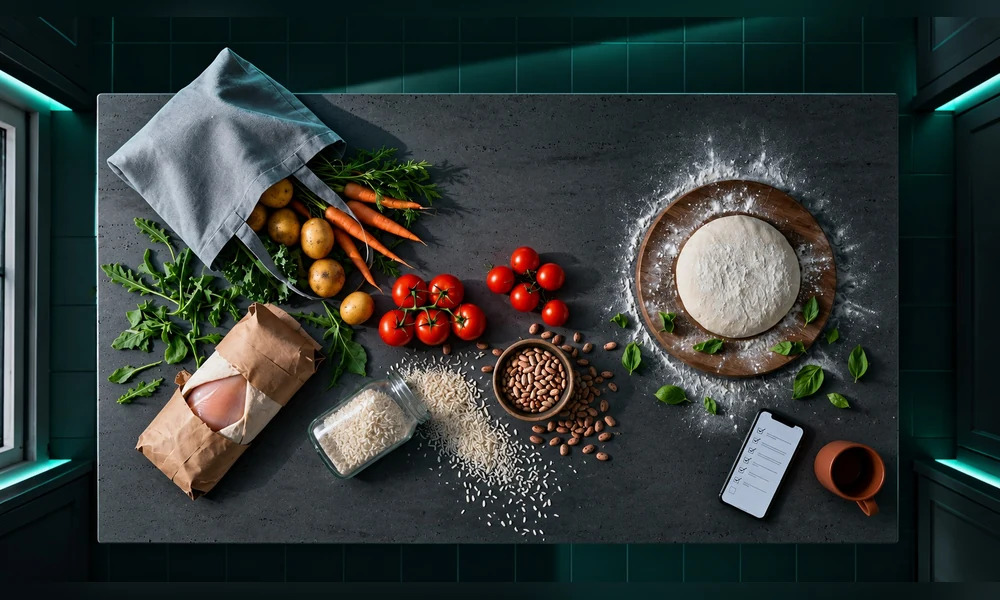
Many shoppers decide what they want to cook before checking prices.
A more flexible approach is to see which ingredients are affordable and build meals around them.
If chicken is on sale, you might plan two chicken-based dinners. If beans, potatoes, or seasonal vegetables are inexpensive, those can become the foundation of several meals.
You don’t need an elaborate meal-planning app.
A simple note on your phone can work:
- Monday: Rice bowls with vegetables
- Tuesday: Pasta with tomato sauce and beans
- Wednesday: Chicken and roasted potatoes
- Thursday: Leftovers
- Friday: Homemade pizza
The meals can change depending on your household’s preferences, dietary needs, and store prices.
6. Stop Buying Groceries Just Because They’re on Sale

A discount only saves money if the item is something you would otherwise buy or genuinely need.
Imagine purchasing three bottles of a sauce because the store advertises a buy-two-get-one promotion.
If you rarely use that sauce, the deal may leave you with more spending and clutter rather than meaningful savings.
Before buying a sale item, ask whether you would still consider purchasing it at its normal price.
Also check expiration dates, package sizes, and any conditions attached to the promotion.
A genuine bargain solves a need. A tempting discount can create a new expense.
7. Use Your Freezer as a Money-Saving Tool
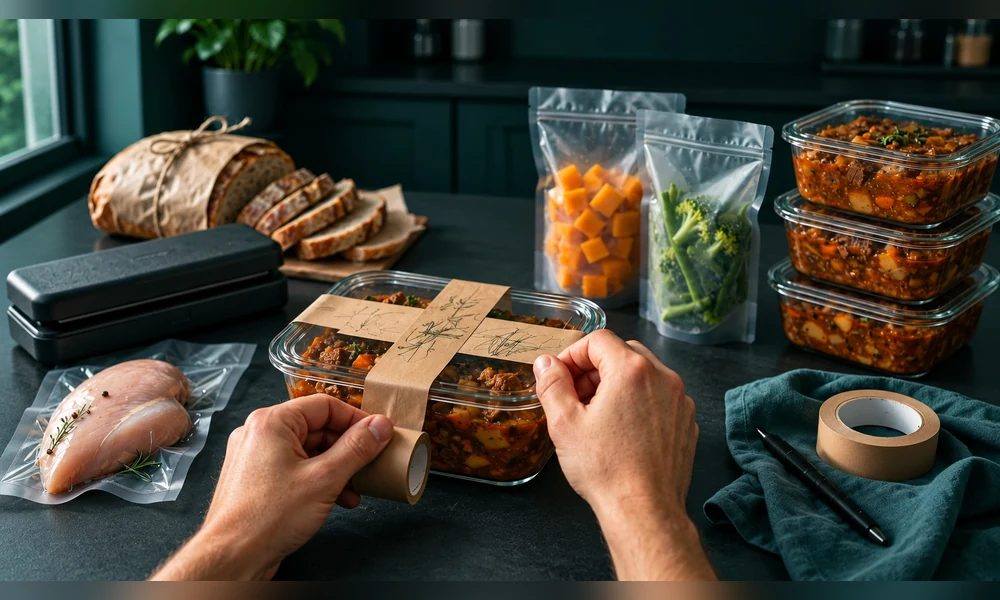
Your freezer can help you take advantage of suitable discounts and prevent edible food from going to waste.
Bread, properly packaged meat, cooked meals, and many vegetables can be frozen for later use.
Label containers with the contents and date so you know what you have.
Freezing food promptly and at the appropriate temperature helps preserve quality and safety. Follow applicable food storage guidance, especially for raw meat, seafood, and cooked leftovers.
A freezer inventory can be useful, too.
If you regularly forget what’s inside, keep a short list on the refrigerator door.
8. Buy Seasonal Produce and Compare Frozen Options

Fresh fruit and vegetables can be expensive when they are out of season or transported long distances.
Seasonal produce may offer better value, depending on your region and store.
Frozen vegetables and fruit are also worth considering.
They can be convenient for smoothies, soups, stir-fries, and meals where fresh texture isn’t essential.
Compare unit prices and look for options without unnecessary added sauces or ingredients.
There’s no need to choose only fresh or only frozen. Combining both can help balance convenience, nutrition, and cost.
9. Choose Flexible Ingredients That Work in Multiple Meals

Some ingredients are easier to stretch across different recipes.
Rice can become a side dish, a bowl, or part of a soup. Eggs can work for breakfast, sandwiches, and certain dinners. Beans can be used in salads, chili, wraps, or rice bowls.
Flexible ingredients help reduce the number of separate products you need to buy.
| Ingredient | Possible uses |
| Rice | Bowls, stir-fries, soups |
| Eggs | Breakfast, sandwiches, baked dishes |
| Beans | Chili, salads, wraps |
| Potatoes | Roasted sides, soups, breakfast dishes |
| Oats | Breakfast, baking, homemade snacks |
| Frozen vegetables | Stir-fries, soups, pasta dishes |
The trick is choosing foods your household actually enjoys eating.
Buying an inexpensive ingredient that nobody wants is not a successful saving strategy.
10. Set a Weekly Grocery Budget With Some Flexibility

A grocery budget works better when it reflects your actual needs.
Instead of choosing an arbitrary number, review what your household has spent over the past month.
Separate groceries from restaurant meals, delivery orders, and nonfood household products so you can understand where the money goes.
Then identify a realistic amount to reduce.
For example, if your household spends $150 per week, you might try bringing that closer to $135 without compromising nutrition or essential needs.
That would represent a potential $15 weekly reduction, or approximately $60 over four weeks.
The amount is illustrative, not a recommended budget for every household.
Food costs vary based on household size, location, dietary needs, and access to stores.
11. Watch Out for Delivery Fees and Convenience Costs
Grocery delivery can be useful, especially for people with limited transportation, mobility challenges, or busy schedules.
But delivery charges, service fees, tips, and product markups may increase the final bill. Before placing an order, compare the total cost rather than looking only at the listed grocery prices. This is similar to planning other expenses, such as managing personal loan costs or finding ways to avoid unnecessary spending.
If delivery helps you avoid impulse purchases or expensive transportation, it may still be worthwhile. The cheapest approach depends on your circumstances.
For some households, one planned pickup or delivery order may be more economical than several unplanned store visits. Even small changes in buying habits, like choosing a planned shopping list over impulse purchases, can make a difference, much like the unusual online business ideas people explore to manage their income.
12. Make Leftovers Part of the Plan

Leftovers are often treated as an inconvenience.
But they can make the next day’s lunch or dinner easier and less expensive.
When preparing a meal, think about how the remaining ingredients could be used.
Extra roasted vegetables might become part of a rice bowl. Cooked beans can be added to a soup. Remaining bread can be frozen before it becomes stale.
Store leftovers promptly and follow food safety guidance for refrigeration, reheating, and disposal.
If you consistently prepare more than your household eats, reduce the recipe size instead of relying on leftovers you may never finish.
13. Compare Stores, but Remember the Cost of Traveling
Different stores may offer better prices on different products.
A discount grocer might offer affordable pantry staples, while another supermarket may have lower prices on produce or meat.
However, driving across town to save a few dollars can become expensive once you consider fuel and time.
Compare the total shopping basket rather than choosing a store based on one heavily discounted product.
If you have multiple stores nearby, consider buying essentials at the one offering the best overall value and visiting another only when the savings justify the trip.
14. Try a Pantry-First Week
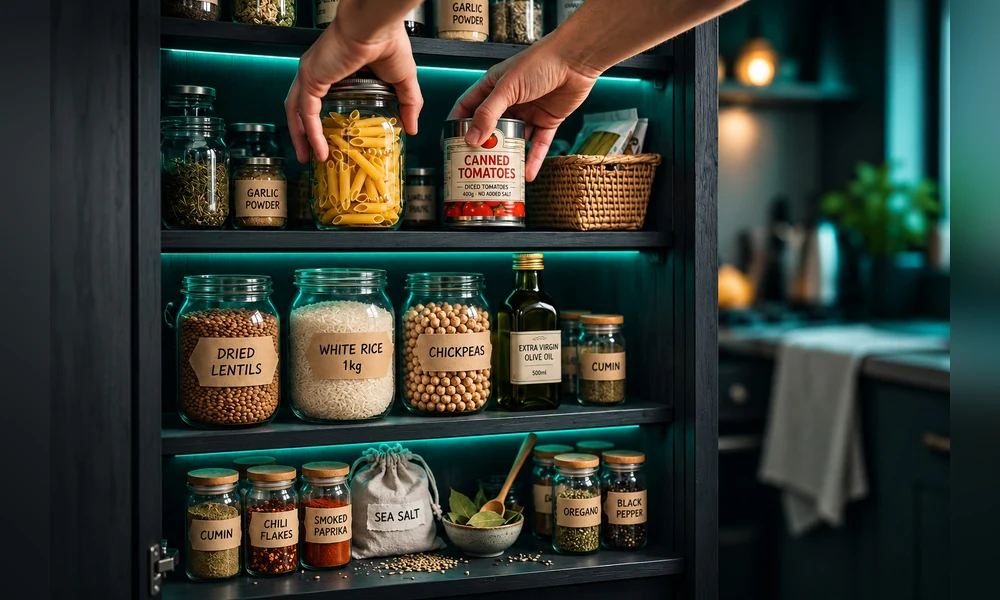
Here’s a slightly unusual money-saving challenge worth trying.
Instead of planning a full grocery trip, build most of your meals around ingredients already in your kitchen for a few days.
You can still buy fresh essentials and anything needed for balanced meals.
The purpose is not to avoid spending at all costs. It’s to use forgotten ingredients before purchasing replacements.
You might discover that you have enough pasta, rice, beans, frozen vegetables, or canned foods to prepare several meals.
This can also help you identify products you keep purchasing but rarely use.
At Weird Wealth, we like approaches that make better use of existing resources before asking you to spend more money.
A pantry-first week is a good example of that principle.
15. Track What You Actually Save

The most effective grocery habit is one you can measure and maintain.
Keep your receipts or record grocery spending for four weeks.
Note any major changes, such as switching to store brands, using a shopping list, reducing delivery orders, or wasting less food.
Compare spending across similar periods while accounting for differences in household needs and grocery prices.
If one habit makes your routine harder without saving much money, it may not be worth keeping.
Focus on sustainable changes rather than trying to minimize every purchase.
Which Grocery Savings Strategies Make the Biggest Difference?
There’s no universal answer, but certain approaches address different spending problems.
| Spending problem | Strategy worth trying |
| Buying duplicate items | Check your kitchen before shopping |
| Spending too much on familiar brands | Compare store brands |
| Food spoiling before use | Meal planning and freezing |
| Overspending on large packages | Compare unit prices |
| Frequent impulse purchases | Shop with a list |
| High delivery expenses | Compare full checkout costs |
| Unused pantry ingredients | Try a pantry-first week |
| Unclear monthly spending | Track receipts and expenses |
A useful starting point is identifying your two largest sources of avoidable spending and working on those first.
Frequently Asked Questions
What are smart ways to save money on groceries?
Start by planning meals, shopping with a list, comparing unit prices, using suitable store-brand alternatives, and reducing food waste. These approaches can help lower unnecessary spending without requiring major dietary changes.
How can I save money on groceries without using coupons?
Compare unit prices, buy flexible ingredients, choose seasonal or frozen produce, prepare meals at home, and avoid buying food you cannot use before it spoils. Coupons are optional rather than essential.
Is buying groceries in bulk always cheaper?
No. Bulk shopping is only worthwhile when the unit price is lower and you can use or safely store the quantity. Otherwise, waste and unnecessary spending can eliminate the savings.
Are store-brand groceries as good as name brands?
Quality varies by product. Many store-brand items can meet the same everyday needs as national brands, but ingredients, taste, and quality may differ. Compare labels and try alternatives individually.
How do I stop wasting money on groceries?
Start by reviewing what you throw away most often. Buy smaller amounts of those products, plan meals that use them, and store food correctly. Tracking waste for a couple of weeks can reveal patterns.
Is grocery budgeting worth it for a small household?
Yes. A grocery budget can help individuals and small households understand spending, avoid unnecessary purchases, and plan meals. The amount should reflect personal dietary needs and local food prices.
Final Thoughts
Saving money on groceries doesn’t require becoming an extreme couponer, visiting five different stores, or giving up the foods you enjoy.
Most of the meaningful improvements come from ordinary decisions: checking what you own, planning a few meals, comparing prices, buying suitable alternatives, and making sure food gets eaten rather than wasted.
Start with two or three strategies and track the results. Once those habits become part of your routine, add others that make sense.
The goal isn’t to spend the absolute minimum on food. It’s to get more value from the money you spend while keeping your meals nutritious, enjoyable, and practical.
That’s a smarter way to build financial breathing room, one grocery trip at a time.