Key Takeaways
- Emotional connection and shock value drive massive word-of-mouth engagement.
- High-budget campaigns aren’t required; bold, creative marketing ideas win.
- Leveraging user-generated content turns everyday consumers into active brand advocates.
- Agility and real-time social media campaigns can instantly outpace traditional advertising.
Have you ever wondered why some brands explode overnight while others drop thousands on ads and get total silence?
It usually comes down to catching lightning in a bottle with viral marketing examples.
Viral marketing relies on rapid, organic word of mouth marketing to turn a simple message into a massive cultural moment.
Instead of forcing paid ads down people’s throats, you craft something so funny, surprising, or useful that folks can’t wait to share it.
If you are looking to build instant brand awareness, taking inspiration from successful marketing campaigns is the best way to start.
Let’s walk through 20 iconic examples that took brands from complete unknowns to unforgettable household names.
AI Overview
Viral marketing happens when creative marketing ideas spread rapidly from person to person, turning everyday brands into cultural phenomena. By leveraging emotional hooks, unexpected guerrilla marketing campaigns, and interactive social media campaigns, businesses spark organic word of mouth marketing without massive ad budgets. From Dollar Shave Club’s hilarious launch to Red Bull’s stratospheric space jump, these brand awareness examples prove that bold storytelling and agile viral advertising can build unforgettable global reach almost overnight.
What Makes a Campaign Go Viral?
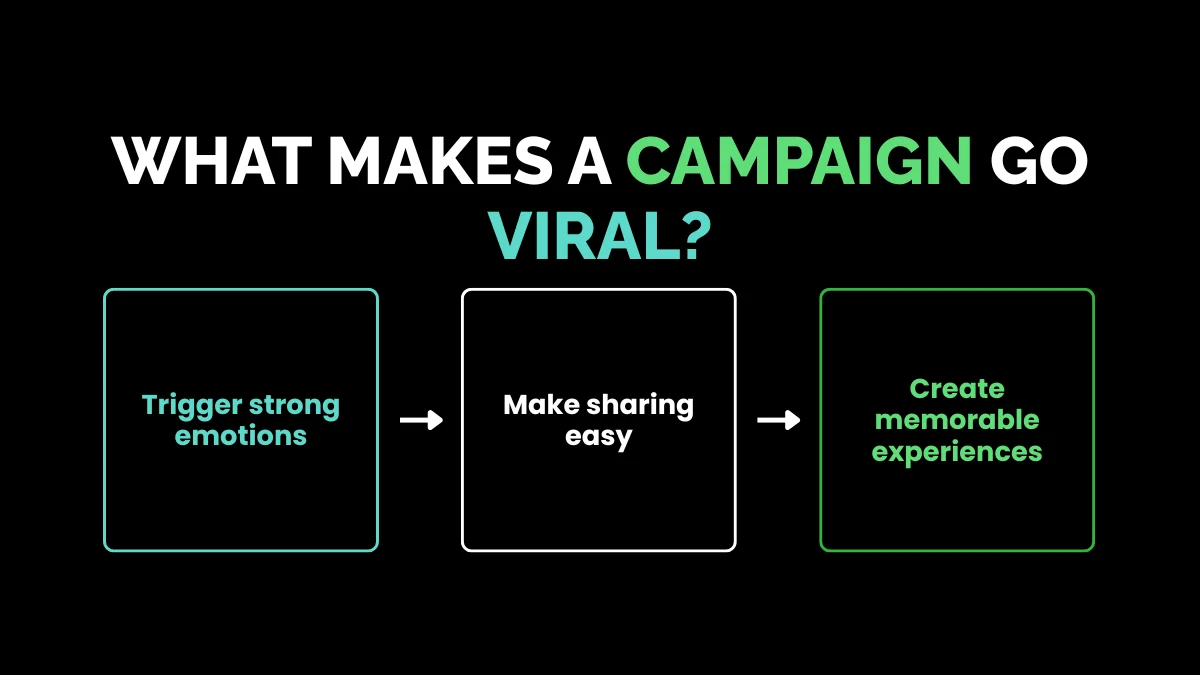
Before diving into the list, what makes people hit that share button?
Across thousands of social media campaigns, a few clear patterns emerge every single time.
| Core Engine | Primary Trigger | Why It Works |
| Emotion | Laughter, awe, or shock | People share content that makes them feel something strongly. |
| Utility | Practical value or free tools | Content that solves a quick problem gets bookmarked and passed along. |
| Audacity | Unconventional marketing | Doing what competitors fear creates instant buzz marketing. |
| Relatability | Everyday human moments | People see themselves in the story and share it to express their identity. |
Creating viral advertising isn’t just about throwing ideas at the wall and hoping something sticks.
It requires a deep understanding of what makes your target audience tick and what drives human psychology.
When you look at popular brand awareness examples, you see that they all tap into fundamental human desires like connection and status.
Whether you are designing low-budget guerrilla marketing campaigns or launching massive global initiatives, the principles stay the exact same.
20 Unforgettable Viral Marketing Examples
1. Dollar Shave Club: “Our Blades Are F***ing Great”
Back in 2012, nobody knew who Dollar Shave Club was.
The founder spent just $4,500 to film a hilarious, dry-humor YouTube video explaining their subscription service.
It broke the internet, crashed their servers, and generated 12,000 orders in the first 48 hours alone.
This remains one of the most famous viral marketing examples in modern history.
By calling out overpriced razor brands directly, they used conversational humor to disrupt an entire established industry.
It showed that creative marketing ideas can easily beat multi-million dollar corporate ad budgets.
2. The ALS Ice Bucket Challenge
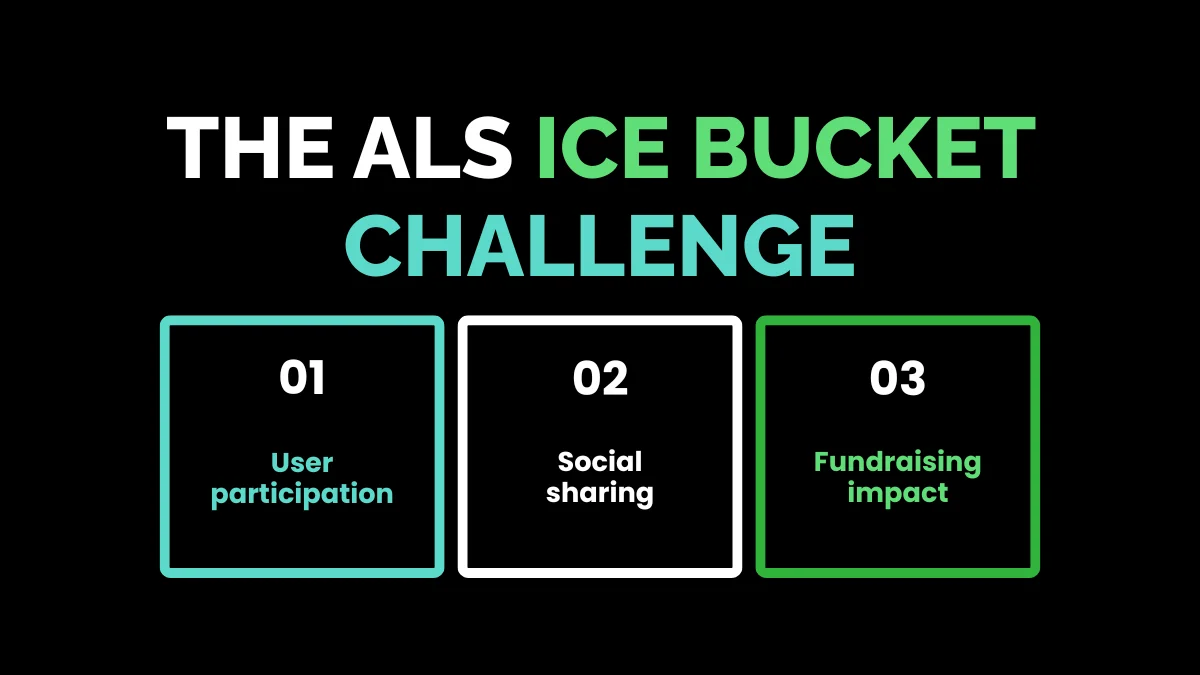
Talk about word of mouth marketing at its absolute peak!
This global phenomenon asked people to dump a bucket of ice water over their heads or donate to ALS research.
It raised over $115 million worldwide because it was simple, highly interactive, and leveraged friendly social pressure on social feeds.
Celebrities, politicians, and everyday people all took part, making it one of the most successful marketing campaigns ever staged.
The brilliant key was giving participants a fun public stage while supporting a genuinely noble cause.
3. Red Bull Stratos: Jump from the Edge of Space
Red Bull didn’t just run traditional ads; they sponsored skydiver Felix Baumgartner as he jumped from 24 miles above the Earth.
Millions of people watched the live stream in real time, holding their breath as he broke the sound barrier.
This extreme stunt perfectly solidified their core brand promise that “Red Bull Gives You Wings.”
It stands as a benchmark for bold viral advertising and high-stakes experiential content creation.
By creating an actual news event instead of a commercial, Red Bull captured global media attention for weeks.
4. Spotify Wrapped
Every December, Spotify gives users a personalized, visually stunning breakdown of their annual listening habits.
It is an absolute masterclass in leveraging user data for word of mouth marketing.
Spotify turns its own listener base into a massive, unpaid marketing team sharing stats all over Instagram and Twitter.
It creates a massive social media surge every single year that competitors still struggle to match.
The lesson here is that customized personal experiences naturally encourage voluntary social sharing.
5. Old Spice: “The Man Your Man Could Smell Like”
Old Spice was widely seen as an outdated, boring brand for grandpas until this legendary campaign launched in 2010.
Using fast-paced, absurd humor, actor Isaiah Mustafa captured the Internet’s attention overnight.
The team even responded to individual fan comments on Twitter with custom personal videos recorded in real time.
Sales shot up by over 125% almost instantly, completely revitalizing the brand’s position in the market.
It proved that even old, dusty brands can achieve viral growth with radical repositioning and sharp wit.
6. Blendtec: “Will It Blend?”
How do you sell a high-powered commercial blender to regular homeowners?
You stick an expensive, brand-new iPhone inside it and hit the blend button.
Blendtec created low-budget YouTube videos blending everything from golf balls and glow sticks to iPads.
These videos proved their product’s extreme durability while pulling in hundreds of millions of organic views over time.
It is a prime demonstration of how showing product performance through shocking visuals creates natural word of mouth marketing.
7. Airbnb: The Obama O’s Campaign
In 2008, Airbnb was a struggling startup barely making enough money to keep the lights on.
The founders bought bulk cereal, designed custom presidential-themed boxes (“Obama O’s” and “Cap’n McCain’s”), and hand-stitched them.
They sold them for $40 per box at political conventions, generating over $30,000 in clean profit.
This unconventional marketing maneuver kept the company afloat long enough to secure their first major venture funding round.
It proves that creative marketing ideas and pure hustle can save a startup when cash runs dry.
8. Frontline: Giant Dog Floor Graphic
Frontline stuck a massive, high-resolution photo of a dog across the floor of a busy multi-story shopping mall.
From the upper levels, shoppers walking across the graphic looked like tiny fleas crawling all over the dog’s back.
It remains one of the cleverest guerrilla marketing campaigns ever executed in a public commercial venue.
It instantly communicated what the product does without relying on a single line of dull advertising copy.
Visual tricks like this stick in people’s minds far longer than standard digital banner ads.
9. Burger King: The Whopper Detour
Burger King offered 1-cent Whoppers on their mobile app, but added a hilarious, high-tech twist.
Customers could only unlock the discount if they came within 600 feet of a rival McDonald’s location.
This bold move drove over 1.5 million app downloads in just nine days, dominating industry headlines.
It showcased how guerrilla marketing campaigns can combine location tech with direct competitor banter to win big.
By playfully trolling their biggest competitor, Burger King created a memorable customer experience that generated massive sales.
10. Dove: Real Beauty Sketches
Dove hired an FBI-trained forensic artist to draw women based entirely on their own self-descriptions.
Then, the artist drew the exact same women based on descriptions provided by total strangers who had just met them.
The stark emotional difference between the two sketches highlighted how overly critical people are of their own appearance.
The video sparked a global conversation on self-image, becoming one of the most viewed viral advertising campaigns of all time.
Connecting your brand to deep human emotion builds powerful, long-lasting trust with your core target audience.
11. Duolingo on TikTok
Duolingo turned their green owl mascot, Duo, into an unhinged, hilariously chaotic TikTok sensation.
By jumping on popular viral audio trends and playfully threatening users who missed their language lessons, they built a massive cult following.
They gained millions of loyal fans without spending a single dime on polished traditional commercial production.
This highlights how staying agile on fast-paced social media platforms can drive immense brand awareness examples.
Embracing meme culture and corporate self-deprecation made language learning feel fun, young, and extremely relatable.
12. Apple: “Shot on iPhone”
Instead of listing complex camera technical specifications, Apple asked everyday users to share their best photos captured on their phones.
The top submissions were selected to appear on giant billboards, print ads, and TV spots across the globe.
It created endless social proof and showcased the camera’s true real-world power through user-generated content.
This simple concept remains one of the longest-running and most successful marketing campaigns in history.
It turns everyday customers into active brand ambassadors by celebrating their real creative achievements.
13. Zoom: Virtual Background Competition
When remote work exploded globally, Zoom held a monthly contest encouraging users to share creative custom virtual backgrounds.
It gave away fun tech prizes to winners who posted their crazy setups on social platforms.
The campaign turned an otherwise standard, corporate video meeting utility into a trendy, shareable social topic.
It is a great example of using lightweight user engagement tactics to strengthen brand awareness examples during a cultural shift.
Small interactive contests give consumers a direct reason to post about your product naturally.
14. IKEA: “Everyday Fabulous” Bus Stops
IKEA replaced cold, uncomfortable wooden bench seats at public bus stops with soft, stylish sofas, throw pillows, and curtains.
It gave everyday commuters a delightful, direct taste of home comfort right in the middle of their daily grind.
This memorable initiative generated widespread local goodwill and sparked thousands of personal photos across social feeds.
It shows how guerrilla marketing campaigns can transform mundane everyday environments into delightful brand experiences.
When you solve a immediate physical discomfort for people, they remember your brand with real gratitude.
15. Popeyes: The Chicken Sandwich War
When Popeyes launched its new crispy chicken sandwich, rival chain Chick-fil-A posted a subtle, defensive jab on Twitter.
Popeyes replied with a brilliantly brief two-word tweet: “…y’all good?”
That simple, witty response set off a massive internet war, causing consumers to stand in lines around the block for hours.
Sandwiches sold out completely nationwide for months, generating millions in earned media exposure from a single tweet.
Real-time social media management allows smaller teams to capture viral attention by reacting instantly to competitor moves.
16. KFC: The “FCK” Bucket Apology
When KFC ran out of chicken across the UK due to a major logistics meltdown, public frustration was running high.
Instead of hiding behind PR jargon, they took out full-page newspaper ads featuring an empty bucket with the letters rearranged to spell “FCK”.
Their hilarious, self-aware, and deeply honest apology instantly defused consumer anger and won widespread praise across the industry.
It turned a potential public relations disaster into a shining masterclass in building genuine brand trust.
Admitting mistakes with genuine humor humanizes your business when things go wrong.
17. TNT: Push to Add Drama
TNT placed a big red button in the middle of a quiet, peaceful Belgian town square next to a sign that read “Push to Add Drama”.
When a curious pedestrian finally pushed the button, an insane live stunt scene erupted immediately around them.
Paramedics dropped patients, martial artists started fighting, and a woman on a motorcycle zoomed past in a wild chase.
The incredible video gained tens of millions of views within days, driving dramatic buzz marketing for the TV network.
Interactive outdoor stunts create unbelievable video content that naturally spreads across digital networks.
18. Weird Wealth: The Underground Hustle Breakdown
At Weird Wealth, we broke down unconventional income strategies and side hustles using visual, highly actionable social media threads.
Instead of dropping dry financial advice or long promotional pitches, we focused on delivering immediate, practical value to readers.
By breaking down real-world financial blueprints clearly, our audience naturally shared our content across their own professional networks.
This steady wave of organic word of mouth marketing brought thousands of active new community members in record time.
Providing clear value without fluff builds instant credibility and long-term brand authority.
19. De Beers: “A Diamond Is Forever”
De Beers tied diamond engagement rings directly to the concept of endless romantic devotion through clever narrative marketing.
Before this campaign launched in the late 1940s, diamond rings were far from a mandatory wedding custom.
This multi-decade initiative reshaped social expectations globally, turning diamonds into a non-negotiable symbol of commitment.
It demonstrates how long-term positioning and strategic storytelling can alter consumer behavior forever.
True viral marketing principles can sometimes shape culture across generations when executed with vision.
20. Coca-Cola: “Share a Coke”
Coca-Cola temporarily removed its iconic corporate logo from bottles, replacing it with the most popular first names in each country.
People rushed to retail stores to search for their own names or buy custom bottles for their friends and family members.
It sparked millions of organic photos on social channels as consumers showed off their personalized drink bottles.
This simple tweak transformed a mass-produced consumer commodity into a highly personal, giftable item.
Mass personalization drives incredible customer engagement because humans naturally love seeing their own identity celebrated.
How Small Brands Can Trigger Big Buzz
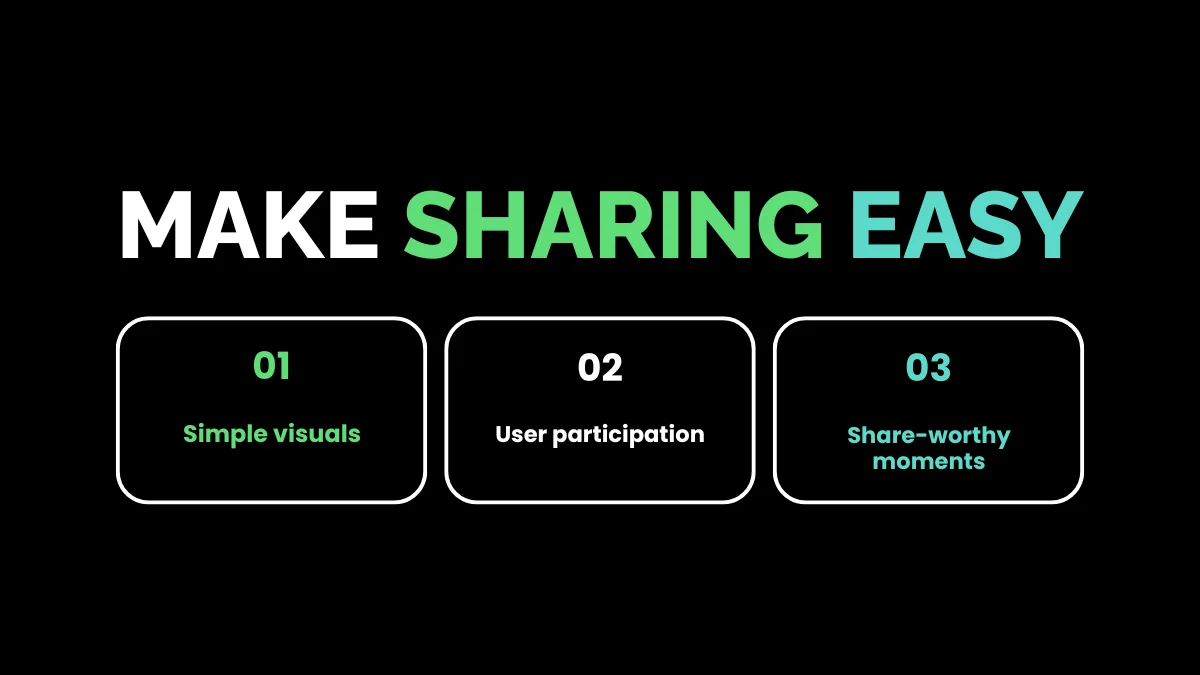
You do not need a multi-million dollar ad budget to execute memorable unconventional marketing campaigns.
Small businesses routinely launch successful marketing campaigns by focusing on sharp creativity, deep empathy, and bold execution.
When we evaluate growth strategies at Weird Wealth, we always emphasize creative resourcefulness over massive ad spends.
Focus on these simple, time-tested structural building blocks to generate real traction:
- Trigger Strong Feelings: Aim directly for strong human emotions like surprise, laughter, nostalgia, or deep inspiration.
- Make Sharing Easy: Build shareable social assets that let your customers show off their unique taste or personality.
- Act Fast: Leverage real-time social media trends to jump on relevant cultural news long before slow corporate rivals can react.
By keeping your message lean and focused, you can outsmart larger competitors who rely purely on brute-force ad budgets.
Unconventional ideas level the playing field, allowing smart startups to punch far above their financial weight class.
Key Lessons from Top Campaigns
Understanding the core mechanical differences between old-school advertising and viral strategies is vital for long-term marketing success.
| Campaign Dimension | Traditional Advertising Approach | Modern Viral Marketing Approach |
| Primary Focus | Highlighting product features and prices | Creating relatable human stories and memorable experiences |
| Distribution Channel | Buying expensive paid media inventory | Cultivating organic social sharing and earned media PR coverage |
| Brand Voice & Tone | Polished, safe, and strictly corporate | Bold, witty, highly conversational, and unconventional |
| Main Objective | Pushing immediate direct sales pitches | Sparking ongoing global conversations and deep consumer engagement |
When you analyze these differences, it becomes clear why traditional ads are increasingly ignored by modern digital consumers.
People have built up a natural defense mechanism against intrusive sales pitches on their phones and television screens.
Viral marketing bypasses those natural defenses by delivering authentic entertainment, humor, or genuine utility first.
Once you establish an emotional connection with an audience, getting them to care about your underlying product becomes vastly easier.
Wrapping Up
Viral marketing isn’t about blind luck; it’s about deeply understanding human behavior, emotions, and social dynamics.
Whether it is a clever floor graphic, a snappy tweet, or an emotional video, the best marketing case studies prove that bold creative ideas beat big budgets every time.
Take these strategic insights, think way outside the traditional advertising box, and give your target audience something truly worth talking about today.
Frequently Asked Questions
What is the core secret of a viral campaign?
The core secret is triggering strong emotional reactions that push people to instantly share content with their personal networks.
Can small businesses execute guerrilla marketing campaigns successfully?
Yes, small businesses excel at guerrilla campaigns because they can take bold creative risks faster than slow corporate competitors.
How do you measure buzz marketing campaign success accurately?
You measure success by tracking key metrics like organic shares, referral web traffic, earned PR coverage, and overall brand search volume.
Are viral advertising strategies safe for all brands?
Not always, because bold humor or edgy concepts can backfire if they clash directly with your core target audience’s values.
How long does it take for content to go viral online?
Content can go viral within a few short hours or slowly build organic momentum over several weeks depending on distribution channels.