

A parked car is not exactly an asset. It is a monthly bill with cup holders. But if you have a vehicle that sits unused for days at a time, car sharing income can turn some of that dead time into cash flow through peer-to-peer rental platforms.
That does not mean every car becomes a money machine. A strong booking month can look great until tires, a deductible, cleaning, depreciation, loan interest, and an unexpected bumper scrape arrive. The weirdly profitable version of car sharing is not “buy a fleet and quit your job.” It is knowing your numbers before the car starts earning.
How car sharing income actually works

Peer-to-peer car sharing lets private owners list their vehicles for short-term rentals. Guests book by the day, owners set availability and pricing, and the platform typically handles payment processing, booking rules, and some level of insurance or protection plan.
For an owner, the appeal is obvious: you already pay for the car, and someone else may help cover the payment, insurance, or maintenance. In high-demand areas, near airports, colleges, downtown neighborhoods, tourist destinations, and major event venues, the opportunity can be especially compelling.
But your gross booking revenue is not your take-home pay. Think of it as the top line, not the prize.
A car listed at $60 per day that rents for 12 days generates $720 in gross revenue. Depending on your platform plan and local demand, the owner payout may be lower after platform fees or protection-plan adjustments. Then come the real-world costs: washing the car, replacing consumables, handling tolls or parking issues, increased maintenance, and the value lost as miles pile up.
The goal is simple: make decisions based on net income, not app screenshots.
The math that decides whether it is worth it
Before listing a car, estimate a conservative monthly profit. Do not use the best month you can imagine. Use a slower month, a few cancellations, and an occasional expense that ruins your vibe.
Start with the money you expect to receive from completed trips. Then subtract your monthly costs that come from renting out the car. That includes platform-related fees, cleaning supplies or paid detailing, extra insurance costs if applicable, parking or delivery expenses, maintenance reserve, and a reserve for repairs.
Depreciation deserves its own line item. More miles generally mean less resale value, even if the car drives perfectly. Electric vehicles can have lower fuel and some maintenance costs, but repair complexity, charging logistics, local charging access, and resale volatility can change the equation. Older economy cars may have lower purchase costs, but more downtime when repairs show up.
Here is a deliberately boring example:
A compact car brings in $900 in owner payouts during a month. You spend $70 on washes and supplies, $100 setting aside for oil changes, tires, and routine wear, $125 for a repair and damage reserve, and $150 for added depreciation and financing exposure. Your working profit is closer to $455 before taxes, not $900.
That can still be useful money. It might cover most of a payment or build an emergency fund. But it is not passive income. It is a tiny rental operation with a steering wheel.
A better way to set your minimum target
Decide what the car needs to accomplish. Maybe it needs to cover its payment. Maybe you want an extra $300 a month. Maybe you are testing whether a future vehicle purchase could justify itself.
Once you have a target, calculate how many booked days you need at a realistic payout per day. If you need $400 net and you average $40 after fees and reserves per rental day, you need roughly 10 good rental days. If your local market cannot support that consistently, the plan needs a different vehicle, a different location, or a hard pass.
No guesswork. No spreadsheet cosplay.
Which cars tend to have the best rental potential?

The best vehicle is not always the flashiest one. Demand usually comes from utility, location, seasonality, and price. A clean, reliable, easy-to-drive compact car can outperform a luxury vehicle if it has a lower daily rate, lower repair risk, and wider appeal.
In many markets, practical categories get the most attention: fuel-efficient sedans, compact SUVs, minivans, pickup trucks, and vehicles with all-wheel drive where weather makes it relevant. A pickup can command strong rates in places where people need help moving, hauling, or running weekend projects. A minivan may do well near family attractions. A convertible may book during peak tourist season, then sit around when the weather turns.
Luxury and performance cars can earn higher daily rates, but they also concentrate risk. Repair bills, depreciation, guest expectations, and damage disputes can be much higher. The gap between a $100 day and a $600 repair is not as exciting as social media makes it look.
For beginners, boring can be beautiful. Reliability, affordable parts, good fuel economy, and broad demand are often more valuable than attention.
Start with the car you already own
Buying a vehicle specifically for rental income is a bigger move than listing an underused car. If you already own a suitable vehicle and can tolerate the extra mileage, testing demand with that car can teach you more than hours of watching “fleet owner” content.
Set a short experiment window, such as 60 to 90 days. Track booking requests, completed trip days, owner payouts, miles added, cleaning time, guest communication, and every expense. You are trying to learn whether your market supports the business, not prove that the idea was brilliant.
If the car is financed, read the loan agreement and understand your insurance requirements before listing. Some lenders, leases, personal auto policies, homeowners associations, apartment complexes, and local rules can create restrictions or complications. A lease is especially worth checking because mileage limits and commercial-use terms can wreck the math fast.
Also consider your own transportation. If the rental car is the one you depend on for work, school, or emergencies, every booking removes your backup plan. Car sharing works better when the vehicle is genuinely available, not when you are constantly hoping a guest returns it before your shift starts.
Car sharing income comes with operational work
The side hustle looks passive only from the guest side. Owners handle availability, messages, pre-trip inspections, post-trip inspections, photos, fuel or charge levels, cleaning, and occasional weirdness.
A guest may return the car spotless and early. Another may leave snack debris, bring it back late, dispute a fee, or report a warning light on a Sunday night. Your systems matter more than your optimism.
Build a repeatable turnover routine. Photograph the exterior, interior, odometer, fuel level, and any existing damage before and after every trip. Keep a simple log for maintenance and guest-related issues. Store basic supplies in the trunk: cleaning wipes, a phone charger, a tire pressure gauge, and clear instructions for fueling or charging.
If you offer airport delivery or remote handoffs, price your time into the service. Driving across town, waiting for a delayed flight, and coordinating access can turn a decent booking into low-paid logistics work. Convenience can raise earnings, but only if the premium exceeds your labor and travel costs.
Protect the downside before chasing more bookings
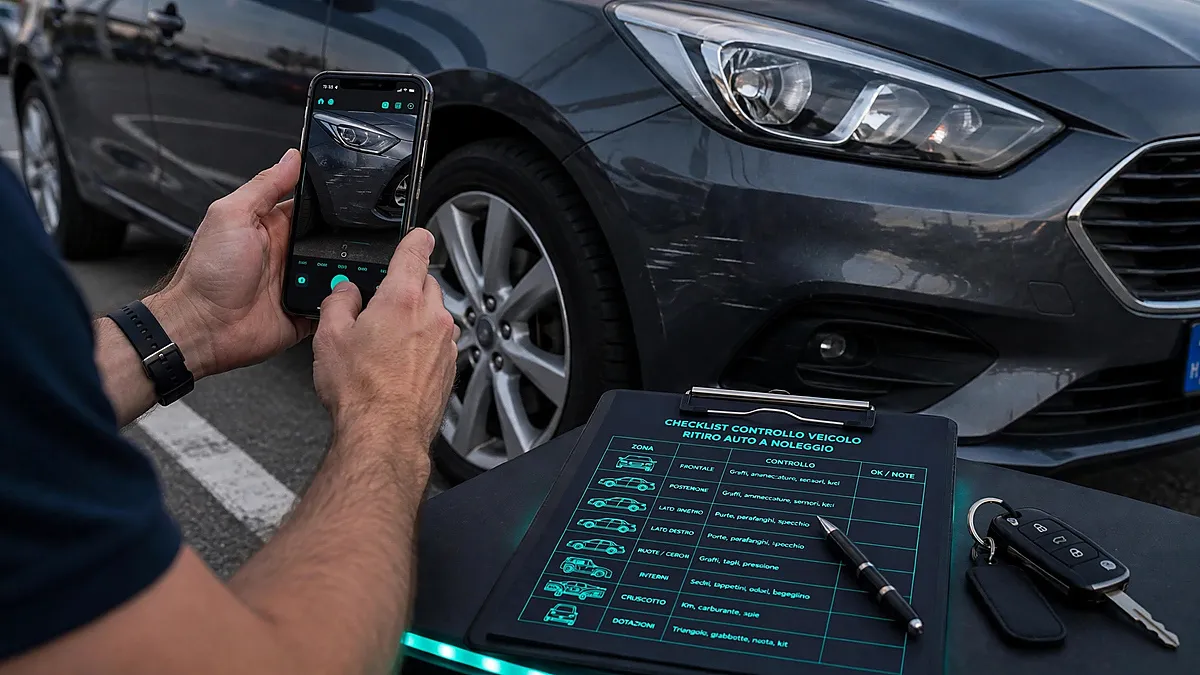
The fastest way to lose money is treating risk as somebody else’s problem. Read the platform’s protection options, exclusions, deductibles, claims process, and required documentation. Understand what happens when a guest damages your car, returns it late, receives a ticket, or drives far beyond the included mileage.
Keep a cash reserve. A car can be unavailable during repairs, claims, maintenance, or seasonal slowdowns, and the payment does not pause just because your listing does. Many owners underestimate downtime because it does not appear as a receipt. It still costs you.
Taxes matter too. Rental earnings are generally taxable, and deductible expenses depend on your situation and records. Save documentation from day one, separate rental-related transactions when possible, and consider talking with a qualified tax professional if the income becomes meaningful. Do not wait until tax season to reconstruct 200 trips from memory.
How to make the experiment more profitable
Pricing is not a set-it-and-forget-it decision. Check comparable vehicles in your area, then adjust based on day of week, holidays, local events, season, and lead time. A lower rate can help a new listing build reviews, but being the cheapest car forever is not a strategy. It is an invitation to work harder for less.
Strong listings reduce friction. Use clear photos in good light, write honest descriptions, state practical features, and avoid promising what the vehicle cannot deliver. A clean car, quick responses, and straightforward pickup instructions often create better reviews than gimmicks.
Pay attention to which trips actually make money. A three-day local booking with an easy pickup may beat a one-day airport delivery at a higher rate. Over time, you can shape availability around the reservations that create the least hassle and the best net return.
Car sharing is a real way to create extra income from an existing asset, especially if your car spends more time parked than moving. Just treat it like a business experiment, not a viral shortcut. Track the numbers, protect your downside, and let actual demand tell you whether this odd little rental business deserves more of your time.
Editorial Note
This article explains the practical factors that influence car sharing income, including rental demand, operating expenses, depreciation, insurance considerations, and vehicle maintenance. The financial example is illustrative and shows how gross revenue differs from estimated profit. Understanding costs and tax obligations, including digital nomad taxes, can help vehicle owners make more informed financial decisions.
Actual results vary by location, vehicle condition, rental platform, protection plan, and booking frequency. Readers should verify current platform terms, lender requirements, and applicable regulations before renting out a vehicle. As with any income opportunity, understanding the underlying economics is essential, much like reviewing tokenomics before evaluating a crypto project.
Frequently Asked Questions
1. How much can you make from car sharing?
Car sharing income depends on your vehicle, location, daily rental rate, and number of completed bookings. Your actual profit will be lower than your gross earnings after platform fees, cleaning, maintenance, depreciation, and other expenses.
2. Is car sharing income passive income?
Car sharing is not completely passive. Owners may need to manage bookings, communicate with guests, clean vehicles, document their condition, and arrange maintenance. Some tasks can be automated, but regular oversight is still important.
3. Is car sharing worth it if you have a car loan?
It can be worthwhile if rental earnings comfortably cover the additional costs and leave a reasonable profit. However, check your loan agreement, lender restrictions, and insurance requirements before listing a financed vehicle.
4. What type of car is best for a car sharing business?
Reliable, fuel-efficient sedans and compact SUVs can be practical choices because they appeal to a broad range of renters. The best option depends on local demand, purchase costs, maintenance expenses, and expected rental rates.
5. What expenses reduce car sharing income?
Common expenses include platform fees, cleaning, maintenance, tires, repairs, depreciation, insurance adjustments, delivery costs, and applicable taxes. Damage deductibles and time spent without bookings can also reduce overall profitability.
6. Do you have to pay taxes on car sharing income?
Rental income may be taxable depending on your country, business structure, and circumstances. Expense deductions and reporting requirements vary by jurisdiction, so maintain accurate records and consult a qualified tax professional when necessary.
Disclaimer
This article is for informational and educational purposes only and should not be considered financial, legal, insurance, or tax advice. Car sharing does not guarantee a profit, and vehicle owners may experience unexpected expenses, damage, or periods without bookings. Review all relevant agreements and calculate your potential costs before making a financial decision.