
Imagine buying Bitcoin, watching its value grow, and then discovering that someone has transferred it out of your wallet without permission. The experience can be devastating, especially when you realize that recovering stolen cryptocurrency is often difficult or impossible.
Choosing between a hot wallet and a cold wallet is one of the most important decisions you can make when managing cryptocurrency. Both let you control your digital assets, but they differ in how they store private keys, connect to the internet, and protect against security threats.
A hot wallet is connected to the internet and is generally more convenient for frequent transactions. A cold wallet keeps private keys offline and is generally better suited to long-term storage. The right choice depends on how often you use crypto, how much you hold, and how carefully you manage security.
Key Takeaways
- Hot wallets are convenient for everyday transactions, decentralized applications, and frequent trading.
- Cold wallets reduce exposure to online attacks by keeping private keys offline.
- Neither wallet type eliminates every risk. Phishing, compromised recovery phrases, malicious transactions, and user mistakes can still lead to losses.
- A hardware wallet is a common form of cold wallet, while mobile, desktop, and browser wallets are usually hot wallets.
- Many crypto holders use both: a hot wallet for smaller spending amounts and cold storage for longer-term holdings.
What Is a Hot Wallet?
A hot wallet is a cryptocurrency wallet whose signing keys are managed in an environment connected to the internet. Common examples include mobile wallet apps, desktop wallets, browser extensions, and many exchange-linked wallets.
Hot wallets are designed for accessibility. You can use them to send cryptocurrency, receive payments, trade tokens, connect to decentralized finance platforms, and interact with blockchain applications.
For example, if you regularly swap tokens on a decentralized exchange, a browser wallet may let you connect to the platform and approve transactions in seconds.
However, internet connectivity creates additional security risks. Malware, malicious browser extensions, phishing websites, and compromised devices may expose your wallet or trick you into approving an unsafe transaction.
How Hot Wallets Work
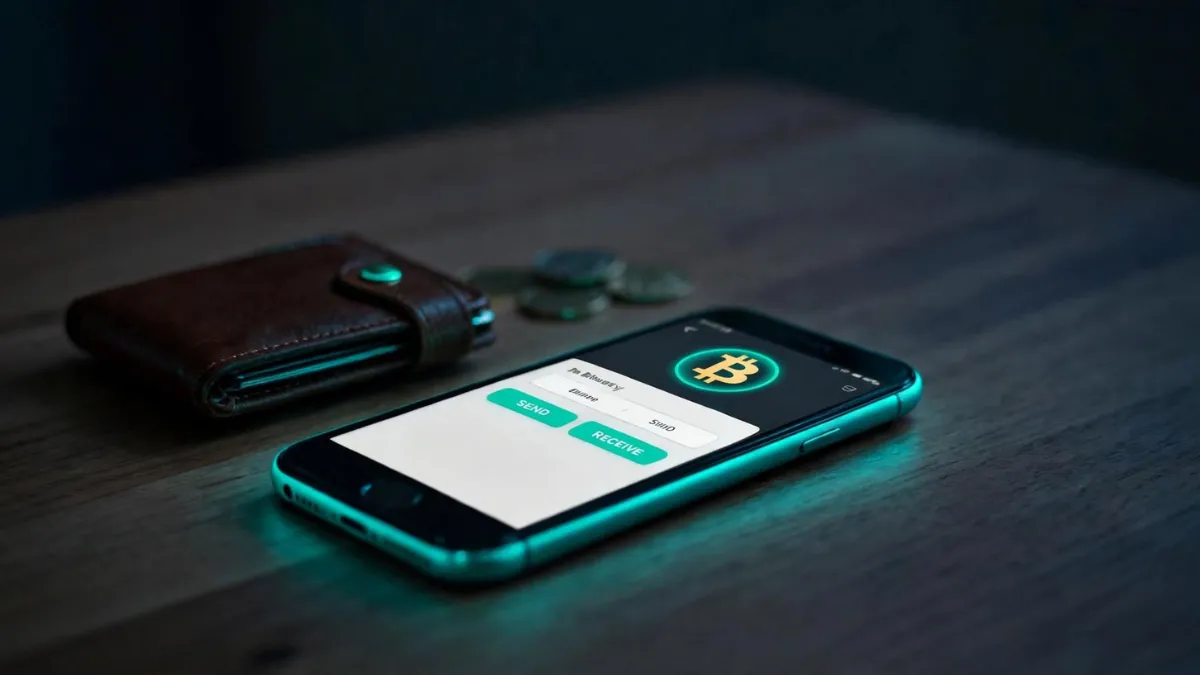
When you create a self-custody hot wallet, the software generates or manages your private keys. These keys allow you to authorize transactions associated with your blockchain addresses.
The wallet communicates with blockchain networks through internet-connected infrastructure. When you send cryptocurrency, it uses the relevant private key to sign the transaction before broadcasting it to the network.
Your cryptocurrency does not literally sit inside the app. The blockchain records balances and transactions, while your wallet manages the credentials needed to control the assets.
Advantages of Hot Wallets
Easy access: You can usually open a wallet on your phone or computer without connecting a separate device.
Fast transactions: Sending funds and interacting with blockchain applications can be straightforward.
DeFi compatibility: Many hot wallets connect directly to decentralized exchanges, lending protocols, NFT marketplaces, and other Web3 services.
Low setup costs: Many software wallets are free to download, although network fees and optional service charges may apply.
Convenient payments: Hot wallets can be useful for people who regularly send, receive, or spend cryptocurrency.
Disadvantages of Hot Wallets
Greater online exposure: Internet-connected devices create opportunities for phishing, malware, and other attacks.
Device dependence: Losing access to a phone or computer can create problems, especially if the recovery phrase is unavailable.
Transaction approval risks: A wallet can be compromised by a user approving a malicious transaction or granting excessive token permissions.
Potential exposure of recovery information: Malware, fake wallet apps, screenshots, cloud backups, or careless storage can reveal a recovery phrase.
A reputable hot wallet can still offer strong protection. The main issue is that its security depends partly on the safety of the connected device and the user’s behavior.
What Is a Cold Wallet?
A cold wallet is a wallet setup that keeps private keys offline when they are not being used to sign transactions. It is commonly chosen by people who want to hold cryptocurrency for months or years without regularly moving it.
Hardware wallets are a popular form of cold storage. These dedicated devices generate or store private keys and are designed to sign transactions without exposing the keys to an internet-connected computer or phone.
Other offline signing arrangements can also qualify as cold storage, but their security depends heavily on how they are created, maintained, and used.
How Cold Wallets Work
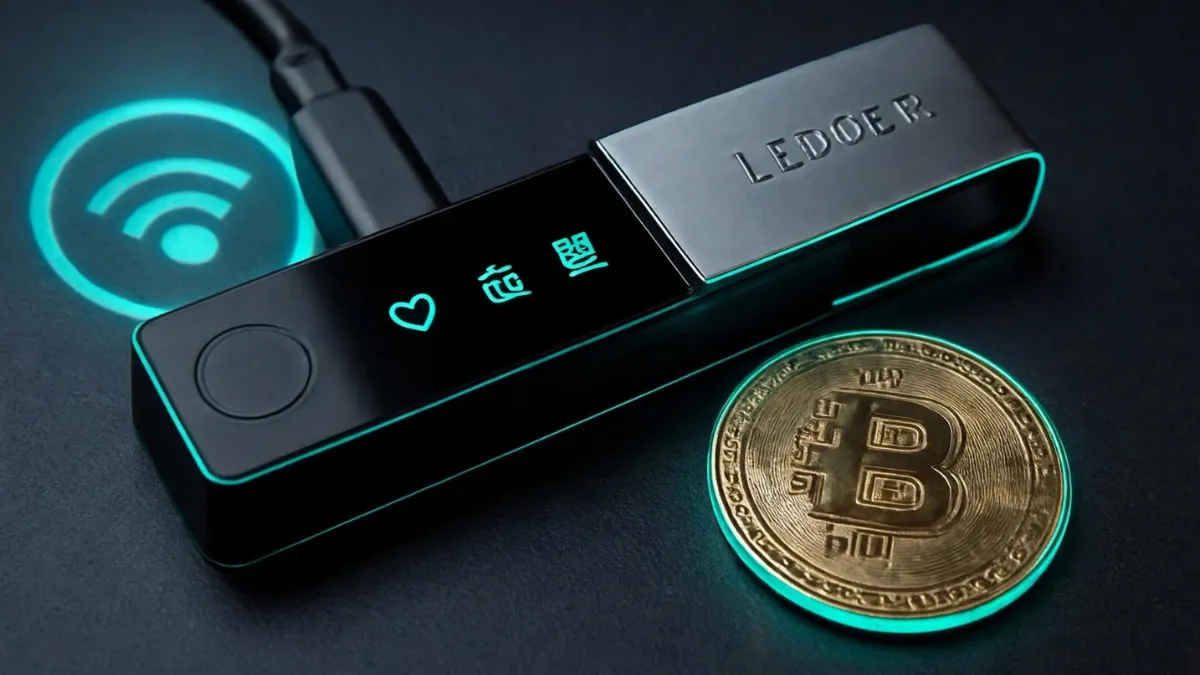
A typical hardware wallet keeps private keys inside the device. When you want to send cryptocurrency, you prepare a transaction using compatible software and review it on the hardware wallet.
The device signs the transaction internally. The signed transaction is then transferred back to an internet-connected device and broadcast to the blockchain.
The private key does not need to leave the hardware wallet during this process.
This separation reduces the chance that ordinary computer malware can directly extract the key. However, it does not guarantee that every transaction is safe. If you approve a fraudulent transfer or interact with a malicious smart contract, a cold wallet cannot automatically protect you from that decision.
Advantages of Cold Wallets
Reduced online exposure: Private keys remain offline during normal storage, reducing exposure to many internet-based attacks.
Suitable for long-term holdings: Cold storage can be useful for assets you do not need to access regularly.
Transaction review: Many hardware wallets provide a separate screen for checking transaction details before signing.
Greater separation from everyday devices: A dedicated wallet can reduce dependence on the security of your main computer or smartphone.
Disadvantages of Cold Wallets
Upfront cost: Established hardware wallets usually cost money, unlike many software wallets.
Less convenient access: You may need to retrieve the device, connect it, and confirm transactions manually.
Physical risks: A device can be lost, damaged, stolen, or become unusable.
Recovery responsibility: If you lose the device, your recovery phrase may be the only way to restore access. If both the device and recovery phrase are lost, recovery may be impossible.
Setup mistakes: Buying a compromised device, mishandling a recovery phrase, or failing to verify transactions can undermine the benefits of cold storage.
Hot Wallet vs. Cold Wallet: Key Differences
| Feature | Hot wallet | Cold wallet |
| Internet connection | Generally connected | Private keys kept offline during storage |
| Convenience | High | Moderate |
| Everyday payments | Usually better suited | Less convenient |
| DeFi and Web3 access | Usually straightforward | Often requires extra steps |
| Exposure to online attacks | Generally higher | Generally lower |
| Typical cost | Often free | Hardware devices usually cost money |
| Long-term storage | Possible with strong security | Often preferred |
| Recovery | Depends on wallet backup and recovery method | Usually depends on a securely stored recovery phrase or other backup |
| Physical damage risk | Depends on the device | Relevant for hardware devices |
| User mistakes | Can cause loss | Can also cause loss |
The central difference is how the private keys are protected, not where the cryptocurrency itself is stored. Both wallet types rely on blockchain records, and both require careful handling of the credentials that control the assets.
Is a Cold Wallet Safer Than a Hot Wallet?
For protecting private keys against many remote attacks, a properly configured cold wallet generally has an advantage. Keeping the keys offline makes it harder for ordinary online malware to steal them directly.
But the word safer needs context.
A cold wallet can still be compromised through a leaked recovery phrase, a malicious transaction, a fraudulent device, or a careless backup process. A hot wallet protected by a secure device, strong authentication, and careful transaction habits may be suitable for smaller amounts used frequently.
Consider three scenarios:
- Frequent trader: A hot wallet may be more practical because funds need to move regularly. Keeping only the amount required for trading in that wallet can limit potential losses.
- Long-term Bitcoin holder: A reputable hardware wallet may provide a better balance of offline key protection and recoverability.
- New crypto user: Starting with a small amount in a well-reviewed wallet and learning how recovery works may be more useful than buying expensive equipment before understanding the basics.
No wallet is completely risk-free. The objective is to match the storage method to your needs while reducing the consequences of mistakes and attacks.
Should You Use Both Hot and Cold Wallets?
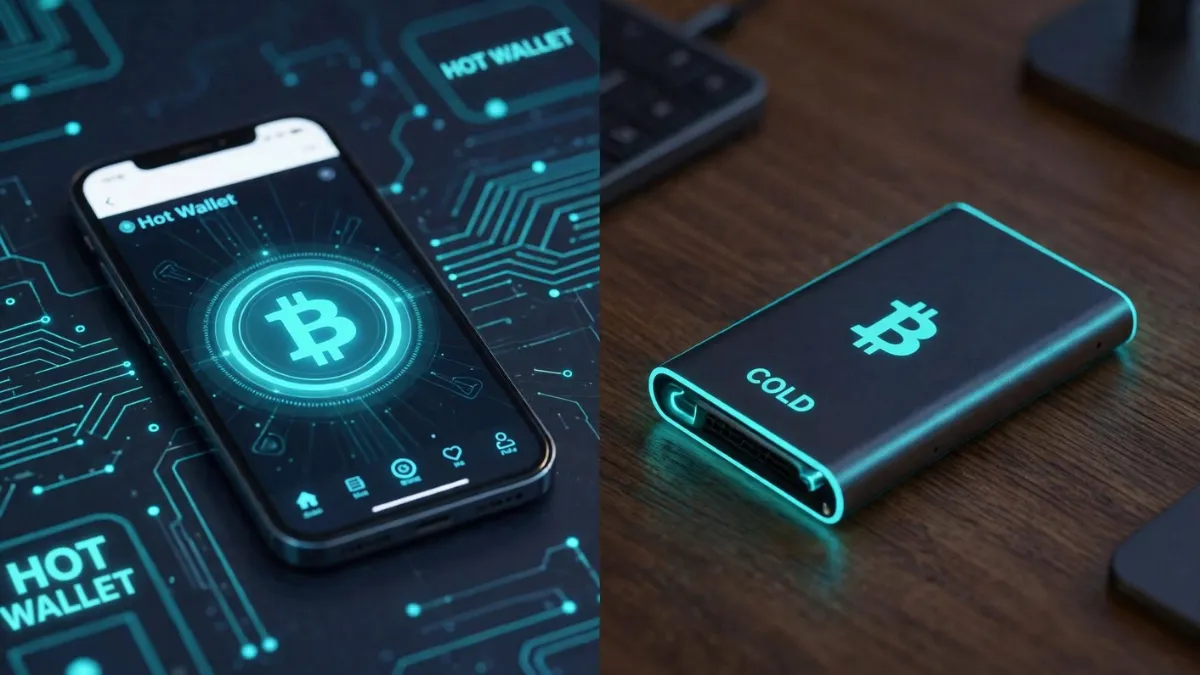
For many people, using both is a practical approach. A hot wallet can serve as a spending account, while a cold wallet acts more like long-term savings storage. Separating these roles reduces the amount of cryptocurrency exposed to the risks associated with frequent transactions.
For example, someone who holds Bitcoin for the long term but occasionally buys other tokens could keep most long-term holdings in cold storage and use a separate hot wallet for smaller transactions. This approach can be useful for people exploring solopreneur success stories and managing their digital assets alongside their business income.
There is no universal percentage that everyone should keep in each wallet. The right allocation depends on your activity, total holdings, transaction needs, and ability to secure backups. Learning from millionaire success stories can also provide broader financial context, but wallet security should always depend on your individual needs and risk tolerance.
A Simple Two-Wallet Setup
- Cold storage for long-term holdings
Use a reputable hardware wallet if it fits your needs. Buy it through an official or authorized channel, follow the manufacturer’s setup instructions, and generate the recovery phrase yourself during setup.
- Hot storage for regular activity
Keep only the amount you are prepared to expose to the additional risks of everyday transactions. Use a wallet with a good security record and download it from a verified source.
- Separate the recovery information
Do not store the cold wallet’s recovery phrase in a screenshot, email draft, cloud drive, or ordinary notes app. Keep it offline in a secure location that you can access if needed.
- Test before transferring substantial funds
Send a small amount first, verify that it arrives at the correct address, and make sure you understand how recovery works before moving larger holdings.
How to Choose the Right Wallet
Before choosing a wallet, ask yourself five questions.
1. How often will you use your cryptocurrency?
If you send funds regularly or interact with decentralized applications, a hot wallet may be more convenient. If you rarely move your assets, cold storage may be a better fit.
2. How much loss could you tolerate?
The more financially significant your holdings are, the more important it becomes to consider offline key protection, recovery planning, and separation from everyday devices.
Do not assume that a wallet’s price or popularity guarantees safety.
3. Can you manage a recovery phrase responsibly?
Self-custody means you are responsible for protecting the credentials that control your funds. A recovery phrase should be kept private and secure, with a backup plan that accounts for theft, fire, water damage, and accidental loss.
If you cannot maintain a reliable backup, consider the risks of self-custody carefully before transferring a large amount.
4. Which blockchains and assets do you need?
Not every wallet supports every blockchain, token standard, or decentralized application. Confirm that the wallet supports the assets you actually own and understand whether particular networks require separate addresses or additional setup.
5. How will you verify transactions?
A wallet should make it possible to understand what you are authorizing. Hardware wallets with independent displays can help you check important details, but you still need to verify the address, amount, network, and transaction permissions.
The SAFE Wallet Selection Checklist
Use this checklist to evaluate any wallet before depositing significant funds.
- S — Source: Download software from the official source and purchase hardware through a trusted channel.
- A — Access: Understand how you will unlock the wallet and recover it if your device is lost.
- F — Funds: Keep everyday transaction funds separate from long-term holdings where practical.
- E — Examine: Verify addresses, network details, transaction amounts, and smart-contract permissions before approving anything.
This checklist is not a guarantee against loss. It is a way to make wallet selection and daily use more deliberate.
Common Hot and Cold Wallet Mistakes
Keeping all your crypto in one hot wallet
Using one internet-connected wallet for every asset may make transactions convenient, but it can also concentrate risk. Separating long-term holdings from spending funds can reduce the impact of a compromised wallet.
Sharing a recovery phrase with someone
A legitimate wallet support representative should never need your recovery phrase. Anyone who obtains it may be able to take control of your funds. Just as solopreneur success stories show the importance of protecting business assets, crypto users must take security seriously. Never enter your recovery phrase into a website or form because a message claims your wallet will be suspended, upgraded, or verified.
Assuming a hardware wallet makes every transaction safe
Hardware wallets protect private keys, but they cannot determine whether a transaction matches your intentions in every situation. Malicious token approvals and deceptive transactions can still result in losses.
Buying hardware from an untrusted seller
A device or its packaging may have been tampered with. Use a trusted source, follow the official initialization process, and never accept a device that arrives with a recovery phrase already supplied.
Forgetting about recovery
A wallet device is replaceable only if you have a valid recovery method and understand how to use it. Store recovery information securely and check that your plan accounts for emergencies.
Frequently Asked Questions
Is a hot wallet or cold wallet better for beginners?
A hot wallet can be easier for learning small transactions, while a cold wallet may be more suitable when you want to secure long-term holdings. Beginners should start with small amounts and understand wallet recovery before moving significant funds.
Can a cold wallet be hacked?
Cold wallets reduce certain online attack risks, but they are not immune to every threat. A stolen recovery phrase, fraudulent device, malicious transaction, or user mistake can still result in loss.
Can I receive cryptocurrency while using a cold wallet?
Yes. You can generally share a public wallet address to receive cryptocurrency without connecting your private keys to the internet. Receiving funds does not normally require signing a transaction.
What happens if I lose my hardware wallet?
If you have a valid recovery phrase or another supported backup, you can usually restore your wallet using a compatible recovery process. Without a usable backup, access to your assets may be permanently lost.
Is a crypto exchange wallet hot or cold?
It depends on how the exchange manages its custody system. Exchanges may keep some assets in hot wallets for withdrawals and others in cold storage. However, an exchange account is custodial: the platform controls the private keys, so you depend on its security, policies, and continued operation.
Do I need a cold wallet if I only own a small amount of crypto?
Not necessarily. A secure hot wallet may be sufficient for small amounts used for learning or regular transactions. Consider the value of your holdings, your security needs, and the cost and responsibility of maintaining cold storage.
Is cold storage free?
Some offline storage methods can be set up without buying a dedicated device, but they may require technical knowledge and careful procedures. Hardware wallets generally involve an upfront purchase cost. Avoid choosing an improvised setup without understanding its risks.
Final Verdict
Hot wallets and cold wallets serve different purposes. A hot wallet prioritizes convenience and accessibility, making it useful for frequent transactions. A cold wallet prioritizes keeping private keys offline, making it a strong option for many long-term holders.
For many self-custody users, the practical approach is to keep everyday funds in a hot wallet and long-term holdings in a properly secured cold wallet. Whichever option you choose, protect your recovery phrase, verify every transaction, and never assume that wallet software or hardware can eliminate all risk.
Financial disclaimer:
This article is for educational purposes only and is not financial, investment, or cybersecurity advice tailored to your circumstances. Cryptocurrency involves substantial risk, including the possibility of losing your entire investment. Research wallet providers carefully and make decisions based on your own needs and risk tolerance.