
A business owner does not always need a full-time marketer, designer, or assistant. Sometimes they need 15 product photos renamed, three short videos captioned, or a messy spreadsheet cleaned up before lunch. That gap is where micro freelance trends are getting interesting. Tiny, defined jobs are becoming legitimate entry points for people who want online income without pretending to be a full-service agency on day one.
This is not a promise of easy money. Small gigs can be competitive, low-paying, and annoyingly inconsistent. But they can also be a low-cost way to turn one usable skill into cash flow, proof of work, and a clearer idea of what people will actually pay you for. No elite credentials. No massive portfolio. Just a useful outcome delivered well.
What Micro Freelance Trends Actually Mean
Micro freelancing is selling a narrow service with a clear scope, quick turnaround, and a defined deliverable. Think: editing five vertical videos, finding 30 qualified local leads, formatting an email newsletter, turning a podcast clip into social posts, or creating a simple Notion dashboard.
The difference between micro freelancing and random online tasks is value. Clicking through surveys or completing mystery offers may produce pocket change, but it does not build much leverage. A micro service solves a small business problem. It can be repeated, improved, priced better, and eventually bundled into a higher-value offer.
The trend is being pushed by two forces at once. Businesses want help without committing to a salaried hire, and more workers want flexible income without committing to a giant freelance business. The sweet spot is a task that feels too small for an agency but too annoying for the client to do alone.
Why Small Services Are Having a Moment
AI has not erased freelance work. It has changed what clients buy. A business can generate a rough draft, but it still needs someone to fact-check it, shape it to the brand voice, load it into a content system, or turn it into something customers will actually use. The money is increasingly in judgment, cleanup, organization, and execution.
Short-form content has also created a steady stream of tiny operational jobs. A creator may record one long video, then need it clipped, subtitled, titled, posted, and repurposed across platforms. None of those steps is especially glamorous. That is exactly why they are sellable.
Then there is the anti-corporate reality: plenty of people are tired of applying for jobs that demand five years of experience for entry-level pay. A narrowly packaged service lets you skip some of that gatekeeping. You do not need to convince a company you are their forever employee. You need to show one person that you can remove one headache.
The Micro Freelance Trends Worth Watching
The best opportunities are not always the weirdest. They are the ones connected to recurring business needs, where a client can quickly see the result.
AI output cleanup and humanization
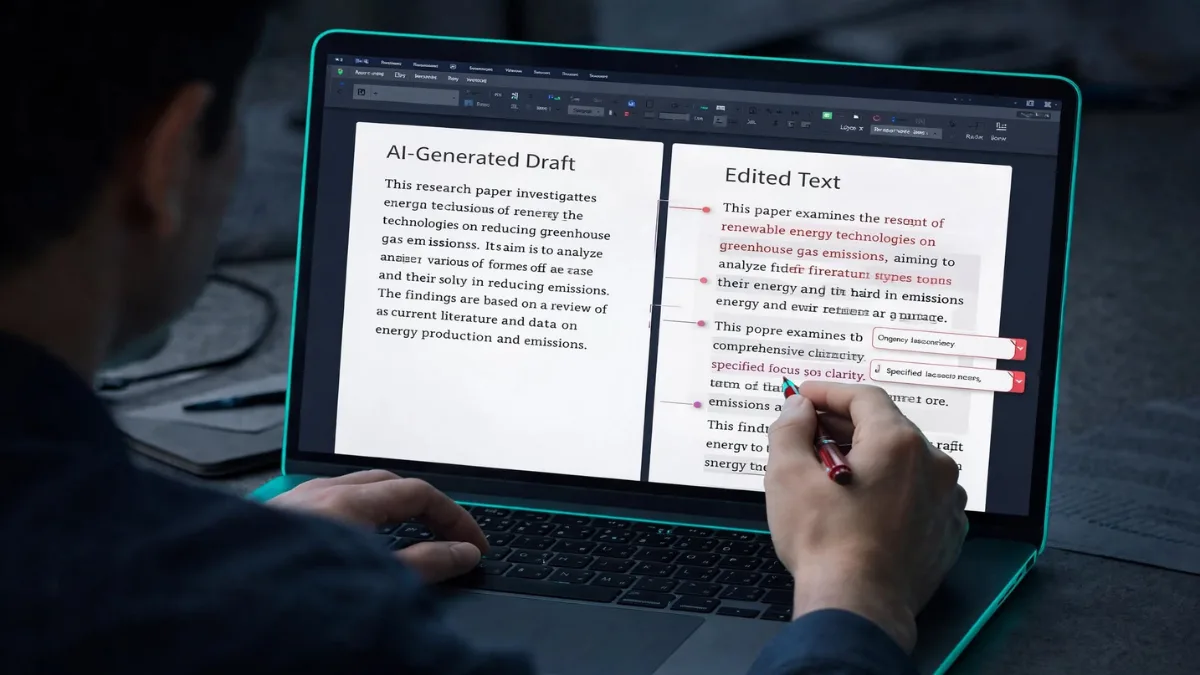
Businesses are producing more drafts, notes, transcripts, and support responses with AI tools. Many of those outputs are awkward, inaccurate, repetitive, or off-brand. A useful micro service is editing AI-assisted content for clarity, factual accuracy, formatting, and a specific voice.
The trade-off is that “I edit AI content” is too broad. Sell a tighter result instead: five polished product descriptions, a cleaned-up customer FAQ, or ten social captions rewritten for a local business. The narrower the promise, the easier it is for a stranger to say yes.
Short-form video finishing
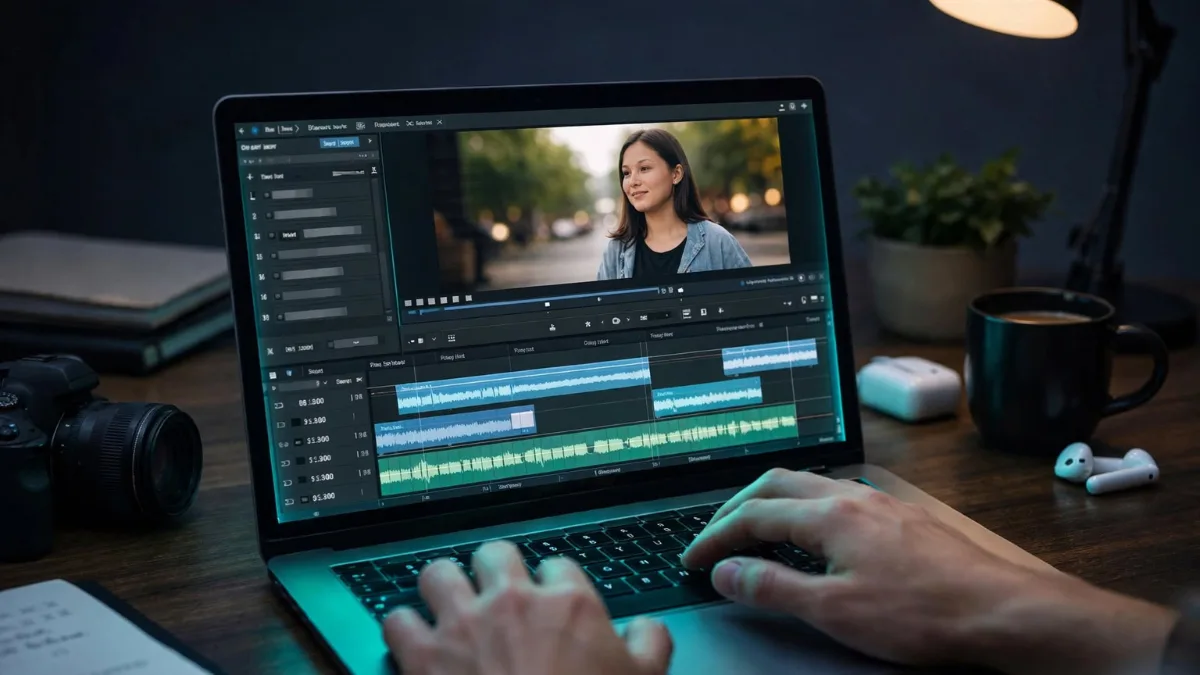
Raw footage is everywhere. Finished video is not. Creators and small businesses need clips trimmed, captions corrected, hooks tested, B-roll added, and files exported in the right dimensions.
You do not have to be a cinematic genius to start. A basic offer could be one 30- to 60-second captioned clip from a supplied recording. As your speed improves, you can add thumbnail frames, post copy, and content repurposing. Be careful with pricing here: revisions can quietly eat your entire hourly rate. Set a revision limit before the work begins.
Digital organization for messy businesses

A surprising number of online businesses run on chaotic folders, half-built spreadsheets, and notes scattered across apps. If you are the friend who color-codes a group trip, you may have a sellable skill.
This can look like organizing a shared drive, building a client onboarding tracker, formatting a basic CRM, cleaning a contact list, or setting up a simple project board. It is not flashy, but it is useful. Clients often care less about the tool than about finally knowing where everything lives.
Local-business visibility tasks
Small local businesses frequently need tiny digital fixes: updated service descriptions, a batch of review-response templates, appointment reminder copy, menu formatting, photo labels, or a month of simple social post ideas.
This works especially well if you understand a niche. A yoga studio, mobile detailer, dog groomer, and dentist do not need identical messaging. Pick an industry you can talk to naturally, then offer one specific improvement. Being niche can feel limiting at first. It usually makes selling easier.
Creator support that is not “be my virtual assistant”
Generic virtual assistant offers can disappear into a crowded ocean. Specific creator support stands out more. Offer to turn a weekly newsletter into five social posts, upload and format podcast episodes, create a sponsor tracking sheet, or sort inbound brand inquiries.
Creators buy consistency. If you can deliver the same useful thing every week without making them explain the process again, you become harder to replace. That is how a $30 task can grow into a monthly retainer.
How to Pick Your First Tiny Offer
Do not start by asking, “What gig is hottest?” Start with three questions: What can I do reasonably well now? What problem do people repeatedly complain about? What result can I finish in one sitting or one business day?
Your first offer should have a visible before-and-after. “I help with social media” is foggy. “I turn one webinar recording into three captioned vertical clips within 48 hours” is concrete. It gives the buyer a deliverable, a timeline, and a reason to care.
Keep the first version almost ridiculously small. You are not building a full brand strategy. You are testing whether someone will pay for a useful outcome. A starter price can be modest while you learn, but do not price yourself like a disposable task rabbit forever. Track how long the work takes, what clients request, and where revisions pile up. That data tells you what to change.
A Low-Drama Way to Test Demand
Build one sample before hunting for clients. If you want to offer video captions, make a sample from public-domain or permission-based footage. If you want to organize a workspace, create a demo board for a fictional bakery. The goal is not to fake client work. It is to make your offer easy to visualize.
Next, write a short pitch focused on the problem, not your biography. Something like: “I noticed your recent videos do not have burned-in captions. I can turn one existing clip into a captioned vertical video you can post this week.” Direct beats dramatic.
Contact people who visibly have the problem you solve. A creator posting long videos but no clips is a better prospect than a random business owner. A local shop with outdated digital information is a better prospect than a polished national brand. Personalized outreach takes longer, but it has a better shot than blasting the same message to 200 strangers.
Use a simple operating system: one offer, one sample, a small list of prospects, a daily outreach target, and a record of replies. Weird Wealth is not about chasing every shiny hustle. It is about running small experiments until one starts acting like a real income stream.
Micro Freelance Trends: The Part Most “Easy Money” Posts Leave Out
Micro freelancing can become a race to the bottom if you sell interchangeable labor. If your pitch is “I can do anything online,” you will compete with everyone who says the same thing. Specificity is your escape route.
There is also a ceiling on tiny tasks. A $15 job that takes 45 minutes is not a business model once you factor in messaging, revisions, payment processing, and admin. Use small jobs to learn, earn testimonials, and identify repeatable work. Then raise your minimum, package related tasks, or offer a recurring version.
Protect yourself with basic boundaries. Confirm the deliverable in writing, request payment terms before starting, limit revisions, and avoid doing large “test projects” for free. A brief paid trial is reasonable. An entire week of unpaid work is not.
Earnings are never guaranteed. Demand, skill, communication, reliability, and your ability to find clients all matter. But micro freelance work has one major advantage over fantasy-income content: you can test it quickly. You can know within a few weeks whether your offer gets attention, needs adjustment, or deserves to be replaced.
Start smaller than your ego wants. Finish faster than clients expect. Then make the weirdly specific thing you are good at weirdly profitable.
Experience, Expertise, Authoritativeness, and Trust
This article provides practical guidance on micro freelancing based on common freelance service models, small-business needs, and established online work practices. The recommendations focus on clear deliverables, realistic expectations, and responsible client management.
Readers should evaluate each opportunity based on their skills, available time, platform terms, and evidence of genuine client demand. Examples in this article are illustrative and do not represent guaranteed earnings or verified client results.
FAQs
1. What is micro freelancing?
Micro freelancing means offering small, specific services online for payment. Examples include captioning short videos, cleaning spreadsheets, editing product descriptions, and organizing digital files.
2. Which micro freelance tasks are best for beginners?
AI content editing, basic video captioning, data organization, product listing updates, and social media formatting are practical starting points. Choose a task that matches your current skills.
3. Can you earn money from micro freelancing without experience?
Yes, beginners can start with a small service and a sample project that demonstrates their abilities. However, finding clients and earning consistently takes practice, reliable delivery, and effective communication.
4. Where can beginners find micro freelance jobs?
Beginners can explore platforms such as Fiverr and Upwork, alongside direct outreach to creators and small businesses. Competition, platform fees, and client requirements vary.
5. How much can micro freelancers earn?
Earnings depend on the task, pricing, experience, client demand, and time spent finding work. Small gigs may provide modest extra income, but there is no guaranteed amount or consistent flow of orders.
6. Can micro freelancing become a full-time business?
Yes, some freelancers grow by increasing prices, combining related services, and securing recurring clients. The key is moving beyond low-priced individual tasks toward services that deliver measurable value.
Disclaimer
This article is for informational and educational purposes only. Micro freelancing involves uncertainty, competition, and potential financial risk. Earnings are not guaranteed and depend on individual circumstances and market demand. Always review platform fees, payment policies, client agreements, and applicable tax obligations before accepting work.