
Most big businesses didn’t start in a fancy office. They started with one person who got tired of a problem and decided to fix it. That’s why I like Solopreneur Success Stories. They show normal people turning a skill or a small idea into a real business. Let me be real with you, this isn’t a get-rich-quick story. You can start small and learn what people actually want. You don’t need a team on day one.
Key Takeaways
- Pick a problem people already complain about. Skip whatever is trending this week.
- You probably know more than you think. Writing, design, coding, teaching, any of it can turn into a business.
- Don’t build the whole thing first. Try a small offer and see if anyone actually pays.
- Trust takes time. Do good work and your customers will bring in their friends.
- Watch your numbers. Making sales doesn’t always mean you’re making money.
- Be patient. A few famous stories don’t show what most people go through.
What Is a Solopreneur?
A solopreneur is someone who runs their own business, usually all by themselves. They don’t have a team working for them. Some freelance, some sell digital stuff online, and some run a small online shop. Others build apps or offer a service they’re really good at.
It’s not like having a normal job. You make your own offer and find your own customers. You also do most of the work yourself like marketing and sales and answering customers and handling money.
So is a developer who builds paid websites. So is a teacher who sells online courses. Some people stay solo for years. Others hire help when the business grows. The main thing is that you start with something you can handle yourself.
1. Sara Blakely and How Spanx Started
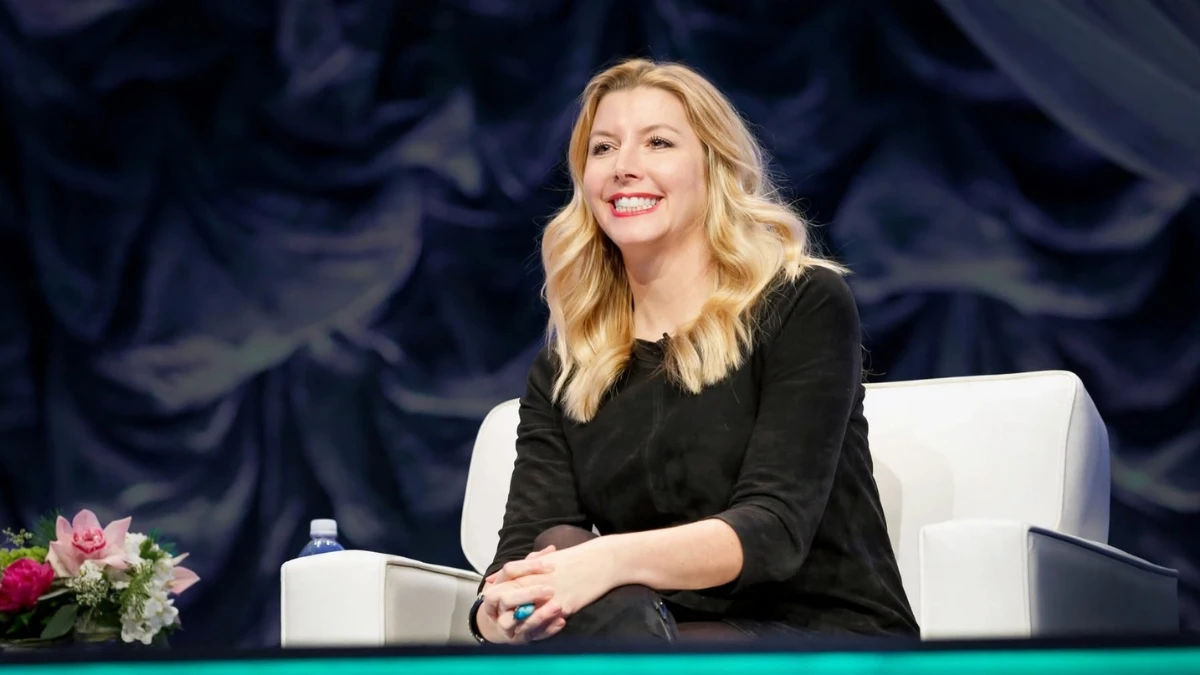
Big ideas often come from small everyday problems. Sara Blakely’s story is a good example.
Before Spanx she worked in sales. She wanted a smoother look under her white trousers. So she cut the feet off a pair of control top pantyhose and tried it out.
That little experiment gave her an idea. She didn’t wait for a big company to fix the problem. She started working on a product herself.
According to Stanford Graduate School of Business she started Spanx in 2000 with $5,000 from her savings. In the early days she did a lot of the work herself. She sold the product and packed it and shipped the orders. Manufacturers said no at first but she kept looking for a way.
Spanx later grew into a big shapewear brand. But the best part of her story isn’t the money. It’s how she went after the problem.
Solopreneur Success Stories: So what can you learn from her?
- Start with a real problem. It’s easier to sell when people already feel the pain.
- Don’t quit after one no. One rejection doesn’t mean your idea is bad.
- Say the benefit clearly. People need to know why your product is worth buying.
You also don’t need a brand new invention. Making an everyday thing better or easier can be enough.
2. Pieter Levels and Online Businesses Without a Big Team

Small online products can grow when they fix a clear problem. Pieter Levels is a good example.
He’s known for Nomad List and Remote OK. Most startups look for investors and hire a team before they launch. He did it differently.
Nomad List started because he wanted useful info about cities for people who work online from anywhere. He wanted to compare things like internet speed and living costs and weather. A simple resource slowly grew into a website that many people use.
He has said that a shared spreadsheet of cities got people interested first. Later it turned into a bigger site. He also built Remote OK which is a job board for remote work.
So a solo business doesn’t need a physical product. A useful website or a paid subscription or a software tool can earn money too.
But please don’t think his results are normal. He has years of experience building online products. He has also shared his income in public. Those numbers come from him and nobody outside has checked them. So don’t treat them as proven profit.
So what can you take from his story?
- Build what people already need. If the problem is clear, customers will show up.
- Test early. Put out a simple first version and see if anyone cares.
- Listen to your users. They’ll tell you what to fix next.
If you know a bit of web design, coding or marketing, you could try the same thing. Maybe a small website that lists helpful stuff for one group of people. Or a simple online tool. Or a paid guide.
3. The Freelance Writer Who Sells One Skill Well
A skill becomes a business when you offer it in a clear and simple way. Not every solopreneur story is about someone famous. Many solo businesses start with a service the person already knows how to do.
Picture a freelance writer who writes blog posts for small companies. At first they take one job at a time and charge for each piece. Then they notice that some clients keep asking for website content and updates.
So they stop hunting for a new client every time. They offer monthly packages instead. Clients get steady work. The writer knows roughly how much work and money to expect each month.
This is just an example to explain the idea. It’s not a real person with a recorded story. But it shows how a freelance skill can grow into a stronger solo business.
The same thing works for designers and video editors and virtual assistants and social media helpers and web developers.
So how can you use this?
Pick one service you can do well every time. Choose one type of customer like local shops or online stores or independent professionals. Then find out what they need the most.
After that keep your offer simple. Don’t say you do everything. Offer one clear service with a clear delivery date and a clear price. You can also explore high-paying remote jobs to discover opportunities that match your skills.
Later you can raise your prices or improve how you work or offer ongoing help. You don’t need hundreds of customers. A smaller group that values your work and pays fairly can be enough.
4. Turning Your Knowledge Into a Digital Product
What you know can become something people buy again and again. A digital product is something people buy and use online. It could be an ebook or a template or a printable planner or a design file or a recorded course.
Imagine someone who spent years building spreadsheets to manage their money. Friends see them and ask for copies. That person could tidy up the file and sell it as a budget template.
This is also just an example and not a real founder. But it shows how a skill or a habit can turn into a product.
With freelance work every new project takes more of your time. A digital product can often be sold many times without remaking it for each buyer. That doesn’t mean it’s fully hands off though. You still have to promote it and answer questions and update it and pay fees to the selling platform.
So what makes people buy a digital product?
A good one saves time or makes a task easier or helps someone reach a clear goal. A confusing template won’t sell for long even if it looks nice.
Before you build the whole thing ask people what they struggle with. Show a small sample or explain how it works. You can also try a basic version with a few interested buyers.
That way you don’t waste weeks on something nobody wants. You also learn which parts people will really pay for.
5. A Small Online Business Built Around One Group of People
Serving one clear group often works better than trying to reach everyone. Some solopreneurs build their whole business around one small topic. They might write guides for home gardeners or help people find jobs or teach one skill.
The group may be tiny at first. But if your info truly helps them they come back. They tell others. And over time they may want other things you offer too.
Say someone knows a lot about indoor plants. They could write care guides and sell plant care schedules and offer one on one advice. Every offer is for the same people so the business grows without jumping between random ideas. If you are exploring different ways to earn from your skills or knowledge you can also check out these 100 ways to make money for more ideas.
Trust is everything here. Readers want correct facts and clear explanations and honest advice. They don’t want a pile of sales messages.
This matters for sites like WeirdWealth too. Useful articles about side hustles and budgeting and small business ideas help readers make better choices. Content like that should answer real questions and not promise easy money.
So how can you make this work?
Pick a topic you know or are ready to learn properly. Find the questions people ask the most. Then make helpful guides that answer them.
After that you can think about how to earn. That could be paid downloads or recommending products you trust and earning a small cut or a service linked to your topic. Each one has different costs and duties. So choose what fits your readers and don’t try everything at once.
Solopreneur Success Stories: What Do These Stories Have in Common?
The stories look different but they share a few simple things. These are much more useful to copy than the money numbers or the famous image of a founder.
- They fix a clear problem. The product exists for a reason beyond making money.
- They start with what they have. Skills or savings or knowing the customer or a rough first version is enough to test an idea.
- They learn from people. Customer reactions help them get better.
- They work on finding customers. A good product still needs people to find it and understand it and buy it.
- They keep costs low. Low costs give a new business more time to find steady buyers.
- They keep improving. Businesses get better through many small fixes and not one big move.
None of this promises success. Timing and competition and pricing and your own situation all matter. But it gives you an honest place to start.
How Can You Start Your Own Solopreneur Business?

You don’t need a perfect plan to begin. But you should know what you’re selling and who might buy it and what it costs you to deliver it.
The U.S. Small Business Administration suggests you look into what customers want and who your competitors are. It also suggests you plan your business and guess your startup costs before you launch. Working out your costs can also show you when your income starts to cover them.
Here’s a simple way to get going.
Step 1: Pick One Realistic Idea
Start with something you already know well. It could be a skill, a product or a problem you understand. Freelancing, tutoring, digital products, giving advice and small online tools can all work. What fits you best depends on your skills and how much money you have.
Don’t pick something just because a stranger online says it makes thousands a month. Their market and costs and free time may be nothing like yours.
Step 2: Check If People Want It
Look at what others offer. Ask what they use now and what annoys them and what they’d pay to fix. Interest alone doesn’t prove much. Real sales and paid trials and serious questions are much stronger signs.
Step 3: Make a Simple First Offer
You don’t need a full website or fancy branding or lots of products yet. A clear service page or a small sample or a basic working product can be enough to test your idea. Keep the first version easy to handle.
Step 4: Find Your First Paying Customers
Share useful work. Join the right online groups. Or write content that answers your readers’ questions.
Pick what fits your customers. A business for local companies may do well with direct messages. A specialist online resource may grow through Google search and an email list.
Step 5: Track Your Money and Not Just Your Sales
Write down your income and your business costs and your taxes. Also note how much time the work takes. Revenue is the money coming in. Profit is what’s left after costs.
You can have lots of sales and still struggle if your costs are too high. When you know your numbers you can decide to change your prices or cut costs or change your offer.
Editorial Transparency
This WeirdWealth article uses public founder interviews and business school material and small business guidance. The named examples come from published accounts. The freelance writer and digital product and online group stories are examples to explain ideas. They aren’t claims about real verified founders.
Income numbers shared by founders may come from the founders themselves and can change over time. Please don’t treat them as checked profit or as a promise of what you’ll earn.
Frequently Asked Questions
What is a good example of a solopreneur success story?
Sara Blakely is a great one. She started Spanx with $5,000 of her own savings after she got fed up with the clothes she could find. Her story shows that a simple idea and steady work can grow into something much bigger.
Can you become a solopreneur with no money?
You can start some service businesses with very little money if you already have the skills and tools. Freelancing and tutoring and some online services usually cost less than businesses that need stock. But even cheap businesses have some costs. And earning money is never guaranteed.
What are the best solopreneur ideas for beginners?
Freelance writing and graphic design and virtual assistant work and tutoring and web development and digital products are all worth a look.
How long does it take to become profitable?
There’s no fixed time. Some businesses make a profit fast. Others need months or even years. Startup costs and pricing and competition and repeat buyers all play a part.
Is a solopreneur the same as a freelancer?
Not really, but they’re pretty close. A freelancer mostly sells their skills or their time to clients. A solopreneur can do that too, but they might also sell products or subscriptions or software. Lots of people start as freelancers and slowly turn it into a proper business, and they never have to hire anyone to do it.
Can I run a solopreneur business and keep my full time job?
Yes, many people do. Just make sure you can handle the extra work and that your job doesn’t have rules against it. Starting part time is a smart way to see if people actually want what you offer before you give up your steady income. Read your work contract first, and don’t forget to leave time for rest and your family.
Disclaimer:
This article is for general educational purposes only. It isn’t financial or legal or tax advice. Results are different for every person and depend on demand and costs and other things. Do your own research and talk to a qualified professional when you need to.