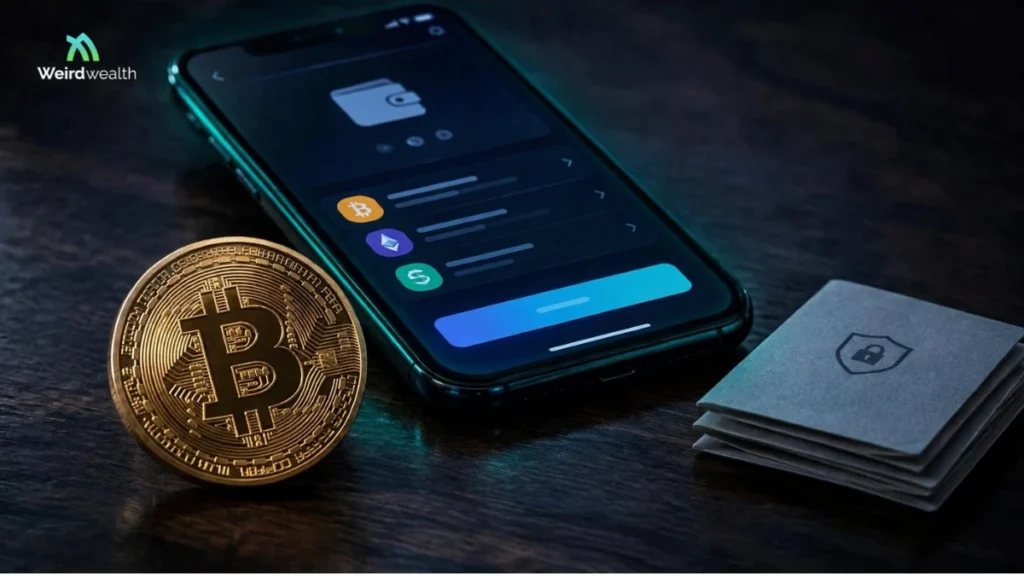
Your Bitcoin stack can start at $20, but one careless screenshot of your recovery phrase can make that stack somebody else’s weirdly profitable day. Finding the best bitcoin wallet is less about chasing the most hyped app and more about matching your setup to how much Bitcoin you own, how often you move it, and how much responsibility you can realistically handle.
There is no one wallet that wins for every person. A beginner buying small amounts weekly has different needs from a freelancer paid in Bitcoin or a long-term holder building a serious position. The goal is simple: make your Bitcoin usable without making it easy to lose.
What a Bitcoin wallet actually does
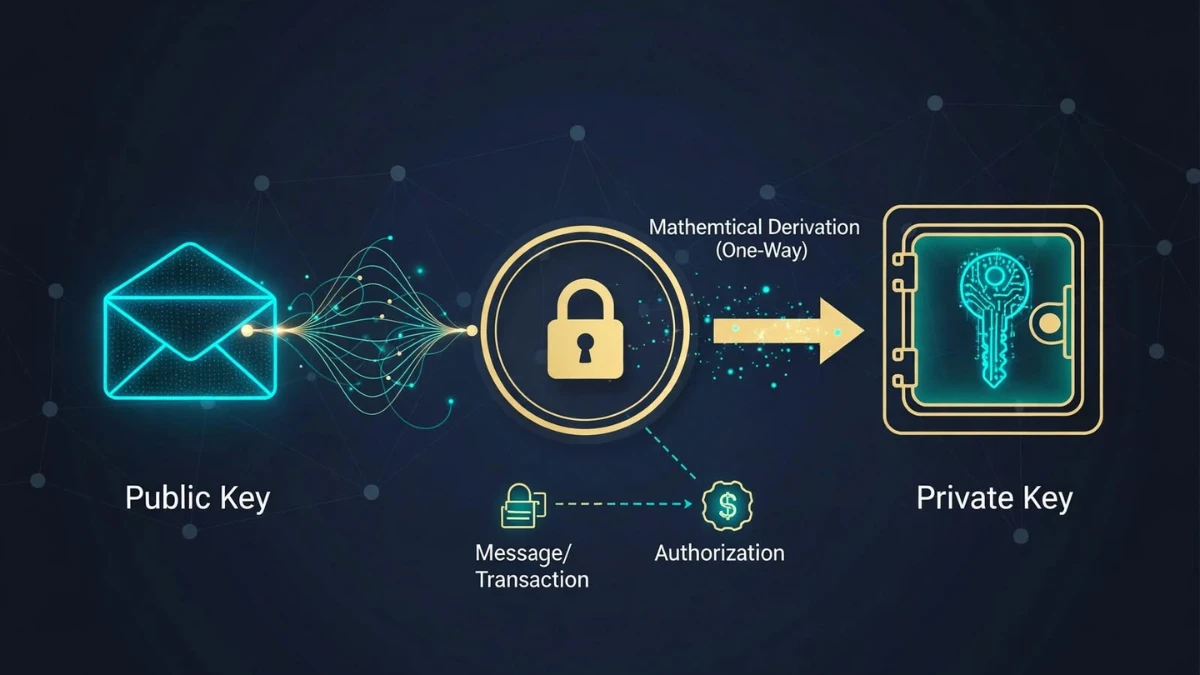
A Bitcoin wallet does not technically hold coins the way a leather wallet holds cash. Your Bitcoin exists on the blockchain. The wallet manages the private keys that prove you can spend it.
That distinction matters because whoever controls the keys controls the Bitcoin. If an exchange holds the keys, the exchange has custody. If you hold your recovery phrase and private keys, you have self-custody. Neither route is automatically right or wrong, but they carry very different trade-offs.
Custodial wallets are easier. You can reset access through customer support, use a familiar login, and often buy or sell in the same place. The downside is counterparty risk: an account freeze, a hacked platform, or a company failure can affect your access.
Self-custody puts you in charge. No company can block a valid transaction from your wallet, but no company can rescue you if you lose your recovery phrase either. No gatekeeping. Also, no undo button.
The best bitcoin wallet depends on your job
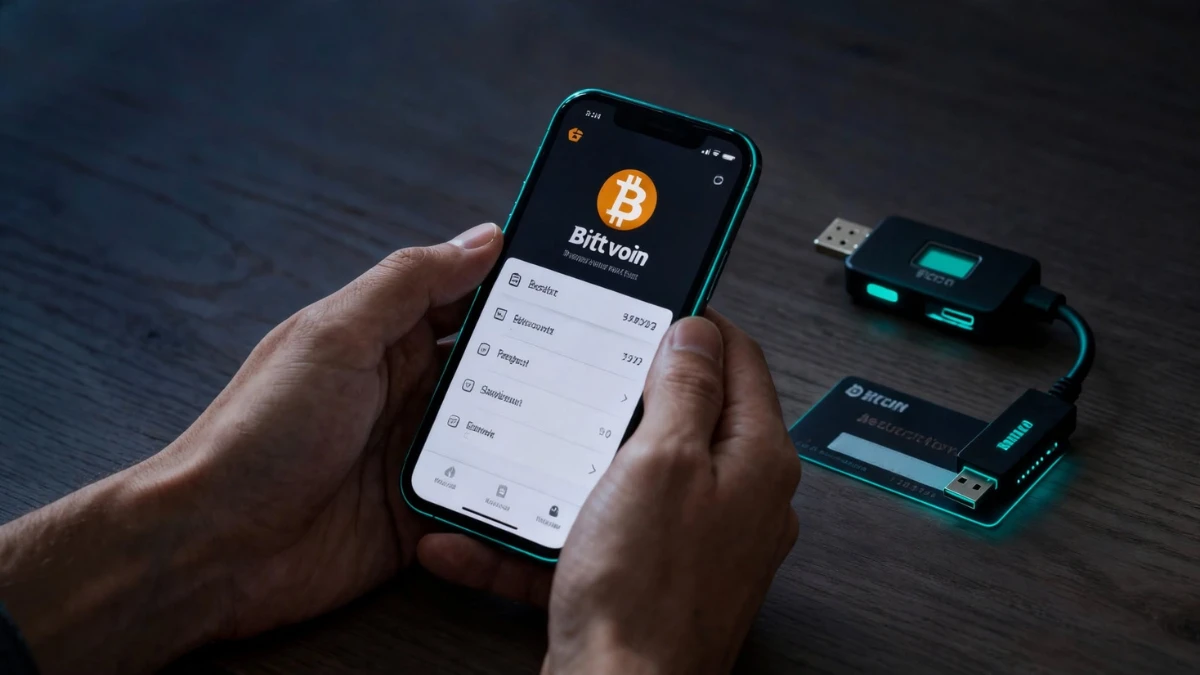
Before picking a brand or device, pick your use case. Most people do better with a simple two-wallet system than with a single “perfect” wallet.
A hot wallet is connected to the internet, usually through a phone or desktop app. It is useful for small balances, learning how transactions work, and receiving payments. Think of it as your spending wallet.
A cold wallet, often a hardware device, keeps signing keys offline. It is a better fit for long-term holdings you do not plan to touch often. Think of it as your savings vault.
For many beginners, the practical answer is to keep a modest amount in a hot wallet and move the rest to cold storage once the balance would genuinely hurt to lose. That threshold is personal. For one person it is $200. For another, it is a month of rent.
If you are buying your first $50 to $500 of Bitcoin
Start with a reputable mobile wallet that gives you control of the recovery phrase. BlueWallet and Blockstream Green are commonly used examples for Bitcoin-focused self-custody. They are built around Bitcoin rather than trying to be a casino lobby for every trending token.
Mobile wallets are convenient, but convenience needs guardrails. Use a unique phone passcode, enable the wallet’s security features, and write down the recovery phrase offline. Do not store it in Notes, email it to yourself, or take a photo “just for now.” Phones get lost. Cloud accounts get compromised. Screenshots get backed up in places people forget exist.
If you are only experimenting, a custodial balance on a major exchange can be a temporary on-ramp. Just do not confuse a trading account with a long-term vault. Learn how to withdraw a small test amount to your own wallet early. That one move teaches more than ten crypto podcasts.
If Bitcoin is becoming a serious savings position
Buy a hardware wallet directly from the manufacturer or a verified retailer. Never buy a used device, and never use a device that arrives with a recovery phrase already printed inside the box. That is not convenience. It is a giant red flag.
Trezor, Ledger, Coldcard, and Blockstream Jade are established names with different strengths. Trezor is often appealing to people who want a straightforward setup and an open-source-oriented reputation. Ledger devices are widely supported and polished, though some Bitcoiners prefer alternatives because of Ledger’s closed-source elements and past product decisions. Coldcard is designed for Bitcoin-focused users who want deeper security controls but can tolerate a steeper learning curve. Blockstream Jade is a lower-cost Bitcoin-focused option worth considering for people who want hardware protection without premium pricing.
The best device is not the one with the longest spec sheet. It is the one you can set up correctly, recover correctly, and use without improvising. If a more advanced wallet makes you skip backups because the process feels intimidating, it is not the right first wallet.
If you receive Bitcoin for freelance work or a side hustle
Separate business cash flow from your long-term stack. A dedicated hot wallet can make incoming payments, bookkeeping, and spending easier to track. If you’re exploring new income sources, these 100 ways to make money may give you ideas for growing your earnings. Then sweep excess funds to cold storage on a schedule that makes sense for your transaction fees and income level.
For example, a designer accepting occasional Bitcoin payments might leave enough in a mobile wallet for refunds and small expenses, then transfer the rest monthly. A creator receiving frequent micro-payments may care more about wallet features and fee control. Your wallet should support the way you earn, not create a new admin job.
Features that matter more than flashy branding
Wallet marketing can get weird fast. Focus on the basics that actually affect your security and flexibility:
- Recovery phrase control: You should be able to create and back up your own phrase. Never share it with support, a friend, or a “verification” form.
- Open-source code or strong transparency: Open source does not guarantee safety, but it lets independent experts inspect how software works.
- Bitcoin support and fee control: Look for clear Bitcoin transaction support and the ability to choose network fees when sending.
- Device security: Hardware wallets should require a PIN and confirm transaction details on the device screen, not just your computer or phone.
- A recovery process you understand: Test your knowledge before you need it. Know exactly where your backup is and what would happen if your phone disappears tonight.
Avoid wallets that pressure you to buy a token, promise unrealistic yield on Bitcoin, or bury basic security details under influencer language. Bitcoin ownership is not supposed to feel like a game show.
How to set up your wallet without making rookie mistakes
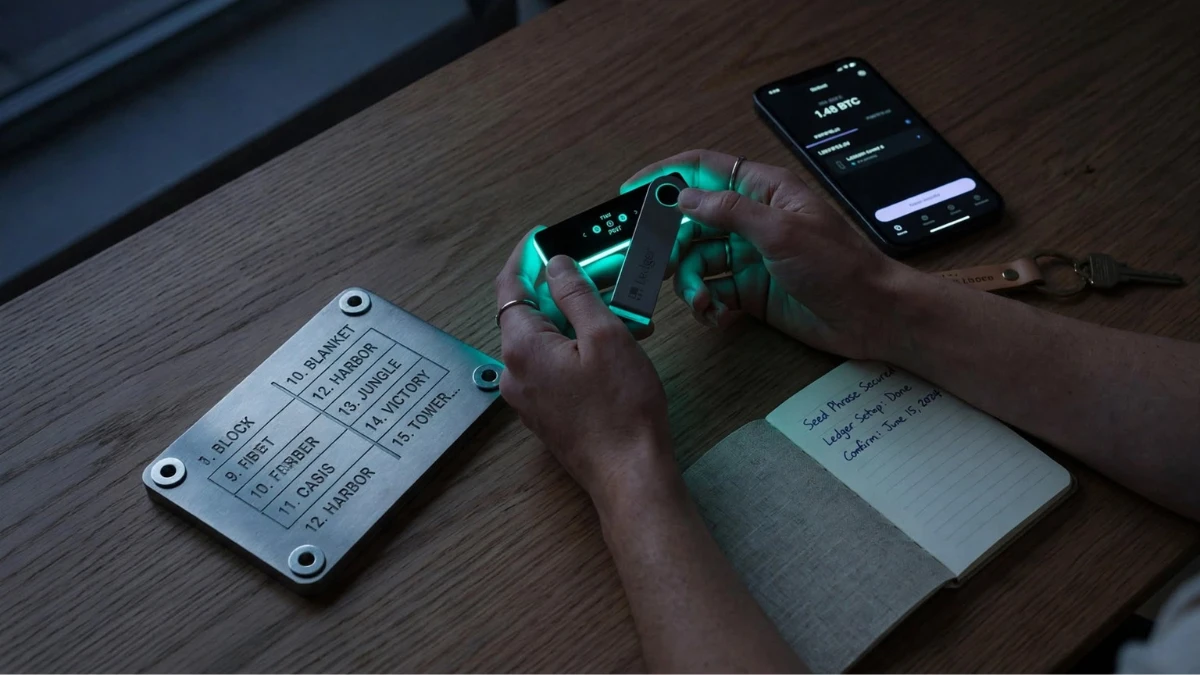
Start by downloading wallet software only from the official app store listing or the company’s official site, then double-check the publisher name. Fake wallet apps and fake support accounts exist because crypto theft scales well for criminals.
During setup, write the recovery phrase on paper or, for larger holdings, consider a durable metal backup. Write every word in the correct order. Keep it somewhere physically secure and private. Do not split the phrase across text messages or ask a roommate to hold half unless you fully understand the risks and have a careful plan.
Next, send a small test transaction. If you are moving Bitcoin from an exchange to your new wallet, verify the receiving address character by character or use the wallet’s QR code. Send a small amount first, wait for confirmation, then move the rest. A test transaction costs a little. Sending to the wrong address costs everything.
Finally, make a recovery plan. If you use a hardware wallet, your recovery phrase matters more than the device itself. The device can break, get stolen, or take an accidental swim. With a correct recovery phrase, you can restore access on a compatible wallet. Without it, Bitcoin is likely gone for good.
Watch out for the self-custody confidence trap
Self-custody gets framed as a purity test online. It is not. It is a responsibility level.
If you are overwhelmed, keeping a small Bitcoin position with a regulated, reputable exchange while you learn may be safer than rushing into a wallet setup you do not understand. On the other hand, leaving a meaningful long-term balance on any third-party platform means accepting their rules, security practices, and business risk.
You can grow into self-custody in stages. Start with a small mobile wallet. Practice receiving and sending. Learn how fees work. Move up to hardware storage when your balance and confidence justify it. Weird Wealth rule: start scrappy, not careless.
Your best move this week is not finding the most impressive-looking wallet. It is choosing one reputable setup, securing the recovery phrase offline, and making one small test transaction. That is how a curious Bitcoin purchase becomes an asset you actually know how to control.
How We Evaluate Bitcoin Wallets
At WeirdWealth, we focus on practical wallet selection rather than hype. Our evaluation considers security features, recovery options, ease of use, Bitcoin support and the responsibilities that come with self-custody. Just as building wealth takes careful planning, as explained in our guide on becoming a millionaire before 30, choosing the right Bitcoin wallet starts with understanding your goals and managing risk.
We also consider whether a wallet suits a beginner, a frequent Bitcoin user or someone holding Bitcoin for the long term. Established brand recognition alone does not guarantee that a wallet is safe or suitable for every user.
Before choosing a wallet, readers should:
-
Check the developer’s official website and security documentation.
-
Review supported features and any relevant limitations.
-
Confirm that the recovery process is clear and manageable.
-
Understand the difference between custodial and self-custody storage.
-
Verify current product details before purchasing a hardware wallet.
Wallet features and security practices can change over time. Readers should review the latest official documentation before making a decision.
Frequently Asked Questions
1. What is the best Bitcoin wallet for beginners?
A mobile self-custody wallet such as BlueWallet or Blockstream Green can be a practical starting point for Bitcoin users. Choose a wallet with clear security instructions and a recovery process you understand before transferring significant funds.
2. Is a hardware wallet safer than a mobile wallet?
A hardware wallet keeps private keys offline during normal use and can reduce exposure to online threats. However, it cannot protect you from every risk. A stolen recovery phrase or an incorrectly approved transaction can still lead to losses.
3. Should I keep my Bitcoin on an exchange or in my own wallet?
An exchange can be convenient for buying and selling Bitcoin. A self-custody wallet gives you direct control of your private keys but makes you responsible for backups and recovery. The right choice depends on your experience and risk tolerance.
4. What happens if I lose my Bitcoin wallet?
If you lose your phone or hardware device but still have the correct recovery phrase, you may be able to restore your wallet using a compatible wallet application. If you lose both access to the wallet and its recovery phrase, you may permanently lose access to your Bitcoin.
5. Can I use one Bitcoin wallet for spending and saving?
Yes, but separating them can make security easier to manage. A mobile wallet can hold a smaller amount for regular transactions, while a hardware wallet can protect longer-term savings. Keep your recovery information secure for both.
6. Is it safe to store my Bitcoin recovery phrase online?
Storing your recovery phrase in screenshots, email, cloud storage or messaging apps can expose it to account breaches and malware. For self-custody, keep your backup offline in a secure location and never share it with anyone claiming to provide wallet support.
Disclaimer
This article is for educational and informational purposes only. It is not financial, investment or security advice tailored to your circumstances. Bitcoin carries substantial risks, including price volatility, theft, irreversible transactions and permanent loss of funds.
Wallets differ in their features, security models and recovery procedures. Always verify information through official sources before choosing a wallet or transferring Bitcoin. Never share your private keys or recovery phrase, and never invest money you cannot afford to lose.