
Keeping cryptocurrency on an internet-connected device can be convenient, but it also creates security risks. Malware, phishing attacks, compromised accounts, and fraudulent applications can all put digital assets at risk.
A hardware crypto wallet is designed to reduce some of these risks by keeping private keys isolated from ordinary internet-connected devices. It typically requires the owner to approve transactions through a dedicated physical device rather than exposing the keys directly to a computer or phone.
Hardware wallets can improve key security, but they are not foolproof. A stolen recovery phrase, a fraudulent transaction approval, or an unsafe setup can still result in permanent losses. Choosing a wallet therefore involves more than comparing prices or brand names.
Key Takeaways
- Hardware wallets are physical devices designed to protect private keys and authorize cryptocurrency transactions.
- They can reduce exposure to certain online attacks but cannot eliminate every security risk.
- Recovery phrases are essential for many wallet configurations and must be stored securely.
- Compare supported cryptocurrencies, backup and recovery options, connectivity, transaction verification, and total costs.
- Buy through verified channels and follow the manufacturer’s setup instructions.
What Is a Hardware Crypto Wallet?
A hardware crypto wallet is a physical device that helps manage cryptocurrency private keys. These keys are used to authorize transactions involving assets recorded on blockchains.
Unlike a typical software wallet, a hardware wallet is designed to keep the signing keys isolated from the computer or phone used to prepare transactions. The connected device can prepare a transaction, while the hardware wallet verifies and signs it according to its design.
The signed transaction can then be broadcast to the blockchain.
This arrangement can make it harder for ordinary computer malware to steal the private keys directly. However, it does not automatically protect users from every threat. If someone tricks you into approving a malicious transaction, exposes your recovery phrase, or compromises the wallet’s setup process, your assets may still be at risk.
How Does a Hardware Wallet Work?
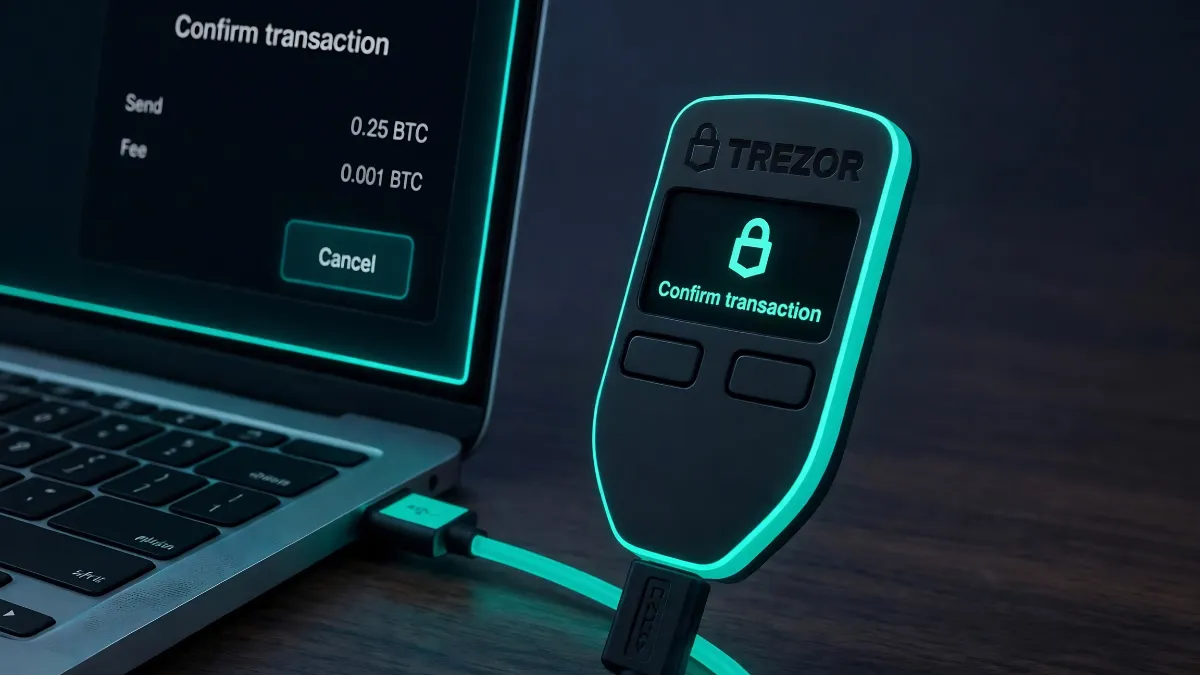
The process generally involves four steps.
- Wallet initialization: The device generates or initializes the wallet’s key material according to its setup procedure.
- Transaction preparation: Wallet software prepares a transaction using the intended cryptocurrency, destination, and amount.
- Transaction verification and signing: The device displays relevant details, where supported, and uses its protected key material to authorize the transaction.
- Broadcasting: The signed transaction is sent to the relevant blockchain network through connected software or infrastructure.
The private key is designed to remain within the protected signing environment rather than being exported to the connected computer during ordinary use.
The exact architecture differs between products. Before purchasing, check how the specific device handles key generation, transaction signing, firmware updates, and recovery.
Hardware Wallet vs. Software Wallet
Both hardware and software wallets can provide access to cryptocurrency, but they differ in how they handle private keys and everyday transactions.
| Feature | Hardware wallet | Software wallet |
| Key protection | Designed to isolate signing keys in a dedicated device | Keys are managed through software on a phone, computer, or other supported environment |
| Convenience | May require an additional device and confirmation steps | Often quicker for frequent transactions |
| Online exposure | Can reduce direct exposure of keys to connected devices | Depends on the device, operating system, and wallet architecture |
| Initial cost | Usually requires buying a device | Many options are free to download |
| Recovery | Depends on the wallet’s backup and recovery design | Depends on the wallet’s backup and recovery design |
| Common use | Longer-term holdings and users who want dedicated key protection | Everyday access and frequent transactions |
Neither category is automatically safe or unsafe. A poorly managed hardware wallet can be compromised through bad recovery practices, while a carefully maintained software wallet may be appropriate for limited everyday use.
Some users maintain a hardware wallet for longer-term holdings and a separate software wallet for smaller amounts they expect to spend.
Hardware Crypto Wallets Worth Comparing
Several established manufacturers offer hardware wallets, but their models differ in supported assets, interfaces, recovery methods, connectivity, and pricing. The following are options to research rather than a definitive ranking.
Trezor
Trezor makes hardware wallets intended to protect private keys and support self-custody. What to compare: Supported cryptocurrencies, device display, recovery options, software compatibility, backup methods, and current model-specific security features.
Potential fit: Users who want dedicated hardware for managing their own keys and are willing to learn the recovery process.
Ledger
Ledger offers hardware wallets designed to keep private keys protected while users authorize transactions through a dedicated device.
What to compare: Supported assets, connectivity, transaction verification, recovery arrangements, model differences, and the manufacturer’s current documentation.
Potential fit: Users who want hardware-based key management and need to compare several device and software options.
BitBox
BitBox offers hardware wallet products focused on self-custody and key protection.
What to compare: Supported cryptocurrencies, backup procedures, connection options, compatibility with your operating system, and the security features of the exact model.
Potential fit: Users who prefer a dedicated hardware device and want to assess its backup and operating procedures before committing funds.
Keystone
Keystone offers hardware wallets, including models designed around QR-code-based transaction workflows.
What to compare: Supported networks and assets, signing procedures, compatibility with your existing wallet software, recovery design, and the specific model’s security documentation.
Potential fit: Users interested in alternative connection and transaction-signing workflows who are comfortable verifying compatibility carefully.
Product lines, availability, and features change. Confirm current specifications directly with the manufacturer before making a purchase. No brand name alone guarantees that a wallet is secure.
How to Choose the Right Hardware Wallet
The best hardware crypto wallet is one that fits your holdings, supported networks, technical experience, and ability to maintain a reliable backup.
1. Check Cryptocurrency Support
Not every hardware wallet supports every cryptocurrency or blockchain network. Some specialize in Bitcoin, while others support a broader range of assets.
Before buying, verify that the exact model supports the assets you intend to hold. Check whether support is native or depends on compatible third-party software.
Do not assume that a wallet supporting a token on one network also supports the same token on another network.
2. Review the Recovery System
A hardware device can be lost, damaged, or become unusable. Many wallets use a recovery phrase or another documented backup mechanism to restore access. Learning from solopreneur success stories can also highlight the importance of protecting digital assets when building an online business.
Understand the recovery process before transferring funds. Confirm what information is needed, how it should be stored, and whether recovery requires compatible software or another device. Just as millionaires under 30 may need to manage growing wealth carefully, crypto owners should prioritize security and recovery planning.
A backup should not depend entirely on the original hardware wallet remaining functional.
3. Examine Transaction Verification
The device should provide a way to verify important transaction details, such as the destination and amount, where supported.
This matters because malware may alter information shown on a connected computer. If the device displays transaction details, review them on the device itself rather than relying only on the computer screen.
Some transaction types contain technical details that may be difficult to interpret. Do not approve a transaction simply because the software describes it as safe.
4. Compare Connectivity Options
Hardware wallets may connect through USB, Bluetooth, QR codes, or other supported methods. Connectivity affects convenience, compatibility, and the way transactions are prepared and signed.
Wireless connectivity does not automatically make a device unsafe, and a disconnected workflow does not automatically make it secure. Focus on the device’s overall security architecture and how you will use it.
5. Understand the Total Cost
The purchase price is only one part of the decision. Consider shipping, taxes, compatible accessories, and any paid software or service features you might use.
Network transaction fees generally remain separate from the hardware wallet’s purchase price. Review the fee estimate before authorizing transactions.
6. Check Updates and Support
Wallet software and firmware may receive security updates or compatibility improvements. Understand how updates are delivered and how to verify that you are using authentic software.
Look for clear documentation, an established support process, and transparent information about supported products. Be cautious of unofficial support accounts that request sensitive recovery information.
How to Set Up a Hardware Crypto Wallet Safely
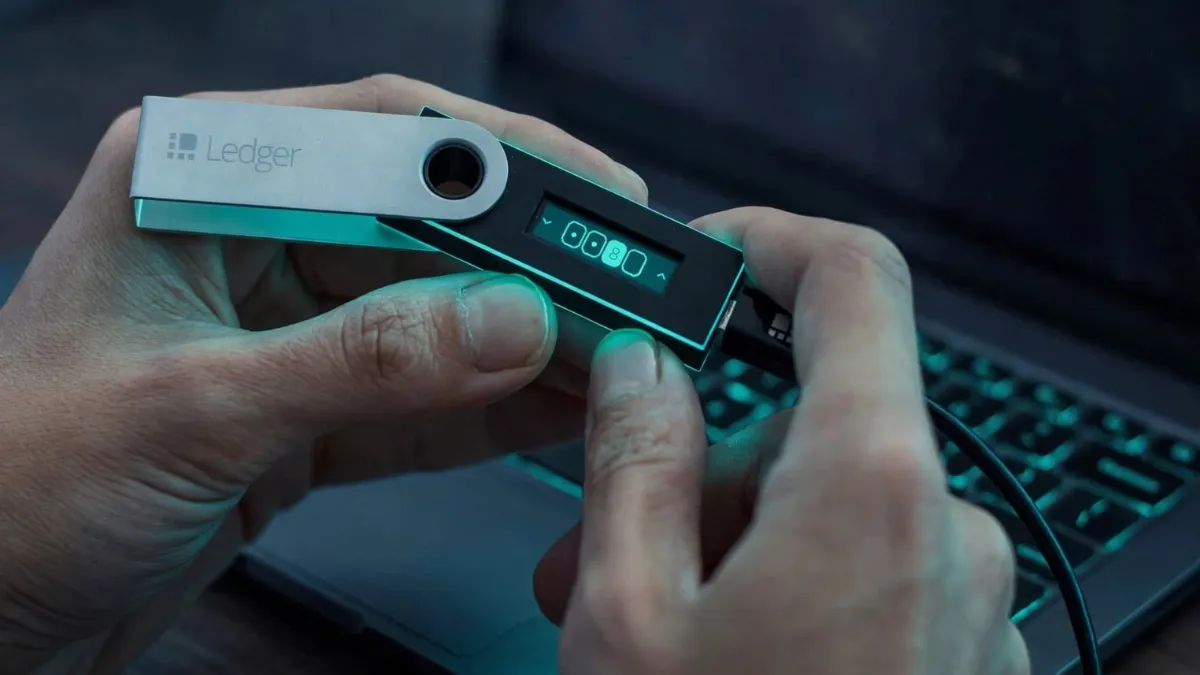
A careful setup process is as important as the device itself.
- Purchase through a verified channel. Use the manufacturer’s official store or an authorized seller. Avoid unfamiliar marketplaces or unusually cheap offers.
- Inspect the device. Follow the manufacturer’s instructions for checking packaging, device integrity, and initialization.
- Initialize it yourself. Use the documented setup process. Be suspicious of a device supplied with a prewritten recovery phrase or instructions to use someone else’s backup.
- Create a secure backup. If the wallet generates a recovery phrase, record it according to the manufacturer’s instructions and keep it private.
- Verify the recovery process. Learn how recovery works before relying on the wallet for substantial holdings.
- Install authentic software. Confirm the source and publisher before installing companion applications or firmware updates.
- Test with a small amount. Consider sending a small transaction to verify that the setup and receiving process work correctly.
- Check transaction details. Confirm the destination address and amount before approving any transfer.
Never enter a recovery phrase into a website or chatbot because a message claims that your wallet needs verification. Follow only the recovery procedure documented for your specific wallet.
What Is a Crypto Wallet Recovery Phrase?
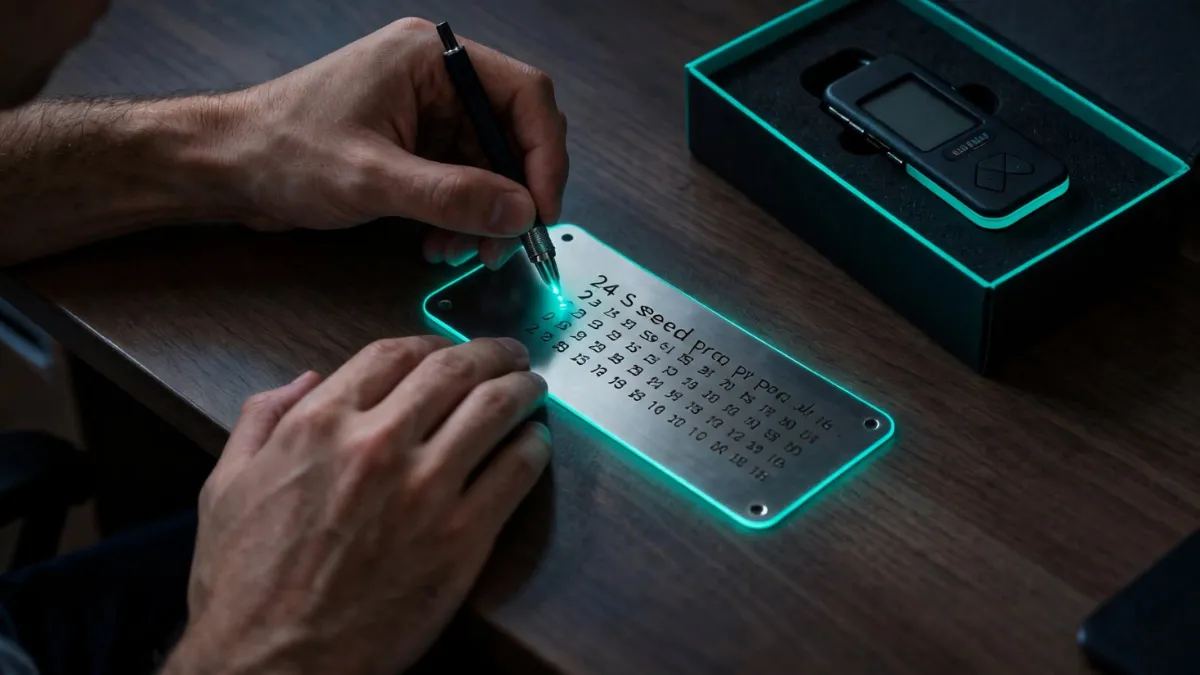
A recovery phrase is a sequence of words used by many wallets to restore access to the associated keys. Depending on the wallet’s design, the phrase may be sufficient to recover control of the assets associated with it.
This makes the phrase highly sensitive. Anyone who obtains it may be able to restore the wallet elsewhere and move the funds without possessing your original hardware device.
Follow these precautions:
- Keep the phrase private and away from cameras, screenshots, ordinary messages, and cloud-synced notes.
- Store the backup somewhere protected from theft and physical damage.
- Do not share it with customer support, an exchange representative, or anyone claiming to help recover your funds.
- Do not store the only copy beside the hardware wallet.
- Understand how optional passphrases or advanced recovery features work before enabling them.
If you lose the hardware wallet but still have a valid backup, recovery may be possible. If you lose the required recovery information and cannot access the original wallet, your funds may be permanently inaccessible.
Are Hardware Wallets Completely Safe?
No. Hardware wallets can reduce certain risks, particularly the direct exposure of private keys to internet-connected devices, but they cannot eliminate all attack paths.
Common risks include:
Phishing: A fraudulent website may try to persuade you to reveal a recovery phrase or authorize a transaction.
Malicious approvals: A user may sign a transaction or smart-contract permission that transfers assets or grants unwanted access.
Counterfeit devices: A fake or tampered device may compromise the wallet from the beginning.
Unsafe backups: A recovery phrase stored in an exposed location may allow an attacker to take control of the wallet.
User error: Sending funds to the wrong address or using an incompatible network can lead to losses that may be difficult or impossible to reverse.
Software and supply-chain vulnerabilities: Devices, companion applications, firmware, and connected services can have vulnerabilities despite security measures.
The practical goal is to reduce risks through a trusted device, a secure backup, careful transaction review, and disciplined behavior.
Hardware Wallets and Long-Term Crypto Storage
For people who rarely transact and want direct control of their cryptocurrency, a hardware wallet may be worth considering. It can separate key management from a computer or phone used for everyday browsing.
However, long-term storage requires more than buying a device and putting it away. You need a recovery plan that remains usable years later, secure backup storage, and a way to understand how to restore access if the manufacturer or software changes.
For substantial holdings, consider whether additional safeguards such as a properly configured multisignature arrangement are appropriate. These setups can reduce reliance on a single key but also introduce complexity and new recovery risks.
Do not adopt a complex setup unless you understand how it works and how you would recover access after a device failure.
Frequently Asked Questions
Do hardware wallets store cryptocurrency?
No. Cryptocurrency balances are recorded on their respective blockchains. A hardware wallet manages the keys used to authorize transactions involving those assets.
Can a hardware wallet be hacked?
Hardware wallets can have vulnerabilities, and users can still be tricked into revealing recovery information or approving malicious transactions. A hardware wallet can reduce some risks, but it does not guarantee complete protection.
What happens if I lose my hardware wallet?
If you still have the required recovery information and follow the wallet’s documented recovery process, you may be able to restore access using a compatible device or wallet. If the recovery information is lost and no other recovery path exists, access may be permanently lost.
Are hardware wallets worth the money?
They may be worthwhile for people who want dedicated key protection and are comfortable managing their own backups. The value depends on the amount you hold, how often you transact, the alternatives available, and your ability to use the device correctly.
Do hardware wallets charge transaction fees?
Buying the device is separate from blockchain transaction fees. Transactions may require network fees, and some services or connected platforms may impose additional charges.
Can I use a hardware wallet with a mobile phone?
Some models support mobile devices through USB, Bluetooth, QR codes, or compatible applications. Compatibility varies by model, operating system, and cryptocurrency, so verify the exact requirements before buying.
Should I keep all my crypto in a hardware wallet?
That depends on your needs and risk tolerance. Some people use hardware wallets for long-term holdings and a separate wallet for everyday transactions. Whatever arrangement you choose, make sure you understand the custody model and can recover access safely.
Final Verdict
Hardware crypto wallets offer a way to keep private keys isolated from many ordinary online threats, making them a useful option for people who want to manage their own cryptocurrency. Their real value comes from the security design, reliable recovery process, and careful use—not simply from being physical devices.
Compare supported assets, transaction verification, backup options, connectivity, software compatibility, and total costs. Buy through trusted channels, create your own secure backup, and learn the recovery process before transferring significant funds.
Disclaimer: This article is for educational purposes only and is not financial, investment, or security advice. Hardware wallet features and availability can change. Research the exact product and its recovery procedures before using it to protect cryptocurrency.