
What if the plastic bottles and aluminum cans people leave behind at the beach could help pay for your next trip?
A group of friends reportedly discovered an unusual way to make that happen. Instead of simply collecting litter during their weekend beach visits, they built a cage from scrap wire mesh where people could leave recyclable bottles and cans.
What started as a convenient place to collect trash gradually became a small, community-supported recycling operation.
According to a story shared in Reddit’s r/WeirdSideHustles community, the friends now empty the cage every few weeks and sell its recyclable contents to a local junk shop. The money helps cover gas, drinks, and cleanup supplies.
The idea is simple: collect recyclable materials in an approved public-facing location, separate anything that has resale value, and sell it to a recycling buyer. It is an interesting example of how an everyday environmental problem can inspire a small income opportunity.
The original account is a personal Reddit story, not an independently verified business case. The author did not disclose exact earnings, collection weights, or startup costs.
Key Takeaways
- A Reddit user described building a wire-mesh collection cage near a beach access path with friends.
- The group obtained permission from a nearby landowner before placing the cage.
- Beach visitors reportedly began contributing bottles and cans without being asked.
- The friends sell the collected recyclables to a local junk shop and use the proceeds to offset cleanup expenses.
- Recycling can generate small amounts of money, but earnings depend heavily on local material prices, collection volume, and costs.
How a Simple Beach Cleanup Turned Into a Side Hustle
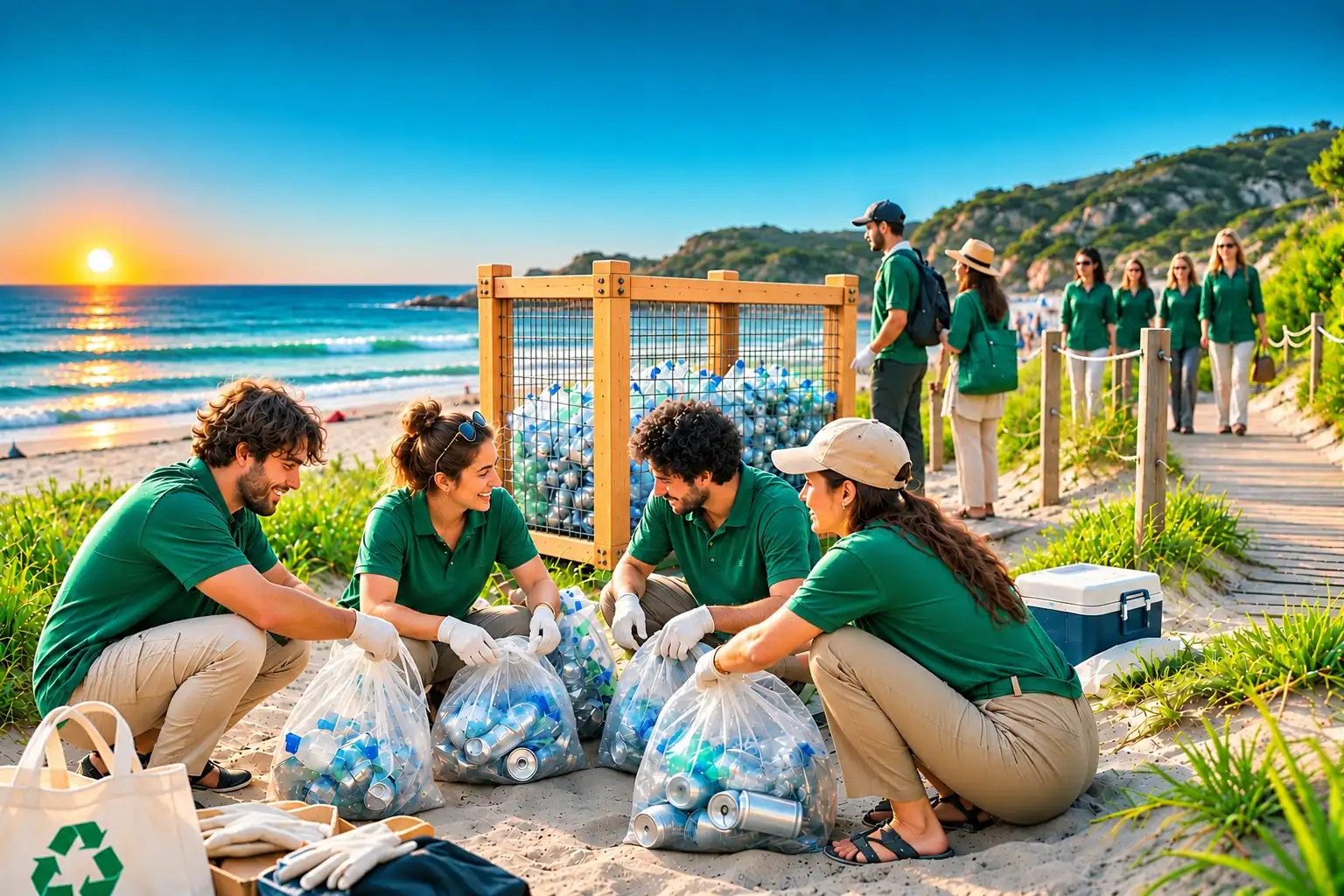
The story started with a problem many beachgoers recognize.
Every weekend, visitors arrived carrying drinks, snacks, and other supplies. By the end of the weekend, empty bottles and cans were left scattered along parts of the shoreline.
The group of friends regularly spent time at the beach and noticed the same pattern repeating. Instead of complaining about the litter, they started collecting it.
Initially, their cleanup routine involved carrying bags of recyclables around the beach.
That worked, but it was not particularly convenient.
Then one friend gained access to scrap wire mesh.
The group used the material to construct a simple collection cage and obtained permission from a nearby landowner to position it beside a beach access path.
They had no elaborate business plan. The structure was simply intended to give them somewhere to deposit recyclables during cleanup sessions.
Then something unexpected happened.
Other beachgoers started using it.
The Moment Other People Started Filling the Cage
During the first few weekends, the friends were responsible for most of the collected materials.
As more people noticed the cage, some began dropping their own empty bottles and cans into it.
A few regular visitors reportedly started bringing their recyclables over before leaving the beach.
Eventually, the cage began filling even when the friends were not there.
That changed the nature of the project.
Instead of collecting everything themselves, they had created a convenient system that encouraged other people to participate.
The cage remained in place between cleanup visits, allowing the group to collect recyclable materials over time without personally picking up every item.
The Reddit author described overhearing someone suggest that the cage was part of an official environmental initiative.
According to the story, the friends did not correct that assumption.
While the misunderstanding makes for an amusing anecdote, anyone operating a similar project should clearly identify who manages the collection point and avoid suggesting official affiliation where none exists.
How Did They Make Money From Beach Trash?
The group reportedly empties the collection cage every few weeks and takes the recyclable materials to a local junk shop.
Depending on the local recycling market, materials such as aluminum cans and certain plastic bottles may have resale value.
Recycling buyers typically evaluate materials based on factors such as type, weight, cleanliness, and local demand.
For the friends, the money does not appear to be a major source of personal income.
The Reddit user explained that the proceeds usually help pay for gas, drinks, and supplies needed for future cleanup visits.
That distinction matters.
The story demonstrates a way to recover some operating costs from recycling, but it does not establish that the project is consistently profitable.
Can You Really Make Money Collecting Plastic Bottles and Cans?

Yes, some recyclable materials have resale value, although the financial potential varies greatly by location.
Aluminum cans, for example, may be accepted by scrap buyers. Certain plastic bottles can also have value where suitable collection and recycling systems exist.
Some regions operate container deposit schemes, which allow eligible containers to be returned for a specified refund.
Other locations have no deposit system and rely on scrap dealers paying by weight.
The amount earned depends on local conditions.
| Recyclable material | Potential resale opportunity | Important consideration |
| Aluminum drink cans | Scrap-metal buyers or container return schemes | Value depends on weight, condition, and local prices |
| Plastic beverage bottles | Plastic recyclers or eligible deposit programs | Some plastic types may not be accepted |
| Glass bottles | Deposit returns or local recycling buyers | Heavy transport and breakage can create costs |
| Cardboard | Paper recycling buyers | Large volumes may be needed |
| Scrap metal | Licensed scrap-metal dealers | Ownership, handling, and transport rules matter |
Before collecting items for resale, contact a local recycling buyer and confirm exactly what materials they accept.
Why the Beach Trash Cage Idea Is Interesting
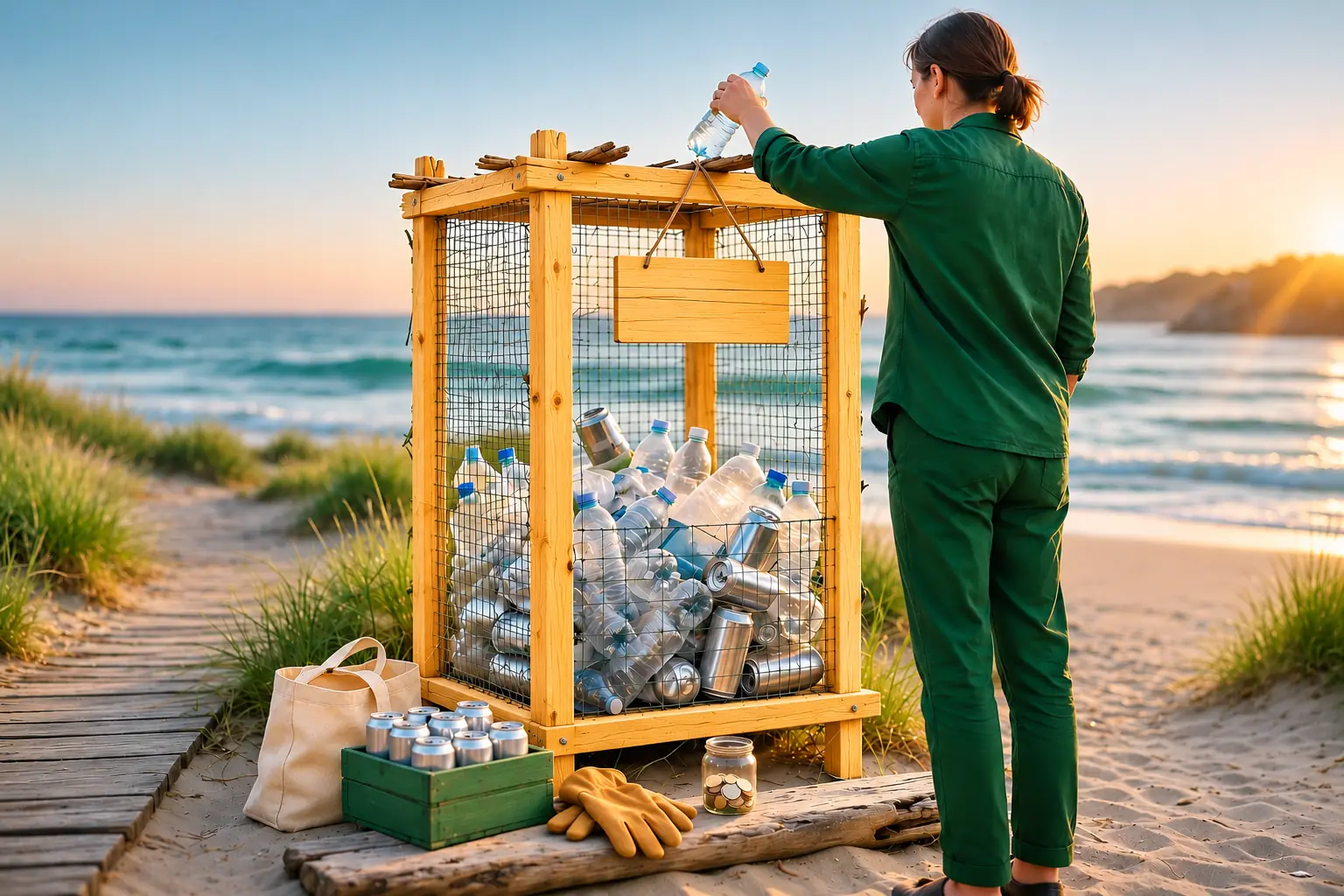
The clever part of the project is not simply selling recyclables. People have collected and sold scrap materials for generations. What makes the Reddit story different is the collection system.
By placing a container in a convenient location, the friends reportedly encouraged people to contribute without requiring a formal collection service. This simple approach helped turn discarded beach waste into a potential source of income while making cleanup easier for everyone involved.
For anyone considering a similar small venture, managing the money earned is just as important as collecting materials. Choosing one of the best banks for checking accounts can help keep business earnings organized. Using the best household budgeting apps can also make it easier to track collection expenses, recycling income, and profits. Even everyday purchases for supplies and equipment can be managed more carefully by understanding the Best Buy credit card payment options.
The project combines three practical ideas.
1. Making recycling convenient
People are more likely to use a collection point when it is easy to find and accessible.
The beach cage provided a place for visitors to leave suitable materials instead of carrying them away or leaving them on the ground.
2. Turning community participation into a resource
Once visitors started contributing, the friends no longer had to gather every bottle themselves.
However, a collection point still needs regular monitoring, cleaning, and responsible management.
3. Recovering some cleanup expenses
The proceeds reportedly helped cover small expenses associated with the group’s beach activities.
The project therefore combined environmental cleanup with a modest form of cost recovery.
How to Start a Small Recycling Side Hustle
If you live near a beach, park, sports ground, or another busy area, a similar idea might be worth researching.
However, do not simply install a collection cage in a public place without permission.
Step 1: Research local recycling prices
Contact nearby scrap dealers or recycling facilities.
Ask what materials they buy, whether they have minimum quantities, and how they determine payment.
Step 2: Obtain permission
Before placing a collection container, get authorization from the relevant property owner or local authority.
Permission from a neighboring landowner may not be sufficient if the container occupies public land, an access route, or another regulated area.
Step 3: Choose a safe collection system
Use a sturdy container suited to the environment.
It should not block pedestrian access, create sharp edges, attract dangerous waste, or allow trash to scatter into nearby waterways.
Clear signage should explain what can be deposited and identify the organization or individuals responsible for maintaining it.
Step 4: Separate accepted materials
Not every item placed in a recycling container will be recyclable or valuable.
Keep accepted materials separate and follow local handling requirements.
Never manually sort potentially hazardous waste without appropriate training and protective equipment.
Step 5: Track the actual earnings
Record the weight or quantity collected, revenue received, transportation costs, supplies, and time spent.
This will show whether the activity produces meaningful income or primarily offsets cleanup expenses.
Is This a Real Passive Income Idea?
Not exactly.
Although the cage reportedly collected materials while the friends were away, someone still had to empty it, sort the recyclables, transport them, and arrange payment.
The project also requires permission, maintenance, and responsibility for any litter or safety issues associated with the collection point.
A more accurate description would be a low-maintenance community recycling project with potential supplemental income.
And depending on local market conditions, its environmental benefits may be greater than its financial returns.
What Could Go Wrong?
There are several challenges to consider before copying the idea.
Unwanted waste: People might deposit food waste, broken glass, or hazardous materials instead of recyclable bottles and cans.
Low resale prices: The value of collected materials may not cover transportation and maintenance costs.
Unauthorized placement: A container installed without proper permission may have to be removed.
Overflowing containers: Poor maintenance could make a beach dirtier rather than cleaner.
Ownership and liability: Local rules may restrict who can collect, transport, or sell deposited materials.
Weather damage: A poorly secured cage could become dangerous during storms or high winds.
A responsible project needs a plan for each of these problems before it begins operating.
Frequently Asked Questions
Can you make money collecting beach trash?
Yes, if you legally collect recyclable materials that a local buyer accepts. Earnings depend on material type, quantity, transportation expenses, and market prices.
How much did the Reddit group earn?
The original post did not disclose an exact amount. The author said the proceeds generally went toward gas, drinks, and supplies for future beach cleanups.
Can I place a recycling cage on a beach?
Only where permitted. Contact the relevant property owner or local authority and confirm the applicable environmental, safety, and waste collection requirements.
Is collecting aluminum cans profitable?
It can generate income where buyers or container return programs offer payment. Whether it is profitable depends on collection volume, local pricing, and expenses.
Is a recycling cage passive income?
Not fully. The container may collect materials between visits, but sorting, maintenance, transport, and resale still require work.
Final Thoughts
The most interesting part of this beach trash story is how an ordinary cleanup tool reportedly became something more useful.
A group of friends built a simple wire-mesh cage, placed it beside a beach access path with permission, and watched other people begin contributing recyclable materials.
Eventually, those materials could be sold to a local junk shop, helping fund the next cleanup.
It is not a proven path to substantial income, and the story does not provide enough financial detail to judge its profitability.
But it is a reminder that unconventional side hustles do not always begin with sophisticated technology or expensive equipment.
Sometimes they begin with noticing a problem, finding a practical solution, and discovering that even discarded materials can have value.
Disclaimer: This content is for informational purposes only and reflects our personal opinions and experiences. We just love to write and share what we know and research.