
Choosing a best bank sounds simple until you actually start looking. One bank offers a free checking account while another promises cash rewards or better interest. Some have branches nearby and others let you manage almost everything through a mobile app. So how do you know which one is worth opening an account with?
The best bank isn’t always the biggest name or the one offering the highest bonus. It should make everyday banking easier without taking too much money through monthly fees or unnecessary charges. Whether you receive your salary or pay bills or simply want a safe place to keep your money, the right bank can make a real difference.
In this guide from WeirdWealth we’ll look at some popular US banks in 2026 and what makes each one worth considering. We’ll also cover checking account fees and ATM access and the things you should check before opening an account.
Key Takeaways
- SoFi is worth considering if you want checking and savings together.
- Capital One 360 is a good option if you want online banking with some branch access.
- Chime is designed for people who prefer simple digital banking.
- Axos Bank offers useful ATM access and checking features.
- Ally Bank is another option for people who prefer managing money online.
- Always check monthly fees and minimum balance rules before opening an account.
- Make sure your bank is FDIC insured before depositing your money.
What Is the Best Bank in 2026?
There isn’t one bank that works perfectly for everyone. Some people want an account with no monthly fee while others care more about ATM access or earning interest on their balance.
Based on publicly available 2026 checking account research from NerdWallet and CNBC here are some banks worth exploring:
1. SoFi: Best for Checking and Savings Together

SoFi is a popular choice for people who want to manage their everyday spending and savings in one place. Its Checking and Savings account combines two separate account numbers under one banking relationship.
One thing that makes SoFi interesting is its digital banking experience. You can manage your money through its app and website without needing to visit a traditional branch.
What makes SoFi worth considering?
- No monthly account maintenance fee.
- Checking and savings in one account package.
- Access to a large network of fee-free ATMs.
- Early direct deposit for eligible customers.
- Savings interest and overdraft features subject to requirements.
There are a few things to think about before choosing it. SoFi doesn’t operate traditional bank branches and depositing cash can involve fees through participating retail locations.
It’s a reasonable option if you receive money electronically and rarely need to deposit physical cash.
2. Capital One 360: Best for Online Banking With Branch Access
Some people enjoy online banking but still want the option to speak with someone in person. That’s where Capital One 360 can make sense.
Capital One offers an online checking account with no monthly maintenance fee. Customers can manage payments and transfers and check their balance through the mobile app.
It also has physical locations and Capital One Cafés in selected areas. This gives customers more ways to access banking services.
Why consider Capital One 360?
- No monthly maintenance fee.
- No minimum opening deposit.
- Mobile banking and online account management.
- Access to selected physical locations.
- Interest earning on eligible checking balances.
The main limitation is that its physical branches aren’t available everywhere. If you travel often or live far from a Capital One location then most of your banking will still happen online.
3. Chime: Best for Simple Digital Banking
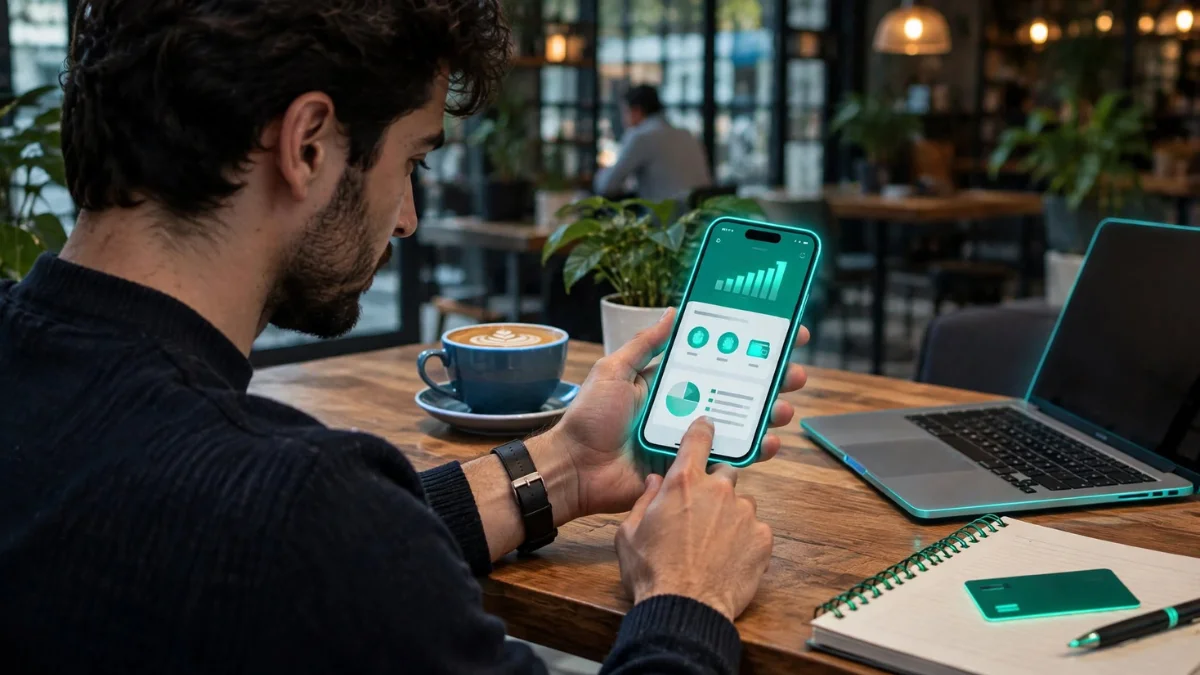
Chime is a financial technology company that offers checking account services through its banking platform. Its services are provided by partner banks rather than Chime operating as a traditional bank itself.
It is designed for people who prefer managing their money from a phone instead of visiting a branch.
Chime offers a checking account with no monthly fee and features such as early direct deposit and fee-free ATM access within its network.
Features worth looking at:
- No monthly maintenance fee.
- Mobile account management.
- Early direct deposit for eligible payments.
- Large network of fee-free ATMs.
- SpotMe overdraft feature for qualifying members.
Keep in mind that SpotMe isn’t automatically available to everyone. Eligibility rules apply and the service has specific limits.
Chime may suit people who want simple digital banking. However if you regularly deposit cash or need in-person banking then another option may work better.
4. Axos Bank: Best for ATM Access
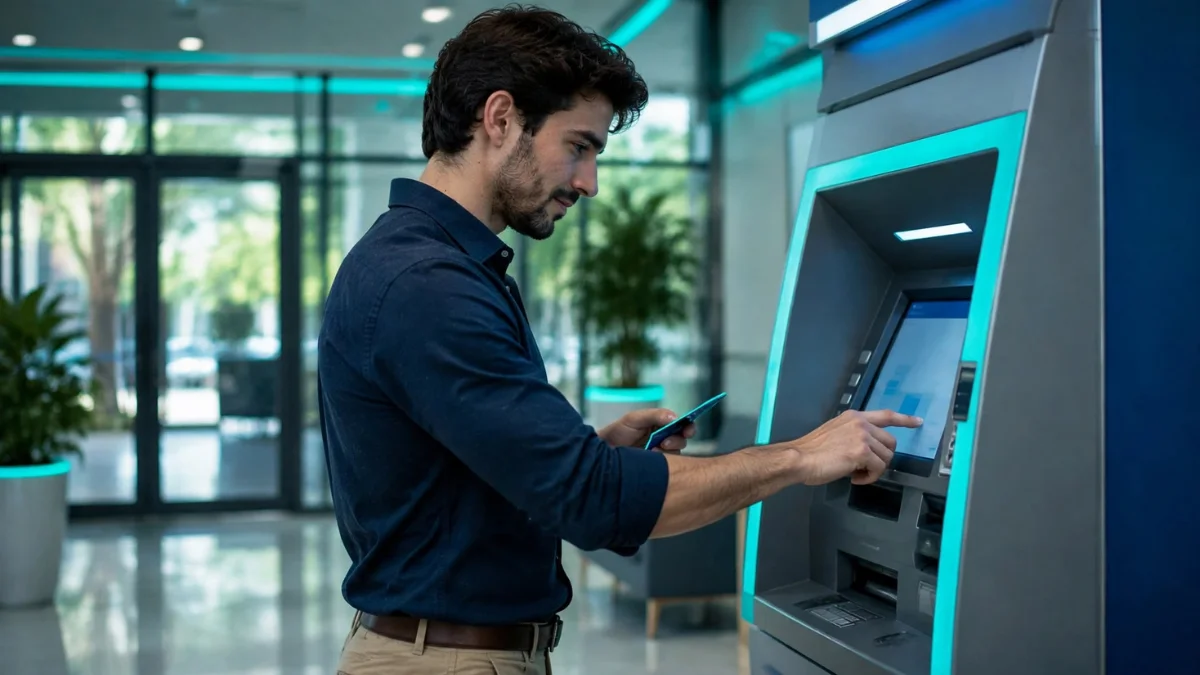
If you regularly withdraw cash then ATM charges can become annoying. Even a small fee can add up when you use machines outside your bank’s network.
Axos Bank is worth considering because its checking account offers access to a large ATM network and domestic ATM fee reimbursements under its account terms.
It also offers online account management and checking features for customers who prefer digital banking.
Why look at Axos Bank?
- No monthly maintenance fee on its main checking account.
- No minimum opening deposit.
- Domestic ATM fee reimbursement.
- Interest earning opportunities on eligible accounts.
- Online banking and mobile access.
One limitation is that Axos doesn’t have the same traditional branch presence as large national banks. If you prefer walking into a local branch then consider that before opening an account.
5. Ally Bank: Best for Everyday Online Banking
Ally Bank is another name worth adding to your list. It offers online banking services and its Spending Account is designed for everyday transactions.
You can receive direct deposits and pay bills and transfer money without visiting a physical branch.
Ally also offers savings products that can work alongside its checking account. This can be helpful if you want to keep everyday spending and savings organized.
What makes Ally interesting?
- No monthly maintenance fee on its Spending Account.
- No minimum opening balance.
- Mobile banking and online transfers.
- Access to a network of ATMs.
- Savings and spending accounts under one provider.
The biggest drawback is the lack of traditional branches. If you depend on cash deposits or face-to-face banking then you may want a different option.
What Should You Look for When Choosing a Bank?
Before opening an account don’t get distracted by welcome bonuses alone. A bank might offer a nice promotion but its regular account fees could cost you more over time. That’s why it’s worth comparing the best checking account options before making a decision. If you also use cards for everyday purchases then exploring the best credit card payment options can help you understand payment costs and benefits. And if you want to keep your spending under control then using the right household budgeting apps can make it easier to track expenses and manage your money.
Here are some things worth checking.
1. Monthly Maintenance Fees
Some banks charge a monthly amount just for keeping an account open. Others waive the fee if you maintain a certain balance or receive qualifying direct deposits.
Look for an account with no monthly fee if you want to keep everyday banking simple.
2. ATM Access
Think about how often you withdraw cash. If you regularly use ATMs then choose a bank with a large fee-free network or ATM reimbursement.
Also check whether the bank charges its own fee when you use an outside ATM.
3. Minimum Balance Requirements
Some accounts require you to keep a certain amount of money in your balance. If your balance falls below that amount you could face a monthly charge.
A no-minimum-balance account can be easier to manage especially if your income changes from month to month.
4. Mobile Banking Features
A good banking app should make everyday tasks simple. You should be able to check transactions and transfer money and pay bills without struggling to find basic options.
Look for useful security features such as account alerts and biometric login too.
5. Customer Support
Sometimes you need help with a missing payment or a card problem. Check whether the bank offers phone support or live chat and what hours its support team is available.
A good app matters but helpful customer service matters just as much.
Are Online Banks Better Than Traditional Banks?
It depends on how you manage your money.
Online banks usually focus on mobile services and may offer lower fees because they don’t maintain large branch networks. This can be useful if you handle most payments electronically.
Traditional banks offer something different. You can visit a branch and speak with staff and may have more options for depositing cash.
For example if you run a small local shop and handle cash every day a nearby branch may be more useful than an online-only account.
But if your salary arrives through direct deposit and you pay bills online then an online bank could be a comfortable choice.
Is Your Money Safe in a Bank?
This is something every customer should check before opening an account.
In the United States the Federal Deposit Insurance Corporation (FDIC) protects eligible deposits at insured banks. The standard coverage is $250,000 per depositor per insured bank for each ownership category.
Checking and savings accounts are generally covered when held at an FDIC-insured bank.
However investments such as stocks and mutual funds aren’t covered by FDIC deposit insurance. You can confirm a bank’s insurance status through the official FDIC website.
Also remember that a financial technology company isn’t automatically a bank. If you open an account through an app check which partner bank actually holds your deposits and what insurance arrangements apply.
How Do You Choose the Right Bank for Your Needs?
The easiest way is to think about your daily routine.
Ask yourself a few simple questions:
- Do you need to deposit cash regularly?
- Do you prefer online banking or physical branches?
- Will you receive your salary through direct deposit?
- Do you want checking and savings together?
- Are ATM fees a regular problem?
- Do you need an account with no minimum balance?
Once you know what matters most, compare at least two or three accounts. Read the fee schedule and check the account agreement before applying.
At WeirdWealth we believe that good financial decisions start with understanding the small details. The right bank should fit your lifestyle rather than make you change your routine just to avoid fees.
Conclusion
Finding the best bank in 2026 doesn’t have to be difficult. SoFi is worth exploring for checking and savings together while Capital One 360 offers a mix of digital and selected in-person banking. Chime is designed for simple mobile banking and Axos is useful to consider if ATM access matters to you. Ally is another option for people who prefer managing their money online.
Don’t choose a bank just because it has a popular name or an attractive welcome offer. Look at its fees and account rules and everyday features first.
A little research now can help you find a bank that makes managing your money easier for years to come.
Frequently Asked Questions
1. What is the best bank in the USA in 2026?
There isn’t one best choice for everyone. SoFi is worth considering for combined checking and savings while Capital One 360 suits people who want online banking with selected branch access. Your needs should guide the final decision.
2. Which bank offers a free checking account?
Several providers offer checking accounts with no monthly maintenance fee. Options include SoFi and Capital One 360 and Chime and Ally. Other charges may still apply so read the account terms.
3. Are online banks safe to use?
Online banking can be safe when you choose a properly insured bank and use good security practices. Check the FDIC insurance status and protect your account with strong passwords and security alerts.
4. Can I open a bank account without a minimum balance?
Yes. Several US banks offer checking accounts without a minimum opening balance or ongoing minimum balance requirement. Always confirm the latest account terms before applying.
5. What is the difference between a checking account and a savings account?
A checking account is mainly used for everyday spending and bill payments. A savings account is designed to help you keep money aside and may pay interest on your balance. Some banks let you manage both together.
Disclaimer
This article is for general educational purposes only and should not be treated as personal financial advice. Bank fees and interest rates and account requirements can change at any time.
Always review the latest account terms and deposit insurance details before opening an account. WeirdWealth does not guarantee any bank’s services or account benefits.