A credit card lets you make purchases using money provided by a lender. You then repay that money under the card’s terms. If you do not repay the required amount on time, interest and fees may apply.
For a beginner, the most useful habit is treating the card as a payment tool rather than extra income. Use it for purchases already within your budget, keep track of the balance, and understand exactly what must be paid by the due date.
Rewards, cashback, and sign up offers can look exciting, but they are secondary. The first things to understand are the statement, the payment due date, the interest rate, and the fees.
You do not need to memorize every banking term. You need to know what happens between making a purchase and receiving the bill.
Key Takeaways
- A credit card creates a repayment obligation, not additional income.
- The minimum payment keeps the account in line with minimum requirements, but it may leave most of the balance unpaid.
- Paying the full statement balance by the due date can reduce or avoid purchase interest when the account terms provide that benefit.
- A high credit limit is not a target for spending.
- Rewards rarely compensate for interest, late fees, or purchases you did not need.
- Credit reporting and consumer protections vary by country, provider, and product.
What Happens When You Use a Credit Card?

Imagine that your card has a credit limit of $1,000. You use it for a planned $100 purchase.
You now owe the card provider $100. Your available credit has also fallen, although pending transactions and account rules can affect the exact amount shown.
The purchase appears in your account activity and becomes part of a billing cycle. At the end of that cycle, the provider creates a statement. The statement summarizes the balance, payments, credits, fees, interest, and other activity for that period.
You then have until the payment due date to make at least the required payment. If you pay less than the full amount that would avoid interest under your terms, the remaining balance may begin generating interest.
That is the basic rhythm: purchase, statement, payment, and possible interest on what remains.
The Statement Balance and Current Balance Are Different
The statement balance is the amount shown on a particular statement. It reflects activity up to the statement closing date.
The current balance can be different because new purchases, payments, refunds, fees, or pending transactions may have appeared after the statement was produced.
This difference confuses many beginners. You might pay the statement balance and still see a current balance because you used the card after the statement closed.
Read the payment options carefully. If your goal is to pay the statement balance in full, select that amount deliberately rather than assuming the current balance is always the same figure.
What Is the Minimum Payment?
The minimum payment is the smallest required payment for that statement period under the account terms.
Suppose your statement balance is $500 and the minimum payment is $30. Paying $30 satisfies the minimum requirement if it arrives on time. It does not mean the remaining $470 disappears.
Depending on the terms, interest may apply to the unpaid balance. Future statements can therefore include interest as well as new purchases and fees.
The minimum payment is a requirement, not a recommended repayment strategy. Paying only the minimum can keep a balance alive for much longer than expected.
What Does APR Mean?

APR stands for annual percentage rate. It is a standardized way of expressing certain borrowing costs on an annual basis, although its exact meaning and calculation can vary by jurisdiction and product.
Your card may have different rates for purchases, cash advances, balance transfers, or missed payment situations. Promotional rates may also apply for a limited period and under specific conditions.
Do not assume that one advertised number applies to every transaction.
The card agreement should explain which rate applies, when interest begins, how it is calculated, and what could cause the rate to change. If you do not understand those sections, ask the provider before relying on the card.
What Is a Grace Period?
A grace period is a period during which purchase interest may be avoided if you meet the account conditions, often by paying the eligible balance in full and on time.
Not every transaction or account has the same treatment. Cash advances and certain other transactions may begin accruing interest immediately. Losing eligibility for a grace period can also change how new purchases are treated.
The safe approach is to read the actual terms rather than assuming that every card provides interest free borrowing until the due date.
Your Credit Limit Is Not a Spending Target
A lender may offer a limit that is larger than your comfortable monthly spending. That does not mean your budget has expanded.
Before using the card, decide which purchases belong on it. These might be planned expenses that you could already cover with available money. Avoid using the limit to support a lifestyle that your income cannot sustain.
It also helps to understand how your card balance appears alongside your bank balance. Money in checking may already be needed for a future card payment. Keeping that payment in mind prevents the same money from being spent twice.
If you are still organizing everyday accounts, this guide to checking and savings accounts explains how to give each balance a clearer job.
How Credit Cards Can Affect Your Credit History
In countries where card providers report account activity, your payment behavior may become part of your credit history.
Payments, balances, account age, credit limits, and applications can all matter under different reporting and scoring systems. There is no single universal formula used everywhere.
Two principles are widely worth understanding.
First, pay on time. A missed required payment can create fees, interest, and possible reporting consequences.
Second, avoid treating the entire limit as available spending money. A high balance relative to the limit may be interpreted differently from a lower balance, depending on the scoring model and lender.
You do not need to carry debt or pay interest simply to demonstrate that you can use a card. Responsible use should begin with what you can repay, not with attempts to game a score.
What Fees Should Beginners Look For?
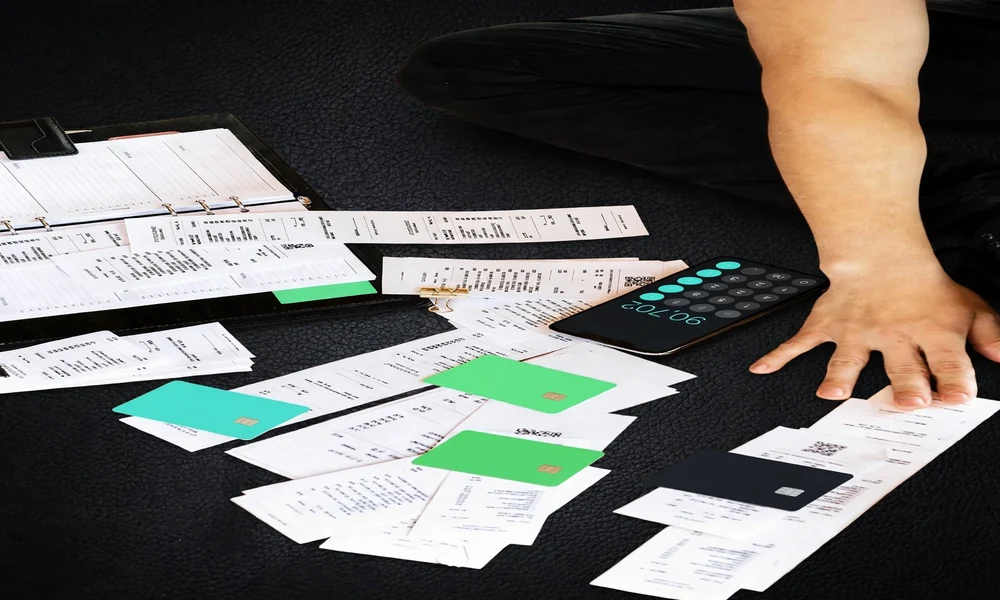
The interest rate gets most of the attention, but the fee schedule can be just as important.
Look for:
- Annual card fees
- Late payment fees
- Returned payment fees
- Cash advance fees
- Balance transfer fees
- Foreign transaction or currency conversion costs
- Additional cardholder fees
- Paper statement or replacement card charges where applicable
- Fees connected to exceeding account terms
- Costs charged by third parties, such as cash machine operators
A card with rewards may charge an annual fee. That does not automatically make it bad value, but you should calculate the benefit using your ordinary spending rather than imagined future spending. You can also explore creative money-making ideas to discover alternative ways to earn extra income.
If you would not use the benefits without forcing yourself to spend more, the card may not fit.
How to Choose a First Credit Card
Start with your purpose. Are you looking for a convenient payment method, a way to establish a reported payment history, or specific purchase protections? Avoid choosing solely because an advertisement makes the card look prestigious.
Compare eligibility requirements, annual fees, interest rates, grace period rules, penalty terms, foreign transaction costs, customer support, and whether the provider reports to relevant credit agencies.
A secured card may require a refundable security deposit under defined conditions. An unsecured card does not require that particular deposit arrangement. The labels alone do not tell you which product is safer or cheaper.
Preapproval language also deserves care. It may indicate an initial assessment rather than a final guarantee. Read what information will be checked and whether an application creates a recorded credit inquiry.
Choose the simplest product whose costs and conditions you understand.
A Calm Way to Use Your First Card
Begin with a narrow purpose. You might use the card for planned purchases within your normal budget rather than every expense, while also considering auto insurance options to manage your regular expenses.
Set up transaction alerts and payment reminders. Automatic payments can help some people, but only when the underlying bank account reliably holds enough money. An automatic card payment that fails can create its own problems.
Review transactions regularly. This helps you notice errors, forgotten subscriptions, and unauthorized activity before statement day.
Keep your receipts or order records until transactions are settled and any return period is clear. If something looks wrong, follow the provider’s dispute process promptly.
Most importantly, check your repayment plan before the purchase rather than after the statement arrives.
Why Rewards Should Come Last
Rewards can provide value when you were already going to make the purchase and can repay the balance under favorable terms.
They become expensive when they encourage extra spending, interest, annual fees, or complicated redemption rules.
A small percentage back does not make an unnecessary purchase necessary. Neither does reaching a bonus threshold if that threshold pushes you beyond your budget. Instead, consider focusing on stocks worth buying as a more thoughtful approach to managing your money.
Treat rewards as a possible feature of a suitable card, not as a reason to choose an unsuitable one.
What to Do If You Cannot Pay in Full
First, make sure essential living costs remain visible. Do not sacrifice housing, food, utilities, or other necessities simply to protect a card balance.
Pay at least the required amount by the due date if you can. Then review what interest and fees will apply to the remainder.
Pause new discretionary card spending while you assess the situation. Continuing to add purchases can make the balance harder to understand and reduce.
Contact the provider early if you expect to miss a payment. Ask what options exist and get important details in writing. Depending on where you live, a qualified nonprofit debt adviser or another regulated professional may also help you compare options.
Avoid responding to one unaffordable debt by taking another product you do not understand.
Common Beginner Mistakes
Treating Approval as Financial Approval of Your Lifestyle
A lender’s decision is not evidence that every purchase within the limit is affordable for you.
Paying Only the Minimum Without Reading the Projection
Understand how interest affects the remaining balance and how long repayment may take.
Using Cash Advances Like Ordinary Purchases
Cash transactions can carry different fees, rates, and grace period rules.
Applying for Several Cards Without a Plan
Multiple applications can create confusion, extra accounts, and possible effects on credit assessment.
Ignoring the Statement Because Automatic Payment Is Enabled
Automation does not check whether every transaction is correct.
Sharing Cards or Credentials Casually
Adding users or letting someone use your card can create repayment responsibility and disputes that are difficult to untangle.
If shared spending is causing tension, this guide on talking about money with your partner can help you discuss responsibilities without turning the conversation into an accusation.
Frequently Asked Questions
Should a Beginner Carry a Balance?
There is no general need to carry a balance for the sake of appearing active. A manageable purchase and timely repayment can demonstrate use without deliberately choosing interest costs. Reporting practices still depend on the provider and location.
Is a Debit Card the Same as a Credit Card?
No. A debit card generally draws from available funds in an associated account, while a credit card uses borrowing under a credit agreement. Fees, protections, and dispute processes can differ.
Can I Pay My Card Before the Statement Arrives?
Many providers allow early payments, but account rules vary. Check how payments affect available credit, statement balances, and any interest calculation.
Are Credit Cards Always Bad?
No. They are financial tools with costs, benefits, and risks. The important questions are whether the terms fit your circumstances and whether you can manage the repayment obligation.
Is a Higher Credit Limit Always Better?
Not necessarily. A higher limit may provide flexibility, but it can also increase the amount you are able to borrow. Your own spending boundaries still matter.
Learn the Repayment Cycle Before Chasing Benefits
A credit card becomes easier to manage when you understand four dates and amounts: what you spent, what the statement says, what payment is required, and when that payment is due.
Everything else builds from there.
Choose clear terms. Spend within your existing plan. Review the statement. Pay deliberately. Ask questions before using features you do not understand.
Important disclaimer: This article is for general education only and does not provide financial, credit, legal, or tax advice. Credit card terms, interest calculations, fees, consumer protections, and credit reporting practices vary by provider, product, and location.
Nothing here is a recommendation to apply for, use, or borrow through any particular card. Read the current agreement carefully and consider speaking with a qualified and appropriately regulated professional about your circumstances. Borrow only what you can afford to repay, and seek qualified debt advice if payments become difficult.